Tools for industrial drainage that must be present in corporate buildings
Commercial drainage does not fail gracefully. A slow floor drain in a small restaurant can back up during the dinner rush and flood a line cook’s station in minutes. A hospital’s clogged condensate line can drip into a mechanical room, rust out supports, and trigger mold remediation. When drains serve hundreds or thousands of people a day, the margin for error shrinks and the cost of downtime swells. The right plumbing tools, paired with a clear plan and trained hands, turn emergencies into manageable maintenance.
What follows is a field-driven guide to the drain cleaning gear that consistently earns its keep in commercial plumbing. It blends what a facility team can stock in-house with the tools a commercial plumber brings when the call escalates. The point is practical: which tools do the work, where each excels, and what trade-offs to expect.
The stakes in commercial plumbing
Two realities shape tool choice in commercial settings. First, fixture count and load are higher, so debris accumulates faster. Grease from kitchens, lint from laundry, coffee grounds, scale from hard water, sanitary products, paper towels used as napkins, all find their way into lines. Second, access is often restricted. You might be working around tenants, on a high floor, with limited cleanouts, or near critical equipment that cannot shut down. That changes how you think about hose lengths, cable diameters, jetting pressure, and even the footprint of your machines.
Experienced teams prioritize tools that can move fast, operate safely in tight quarters, and adapt to unpredictable materials. Starting small and escalating deliberately protects both the system and the schedule.
Hand augers and closet augers: fast fixes with limits
Handheld cable machines and manual augers still earn a spot in commercial plumbing because speed matters for simple blockages. A 25 to 50 foot hand auger clears the typical lavatory or bar sink trap arm and a short run to the branch. It is low risk, quiet, and sets up in under a minute. In tenant spaces where noise is a complaint driver, that counts.
Closet augers remain the first move for toilets. Commercial restrooms see everything from whole rolls of paper to wipes and small plastic items. A rigid 3 or 6 foot closet auger with a protective bowl guard prevents porcelain scratches and retrieves rather than shreds foreign objects. The tool solves the majority of toilet clogs without removing the fixture, which keeps restrooms in service.
Limitations show up with grease-heavy lines, offsets, and longer runs. Hand augers lack torque, and pushing past 30 feet in a wall cavity is asking for a kinked cable. Recognize when you have a symptom in the fixture and a cause downstream in the branch or stack. That is when you move up in power and cable size.
Sectional and drum machines: the workhorses for most blockages
Power cable machines are the backbone of commercial drain cleaning. Choosing between sectional and drum models is not a matter of brand loyalty. It is about what the line demands.
Sectional machines drive short cable sections, usually 7.5 to 15 feet each, that you add as you advance. They deliver strong torque to the cutter head, excel in longer runs with multiple turns, and let you match cable size to pipe diameter. When you hit a tough blockage, the torque transfer and quick section swaps keep you productive. If a section binds, you can disconnect and back out without dragging an entire drum of cable. On rooftop vents and risers above ceilings, that control pays off.
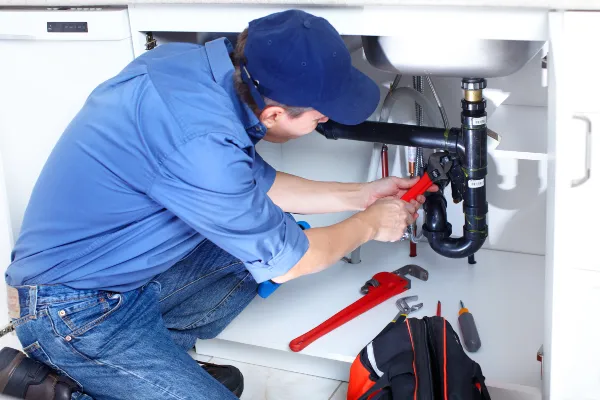
Drum machines keep the entire cable in a contained reel. They are cleaner in finished spaces, faster to set up for short to medium runs, and easier to transport in elevators. A medium drum machine with 100 feet of 3/8 or 1/2 inch cable covers many kitchen and restroom branches. Use a foot switch for control, wear gloves with a textured palm but no loose cuffs, and keep the cable speed modest. Too much rpm causes corkscrewing and kinks. Steady feed with intermittent pulls is the rhythm that clears lines without beating them up.
Cutter selection matters more than catalog copy. Start with a small boring head to establish flow. Once you confirm the cable will pass, step up to a grease cutter, a C cutter, or a spear for roots in older exterior lines. Matching cutter size to pipe diameter keeps you from wedging a tool in a tight bend. For 3 inch lines, consider 1/2 inch cable. For 4 inch and larger, 5/8 or 3/4 inch provides the spine to chew through heavy debris.
High-pressure water jetters: when flow, not friction, wins
Cable machines punch holes, scrape walls, and pull back debris. Jetters scour and flush. In commercial kitchens, food courts, and cafeterias, high-pressure jetting is often the difference between clearing a line for a week and restoring it for months. Grease behaves like a glue. It holds on until you emulsify or shear it away. Water at 2,000 to 4,000 psi through the right nozzle geometry does the shearing, and high flow rates push the slurry out to a downstream point where it can be captured or diluted.
There are three practical jetter classes for commercial plumbing:
Portable electric units, typically 1.5 to 2 gallons per minute at 1,500 to 2,000 psi. These fit under counters, operate quietly, and pair well with small diameter hoses for 1.5 to 2 inch lines. Gas cart jetters, often 4 to 5.5 gpm at 3,000 to 4,000 psi. They are the sweet spot for 3 to 6 inch interior lines and grease laterals. They require ventilation and careful fuel handling but deliver the cleaning power most facilities need. Trailer jetters, 8 to 18 gpm at 3,000 to 4,000 psi. These are contractor machines for long municipal laterals and big-bore mains. Facilities rarely own them, but they call a plumber with one when repeated blockages indicate heavy buildup downstream of the property.
Nozzle choice drives results. A penetrator nozzle with a tight forward jet opens an initial path. A flusher with a wider rear jet pattern pulls debris back. A rotating nozzle, sometimes marketed as a spinner or turbo, scours the pipe wall evenly, which is ideal for grease. In older cast iron with scaling, a controlled, rotating nozzle can smooth rough spots without removing too much wall. Avoid excessive dwell time at joints, especially in thin-wall or corroded sections.
Water management is the part many teams underestimate. Plan water source and discharge before you fire up. Grease traps and interceptors should be checked and pumped if a large cleaning is scheduled. Use catch screens when possible, and communicate with building operations so you do not push debris into a downstream choke point during peak flow.
Camera inspection and locating: evidence beats guesswork
Cameras convert mystery into a work order with a price and timeline that stakeholders can accept. In commercial plumbing, you pull wire and spend labor hours differently once you see what you are fighting.
A push camera with a self-leveling head and a sonde transmitter covers most interior lines. Look for a balance of stiffness and flexibility in the pushrod. For long, straight runs, a stiffer rod saves your back. For tight bends and offsets, a more flexible rod gets you through without popping a cleanout cap. Record video and grab stills. Facility managers appreciate before and after snapshots, and they protect you when a recurring issue points to pipe replacement rather than cleaning.
Locator wands read the sonde in the camera head or the energized cable from a powered transmitter. Accurate locating prevents wall cuts in the wrong places and finds buried cleanouts in landscaping. Read the instrument’s signal confidence, not just the loudest beep, and take multiple readings at perpendicular angles to triangulate the true centerline. It takes a few extra minutes and saves hours.
When you encounter bellies, offsets, or partial collapses, note the distance and clock position. A dip at 28 feet with water standing at the invert is a different problem than a 2 o’clock offset that catches wipes. These details guide whether to clean, spot repair, or line the pipe.
Specialty cutters and chains: removing scale and hard deposits
Some drains refuse to clear because the obstruction is not soft. Cast iron scale, mineral buildup in hard water areas, or cured grease lines form ridges and narrowing that a standard cutter skates over. This is where specialty attachments earn their keep.
Chain flail heads with carbide or hardened links, driven by a high-speed flexible shaft, strip scale and smooth the bore. These systems, often paired with variable speed drives, excel in 2 to 6 inch cast iron. The technique is calm and methodical. Work from the downstream side back toward you, increase speed gradually, and monitor amperage draw to avoid overloading. In older piping, over-aggressive cutting risks thinning the wall. Use a camera to verify progress and stop once the diameter is restored enough for flow.
Descaling with abrasive sand or baking soda blasting is a niche technique used in some industrial settings with easy access to straight pipe segments. It requires containment and cleanup. For most commercial facilities, a chain flail paired with jetting provides the best balance of precision and practicality.
Wet vacuums and containment: control the mess, protect the space
The most underrated tools are not glamorous. A high-capacity wet vacuum with a squeegee wand, drain attachments, and extra filters turns a messy job into a controlled one. Floor drains in commercial kitchens, locker rooms, and mechanical rooms overflow at the worst possible times. Fast removal of standing water improves safety and lets you inspect the drain body and trap.
Containment starts before the cleanout cap comes off. Lay down absorbent pads or barriers. Use a catch bag or bucket collar around vertical cleanouts. Keep trash bags and zip ties ready to capture retrieved debris. In retail or hospitality, a neat work area buys you patience from managers and guests. It also keeps lubricants, scale, and grease out of adjacent finishes.
Grease management tools: working with the interceptor, not against it
If a facility serves food at any scale, grease is the recurring antagonist. Drain cleaning without grease management is groundhog day. The right tools make maintenance routine rather than reactive.
Interceptor pump-out coordination matters. A jetter can strip pounds of soft grease from laterals and floor drains in an hour. If the interceptor is already near capacity, that material either bypasses or re-deposits. Schedule jetting within a day of pumping, not weeks before it. A simple dipstick or ladle check through the interceptor cover tells you whether you are dealing with 20 percent or 80 percent grease cap.
Grease-specific jetting nozzles with offset orifices and rotating heads cut through soft caps quickly. Bioremediation dosing pumps can help between cleanings, especially on gravity lines with long runs. They do not replace mechanical cleaning. Where codes allow, heat trace on problem lines reduces congealing in cold zones. Keep expectations realistic. Even with additives, high-volume fry lines need periodic jetting.
Safety gear: small items that prevent big problems
Drain cleaning mixes electricity, rotating machinery, water under pressure, sharp edges, and biological contaminants. That combination punishes complacency.
Gloves with puncture resistance and good wet grip, eye protection with side shields, waterproof footwear or overshoes, and low-profile hearing protection belong on every job. For jetting and descaling, a face shield over safety glasses prevents ricochet spray injuries. Use GFCI protection on all corded tools. In older buildings, test outlets before trusting them with a high-draw machine.
Cable control is a discipline. Stand to the side of the machine, not directly in line with the cable. Keep hands off a spinning cable. Use a proper feeder or guide tube. If you feel a cable bind, release the foot pedal, reverse briefly, and ease forward again. With jetters, bleed pressure before changing nozzles. Never point a live nozzle at skin. A pinhole injection injury from high-pressure water is a surgical emergency, even if the entry wound looks small.
Choosing by pipe material and diameter
Tool choice sharpens when you match it to the pipe in front of you. Cast iron tolerates moderate scraping and jetting, but aggressive cutting can expose pits and hasten failure. PVC resists corrosion yet can be gouged or unseated at joints by over-torqued cutters or high-pressure jets aimed directly at fittings. Clay tile in older campuses cracks easily at bells, so cable machines should run smaller cutters and reduced torque.
Diameter is the other axis. In 1.5 to 2 inch lines, handheld machines or small drum units with 1/4 to 3/8 inch cable and small cutters are the norm. In 3 to 4 inch branches, step up to 1/2 or 5/8 inch cable, or use a 3 to 4 gpm jetter. Six inch mains favor 5/8 to 3/4 inch cable for heavy obstructions or 4 to 8 gpm jetting for maintenance cleaning. When roots enter the picture on exterior segments, a spiral saw or spear cutter clears paths, but plan to follow with camera inspection and discuss repair or lining. Repeated root cutting without remediation is a cycle, not a solution.
Preventive maintenance kits for facility teams
Not every commercial facility needs a trailer jetter, but most benefit from a right-sized kit that covers 80 percent of what breaks.
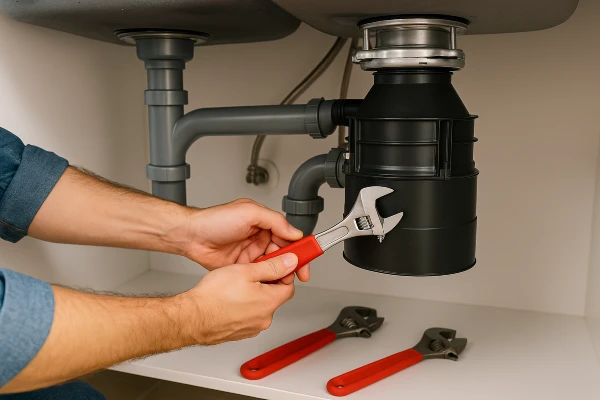
A quality 25 to 50 foot hand auger, a 6 foot closet auger with bowl guard, and a compact drum machine with interchangeable 1/4 and 3/8 inch cables, plus a small set of cutters. A portable electric jetter in the 1.5 to 2 gpm range, with hoses for 1.5 to 2 inch lines and a simple nozzle set: penetrator, flusher, and small spinner. A basic push camera with distance counter, self-leveling head, and a locator, stored with spare heads and skids to center the camera. A high-capacity wet vacuum, containment pads, drain balloons for temporary blocking, and a selection of cleanout plugs and gaskets. PPE, GFCI cords, and signage to control the work area in public spaces.
This kit lets an in-house team triage quickly, restore service in straightforward cases, document what they find, and call a commercial plumber with useful intel when escalation is warranted. The more precisely you describe the problem, the faster a service crew can bring the right machines and fix it in one visit.
When to escalate to a commercial plumber
Bringing in a licensed plumber is not a defeat. It is risk management. Escalate when you see repeated blockages at the same spot within weeks, camera evidence of pipe damage, sewer gas odors that suggest trap or vent problems beyond a single branch, or when a line serves critical operations and the cost of guessing is high.
Specialty work also benefits from a pro’s toolkit. High-flow jetting, chain descaling in large diameters, reinstating laterals after lining, and repairs that require permits and inspections fall squarely into commercial plumbing services. A seasoned plumber will also help map the system, add cleanouts where access is poor, and recommend changes that lower operating risk, such as heat tracing a known cold section or re-pitching a troubled run.
Practical tactics that separate smooth jobs from long nights
Experience shows up in the small moves. Start by establishing flow rather than going for a full clean in one pass. With cables, that means boring a pilot hole, flushing, then stepping up cutters. With jetting, start with a penetrator to move water, follow with a spinner for wall cleaning, and finish with a flusher to carry debris to an interceptor.
Use water to your advantage even with cable machines. Running warm water gently while cabling a grease line lubricates the cable and helps carry material downstream. Avoid full flow until you are confident you will not flood the space. When working in a shared line above occupied areas, check the time of day and coordinate with occupants to pause heavy water use.
Know your distances. Count turns of the cable drum or rely on a machine’s counter to estimate how far you have gone. When your camera later confirms a problem 42 feet from the cleanout, you will trust your measurements the next time you come back with a cutter or locator.
Finally, write down what you learn. Commercial facilities evolve. Tenants remodel, equipment moves, and undocumented connections appear. A short log of drain issues, tools used, footage, and outcomes becomes a playbook that saves hours on future calls.
Edge cases worth anticipating
Not every clog is food or paper. In healthcare, biohazard protocols affect tool choice and cleanup. Use color-coded equipment and sealed waste handling. In manufacturing, process water can contain abrasives or solvents. Verify chemical compatibility before jetting, and mind where discharge goes. In high-rise buildings, vertical stacks create pressure zones. Opening a cleanout without relieving the line can create a geyser. Crack caps slowly, keep a backflow pad ready, and listen for rushes of air that signal a siphon.
Freeze-thaw cycles cause winter problems in unconditioned spaces and garages. Heat tracing and insulation help, but once a line freezes, gentle thawing with ambient heat and time is safer than aggressive hot water or steam unless the pipe is designed for it. Steam in PVC is a recipe for failure.
Budgeting for tools that last
The temptation to buy the least expensive machine fades the first time a motor stalls mid-job. In general, mid-tier equipment from reputable manufacturers offers the best life-cycle value. Pay for sealed bearings, robust frames, and serviceable components. Cables are consumables. Rotate them, clean and oil after use, and retire kinks before they become dangerous. Nozzles wear, especially at higher pressures. Track performance and replace when spray patterns degrade. Cameras deserve gentle handling. Store pushrods in wide loops, not tight coils, and clean the lens after each push.
Training is part of the budget. A morning spent with a manufacturer rep or an experienced commercial plumber practicing cutter changes, cable feeds, and nozzle swaps pays back in fewer mistakes when the job is live.
Bringing it together
Commercial drain maintenance is a game of flow, access, and evidence. Start with simple, fast tools close to the fixture. Step up to machines that match the pipe diameter and the material you are battling. Use cameras to stop https://theleanderplumber-company.com guessing, and jetters when you need to restore a pipe rather than poke a hole through a clog. Keep a wet vacuum and containment gear handy so the building stays clean while you work. When the problem hints at structural issues or requires heavy equipment, call a commercial plumber with a clear description and footage.
Plumbing tools are only as effective as the judgment behind them. The best teams pair disciplined escalation with a tidy work area, documented findings, and respect for the building’s operations. Do that, and you will clear drains faster, stretch maintenance budgets, and get fewer callbacks for the same line.
THE LEANDER PLUMBER - COMPANY 1789 S Bagdad Rd #103, Leander, TX 78641 (737) 530-8021