T-bone Accidents: How Traffic Signals and Right-of-Way Rules Affect Liability
Few things are as jarring as the moment a vehicle slams into the side of your car at an intersection. This type of collision, often called a T-bone or side-impact crash, frequently leads to serious injuries because the sides of a vehicle offer less protection than its front and rear. If you have been in a T-bone accident, understanding how traffic signals and right-of-way rules shape the legal side of things is essential. These rules are not just abstract ideas for drivers - they directly determine who is at fault and how much compensation you may be entitled to.
What is a T-bone Accident?
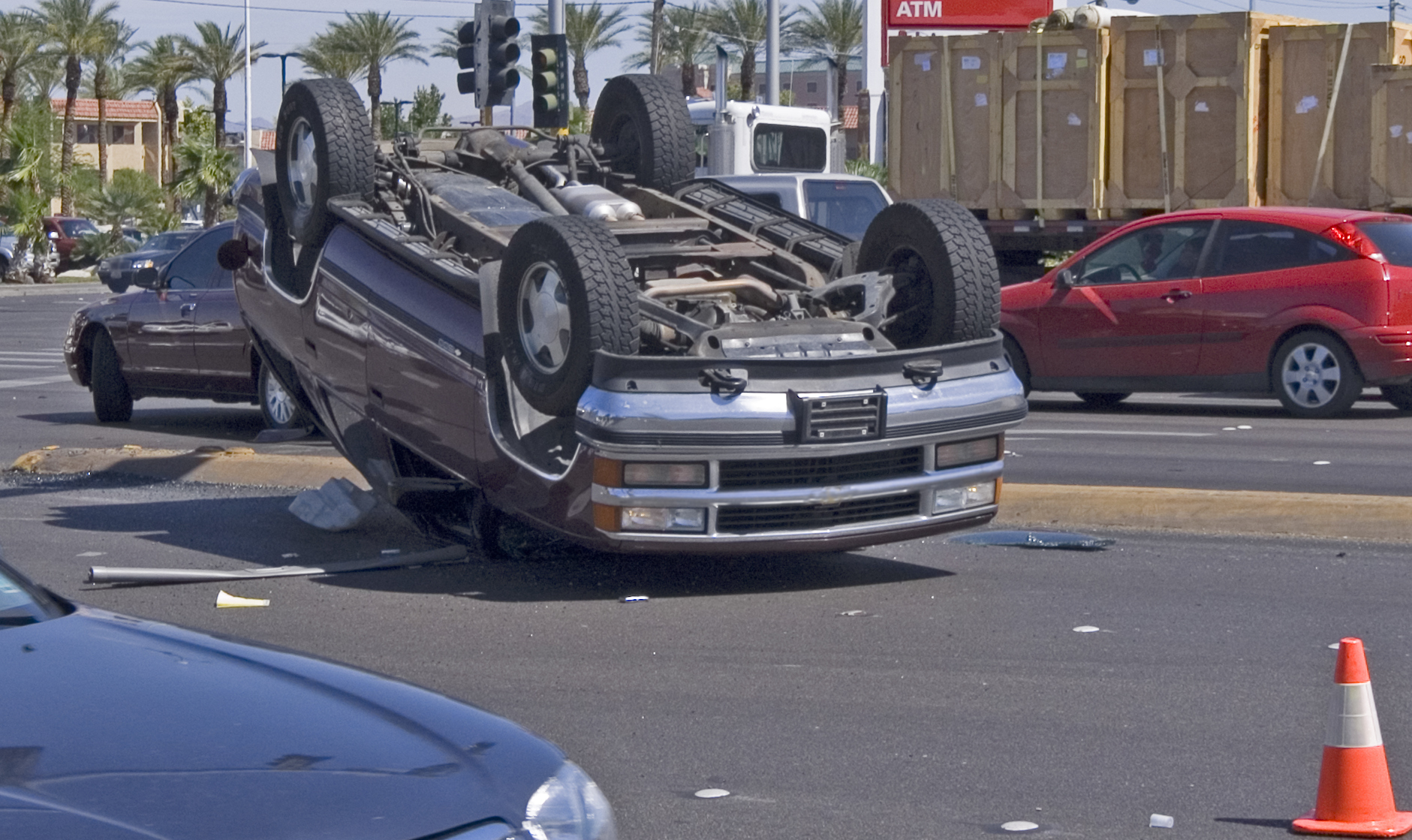
A T-bone accident occurs when the front of one vehicle hits the side of another, forming a shape like the letter T. These crashes almost always happen at intersections, often because a driver runs a red light or fails to yield the right of way. The impact direction sends the full force of the collision sideways into the struck vehicle, which is why injuries to the ribs, pelvis, spine and head are so common. Because the struck vehicle absorbs the energy along its vulnerable side, the occupants can suffer harm even at moderate speeds.
Traffic Signals and Right-of-Way Rules
Traffic signals and right-of-way rules exist to keep traffic flowing in a predictable way. At any controlled intersection, the light tells drivers when they can proceed, stop, or yield. If a driver ignores a red light or a stop sign, they have broken the law. In a legal sense, that violation can serve as strong evidence of negligence. The side that had the green light or the right of way is generally presumed to have been acting lawfully. So when a T-bone crash happens, the first question adjusters and lawyers ask is: who had the light?
But the answer is not always simple. Witness accounts, dashcam footage, and sometimes even data from the vehicles themselves can paint a more complex picture. For example, a driver who entered the intersection just as the light turned yellow may still be legally allowed to clear the intersection. Meanwhile, the other driver may have jumped the green light. In such cases, comparative fault rules may apply, meaning both drivers could share a portion of the blame.
How Vehicle Damage Tells the Story
The location and pattern of damage on each vehicle can provide important clues about how the crash unfolded. When a car is struck on the right side, it often means the driver was crossing through the intersection while the other driver was coming from the left. The angle of the impact can indicate whether one driver was turning or going straight. Experienced accident reconstructionists use these marks to determine which vehicle had the right of way and whether either driver could have avoided the crash.

Black box data from modern cars can also be crucial. Many vehicles record speed, brake application, and steering input in the seconds before a crash. That data can show whether a driver ran a red light or tried to stop but failed. It can also reveal whether one driver sped up as the light turned yellow, rather than slowing down. These objective facts are often more convincing than the conflicting memories of the people involved.
Comparative Fault and Its Effect on Your Claim
California follows a rule called pure comparative fault. That means even if you are partially responsible for the crash, you can still recover damages, but your compensation is reduced by your percentage of fault. For example, if a jury decides you were 30 percent at fault and your total losses are $100,000, you would receive $70,000. In a T-bone case, fault often hinges on the right-of-way and traffic signal analysis.
This is why it matters so much to gather evidence right after the crash. Photos of the intersection, the position of the cars, the condition of the traffic signals, and statements from witnesses can make or break your claim. If the other driver claims you ran a red light, but your witness says otherwise, the case can shift. Even small details, like whether the sun was in one driver's eyes, can affect how fault is assigned.
Common Scenarios in T-bone Liability
Some situations are more common than others in T-bone crashes. Here are a few that often come up:
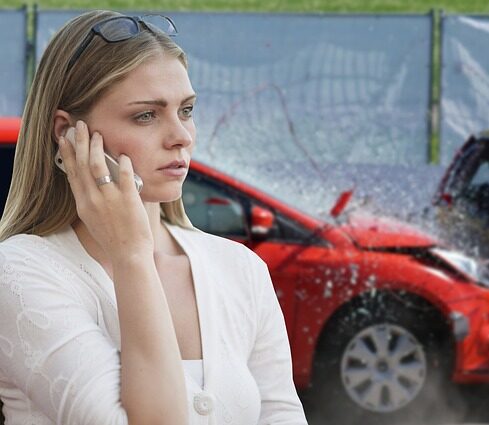
- A driver runs a red light and hits a car that was legally crossing the intersection.
- A driver fails to yield while making a left turn and is struck by oncoming traffic.
- A driver misjudges the speed of an approaching vehicle and pulls out too late from a stop sign.
- A driver drives through a stale green light - one that has been green for a long time - and a driver from the cross street starts moving on a fresh green.
- A driver is distracted by a phone or other device and enters the intersection without seeing the light change.
Each of these scenarios involves a different set of facts. The key is proving that the other driver breached their duty to drive safely. That breach, combined with the right-of-way rules, forms the foundation of a liability claim.
What You Should Do After a T-bone Crash
If you are in a T-bone accident, your health comes first. Get medical attention even if you do not feel badly hurt right away. Some injuries, like internal bleeding or whiplash, can take hours or days to show up. Once you are safe, start collecting evidence. Take photos of the scene from multiple angles, including the traffic lights, the damage to both cars, and any skid marks on the road. Get the names and contact information of any witnesses. Write down what you remember about the light and the other driver's actions as soon as you can.
Report the accident to your insurance company promptly, but be careful what you say. Stick to the basic facts and do not guess or admit fault. Let the investigation and your attorney handle the legal analysis. Do not sign any settlement offers from the other driver's insurance until you understand the full extent of your injuries and losses. Once you accept a settlement, you usually cannot go back for more money later.
Working with a personal injury attorney who understands T-bone accidents can make a significant difference. The Jagroop Law Office, Inc. helps California car accident victims navigate the legal process and pursue compensation for their injuries and losses. They know how to gather the right evidence and how to use traffic signal and right-of-way rules to build a strong case.
Every T-bone case is different, but the underlying principles are the same. Traffic signals and right-of-way rules are not just traffic laws - they are the building blocks of liability in intersection crashes. When a driver violates them, they break the duty of care they owe everyone else on the road. Proving that violation is the path to holding them accountable. And if you have been injured, understanding how these rules affect your claim is the first step toward protecting your rights.
The Jagroop Law Office, Inc. focuses on helping Union City car accident victims understand their rights and pursue fair compensation. If you have questions about a T-bone crash, consider reaching out for a consultation. The sooner you act, the better your chances of building a strong claim.