How to Create a Health-Conscious Cafe Menu
A health-conscious cafe menu is not a page full of kale, seed sprinkles, and apology-sized portions. It is a menu that helps people eat well without feeling punished, confused, or bored. The strongest versions do three things at once. They respect nutrition, they sell consistently, and they fit the way people actually use a cafe.
That last point matters more than many operators expect. People visit a cafe for different reasons over the course of a single week. On Monday, they want a quick breakfast before work. On Wednesday, they need a reliable lunch that will not leave them sleepy by 3 p.m. On Saturday, they may want coffee and something comforting while catching up with a friend. If the menu treats every visit like a wellness retreat, it will miss the emotional side of eating. If it ignores health entirely, it will also miss a growing group of customers who read ingredient lists, ask about protein, and notice how food makes them feel two hours later.
The best health-conscious menus are built on practical balance. They make the better choice easy, visible, and desirable. They do not lecture. They do not rely on vague claims. And they understand that a cafe has tighter operational limits than a full-service restaurant. Space is limited. Labor is limited. Margin is fragile. Every healthy item still has to move through a small kitchen, hold up in a refrigerated case, and taste good at 8 a.m. And 1 p.m.
Start with your actual customer, not a wellness fantasy
Before changing a single dish, look closely at the traffic you already have Cafe and the traffic you want. A commuter-heavy cafe near offices needs different menu architecture than a neighborhood cafe with parents, students, and remote workers. Health means different things to each group.
For some customers, health-conscious means lower sugar and cleaner ingredients. For others, it means a filling lunch with 25 to 35 grams of protein. Some people want plant-forward meals. Others simply want to avoid the greasy, heavy feeling that comes from standard cafe fare. If you skip this distinction, you end up writing a menu for an imaginary customer who loves chia pudding, has endless patience, and never cares about price.
A simple review of sales mix often reveals where the opportunity is. If pastries and sweet drinks dominate the morning, maybe the gap is a savory breakfast that feels just as convenient. If lunch sales flatten after noon, perhaps the issue is a menu weighted too heavily toward bread and cheese, with not enough crisp, fresh, satisfying options. If customers constantly customize, asking for sauces on the side, extra egg, or no dairy, they are telling you what the menu should have offered from the start.
I have seen cafes spend weeks debating whether to add hemp hearts to a yogurt bowl while ignoring the fact that their best-selling sandwich had no vegetable component at all. Usually, the bigger wins come from fixing the core menu, not chasing niche ingredients.
Define what “healthy” means in your kitchen
Health-conscious menus work better when the internal definition is specific. Otherwise, every staff member interprets it differently, and the result is a patchwork of dishes with no real identity.
A useful working definition usually includes a few practical standards:
whole or minimally processed ingredients where possible balanced macronutrients, especially enough protein and fiber to make meals satisfying moderate added sugar, particularly in drinks and breakfast items thoughtful portions that feel complete without being excessive flexibility for common dietary needs without turning every order into a custom project
This definition does not need to appear on the menu board. It is for the team creating recipes, ordering ingredients, and training staff. It gives you a filter. If a muffin contains as much sugar as a dessert, calling it wholesome because it has oats will not hold up. If a salad leaves customers hungry an hour later, it may photograph well but it is not doing its job.
Specificity also prevents the all-or-nothing trap. A health-conscious cafe does not need to ban croissants, remove every refined carb, or turn coffee drinks into joyless nutrition exercises. Customers respond better to menus that offer better choices within familiar formats. Think breakfast sandwich with egg, greens, and a house yogurt sauce instead of a greasy spread. Think grain bowl with roasted vegetables, chicken or tofu, and a bright dressing instead of a bland “detox bowl.” Think mocha sweetened carefully enough that it still tastes like a treat, just not liquid cake.
Build around formats people already understand
One of the fastest ways to improve a cafe menu is to make healthy eating feel familiar. Customers are far more likely to order something if they immediately understand how it fits into their day.
Breakfast is a good example. People know how to order overnight oats, egg sandwiches, yogurt bowls, smoothies, and toast variations. The question is not whether you can invent a novel format. The question is whether you can make those staples more nutritionally sound and more satisfying than what customers can get elsewhere.
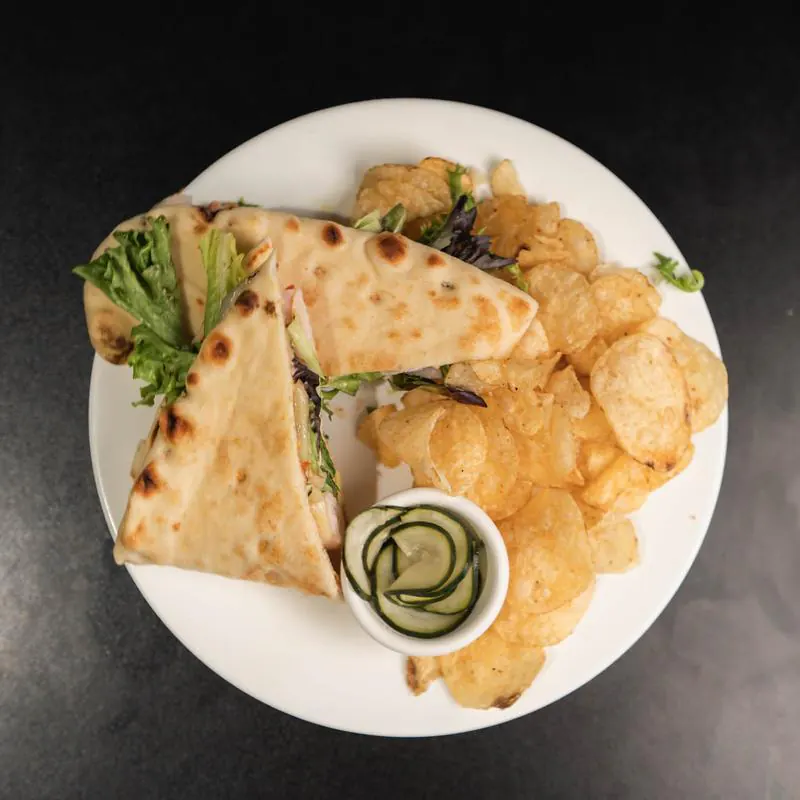
Take the breakfast sandwich. It often gets dismissed as too indulgent for a health-conscious menu, but that depends entirely on how it is built. A sandwich on quality bread with egg, a measured amount of cheese, tomato or greens, and a flavorful spread can be balanced, portable, and profitable. The same goes for lunch staples such as wraps, soups, grain bowls, and salads. Familiar structure lowers the barrier to trial. Better ingredients and stronger composition create the point of difference.
This is especially important in a cafe, where people are often making quick decisions. They may have three minutes to order before a meeting or before a school run. They do not want to decode a menu full of abstract wellness language. “Roasted chicken grain bowl with brown rice, charred broccoli, pickled onions, tahini lemon dressing” is easy to grasp. “Nourish vitality bowl” tells them almost nothing.
Satisfaction is the real test
A healthy item that does not satisfy is a one-time sale at best. Customers may try it because they are curious or because it sounds virtuous, but they will not come back if it feels meager, watery, or nutritionally incomplete.
In practical terms, satisfaction comes from balance. Most strong cafe meals include a meaningful protein source, some fiber, enough fat for flavor and fullness, and a range of textures. A bowl of greens with cucumber and a little vinaigrette is not lunch for most adults. Add lentils, roasted squash, pumpkin seeds, herbs, and grilled salmon or marinated tofu, and it becomes something people remember.
This is where many menus go wrong. They focus on what has been removed, fewer calories, no dairy, less sugar, and not on what remains. Customers do not order absence. They order flavor, energy, and a sense that their money bought a real meal.
One operator I worked with saw this clearly after launching a line of “light lunches” that underperformed. The recipes were clean and visually appealing, but portions were small and protein was inconsistent. Once the team rebuilt the same dishes with stronger anchors, chicken thigh instead of a few shavings of breast, beans added to soup, eggs added to a grain box, sales improved without sacrificing the healthy positioning. The meals simply felt complete.
Write menus with nutritional intelligence, not nutritional slogans
Terms like clean, guilt-free, wholesome, and superfood often weaken a menu rather than strengthen it. They are vague, and some customers actively distrust them. Clear language works better. Name the ingredients. Describe the preparation. Let the dish communicate the value.
If you want to highlight health benefits, do it carefully and only where it helps the customer make a decision. High-protein can be useful if it is true and relevant. Vegetarian, dairy-free, and gluten-friendly can also be useful when accurate. But there is no need to turn every menu description into a health claim.
The same principle applies to calorie counts. Some markets and concepts benefit from sharing them. Others find that the information distracts from the overall experience or leads customers to misjudge dishes by one number alone. A 420-calorie lunch with little protein can be less satisfying than a 560-calorie lunch that keeps someone full for hours. Context matters.
What often helps more is structure. Group items in a way that makes balanced choices easy to spot. Put strong breakfast proteins near pastries rather than isolating them. Feature lunch combinations that pair well, such as soup and a half salad, or a protein add-on that turns a side into a meal. Customers tend to follow the menu’s quiet cues.
Improve beverages, because drinks can quietly undermine the menu
A cafe can create the most thoughtful food program in the neighborhood and still lose the health-conscious customer at the drink station. Sweet beverages add up quickly, especially in the morning, when people order on habit.
This does not mean you need to strip the beverage menu down to black coffee, plain tea, and unsweetened green juice. It means being deliberate. Offer drinks with layered flavor that do not depend on excessive syrups. House-made options with citrus, herbs, spices, or lightly sweetened fruit often perform well because they taste distinct without being sugar bombs.
Milk choices also deserve attention, though not as a trend exercise. Oat, dairy, almond, and soy all behave differently in coffee and contribute different nutritional profiles. Customers appreciate having options, but they appreciate consistency even more. If an alt-milk cappuccino splits, tastes thin, or costs so much extra that it feels punitive, the menu has not really served them.
Breakfast smoothies are another common weak point. They sound healthy, but many are mostly fruit juice and banana with little protein or fat. A better smoothie program is built like a meal, not a dessert. That might mean yogurt or silken tofu, nut butter, oats, seeds, or a carefully chosen protein addition. The flavor still has to lead. Nobody returns for a chalky shake with a wellness halo.
Use indulgence strategically, not apologetically
A cafe menu becomes more believable when it leaves room for pleasure. If every item signals restriction, customers assume the food will be earnest and under-seasoned. A smart menu gives them permission to choose according to mood while still keeping standards high.
This might look like a pastry case that includes a few excellent classics alongside lower-sugar baked goods. Or a lunch menu with one rich grilled cheese balanced by several brighter, vegetable-forward options. The goal is not to shame indulgent items or hide them. The goal is to avoid letting indulgence dominate by default.
There is also a commercial truth here. Some higher-margin treats support the rest of the menu. A customer who buys a balanced lunch during the week may still come in on Sunday for coffee and a cinnamon bun. Those occasions are Cafe not in conflict. They are part of how real cafes work.
The art lies in portion, frequency, and placement. A dense brownie cut slightly smaller still satisfies. A seasonal tart offered on weekends feels special. A muffin reformulated with less sugar but real flavor can outperform both the “healthy muffin” that tastes dry and the oversized bakery muffin that feels excessive after two bites.
Engineer for speed, shelf life, and consistency
Health-conscious food often fails at the operational level before it fails at the flavor level. A menu item can be nutritionally excellent and still make no sense for a busy cafe. If it requires too many last-minute components, wilts in the case, or depends on one highly skilled prep cook to stay consistent, it will create stress fast.
Menu design should begin with your station setup and prep window. Roasted vegetables that can appear in a bowl, a wrap, and a breakfast hash are more valuable than one fussy garnish used in a single special. A lemon herb yogurt can act as a dip, a sandwich spread, and a sauce base. Cooked grains, pickled onions, marinated legumes, and washed greens give the kitchen building blocks that support variety without chaos.
This is where health-conscious menus can become more profitable, not less. Ingredients with cross-use reduce waste. Dressings and sauces made in-house from a few core components can deliver flavor while avoiding the cost and inconsistency of multiple bottled products. Soups and stews can absorb trim and surplus produce if your culinary team is disciplined about standards.
Shelf life still matters, though. Delicate greens deteriorate. Cut avocado browns. Chia puddings separate if held too long. Not every attractive item belongs in a grab-and-go case. Sometimes the right answer is to offer a dish only to order, or only on certain days when prep and demand align.
Price for value, not for virtue
Many operators underprice healthy items because they worry customers will resist. The result is often the opposite of what they want. A grain bowl with quality produce, herbs, seeds, and a good protein costs more to build than a basic sandwich. If the price does not reflect that, margins suffer and the team starts cutting corners. Portion shrinks, garnish disappears, protein gets stingy, and customers notice.
Price should communicate value clearly. If a bowl costs more, it should look and feel like it. Protein should be visible. Ingredients should be fresh and distinct, not hidden under leaves. Packaging should travel well. Customers are generally willing to pay for food that feels deliberate and complete.
It also helps to create good-better-best ladders within categories. A simple avocado toast, a more substantial egg-and-greens toast, and a premium smoked salmon version let different customers choose their price point without abandoning the health-conscious positioning. The same logic applies to salads and bowls, where add-ons can increase both customization and average ticket if handled cleanly.
Train staff to talk about food in a grounded way
The menu is only half the message. Staff shape how customers perceive the cafe, especially in concepts that emphasize well-being. If team members sound scripted or preachy, the menu loses warmth. If they cannot answer basic questions about ingredients, preparation, and substitutions, trust erodes.
Good staff training focuses on practical knowledge. Team members should know which items are most filling, which work well for a light breakfast, which sauces contain dairy, and which lunch options hold up best for takeout. They should also know how to guide customers without making assumptions. Not everyone asking for oat milk is avoiding dairy for health reasons. Not everyone ordering a salad wants the lowest-calorie item.
A short internal guide can help:
identify the most protein-forward breakfast and lunch items note major allergens and easy substitutions explain which dishes are best for grab-and-go versus made to order describe house-made components in plain language flag any item that often sells out, so staff can redirect gracefully
When staff can say, “If you want something substantial, the roasted chicken bowl is our most filling lunch,” or, “The yogurt bowl is lower in added sugar than the granola parfait,” customers feel helped rather than managed.
Keep testing, because health trends move but eating habits change slowly
A health-conscious menu should evolve, but not chase every trend. Most cafes do not need to rebuild the board every time a new ingredient gets attention online. Customers care more about whether the food tastes good, supports their routine, and matches the price.
The more useful approach is steady refinement. Watch what sells repeatedly, not just what draws curiosity in the first week. Track modifications. Listen to what customers finish and what they leave behind. If a salad always comes back with untouched raw kale, that is data. If customers routinely add egg to one item and avocado to another, those preferences may deserve a permanent place in recipe design.
Seasonality can keep the menu fresh without destabilizing the operation. Rotating soups, grain bowl vegetables, and a few drink specials often provides enough novelty. Core items should remain dependable. Regulars build habits around them, and habits are the engine of cafe revenue.
There are edge cases to consider. In some neighborhoods, explicit nutrition information may drive loyalty. In others, customers care more about local produce, seed oils, fermentation, or plant-based cooking. The answer is not to satisfy every niche at once. It is to know which concerns genuinely overlap with your brand and your customer base, then execute those well.
A strong menu feels generous
The healthiest cafe menus rarely feel like “healthy menus.” They feel generous, colorful, and calm. They offer enough choice without becoming cluttered. They make room for vegetables, grains, legumes, eggs, fish, chicken, dairy, and plant-based proteins according to the concept. They use seasoning boldly. They understand that texture matters as much as nutrients. And they never forget that a cafe is part daily routine, part comfort ritual.
That balance is what brings people back. A customer may come in because they want to eat better. They return because the food solved a real need. It gave them energy for the afternoon, fit their schedule, tasted like someone cared, and did not force them to choose between health and pleasure.
If you are building or revising a cafe menu, that is the standard worth aiming for. Not food that merely sounds virtuous, but food people want on an ordinary Tuesday, and again on Thursday, and again next week. When the healthier option becomes the obvious, satisfying option, the menu is doing its job.
Bennies Cafe
17230 Jackson Creek Pkwy Ste 100, Monument, CO 80132
+1 719-445-0660
FAQ About Cafe
What is considered a café?
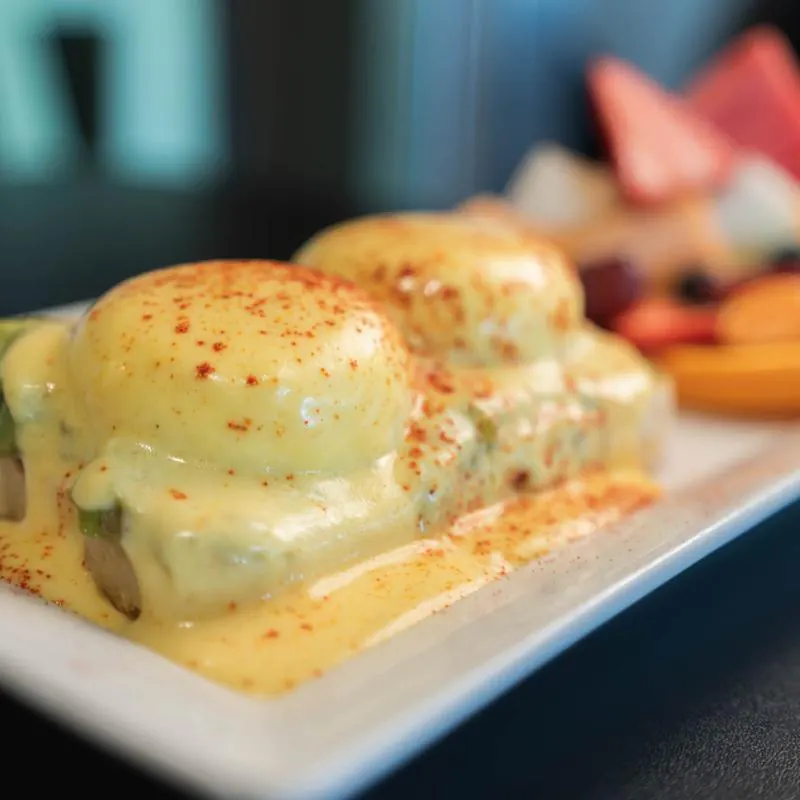
A café is generally an informal place to enjoy refreshments and a meal. Bennies Cafe in Monument serves breakfast and lunch in a counter-service setting, with options including eggs Benedict, sandwiches and crepes. Guests can eat in or arrange pickup.
What is the difference between a coffee shop and a café?
The terms often overlap. A coffee shop usually emphasizes coffee and other drinks, while a café may offer a broader food menu. Check the individual establishment's menu rather than relying on its name. Bennies Cafe offers coffee drinks alongside breakfast and lunch dishes.
What is the difference between café and coffee?
In everyday English, a café is a place where people buy food and drinks, while coffee is the beverage. The word café comes from the French word for coffee. Bennies Cafe serves options such as brewed coffee, espresso and lattes as part of its drinks menu.