Flower Art Ideas for a Sympathy Card: What to Know
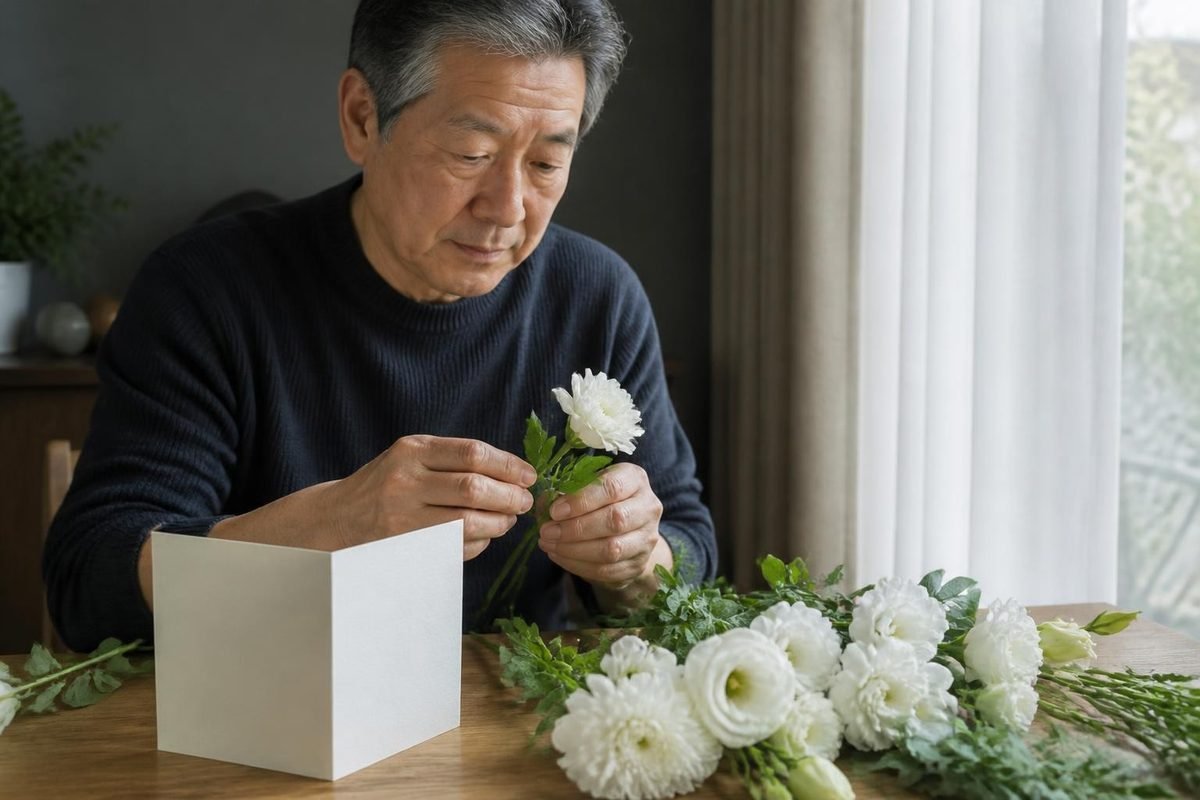
Quiet flower paintings can help you choose colors and shapes for a sympathy card without making the design feel overly formal. Monet’s water lilies, Van Gogh’s almond blossoms and irises, and Georgia O’Keeffe’s white flowers are thoughtful sources of inspiration.
Artwork that may offer inspiration
There is no single right painting for a sympathy card. Consider the person who will receive it and what might bring them comfort, then let the artwork influence the card’s appearance while keeping your own message personal.
Claude Monet, Water Lilies: Monet returned to water lilies in many paintings, often setting them among reflections that spread across the water. Gentle greens and blues, with small touches of pink, can suggest the calm of a garden and create a soft design rather than a formal one. Vincent van Gogh, Almond Blossom: Pale flowers appear on branching limbs against a blue background. The clear, open arrangement can guide a simple card design, especially if you want to leave space for a short note. Vincent van Gogh, Irises: These flowers bring together vivid blue and violet petals with energetic green leaves. Their stronger colors may feel right for someone who enjoyed gardening or bright hues. If the full painting seems too lively, use just a small detail as your reference. Georgia O’Keeffe, Jimson Weed, White Flower No. 1: Its white flowers have wide, rounded forms that curve across the image. A card featuring one white bloom, inspired by the painting, can feel restrained, particularly against a plain background.
Let the feeling guide you
White flowers are commonly linked with remembrance, but they are not a requirement for a sympathy card. The recipient’s preferences may offer a better guide, as may a flower that held meaning for the person who died. A familiar or much loved color can make the design feel more individual than a traditional symbol.
Think about the image’s overall energy as well as its colors. A quiet pond or a few open flowers can leave room for reflection. Bright colors and expressive brushwork can be fitting too, if they call to mind someone the recipient loved.
You can take an idea from a painting without reproducing it. For instance, the blue setting of Almond Blossom might inspire pale flowers against a soft blue wash. If you choose a printed card, make sure the artwork leaves enough uncluttered space for your message.
Write with care and simplicity
The picture can accompany your words, but it does not need to express everything for you. A straightforward line such as “I am sorry for your loss” is enough. If you knew the person who died, you might also share a particular memory or mention something you valued about them.
Only offer practical support that you can genuinely provide. You could ask about bringing a meal or say that you will check in the following week. Avoid trying to explain why the loss happened or suggesting how the recipient ought to feel.
A peaceful image paired with a few honest words can make a thoughtful card. Choose a flower with the recipient in mind, and let the message sound like you.
Further reading: organising a surprise gift remotely