Which ChatGPT Alternative Is Best for Mixed Media: Images, Audio, and Video?
If you've been riding the AI wave, you know ChatGPT and OpenAI's solutions (like the latest GPT-4o) dominate many conversations. But what if your work isn't just text? Maybe you're juggling newsletters enriched with images, podcasts that require snippets transcribed or summarized, or video scripts where AI-powered context matters. You quickly realize: not every assistant fits like your favorite kitchen knife. Some tools boast flashy features that look great on paper but don't quite slice through your mixed media workload smoothly.
What to Look for When Choosing AI for Images, Audio, and Video
When picking an AI assistant for images, audio, video, and traditional text, it’s critical to focus on fit over hype. Here’s what truly counts:
Support for multiple media types: Can it analyze, generate, or at least summarize visual materials or audio files? Long context windows: Bigger means better when you’re working with lengthy docs, transcripts, or video scripts. You want your AI to remember the whole story without you copying and pasting in fragments. (Switching tabs or apps mid-work feels like a messy mise en place.) Pricing and usage caps: Free tiers are tempting, but daily message limits or token caps can turn a fun experiment into frustration. Consider monthly plans that genuinely boost your usage without burning your budget. Citations and verifiability: Especially for research-heavy tasks, can the AI back up its claims? Or is it confidently spinning unsupported answers?
OpenAI’s GPT-4o and ChatGPT: The Multimodal Baseline
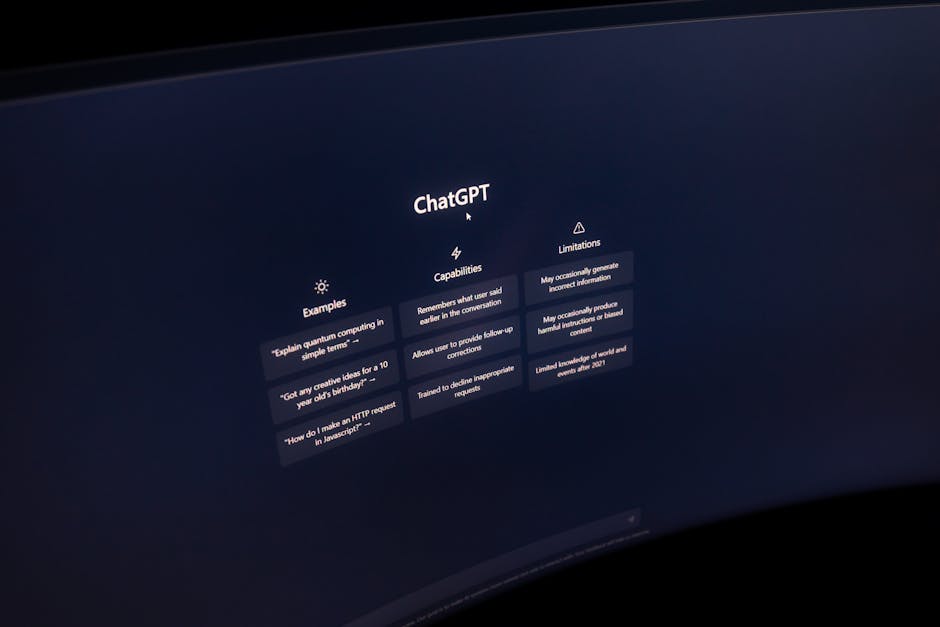
GPT-4o, OpenAI's latest model powering ChatGPT, is becoming steadily better at handling text and images. It can analyze pictures you upload, describe scenes, and even generate scripts aligned with visual content. However, while OpenAI’s multimodal rollout is promising for mixed media review, it currently lacks deep audio support—think: no direct audio transcription or analysis inside ChatGPT itself.
ChatGPT’s interface also limits how much you can submit in one go. Even with ChatGPT Plus or GPT-4o, the daily message cap and token limits can cramp your workflow if you want to process long podcast transcripts, bulk image sets, or video metadata. If you’re piecing together multiple sources, you’ll find yourself awkwardly juggling windows and copy-pasting contexts—a workflow I compare to trying to make a complicated dish with one hand tied behind your back.
Summary Features:
Feature GPT-4o (ChatGPT) Image input and understanding Yes, limited to uploaded images Audio/video support No native transcription or analysis (third-party needed) Long context window Up to ~8,000 tokens (approx. 6,000 words) Daily message cap Yes, can feel restrictive Citations & verifiability Mixed; sometimes no source listing
Claude Pro: A Strong Competitor With Practical Advantages
When it comes to balancing practicality and power, Claude Pro positions itself as a serious contender, charging $20/month to unlock 5x more messages than the free tier. That kind of message boost means fewer interruptions while working on mixed media projects—a big workflow win. Claude can handle complex documentation and keep context longer compared to standard GPT offerings, which is key for deep-dives or rewriting/refining lengthy audio/video transcripts.
Though Claude’s image and video multimodal capabilities are less advertised compared to OpenAI or Google’s efforts, its strength lies in reliable summarization and rewriting of text content extracted from media—think of turning hours of audio into crisp Google Docs summaries or Gmail thread summaries that save you hours of skimming.

Why Claude Pro’s Pricing and Limits Matter
For $20/month, 5x more messages is real friction reduction—not just fluff. Longer context retention beats token caps that force excessive chunking. More interaction means you can clarify and refine your output without hitting annoying daily walls.
Google’s Gemini Multimodal: The Rising Visual and Audio Player
Google’s Gemini multimodal is the newest kid on the block, targeting expansive multimodal applications—images, text, audio, even video. Early signals suggest Gemini will do a better job at integrating visual materials with audio processing than GPT-4o currently can. That’s huge if you’re doing comprehensive review visual materials workflows that involve mixed formats.
Gemini’s integration across Google Workspace also hints at smoother synergy with tools like Google Docs and Gmail—imagine directly creating summarized, rewritten documents from video transcripts or audio content inside your drive, without copy-paste gymnastics. That kind of seamlessness is a productivity boost hard to beat.
Expected Benefits from Gemini Multimodal:
Unified handling of images, audio, and video with advanced transcription and scene interpretation. Deep integration with Google productivity apps for end-to-end summarization and rewriting, like Google Docs summarize and Gmail thread summarization. Longer context windows to hold conversations or documents intact. Better citation and data source integration leveraging Google’s indexing and knowledge graph.
Practical Recommendations: Align Your Tool to Your Workflow
Based on weekly testing and representative user scenarios, here’s grok xai real time answers how to cut through the noise:
If your workflow is audio-heavy (podcast summaries, transcription) combined with text: Claude Pro’s message capacity and text summarization strengths make it a solid all-rounder. For mixed images and text, with emerging audio/video needs: GPT-4o (ChatGPT Plus) shines on image understanding but requires third-party tools to fill audio gaps. For integrated, enterprise-ready mixed media workflows embedded in existing productivity suite: Gemini multimodal looks promising, especially for cross-format summarization and citation verification, though wider availability is pending. Watch the price vs. free tier limits carefully: More messages or longer context is often worth investing in, especially if your workflow touches multiple media types or large documents.
Conclusion: The Best AI Assistant Is the One That Fits, Not the One Hyped
Picking an AI assistant for mixed media work is less about choosing the flashiest model and more about matching the tool to your workflow kitchen. OpenAI’s GPT-4o provides solid image support but struggles with audio/video analysis and persistent conversation length. Claude Pro’s pricing unlocks practical use with fewer interruptions, especially for text-heavy mixed media scenarios. Meanwhile, Google’s upcoming Gemini multimodal aims to bridge the divide across images, video, and audio with better integration—watch this space.
Ultimately, pay close attention to daily usage caps, token limits, and the extent to which your chosen AI cites sources or supports verifiable research. This is what separates assistants that are kitchen drawer chaos from those that become your trusty chef’s knife—sharp, reliable, and designed for the tasks you actually cook up.
Quick Takeaways
Free tier limits and daily caps are real bottlenecks; evaluate pro options like Claude Pro ($20/month) seriously. Long context windows save you from juggling multiple tabs and copy-pasting fragments. Multimodal capabilities differ: GPT-4o is solid on images, weak on audio/video; Gemini looks promising across all media types. Citations and verifiability matter for research-heavy mixed media projects.