Anion Gap Calculator Online for Fast Interpretation of Serum Results
What exactly is the Anion Gap?
The anion gap is a calculated value used to aid the interpretation of serum electrolytes and detect potential issues in acid-base balance. It shows the difference between the main measured positively charged particles and negative ions in the blood. In practical terms, it helps clinicians and patients see whether an unexpected acid is present in the body.
The calculation is based mainly on sodium, chloride, and serum bicarbonate, which are part of a standard serum electrolyte panel. These values come from common blood chemistry or serum chemistry testing. Because unmeasured ions also contribute to the total, the result is an estimation of anion concentration rather than a direct measurement.
An elevated or reduced gap can point toward an acid-base disorder, especially metabolic acidosis. That makes the anion gap a useful diagnostic aid in laboratory interpretation and clinical assessment. It is not a standalone diagnosis, but it can efficiently guide further evaluation.
In What Way the Anion Gap Calculator Works
An anion gap calculator applies a basic formula using typical laboratory values. The standard version is:
Anion gap = Sodium − (Chloride + Bicarbonate)
Other versions may include potassium in the formula:
Anion gap = Sodium + Potassium − (Chloride + Bicarbonate)
Since potassium is usually present in a reduced concentration than sodium, many clinicians prefer the first version for daily use. Still, the choice of formula depends on the approach used by the laboratory and the type of result interpretation being applied.
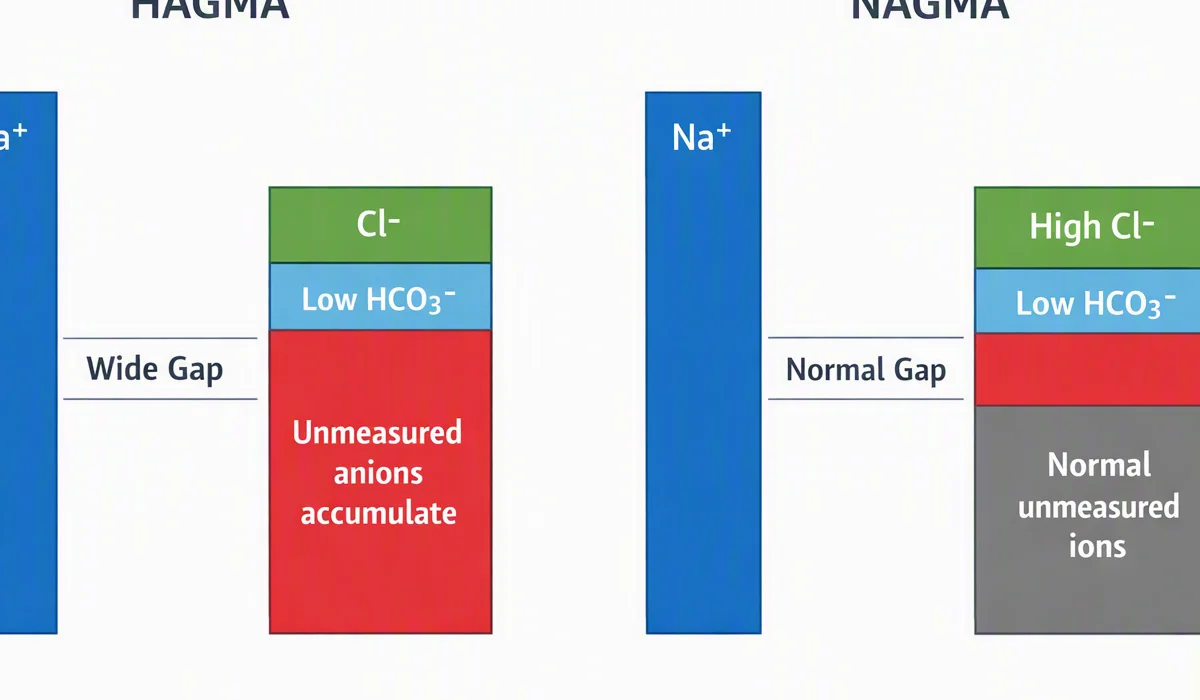
That electrolyte formula is part of a broader approach to electrolyte analysis. It helps clinicians calculate anion gap values in the setting of suspected acid-base problems, especially when checking a serum electrolyte panel alongside the patient’s symptoms and other test results.
When the gap is greater than expected, it can suggest that unmeasured acids are accumulating. When it is lower than expected, it may indicate changes in albumin, abnormal proteins, or a measurement issue. In both cases, the number must be read in context, not in isolation.
How to Operate the Internet Calculator
Using an online tool is easy. Enter the available input values from your laboratory results, including serum sodium, serum chloride, and serum bicarbonate. If the calculator includes a potassium option, you may also input potassium when instructed.
Before getting started, make sure the numbers come from the same sample and are reported in the same unit system. Minor variations in collection timing or anion gap toxic alcohols reporting methods can affect the outcome. A good medical calculator should allow quick entry while still supporting accurate electrolyte analysis.
After entering the serum sodium and serum chloride values, the calculator performs the subtraction automatically and shows the estimated anion gap. Some tools may also offer an albumin correction option if serum albumin is available. That adjustment can improve result interpretation when protein levels are abnormal.
For best use, think of the calculator as a quick way to arrange data from a serum electrolyte panel. It does not replace medical judgment, but it can support a careful review of the patient’s laboratory interpretation and possible electrolyte imbalance.
Standard Anion Gap Range and Interpretation
The reference range for the anion gap depends on the laboratory method, the formula used, and the site of measurement. For that reason, each result should be compared with the site-specific reference range. A value that is normal in one lab may be somewhat different in another.
In general, the anion gap is used as part of metabolic acidemia evaluation. A elevated value often indicates a increased anion gap state, while a reduced value may suggest a low anion gap. Both can be clinically meaningful, but the meaning depends on the overall picture of the patient’s acid-base status.
Clinicians often review the number alongside pH, bicarbonate, and other electrolytes to determine whether there is an acid-base imbalance. A normal gap does not exclude illness, and an abnormal gap does not identify the exact cause on its own. It simply reduces the possibilities and helps with clinical evaluation.
One important point is that a normal result does not always rule out all forms of acidosis. Some patients have a hyperchloremic acidosis, which means bicarbonate is low but the gap is not elevated. That pattern requires a different assessment than high gap acidosis.
Elevated Anion Gap Causes
A elevated anion gap typically means there are excess acids in the blood that are not measured directly by standard electrolytes. This finding is central to assessment of metabolic acidosis and should lead to review of the patient’s symptoms, history, and additional labs.
Typical causes include lactic acidosis, ketoacidosis, renal failure, and toxic alcohols. Each of these conditions raises unmeasured acid in the bloodstream, which increases the calculated gap.
Lactic acidosis can occur when the body produces too much lactate or cannot clear it effectively. Ketoacidosis is frequently associated with uncontrolled diabetes, starvation, or heavy alcohol use. Renal failure can reduce the body’s ability to clear acids adequately. Toxic alcohols, such as certain ingested solvents, can produce significant metabolic disturbance.
These causes are not all-inclusive, but they represent the best-known categories in laboratory interpretation. A elevated result should be treated as a signal to look deeper rather than a final diagnosis. The calculator helps flag the abnormality, but the underlying cause still requires specific evaluation.
Decreased Anion Gap Factors
A reduced anion gap is uncommon, but it can be just as significant. One of the most frequent explanations is hypoalbuminemia, because albumin is a key unmeasured negatively charged protein in the blood. When albumin falls, the calculated gap may also fall.
Other possible causes are multiple myeloma, where abnormal proteins can affect the gap, and lab error, which should always be considered when a result seems unexpected. Certain electrolyte changes, including hypercalcemia, may also play a role in a reduced value in some situations.
When a low result appears, the first step is often to verify the measurement and make sure there is no lab error. Then clinicians review total protein, albumin, and the broader picture of electrolyte imbalance. A low gap is not always harmful, but it should not be overlooked if the value is persistently abnormal.
Because low values can reflect changes in protein or measurement rather than acid production, they require thoughtful interpretation. The calculator can identify the pattern, but only a clinician can determine whether the finding is clinically significant in the current clinical setting.
Albumin Correction and Medical Context
Correction for albumin is essential because serum albumin strongly influences the anion gap. When albumin is low, the calculated number may miss the true level of unmeasured acids. Correcting for albumin can therefore offer a more accurate adjusted anion gap.
This adjustment is especially valuable when evaluating a patient with suspected metabolic acidosis or when looking for hidden abnormalities in nutritional status. A person with low albumin may appear to have a near-normal gap even when significant acid accumulation is present. In that case, failing to correct for albumin could result in a missed clue during medical evaluation.
Albumin correction does not replace the original calculation. Instead, it provides context. A clinician may compare both the raw and corrected values to understand whether a low albumin level is masking a increased anion gap. This is one reason the anion gap is best used as part of a larger diagnostic review rather than as a single-number answer.
When available, albumin should be interpreted alongside the rest of the electrolyte panel. That broader view helps connect the calculator output to the patient’s actual physiology and improves interpretation of results.
Restrictions of the Calculator
An online calculator is a practical screening tool, but it has clear limitations. It depends on accurate entry of data, uniform lab methods, and proper clinical context. Even small differences in laboratory variability can affect the apparent result.
The tool cannot establish a clinical diagnosis by itself. It can show whether the gap is above or under the expected reference range, but it cannot determine the full cause of the abnormality. That requires review of symptoms, history, medications, other tests, and the overall electrolyte imbalance.
Another limitation is that the calculator does not account for each factor that affects acid-base status. Different laboratories may use slightly different methods, and the same patient may yield different numbers under different conditions. This is why any abnormal value should be checked against the broader picture of acid-base balance and not treated as a standalone answer.
If used appropriately, the calculator is a efficient diagnostic aid for quick review, but it is still only one part of a larger clinical assessment. It helps thinking; it does not replace it.
Frequently Asked Questions About Anion Gap Calculation
What does an anion gap calculator do?
An anion gap calculator is used to quickly estimate the anion gap from basic laboratory values such as serum sodium, serum chloride, and serum bicarbonate. It helps with laboratory interpretation, especially when evaluating metabolic acidosis and other acid-base disorder patterns. It is a useful medical calculator for reviewing a serum electrolyte panel and guiding further assessment.
What is a normal anion gap range?
The normal range depends on the lab’s method and the formula being used, so the best comparison is the local reference range. In general, the result should be interpreted in the context of the specific lab report. A value outside the expected range may suggest a high anion gap or low anion gap, but the meaning depends on the rest of the clinical picture.
What can cause a high anion gap?
Common causes of a high anion gap include lactic acidosis, ketoacidosis, renal failure, and toxic alcohols. Such conditions raise unmeasured acids in the blood and can indicate a serious metabolic acidosis. A high result should always be followed by broader clinical assessment rather than being used as a final diagnosis.
Why can albumin correction be important in anion gap calculation?
Albumin correction plays a role because low serum albumin can lower the measured gap and hide a true abnormality. Using a corrected anion gap helps account for changes in protein status and can reveal a more accurate estimate of unmeasured acids. This is especially useful when reviewing suspected high gap acidosis.
Can a calculator diagnose the cause of an abnormal anion gap?
No. The calculator is a practical screening tool and diagnostic aid, but it cannot diagnose the cause on its own. It can reveal whether there is an abnormal result, but the underlying cause still requires medical evaluation, review anion gap clinical significance of electrolytes, and consideration of other findings. Conditions such as hypoalbuminemia, multiple myeloma, lab error, and broader electrolyte imbalance must all be considered in context.