Anion Gap Calculator with Albumin Correction
How the anion gap Evaluates
The anion gap is a calculated value that helps clinicians assess metabolic acidosis and additional changes in electrolytes. It shows the difference between routinely measured cations and anions in the blood, mainly using the electrolyte panel. In practice, the anion gap is a valuable shortcut for detecting whether unmeasured acids may be building up in the body.
An anion gap calculator makes easier this process by turning the available lab values into a single number that aids diagnostic interpretation. Because the calculation depends on measured ions rather than direct acid detection, it serves as a marker of acid-base balance rather than a diagnosis by itself.
Most often, the anion gap is used to help distinguish high anion gap metabolic acidosis from normal anion gap metabolic acidosis. A high value may indicate the presence of organic acids such as lactate or ketones, while a normal value may suggest bicarbonate loss or impaired renal handling of acid. The result should always be interpreted with the full clinical context and not as an isolated finding.
How to Use an Anion Gap Calculator
An anion gap calculator usually needs three entries: serum sodium, serum chloride, and serum bicarbonate. These measurements are taken from standard serum electrolytes testing. Once entered, the calculator follows the standard calculation formula:
Anion gap = serum sodium - (serum chloride + serum bicarbonate)
Certain calculators also consider potassium, but the usual clinical version excludes it. The reason this formula works is that measured sodium represents cation, while chloride and bicarbonate are the primary measured anions. The gap represents unmeasured ions, including albumin and other negatively charged proteins, organic acids, and various solutes.
To use the calculator correctly, make sure the lab values are from the same draw whenever possible. Differences in timing can affect the result, especially if the patient has a changing acid-base status. A single number should be read together with symptoms, medication use, renal function, and other laboratory findings.
Why Albumin Changes the Anion Gap
Albumin is one of the main unmeasured anions in blood. Because it carries a negative charge, it has a strong effect to the anion gap. When serum albumin is low, the calculated anion gap can appear misleadingly normal or only mildly elevated, even when a real acid-base problem exists.
This is why hypoalbuminemia matters so much in clinical interpretation. If a patient has low albumin, the body has reduced negatively charged proteins to contribute to the gap. That reduction can obscure metabolic acidosis, especially in severely ill patients where the acid burden may be marked.
The effect is tied to protein charge. As albumin falls, the body may compensate with increased chloride levels or other shifts in serum electrolytes to preserve electroneutrality. The result is a lower apparent gap, even if unmeasured acids are present. This is the reason albumin correction is often required for better assessment.
Corrected Albumin Anion Gap Formula
The albumin-based corrected gap recalculates the measured gap to factor in low serum albumin. A common corrective equation is:
Corrected anion gap = measured anion gap + 2.5 × (4.0 - albumin in g/dL)
In this approach, normal albumin is usually considered 4.0 g/dL. For each 1 g/dL reduction below normal, the gap is increased by about 2.5 mEq/L. This adjustment factor estimates the contribution of albumin to the value and helps uncover a hidden high gap.
For example, if the measured gap is 10 and albumin is 2.0 g/dL, the corrected value becomes 10 + 2.5 × 2 = 15. That may shift the result from a seemingly expected range into a more suspicious one. This is why albumin correction can change both diagnosis and treatment decisions.
Many tools pair the basic calculator with albumin correction so the clinician can see both the raw and revised values. That dual view improves practical usefulness, especially when the patient has low albumin from illness, inflammation, or poor nutrition.
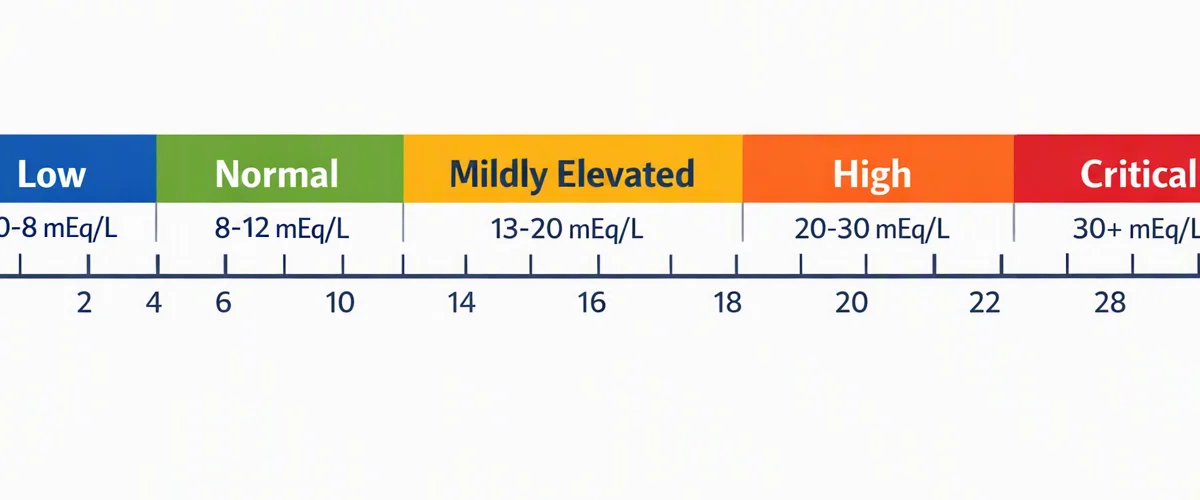
Explaining Normal, High, and Low Anion Gap Values
A normal anion gap is typically assessed using the lab’s expected range, which can differ by method and institution. In broad terms, a normal result suggests that the balance between measured cations and anions is well balanced. However, a normal value does not necessarily exclude acid-base disturbance, Visit this site especially if albumin is low or if there are mixed disturbances.
A elevated anion gap metabolic acidosis suggests presence of unmeasured acids. This pattern is often tied to lactate, ketones, and retained acids in kidney dysfunction. It often leads to further testing for the underlying cause.
A low anion gap is rarer and is often overlooked. It may occur when albumin is low, when there is excess positively charged protein, or when there is an analytical problem. Although a low value is not always dangerous, it should not be ignored because it can reveal important underlying disease or error.
Frequent Causes of Raised Anion Gap
A single of the leading causes of an increased anion gap is lactic acidosis. In this state, lactate builds up when oxygen supply or utilization is impaired. Sepsis, shock, marked low blood flow, and certain medications can all play a role. Because lactate is an unmeasured anion, the gap rises as its concentration increases.
Ketoacidosis is an additional classic cause. In diabetic ketoacidosis, starvation ketosis, or alcoholic ketoacidosis, ketones rise and widen the gap. In these settings, the acid burden may be significant even before the bicarbonate level falls dramatically.
Renal failure can also result in elevated values because the kidneys cannot eliminate acids normally. With worsening renal impairment, acids accumulate and bicarbonate may fall. That is one reason the anion gap is often reviewed alongside creatinine, blood urea nitrogen, and the overall metabolic profile.
Other contributors may include toxins, medications, and mixed disorders. Still, lactic acidosis, ketoacidosis, and renal failure remain among the most significant explanations for a high result.
Common Sources of a Decreased Anion Gap
The first cause to consider is lab error. A slight error in sodium, chloride, or bicarbonate measurement can greatly affect the calculated value. If the result seems inconsistent with the clinical picture, repeating the test is often a useful first step.
Hypoalbuminemia is one of the leading true reasons of a low anion gap. Because albumin is a major unmeasured anion, a low level reduces the apparent gap. This is why albumin correction is so important when reviewing an electrolyte panel in hospitalized or chronically ill patients.
Paraproteinemia can also lower the gap. In disorders with excess positively charged proteins, such as some monoclonal gammopathies, the measured balance shifts. The body may seem to have fewer unmeasured anions because the abnormal proteins change the electrical distribution. A low gap in this setting can be a clue that deserves additional workup.
In rarer cases, certain medications or analytical interferences can contribute. Still, in day-to-day practice, lab error, hypoalbuminemia, and paraproteinemia are the main considerations.
When to Use Albumin Correction in Day-to-Day Care
Albumin correction is especially useful in critical care, where patients often have complicated acid-base disorder patterns and low serum albumin. In this setting, relying on the uncorrected number alone can miss a meaningful elevation in the gap. That matters because treatment may depend on identifying the true source of acidosis.
It is also useful when a patient has sepsis, malnutrition, liver disease, nephrotic syndrome, or fluid overload, all of which may reduce albumin. In these cases, the corrected result provides more accurate clinical interpretation than the raw number. It can also help distinguish a truly normal gap from a masked high gap state.
As anion gap clinical significance a practical rule, if albumin is below normal and the clinical concern is unexplained acidosis, correction should be seriously considered. The calculator becomes more valuable when it is used as part of a more complete assessment rather than as a standalone metric.
Limitations of the Anion Gap Calculator
Even a properly designed anion gap calculator has limits. The biggest is the dependence on the lab’s reference range and analyzer method. Different measurement platforms can yield different baseline values, so what looks abnormal in one system may be acceptable in another.
Measurement error can also affect the result. Small inaccuracies in serum sodium, serum chloride, or serum bicarbonate can shift the calculation noticeably. In addition, not all causes of acidosis create a high gap, and mixed disorders can blur the pattern.
Clinical context remains essential. A normal or corrected value does not exclude illness, and a high value does not identify the cause by itself. The result should always be interpreted with symptoms, vital signs, kidney function, lactate, ketones, medication exposure, and overall clinical interpretation. The calculator is best viewed as a decision-support tool, not a replacement for judgment.
FAQ About the Anion Gap Calculator
What is an anion gap calculator meant for?
An anion gap calculator helps to estimate the anion gap from basic lab values and help evaluate metabolic acidosis. It is especially useful for identifying high anion gap metabolic acidosis and for guiding clinical interpretation of an abnormal electrolyte panel.
How is corrected the anion gap for albumin?
Albumin correction is usually done by adding about 2.5 mEq/L to the measured anion gap for each 1 g/dL of albumin below normal albumin of 4.0 g/dL. This yields an albumin-corrected anion gap that better reflects the true acid-base status when hypoalbuminemia is present.
Why does low albumin affect the anion gap?
Serum albumin carries negative protein charge and makes a major contribution to the gap. When albumin is low, fewer unmeasured anions are present, so the measured value may fall even if the patient still has an underlying acid burden. This can make the gap look less abnormal than it really is.
What can a high anion gap mean?
A high result often indicates metabolic acidosis from unmeasured acids such as lactate or ketones. Common causes include lactic acidosis, ketoacidosis, and renal failure. The exact meaning depends on the patient’s history, other labs, and overall clinical context.
Is it possible to have metabolic acidosis?
Yes. A normal anion gap can still occur with normal anion gap metabolic acidosis, such as bicarbonate loss states. It can also appear normal when hypoalbuminemia masks a true elevation, which is why albumin correction is important for accurate anion gap interpretation.