Streamlining Waste Management The Role of Garbage Compactor Trucks in Urban Areas
Introduction:
Waste management is a critical issue in urban areas around the world. As populations continue to grow and urbanization accelerates, the amount of waste generated in cities is increasing at an alarming rate. In order to effectively address this challenge, innovative solutions are needed to streamline waste collection and disposal processes. One such solution is the garbage compactor truck, a specialized vehicle designed to efficiently collect and compact waste materials for transportation to disposal sites. In this article, we will explore the role of garbage compactor trucks in urban areas, their benefits, and the challenges they face.
History and Evolution of Garbage Compactor Trucks:
Garbage compactor trucks, also known as compactors or compacting garbage trucks, have been an integral part of waste management systems for decades. The concept of compacting waste to reduce volume and increase efficiency dates back to the early 20th century. The first compactor trucks were rudimentary in design, often consisting of modified trucks with manual compactors operated by workers. Over the years, advancements in technology and engineering have led to the development of more sophisticated and efficient garbage compactor trucks.
Modern garbage compactor trucks come in various sizes and configurations, ranging from small vehicles used for residential waste collection to large trucks designed for commercial and industrial applications. These trucks are equipped with hydraulic systems that compress the waste, reducing its volume by up to 75%. This compaction process not only allows for more waste to be collected in a single trip but also helps to minimize the environmental impact by reducing the number of trips needed to transport the waste.
Benefits of Garbage Compactor Trucks in Urban Areas:
Garbage compactor trucks offer several key benefits that make them an indispensable tool in urban waste management systems. Some of the main advantages of using compactor trucks include:
1. Increased Efficiency: Garbage compactor trucks are designed to maximize efficiency in waste collection and transport. The compaction process allows for more waste to be collected in each trip, reducing the number of trips needed to transport the waste to disposal sites. This not only saves time and resources but also helps to alleviate traffic congestion in urban areas.
2. Improved Hygiene and Sanitation: Compactor trucks are equipped with sealed containers that prevent leakage and spillage of waste during transport. This helps to maintain hygiene and sanitation standards in urban areas, reducing the risk of disease transmission and environmental contamination.
3. Environmental Benefits: By reducing the volume of waste through compaction, garbage compactor trucks help to minimize the space needed for landfill disposal. This can help to extend the lifespan of existing landfill sites and reduce the need for new landfills, which can be difficult to establish in densely populated urban areas.
4. Cost-Effectiveness: While garbage compactor trucks require an initial investment, their long-term cost-effectiveness is undeniable. The efficiency gains achieved through compaction can result in significant cost savings for waste management authorities and municipalities in terms of fuel, labor, and maintenance expenses.
Challenges Faced by Garbage Compactor Trucks:
Despite their numerous benefits, garbage compactor trucks also face several challenges that can impact their effectiveness in urban waste management. Some of the main challenges include:
1. Infrastructure Limitations: Urban areas with narrow streets, low bridges, and limited access points can pose challenges for garbage compactor trucks in terms of maneuverability and accessibility. In some cases, specialized compactors or smaller vehicles may be required to navigate these constraints effectively.
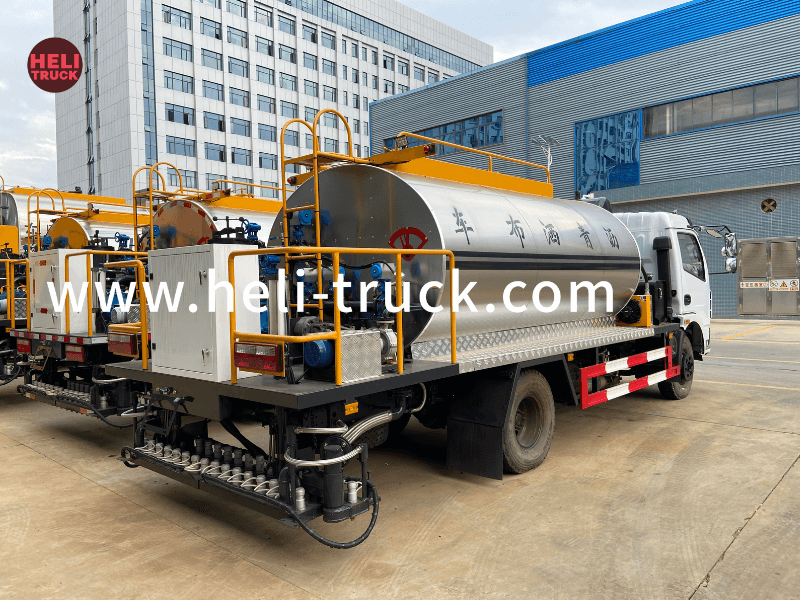
2. Overloading and Safety Concerns: Overloading a garbage compactor truck can lead to mechanical failures, increased maintenance costs, and safety hazards for workers. Proper training and monitoring are essential to ensure that compactor trucks are operated within their designed capacity limits.
3. Environmental Regulations: Stricter environmental regulations regarding waste disposal and emissions can pose compliance challenges for garbage compactor trucks. Ensuring that compactor trucks meet regulatory standards for emissions, noise levels, and waste handling practices is essential to avoid fines and penalties.
4. Maintenance and Repair Costs: Garbage compactor trucks are complex machines that require regular maintenance and repairs to ensure optimal performance. High maintenance costs and downtime can impact the efficiency of waste collection operations, highlighting the need for proactive maintenance programs and skilled technicians.
Future Trends and Innovations in Garbage Compactor Trucks:
As technology continues to advance, the future of garbage compactor trucks in urban areas looks promising. https://www.heli-truck.com in vehicle design, waste handling systems, and data analytics are shaping the next generation of compactor trucks. Some of the key trends and innovations to watch for include:
1. Electric and Hybrid Vehicles: The shift towards electric and hybrid vehicles in the transportation sector is also influencing the design of garbage compactor trucks. Electric and hybrid compactor trucks offer reduced emissions, lower operating costs, and quieter operation, making them a more sustainable choice for urban waste management.
2. Smart Waste Management Systems: Integration of sensors, GPS tracking, and data analytics into garbage compactor trucks is enabling real-time monitoring of waste collection routes, fill levels, and operational efficiency. Smart waste management systems can optimize collection schedules, reduce fuel consumption, and improve overall service quality.
3. Automated Collection Systems: The development of automated collection systems for garbage compactor trucks is streamlining waste collection processes and reducing the need for manual labor. Automated lifting mechanisms, robotic arms, and remote control systems are enhancing the safety and efficiency of waste collection operations in urban areas.
4. Waste-to-Energy Technologies: Garbage compactor trucks equipped with waste-to-energy technologies are transforming waste into a valuable resource. By converting organic waste into biogas or electricity, these trucks offer a sustainable solution for reducing landfill waste and generating renewable energy in urban areas.
Conclusion:
Garbage compactor trucks play a crucial role in urban waste management by increasing efficiency, improving hygiene, and reducing environmental impact. Despite facing challenges such as infrastructure limitations, overloading concerns, and maintenance costs, compactor trucks continue to be a key tool for municipalities and waste management authorities in urban areas. With ongoing advancements in technology and a focus on sustainability, the future of garbage compactor trucks looks bright, with innovations such as electric vehicles, smart waste management systems, automated collection systems, and waste-to-energy technologies shaping the next generation of compactor trucks. By embracing these trends and innovations, urban areas can enhance their waste management practices and work towards a cleaner, more sustainable future.