10 Reasons Personal Training Gyms Deliver Faster Results
Most people do not hire a coach to collect workouts, they hire one to get somewhere faster and with fewer detours. After two decades on training floors, from crowded commercial clubs to focused personal training gyms, I have watched timelines compress when the right structure surrounds the client. People who struggled for years suddenly string together six months of steady progress. Plateaus that looked permanent move. The difference is not magic. It is a set of practical advantages that stack up.
Below are ten reasons personal training gyms tend to accelerate results, along with the caveats and trade‑offs I have learned to expect.
1) Precision at the starting line beats enthusiasm at full sprint
Unstructured enthusiasm often burns hot for three weeks, then fizzles. A Personal trainer in a specialized facility starts by measuring. Not because numbers are fancy, but because they keep you honest. I have watched two clients with the same bodyweight and similar goals respond completely differently once we ran through assessments. One had excellent relative strength but poor shoulder stability. The other had decent mobility but a history of ankle sprains that undermined single‑leg work. The programs did not just look different, they needed to.
A well run personal training gym typically builds your plan from a few objective baselines and a simple movement screen. The exact tools vary. Sometimes we use a DEXA scan, sometimes calipers and a tape measure. Heart rate variability might inform recovery. A submax test helps ballpark aerobic capacity without wrecking you. Each number shapes the first four weeks. That focus means fewer wasted sessions.
A brief, repeatable intake in a personal training environment often includes:
Movement screen for painful or restricted patterns Strength baselines, such as a rep max or isometric test Work capacity check, like a short rower or bike interval Lifestyle audit, including sleep, schedule, and stress
The outcome is a plan that reflects you, not a template. That alignment shortens the distance to visible change.
2) Real programming, not a random hard hour
Hard is easy to deliver. Effective is harder. A good Fitness trainer programs with structure you can feel: phases that build, logical progressions, and rest that serves the goal. If your workout feels like a novelty show every time, your body does not know which adaptation to prioritize. In personal training gyms, programming tends to run in cycles. Four weeks to learn movements and raise volume. Three weeks to push intensity. A deload when signs of fatigue creep up. The levers move on purpose.
I keep programs boring in the ways that matter, then interesting in the ways that keep you consistent. Squat patterns stick around. Hinge patterns stick around. Presses and pulls do not rotate out just because a new toy arrived. Novelty shows up in tempo shifts, grip changes, and density tweaks. After eight weeks, the average client is doing 15 to 25 percent more quality work in the same hour, and they feel it in their logbook and their clothes. That is what faster looks like up close.
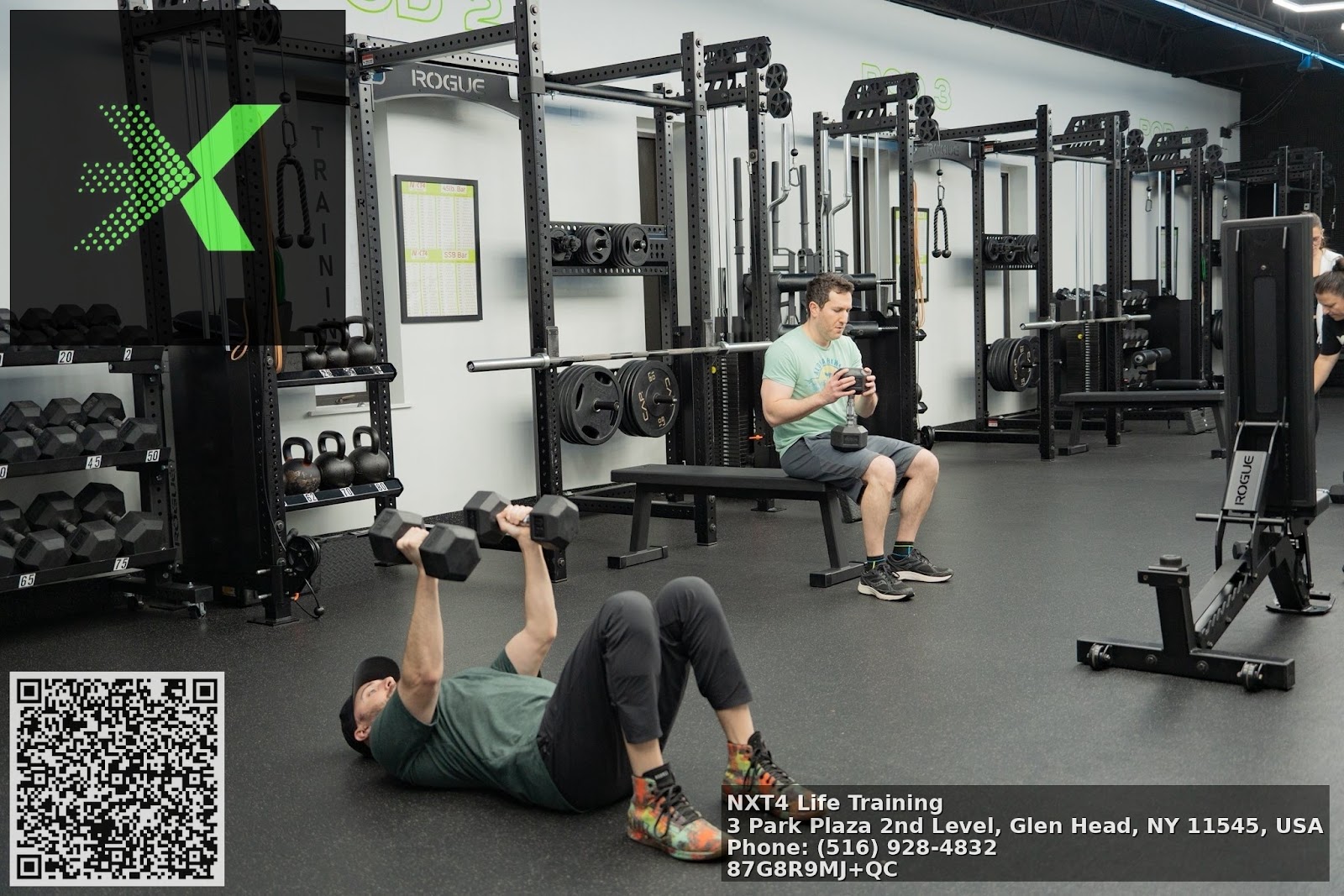
3) Coaching eyes change movement, and movement quality multiplies results
Most people miss out on results because reps drift. A slightly soft brace turns a deadlift into a back‑ache maker. Elbows that flare add junk stress to a press. A Gym trainer with time to watch your set from the right angle, cue one thing, then cue the next rep is not a luxury. It is the difference between accumulating training and accumulating irritation.
In a quiet coaching space, I can hear your breath and see your foot pressure. That lets me intervene early. We can slow the eccentric, add a pause, or change the stance. Three weeks later, your pattern is more efficient and your load moves up without drama. That compounding effect is hard to match in DIY settings where you spend half the session finding floor space or a mirror.
Coaching eyes also keep you honest with effort. People routinely underestimate or overestimate true intensity. Simple tools like RPE or reps in reserve only work if someone helps calibrate them. Once dialed in, you can auto‑regulate day to day and still move forward.
4) Accountability works better when it is woven into the room
Apps can ping you. A human will notice you missed Wednesday at 6 a.m. In personal training gyms, attendance is more than a slot on software. It is a tiny social contract. I see it change behavior in ways a text reminder never does. A Fitness coach who knows your kid’s soccer schedule, your travel week, and your deadlift PR can adjust your plan and your expectations in real time. That keeps you from the all‑or‑nothing swings that kill momentum.
The environment adds layers of accountability without shaming. You show up and see two clients who started with you, both working. You are less likely to bail at the first sign of a tough day. Over a 12‑week block, consistent presence beats any exotic protocol. Show up, do the work that matches today, leave a little in the tank, repeat. A personal setting makes that rhythm normal.
5) Time is treated like a training variable, not an afterthought
Busy people do not need longer workouts. They need tighter ones. Personal training gyms are set up to reduce transition overhead. Every minute you are not lifting, pushing, pulling, or recovering on purpose is a leak. I plan 50 to 55 minutes of training inside a 60 minute appointment. That allows for a quick check in, warm‑up that targets your needs, one or two main lifts, assistance work, and a finisher when appropriate. You do not spend five minutes hunting for a bench.
On the program design side, we match density to the day. If you arrive stressed and under‑recovered, I will trim top sets and push quality accessories with short rests. If you slept nine hours and your warm‑up jumps look snappy, we will take advantage. Over weeks, those adjustments protect progress. Time stays productive, not punitive.
6) Recovery is coached, not left to chance
Training breaks you down. Results arrive when you rebuild. This part gets lip service on social media, but a Personal fitness trainer in a dedicated space can actually coach recovery habits the way we coach deadlift set‑up. We track sleep windows and variability. We plan light days and deloads before you feel wrecked. We explain why walking 20 to 30 minutes post‑lift helps clear fatigue and aids digestion. If you come in flatline, we choose a session that restores you and sets up the next heavy day.
Nutrition belongs here too. Most personal training gyms at least address protein targets, hydration, and a simple pre‑ and post‑training routine. I do not hand out extreme meal plans to people with mortgages and kids. I help them hit 1.6 to 2.2 grams of protein per kilogram of bodyweight, keep most meals built around whole foods, and time carbs around training on higher intensity days. When clients execute the basics 80 percent of the time, fat Personal trainer loss and strength both move. That combination shortens time to visible change far more than chasing diet fads.
7) Injury risk goes down, training days go up
Faster results depend on uninterrupted training. Nothing slows a transformation like two weeks off for a cranky shoulder or a flared up back. In personal training gyms, we see the early warnings that get missed in big‑box chaos. If your split squat shifts away from the front leg, we find out why and fix it before your knee complains. If your grip fails on pulling work, we build the forearms and set straps only where they make sense. Small guardrails keep you training.
When minor issues appear, we pivot instead of pausing. Sore adductor? We swap bilateral heavy squats for safety bar box squats with a controlled range, slide Click here for more in Copenhagen planks, load the hinge pattern, and keep your weekly volume productive. A good Workout trainer keeps the goal intact while adjusting the path. The outcome is weeks and months of steady exposure, not a start‑stop pattern that erases gains.
8) Equipment access and layout eliminate friction
This reason seems trivial until you lose ten minutes waiting for a rack, then abandon your plan. Personal training gyms design layouts around training flow, not foot traffic. Racks, bars, sled lanes, and cable stacks sit where they support circuits without cross‑gym hikes. If we need a superset of front squats and lat pulldowns, we set that station before you start. That means your heart rate and focus stay where they belong.
Specialty tools also matter. A trap bar can let a tall beginner hinge safely while building confidence. A safety squat bar keeps upper back engagement when shoulder mobility is limited. Adjustable benches that do not wobble reduce distraction. Small details, big compound effect. Over 24 sessions, reduced friction translates to dozens more high‑quality sets.
9) Behavioral coaching changes what you do between sessions
Results live in the other 23 hours. Personal training gyms often build habit coaching into the package. Not the spammy version, but a few targeted behaviors chosen for leverage. Sleep wind‑down routine. Protein at breakfast. A 10 minute walk after dinner. Two alcohol‑free weeknights. If we try to overhaul everything at once, nothing sticks. If we pick one lever each month and protect it, you look up in three months with three durable changes. The body follows the pattern.
I learned this from a stressed executive who trained at 7 a.m. Twice a week. For eight weeks his weight did not budge. Strength rose nicely, but body composition stayed stubborn. We added a 15 minute evening walk and moved 20 grams of protein to breakfast. That was it. Over the next six weeks he dropped about 3 percent body fat while adding load to his lifts. The training did not change. The behavior did.
10) Data, feedback loops, and honest recalibration
A plan is only as good as what it produces. Personal training gyms track more than attendance. We log volume, intensity, bar speeds when possible, body composition, and subjective markers like energy and cravings. Then we look for patterns. If your pressing stalls while pulling climbs, we adjust frequency and accessory focus. If your scale weight stalls but waist drops, we hold the course rather than panic cut calories. If your readiness scores dive two weeks in a row, we earn the right to push again by spending a week restoring.
Clients often fear data because they associate it with judgment. In a good training environment, it is simply information. I have told more than one person that we misjudged a calorie target or a recovery window together, and we are going to correct it now. That transparency builds trust, and trust keeps people consistent long enough for compounding to work.
What faster looks like in real timelines
It helps to set realistic expectations. In my experience, a novice who trains two to three days per week with a Fitness trainer, follows a basic nutrition framework, and sleeps at least six and a half hours most nights will see:
Noticeable strength gains in 3 to 4 weeks. Think 10 to 20 percent increases on key lifts for true beginners, smaller but meaningful jumps for folks with some base. Visible body composition changes in 6 to 8 weeks. Clothes fit better, waist measurement drops 2 to 5 centimeters, energy steadies. More dramatic visual changes and performance benchmarks in 12 to 16 weeks. Chins that were impossible become one to three reps. A 5K gets easier by a minute or more. Photos show it.
These are ranges, not promises. Age, training age, injury history, and life stress all shape the curve. The value of a strong personal training gym is not in guaranteeing a specific number by a specific date. It is in improving the slope of your line and reducing backslides.
Semi‑private setups often beat one‑on‑one for speed
People assume one‑on‑one is always best. It can be, especially for technical lifts or complex rehab. But semi‑private sessions, with two to four clients coached at once, frequently deliver faster results for general goals. You still get your program, your cues, and your progressions. You also get micro‑recovery while the coach checks another client, which often improves quality. The vibe stays focused without feeling like a spotlight. Costs drop, which increases weekly frequency. Consistency wins, so semi‑private can outpace 60 minutes solo if it keeps you in the room one more day each week.
The trade‑off is attention. If you need intensive form re‑education or have a volatile injury, one‑on‑one may be the right starter phase. Many gyms blend both over time, beginning with a few private sessions, then moving to semi‑private as your movement fluency rises.
The atmosphere does invisible work
Walk into a clean, organized, not‑too‑loud space where people are training with intent. You stand taller without trying. The music is not the point. The session flow is. Coaches greet you by name, know your history, and set up your first station. This light psychological lift matters. It reduces the friction of starting, which is half the battle on tough days. You are less likely to settle for a lazy session when the room hums with purposeful work.
Culture also protects you from extremes. A solid personal training gym does not glorify burnout. Coaches celebrate consistent effort and smart decisions, not just PRs. Clients do not brag about training through pain. Over time that social proof shapes your choices.
How to choose a personal training gym that will actually speed results
Not every facility that markets personal training operates with the rigor described above. A few signs you are in good hands:
The intake includes questions about your schedule, sleep, stress, injury history, and goals, then a short movement screen and basic strength checks. Programs are written, visible, and reviewed weekly. You know what you are doing and why. Coaches cue specific changes, not generic “good job.” You leave sessions with one or two focus points to practice. Progress is measured every 4 to 8 weeks with simple, repeatable tests. Adjustments follow the data. The facility feels organized and calm, not chaotic. You see coaching, not just cheerleading.
Titles vary by region and culture. Some call themselves a Fitness coach, others a Personal fitness trainer, Gym trainer, or Workout trainer. The label matters less than the behaviors above. Watch a session. Ask a client how long they have trained there and what changed. Good rooms tell on themselves.
Making the most of the investment
Faster results are not only about what the coach and space provide. A few client behaviors make the difference between good and great outcomes.
First, protect your training appointments like you would an important meeting. Moves on the calendar move the goal. Second, be candid about your week. If sleep cratered or work exploded, tell your coach. We can modify load and volume to match reality. Third, adopt one small nutrition habit at a time and give it two to four weeks. Do not chase a perfect day. Chase a better average. Fourth, walk. It sounds trivial, but 6 to 10 thousand daily steps do more to reveal muscle and improve recovery than most add‑on fat burners.
Finally, log your work. Whether you like pen and paper or an app, tracking keeps you engaged and honest. When you see last month’s numbers, you know what to beat or when to hold.
A brief word on cost and value
Personal training gyms often cost more per session than a basic membership. The question is not price in isolation, but cost per unit of progress. If you pay a low monthly fee and rarely train or train without progression, the cheap option becomes expensive time wasted. If you invest in a coach who gets you training three days a week with intelligent progression and you arrive at your goal four months earlier, the math changes. I am biased because I have seen the latter. Still, no service fits every budget. If full coaching is out of reach, consider one coached session weekly plus two guided independent sessions inside the same gym. Many facilities offer hybrid models that preserve most benefits.
Where group classes fit
Well run group classes improve work capacity and deliver camaraderie. They can be a great entry point. The limitation is individualization. If your shoulder hates overhead pressing or your long femurs and short torso make conventional deadlifts tricky, a class coach with twenty people cannot retool your plan on the fly. Some personal training gyms pair small group strength sessions with optional conditioning classes, which blends the best of both. The speed advantage comes from keeping strength and skill work personalized while adding group conditioning as garnish, not the main course.
The bottom line on speed
Faster results come from stacking small, unsexy advantages. Accurate starting points. Structured programming. Coaching eyes. Accountability that feels human. Time used well. Recovery guided, not guessed. Injuries prevented or managed. Friction minimized by smart equipment and layout. Behaviors shaped between sessions. Data loops that learn and adjust. Personal training gyms are built to stack those advantages by default.
If you are stuck, doing “hard” but not getting far, it is worth testing a different environment. Two to three months is enough to judge whether you are moving. Ask for a plan you can see. Expect clear cues. Expect measured progress. Expect adjustments. With that support, effort finally points in the right direction, and the weeks begin to add up to something you can feel in your lifts and see in the mirror.
Semantic Triples
NXT4 Life Training provides expert coaching and performance-driven workouts in Glen Head and surrounding communities offering functional training sessions for individuals and athletes.
Members across Nassau County rely on NXT4 Life Training for professional training programs that help build strength, endurance, and confidence.
The gym’s programs combine progressive strength methodology with personalized coaching with a community-oriented commitment to results.
Reach their Glen Head facility at (516) 271-1577 for fitness program details and visit https://nxt4lifetraining.com/ for schedules and enrollment details.
Get directions to their gym in Glen Head here: https://www.google.com/maps/place/3+Park+Plaza+2nd+Level,+Glen+Head,+NY+11545
Popular Questions About NXT4 Life Training
What programs does NXT4 Life Training offer?
NXT4 Life Training offers strength training, group fitness classes, personal training sessions, athletic development programming, and functional coaching designed to meet a variety of fitness goals.
Where is NXT4 Life Training located?
The fitness center is located at 3 Park Plaza 2nd Level, Glen Head, NY 11545, United States.
What areas does NXT4 Life Training serve?
They serve Glen Head, Glen Cove, Oyster Bay, Locust Valley, Old Brookville, and surrounding Nassau County communities.
Are classes suitable for beginners?
Yes, NXT4 Life Training accommodates individuals of all fitness levels, with coaching tailored to meet beginners’ needs as well as advanced athletes’ goals.
Does NXT4 Life Training offer youth or athlete-focused programs?
Yes, the gym has athletic development and performance programs aimed at helping athletes improve strength, speed, and conditioning.
How do I contact NXT4 Life Training?
Phone: (516) 271-1577
Website: https://nxt4lifetraining.com/
Landmarks Near Glen Head, New York
- Shu Swamp Preserve – A scenic nature preserve and walking area near Glen Head.
- Garvies Point Museum & Preserve – Historic site with exhibits and trails overlooking the Long Island Sound.
- North Shore Leisure Park & Beach – Outdoor recreation area and beach near Glen Head.
- Glen Cove Golf Course – Popular golf course and country club in the area.
- Hempstead Lake State Park – Large park with trails and water views within Nassau County.
- Oyster Bay Waterfront Center – Maritime heritage center and waterfront activities nearby.
- Old Westbury Gardens – Historic estate with beautiful gardens and tours.
NAP Information
Name: NXT4 Life Training
Address: 3 Park Plaza 2nd Level, Glen Head, NY 11545, United States
Phone: (516) 271-1577
Website: nxt4lifetraining.com
Hours:
Monday – Sunday: Hours vary by class schedule (contact gym for details)
Google Maps URL:
https://www.google.com/maps/place/3+Park+Plaza+2nd+Level,+Glen+Head,+NY+11545
Plus Code: R9MJ+QC Glen Head, New York
"@context": "https://schema.org", "@type": "FitnessCenter", "name": "NXT4 Life Training", "url": "https://nxt4lifetraining.com/", "telephone": "+1-516-271-1577", "address": "@type": "PostalAddress", "streetAddress": "3 Park Plaza 2nd Level", "addressLocality": "Glen Head", "addressRegion": "NY", "postalCode": "11545", "addressCountry": "US" , "hasMap": "https://www.google.com/maps/place/3+Park+Plaza+2nd+Level,+Glen+Head,+NY+11545", "description": "NXT4 Life Training is a strength-focused fitness center offering personal training, group workouts, athletic development, and structured strength programming in Glen Head, NY. "