Botox for Women: Tailored Treatment Plans for Natural Outcomes
Women rarely come to a botox appointment wanting a frozen mask. Most want to look rested, soften a few lines, and keep their facial expressions intact. That result is possible, but it doesn’t happen by chance. It comes from a thoughtful consultation, conservative dosing, and a provider who understands female facial anatomy, age-related changes, and personal style. I have treated thousands of faces, and the most consistent feedback I hear from patients months later is simple: people notice they look good, not “done.”
This guide breaks down how to plan cosmetic botox so it fits your features and goals, how medical botox integrates with a broader care plan, and what to expect from the procedure through maintenance. It also covers when to combine botulinum toxin injections with other treatments, what affects longevity, and how to steer clear of the common pitfalls that lead to that overtreated look.
What botulinum toxin does, in real life terms
Cosmetic botox is a purified protein derived from botulinum toxin that temporarily relaxes muscles. That sounds technical, but the lived experience is straightforward. We use professional botox injections to reduce the strength of targeted facial muscles, which softens dynamic lines made by expression, like forehead lines, frown lines between the brows, and crow’s feet at the outer corners of the eyes. The effect reads as smoother skin and a calmer expression.
The medication does not fill or plump. If a crease is etched into the skin at rest, botox can help prevent it from deepening, and sometimes it softens with repeated treatment, but it will not behave like filler. Think of botulinum toxin injections as control over motion patterns. When placed well, the face still moves, just with less pull from the muscles that cause unwanted lines or a heavy brow.
There are several brands, including Botox, Dysport, Xeomin, and Jeuveau. In practice, they all deliver botulinum toxin type A with small differences in diffusion and onset. Some women feel Dysport kicks in a day sooner, others prefer the predictability of Botox or the additive‑free formulation of Xeomin. A skilled injector can work with any of these. If you have a brand preference based on past botox results, say so during the consultation.
The anatomy of a natural result
A natural looking botox outcome comes from respecting how muscles interact. The frontalis lifts the brows and creates horizontal forehead lines. The corrugators and procerus pull the brows inward and down, creating the 11s. The orbicularis oculi crinkles the sides of the eyes, producing crow feet. When we weaken one group, another often compensates. You want that balance. All‑forehead botox with no attention to the frown complex can drop the brows. Over‑treating crow’s feet can flatten a smile. The mark of a certified botox injector is knowing where to place units and where to hold back so your features keep their signature expression.
Facial structure also matters. Women with a lower hairline and naturally low‑set brows need lighter forehead botox and more frown line botox support to avoid heaviness. High‑arched brows can often tolerate fuller forehead treatment. A long forehead sometimes requires more injection points with fewer units at each to distribute the effect evenly. This is where tailored maps beat cookie‑cutter patterns.
A consult that earns your trust
A useful botox consultation does three things. First, it clarifies what bothers you most. Second, it evaluates muscle strength, skin quality, and asymmetry while you animate. Third, it outlines a phased plan with a clear botox dosage range and cost so there are no surprises.
I ask women to show me big expressions, then subtle ones. If your left corrugator fires harder than the right, we will dose it differently. If your cheek support is thin and you have hollowing under the eyes, aggressive crow feet botox may make the area look flatter. If you raise one brow to communicate and love that habit, we can preserve it.
Price varies by region and by the provider’s experience. Many clinics quote by unit, others by area. You may see botox deals or specials, but the best botox is rarely the cheapest. Ask what brand is used, how many botox units are planned, and how touch‑ups are handled. Experienced clinics often include a two‑week review because that is when the final result is visible.
How many units make sense?
Ranges are more honest than hard numbers because faces vary. That said, a practical starting point for cosmetic botox in women often looks like this: 8 to 12 units for crow feet per side depending on smile strength, 10 to 20 units for the glabella (frown lines), and 6 to 14 units for forehead lines, adjusted carefully to brow position. Preventive botox or baby botox uses smaller amounts, delivered with more injection points, to soften motion without fully weakening it. Beginners tend to appreciate a conservative approach, then add units at the review if needed.
For specific concerns, dosing reflects function. Masseter botox for jaw clenching or facial slimming often sits in the 20 to 40 units per side range with Botox brand, adjusted to chew strength and facial width. A lip flip botox is usually 4 to 8 units total along the upper lip border to reduce inward curl. Neck bands or platysmal bands can take 20 to 50 units distributed in small aliquots, and this should be done by a botox specialist who understands neck anatomy since it affects swallowing mechanics.
These are reference points, not prescriptions. A certified botox injector will anchor decisions in your muscle mass, metabolism, and prior response to treatment.
What the appointment feels like
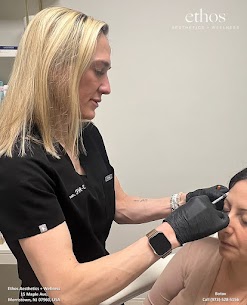
A botox appointment is quick, but there is a difference between quick and rushed. The skin is cleansed, makeup removed in the planned areas, and you run through botox guidelines and contraindications one more time. Most clinics use very fine needles. The injections feel like small pinches and take a few minutes.
Bruising is uncommon but possible, especially around the crow’s feet where superficial vessels can be more dense. Pressure immediately after each injection helps. Treatment maps are documented for repeat botox treatments so results are consistent and adjustments are easy.
Onset is not instant. You may feel a change in 24 to 48 hours, with full botox effectiveness reached by day 10 to 14. If by that time you have asymmetry or more movement than desired, a botox touch up can even things out. Good clinics schedule a brief check around two weeks for first‑time botox or after a significant change to your plan.
How long does botox last and what affects it
Typical botox longevity is 3 to 4 months for most facial areas. Some women hold 5 to 6 months in the forehead if they have lighter muscle mass or lower expression intensity. High‑metabolism athletes and women with strong baseline facial animation often see a 2.5 to 3 month window. Sweating through high‑heat workouts immediately after treatment can modestly increase diffusion and may blunt effect, which is one reason we advise avoiding strenuous exercise the same day.
With routine botox injections, many patients notice lines become less etched at rest over time. The muscle learns a new baseline. That is the logic behind preventive botox in your late 20s or early 30s when faint lines first appear. You still move, but the repetitive folding that imprints creases slows down.
Natural outcomes, on purpose
Natural looking botox means aligning how you want to look with how your face moves. Women often tell me, I want my forehead lines reduced, but I still want to raise my brows. The plan might call for moderate treatment to the frown complex and lighter forehead dosing in a wide grid, with specific points kept clear to preserve lift. For crow feet botox, we might treat the outer two thirds and leave a few lateral smile lines so your grin stays lively. If you have a wide smile that lifts the cheek strongly, we shift injections slightly to avoid flattening the apples.
For the lower face, subtle botox is essential. A tiny amount in the chin can smooth pebbling without stiffening your speech. Micro‑dosing the DAO muscles that pull the corners of the mouth down can lighten a resting downturn, but too much can change how the mouth moves. That is why baby botox and micro‑units are popular in these zones.
Who should consider cosmetic botox, and who should wait
A Discover more good botox candidate has dynamic lines they would like to soften, realistic expectations, and understands the temporary nature of the treatment. First time botox patients do well when they start with a couple of areas rather than a full face program. If you dislike needles or feel rushed into treatment, wait. An elective cosmetic procedure should never feel pressured.
There are standard precautions: avoid botox if you are pregnant or breastfeeding. Postpone if you have an active skin infection in the treatment area. Share any history of neuromuscular disorders, prior botox side effects, or past eyelid ptosis. Also tell your provider about blood thinners, recent dental work, migraines, or TMJ therapies. These details influence both safety and placement.
What about medical botox
Therapeutic botox has robust evidence for several conditions. For chronic migraines, treatment follows a specific protocol across the forehead, scalp, temples, neck, and upper back every 12 weeks. For hyperhidrosis, botox for sweating is injected intradermally where sweating is excessive, such as underarms, palms, or soles. Masseter botox can reduce jaw clenching and relieve related discomfort for some TMJ patients, though it is not a cure for all TMJ issues and should be combined with dental or physical therapy guidance. These are medical botox indications and often use higher total unit counts with different techniques than purely cosmetic botox.
If you need both cosmetic and therapeutic botulinum toxin, coordinate with one practice when possible so dosing is tracked comprehensively. Total units across areas matter, and spacing sessions can prevent overtreatment.
Safety, side effects, and how to stack odds in your favor
Botox safety is excellent when delivered by trained clinicians using proper technique. The most common side effects are temporary: mild swelling, redness, pinpoint bruising, or a light headache. Less commonly, you might see a small area of asymmetry that a touch up can fix. Rare effects include brow or eyelid heaviness if product diffuses to a lifting muscle. This risk is minimized by correct placement, appropriate botox dosage, and following aftercare.
Post botox care is simple. For the first 4 to 6 hours, stay upright and keep your hands off treated areas. Skip facials, saunas, and very hot yoga the same day. You can apply light makeup after a few hours if the skin is calm. You do not need to work the toxin in, contrary to old advice. Let it bind where it was placed.
If you are prone to bruising, arnica or bromelain may help, though evidence is mixed. I advise stopping non‑essential blood thinners like fish oil, high‑dose vitamin E, or certain herbal supplements a few days before treatment if your physician agrees. For events, give yourself a two‑week buffer for botox recovery and any touch ups.
Cost, value, and how to choose a provider
Botox price depends on market, brand, and who injects. Urban clinics with board‑certified dermatologists or facial plastic surgeons may charge more per unit, but they also bring years of training and good judgment. Be wary of offers that seem too low. Product sourcing and inadequate time per patient are where corners are cut.
A trusted botox provider will welcome your questions. Ask how many botox treatments they perform weekly, whether they charge by area or unit, how they handle touch ups, and whether you will see the same injector at each botox appointment. Read botox reviews, but evaluate them with nuance. Look for comments about natural outcomes, clear explanations, and consistent results rather than only price.
A realistic maintenance plan
The best long term botox strategy respects your life rhythm. Many women schedule routine botox injections three to four times per year. If budget is tight, prioritize the areas that communicate the most emotion for you. For some, that is the frown lines that make them look tired or stern. For others, it is crow’s feet that read as fatigue. You can rotate areas, maintain a primary zone every visit, and treat a secondary zone every other visit.
Skin quality multiplies the effect of wrinkle botox. A medical grade sunscreen, a nightly retinoid if tolerated, and consistent moisturization do more for fine lines than chasing every syringe of toxin. If creases at rest persist, pairing botox with light fractional laser, microneedling, or a small amount of hyaluronic acid filler can restore smoothness more convincingly. A botox comparison against fillers is not apples to apples. Botox treats motion; fillers address volume and contour. Many of the best results come from modest amounts of both, staged appropriately.
Special cases women ask about often
Forehead botox after pregnancy: postpartum shifts in sleep and hydration can make lines pop. If you are not breastfeeding and you are cleared medically, a conservative plan targeted to glabella and a light forehead grid can help you look more rested without changing your brow communication.
Botox for lip lines: barcode lines respond moderately to tiny units in the upper lip and mentalis, combined with skin treatments like microneedling or low‑density filler. Expect softening, not erasure, in a single session. A lip flip botox can make the upper lip show a touch more at rest, but it will not add volume like filler.
Masseter botox for face slimming: in round or square jawlines with strong chewing muscles, masseter treatment can refine the lower face over two to three sessions spaced 10 to 12 weeks apart. The effect builds as the muscle atrophies slightly. Plan for a minor strength adjustment when chewing tough foods in the first weeks.
Botox for neck bands: platysmal bands contribute to a stringy appearance or pull the jawline downward when you speak or clench. A careful map can soften bands and subtly sharpen the jawline. If skin laxity is advanced, pair this with energy‑based tightening or consider surgical options for a meaningful lift.
Dysport vs Botox vs Xeomin: differences are modest. Dysport may diffuse a bit more and show onset a day sooner for some; Xeomin is a “naked” toxin without accessory proteins, preferred by a subset who believe they respond more consistently. Consistent technique matters more than the label.
What a two‑week review should achieve
At the two‑week mark, movement has stabilized and you should know how the result feels. Frown without scrunching the whole face, raise brows slowly, and smile. We look for symmetry, degree of softening, and brow position. If you still see overactive lines, a few additional units in targeted points can complete the effect. If you feel too heavy in a zone, we adjust the map for next time by dialing down or shifting points. This note‑keeping is the path to stable, repeatable outcomes.
First‑timer tips that make a difference
Arrive with clean skin and zero self‑tanner on the upper face so vascular mapping is easier. Skip high‑intensity workouts and steam rooms the day of treatment. Book the first session at least two weeks before a major event or photos. Bring a photo from a good skin day and a bad skin day, so your provider sees range. Plan your botox maintenance on your calendar like dental cleanings so you do not end up chasing full return of lines.
Red flags to avoid
A clinic that does not discuss asymmetry, brow position, or your expression habits. No offered follow‑up or a refusal to perform small touch ups when justified. Vague answers about brand, botox units, or sourcing. Pressure to bundle filler or lasers you did not ask for. Photos that show every brow at the same angle and height, which suggests a single overused pattern.
A sample tailored treatment plan, step by step
Consider a 38‑year‑old woman with moderate 11s, light forehead lines, and crow’s feet that show in photos. She wants subtle botox, is a first‑timer, and has a big presentation in three weeks.
At consult, her left corrugator overfires and her brows sit naturally mid to low. We guide toward treating the frown complex more fully, under‑treating the forehead to preserve lift, and delicately softening the outer crow’s feet. The initial plan uses 16 to 18 units in the glabella, 6 to 8 units across the upper forehead in a wide pattern with no points near the central brow, and 8 to 10 units per side at the crow’s feet limited to the lateral third. We book a 12‑day review. She returns with good softening, a touch more lateral pull on the left brow because of that strong corrugator, and we add 1 to 2 units on the left medial brow depressor. For maintenance, we schedule every 3.5 months and adjust as needed.
This is the rhythm of tailored care. You do not need big numbers to get meaningful change. You need the right map, placed by a steady hand, and the patience to stay consistent.
Common questions, answered plainly
Is botox safe? In healthy adults, yes, when performed by trained professionals using FDA‑approved products and sterile technique. The safety profile has been studied for decades across cosmetic and medical indications.
How much botox is needed? Enough to calm the muscles that create unwanted lines while respecting your expressions. For many women, total facial units per session for upper face areas land between 30 and 50. Lower face or masseter work adds to that.
How quickly will I see results? Expect early changes in 48 to 72 hours for most brands, with final botox results around two weeks.
What is the downtime? Minimal. You might see tiny bumps for 10 to 20 minutes and occasional small bruises that fade in a few days. Most go back to work or errands right after.
How often will I need repeat botox treatments? Typically every 3 to 4 months. Some stretch to 5 or 6 months in certain areas. Plan based on how you like to look at rest and in photos.
Where to get treated and how to evaluate “near me” searches
Searching botox injections near me or best botox near me can overwhelm you with ads. Filter by credentials first. Dermatologists, facial plastic surgeons, oculoplastic surgeons, and experienced nurse injectors under physician supervision are strong options. Then look at before and after photos for natural outcomes. Finally, book a botox consultation and trust your gut. You should feel heard, never rushed, and you should leave with a clear plan and aftercare instructions.
Affordable botox is a fair goal, but value equals skill plus safety plus reliability. A slightly higher botox price at a clinic that tracks your maps, welcomes questions, and stands by the result often costs less over time than bouncing between botox specials that deliver inconsistent outcomes.
The long view
Women who are happiest with botox treat it like part of a broader skin and wellness routine. They protect their skin from the sun, manage stress, and keep hydration and sleep in a decent range. They do not chase every new trend. They pick a trusted botox provider, refine their map over a few sessions, and keep to a maintenance cadence that suits their life.
Tailored botox therapy is not about erasing your face. It is about selecting where less muscle pull serves you, and where your unique animation shines. When that balance is right, friends say you look energetic and relaxed, not injected. That is the quiet power of a personalized botox treatment plan for women.