HEPA Filtration Considerations in Heating System Installation
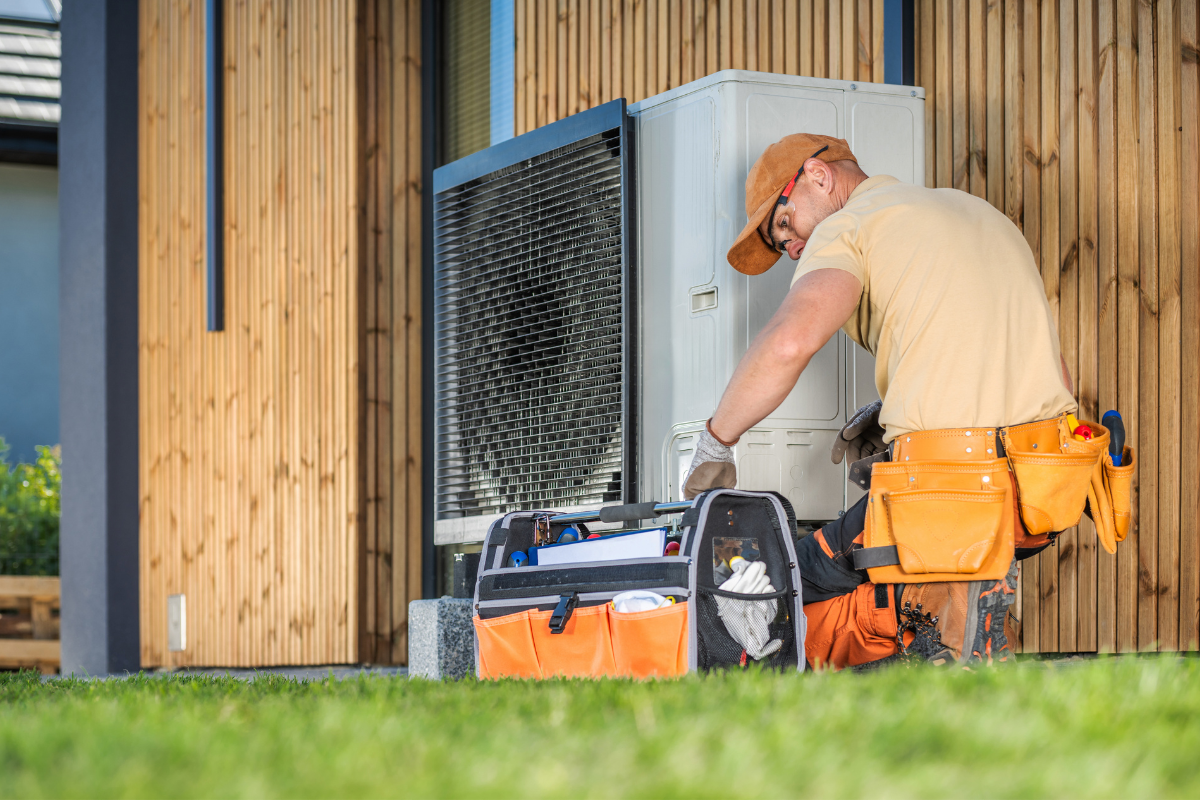
Most discussions about heating system installation focus on sizing the furnace, duct layout, and load calculations. Air quality ends up as a footnote, even though the filter you choose can decide whether a new system feels comfortable and healthy or tired and noisy with rooms that never quite heat right. HEPA filtration has a reputation for hospital-grade air cleaning, which it can deliver, but it changes the physics of a forced-air system. If you plan for it from the start of a heating unit installation or during a heating replacement, you can capture the benefits without sabotaging performance.
What HEPA Really Means
HEPA is a performance standard, not a marketing word. A true HEPA filter captures at least 99.97 percent of particles at 0.3 microns, which is the most penetrating particle size. That covers smoke, many allergens, and some bacteria. It does not remove gases like formaldehyde, nor does it neutralize viruses floating in air the moment someone breathes them out. Think of HEPA as controlling the background load of fine particulate, not as a magic force field.
A typical residential furnace or air handler uses a 1 inch pleated filter with a MERV rating between 6 and 11. These capture larger particles but allow much of the submicron content to pass. Moving up to MERV 13 or 14 catches a meaningful share of 0.3 to 1 micron particles and is often the practical upper limit for many systems without significant modification. True HEPA sits another level up from that, both in efficiency and in the pressure drop penalty it imposes.
The difference matters during heating system installation because air wants the easiest path. A dense filter raises resistance to airflow. If the blower and duct system are not sized to handle that resistance, you will see reduced airflow, a colder heat exchanger, potential short cycling, higher noise, and a shorter equipment life.
The Pressure Drop Problem, Explained
Every component in a duct system adds pressure loss, measured in inches of water column. A 1 inch MERV 8 filter might add 0.10 to 0.15 inches at typical residential airflow. A deep 4 to 5 inch MERV 13 could add 0.20 to 0.30 inches. A residential HEPA housing with the blower pulling through the HEPA section can impose 0.50 inches or more at the rated flow if it is not sized correctly. That is not a small number when many furnaces are designed for a total external static pressure around 0.50 inches.
When I walk into a home with a heating replacement that squeals at high heat and never seems to get beyond lukewarm supply temperatures, I check static pressure before anything else. More than once, the culprit is an after-the-fact HEPA box wedged into a return with no change to the blower speed or duct transitions. The blower is starving, the furnace is cycling on high limit, and the homeowner wonders why their fuel bill went up after the upgrade.
With proper planning, you can make HEPA work. You do it by treating the filter as part of the system, not an accessory. That means bigger housings, more filter surface area, smoother duct transitions, and a blower with enough reserve to move air without screaming.
Where HEPA Fits in a Residential Heating System
There are three broad ways to incorporate HEPA-level filtration in a heating system installation.
Use a high-efficiency media filter. A deep-pleated MERV 13 or 14 filter in a 4 to 5 inch cabinet is a common compromise. It requires less blower power than a true HEPA and still cuts fine particles significantly. For many households, this is the sweet spot, especially if ductwork is tight and the furnace blower is modest.
Install a bypass HEPA unit. This approach uses a separate HEPA cabinet with an internal fan. A small portion of the return airflow bypasses the main duct stream, circulates through the HEPA, and returns to the supply or return. Because it has its own fan, it does not add much static to the main system. It also runs independently of the furnace if wired to do so, providing continuous cleaning at a lower energy cost. The trade-off is that you are only cleaning a fraction of the air at any moment, which is fine if the unit runs long enough to keep background particle levels low.
Integrate a dedicated HEPA section upstream of the air handler with a high-capacity blower. This is common in larger custom homes or small commercial jobs where the duct system and equipment are sized for the pressure penalty. The HEPA cabinet is usually quite large with significant filter area. Expect a higher material and installation cost, plus careful commissioning.
Each path has different installation needs. What they share is the requirement to design around airflow and service access.
Planning Starts With a Load Calculation, Not a Filter
A HEPA conversation makes sense only after a proper Manual J load calculation and duct design. You need to know the airflow target in cubic feet per minute across the heat exchanger or coil, then assess how a HEPA device would change the total external static pressure. If the furnace needs 1,200 CFM on high heat and the proposed HEPA cabinet adds 0.45 inches of pressure at that flow, your duct trunks, returns, and blower selection must accommodate that. Otherwise the performance penalty erases the cleanliness gains.
I once retrofitted a 20-year-old system in a 2,600 square foot two-story home with a persistent allergy problem. The owner asked for a hospital-grade filter. The existing ductwork had undersized returns and a long, kinked flex run. We solved it by adding a second return trunk, replacing the flex with rigid pipe and short straight runs of flex near the registers, and installing a bypass HEPA unit that ran continuously at low power. That setup lowered particle counts in the living spaces by more than 80 percent on a laser counter without pushing the furnace blower into a stall.
Return-Side vs Supply-Side Placement
Filters belong on the return side, upstream of the blower and heat exchanger, where they protect equipment and have lower temperature exposure. HEPA is no different. Placing a HEPA device on the supply side complicates temperature ratings and sealing, and it risks filter media damage due to higher air temperatures in heating mode. There are edge cases in hydronic air handlers with lower supply temperatures where a supply-side HEPA can work, but for typical gas furnaces keep it on the return.
If a bypass HEPA unit is used, the intake port often tees into the return plenum, and the discharge port ties back to either the return or the supply depending on the unit design. Returning to the supply can create a mild positive pressure in the supply plenum, which may help circulation through the HEPA circuit. Manufacturer instructions vary, and following their specified port arrangement matters for both performance and code compliance.
Duct Geometry and Transitions Matter More With HEPA
High-resistance filtration magnifies every duct flaw. A tight 90-degree elbow just before the filter housing, a crushed flex section, or a small return grille turns an acceptable pressure drop into a problem.
On new heating system installation jobs where HEPA is in the plan, I specify long-radius elbows, smooth radius transitions to and from the filter cabinet, and return grilles with enough free area to keep face velocity down. If space allows, a filter rack that is 20 by 25 inches or larger helps reduce velocity and noise. In retrofits, I replace short, abrupt transitions with tapered ones and relocate takeoffs that cause turbulent flow into the filter.
One overlooked detail is gasket compression and frame rigidity. A HEPA or high-MERV filter that does not seat evenly allows bypass around the edges, which defeats the point. Some housings rely on thin sheet metal and spring clips that warp over time. Better cabinets use a bolt-down or cam-lock frame that compresses a gasket uniformly.
Blower Capability and Control Strategy
Modern variable-speed ECM blowers handle static pressure changes better than older PSC motors. They can increase torque to maintain target airflow up to their design limit. That does not mean they are immune to excessive static. Above a certain point, power consumption climbs, noise increases, and the motor can still fail to hit the airflow setpoint. Designing for a reasonable static ensures the blower operates in its efficient region.
Two control practices help. First, set up multiple airflow profiles. On systems that serve both heating and cooling, a high-efficiency filter that is acceptable in heating mode may cause coil icing in cooling if airflow falls. Commission different CFM targets by mode and stage, then verify with measured external static and temperature rise. Second, pair HEPA or high-MERV filtration with longer, lower-speed circulation cycles during shoulder seasons. Instead of blasting at high speed for short bursts, run the fan at a moderate speed for more hours. Air cleaning is a function of time and flow, and lower speeds reduce audible turbulence across dense filters.
Noise: The Unwelcome Surprise
Dense filters can hiss or hum as air jets through small gaps or hits the media at high face velocity. On a quiet night, that turns a beautiful living room into a white-noise machine. I learned this the hard way on a townhouse project with a tight mechanical closet. We had the static right on paper but ignored the face velocity and grille placement. The fix involved a larger filter cabinet, a second return grille in the hallway, and felt-lined access panels to damp vibration. Since then, I keep return face velocities under about 300 feet per minute for filtered openings and use turning vanes and lined plenums when space is tight.
Maintenance and Real-World Habits
HEPA filters in residential housings are often rated for 6 to 12 months, sometimes longer. That https://www.google.com/search?kgmid=/g/11xf112d1h number assumes average dust loads and continuous operation. In homes with pets, construction work, or wildfire smoke events, media loads fast. Once a filter packs, the pressure drop spikes and airflow suffers. A smart control that alarms on filter drop is useful, but few residential units include differential pressure monitoring out of the box.
Realistically, homeowners change filters when they can see dirt or when comfort drops. During a heating replacement where HEPA is added, I write a maintenance plan into the proposal. It includes a spare set of filters, a change schedule based on a measured baseline static pressure, and a quick lesson on how to seat the filter properly. The most common call I get after a HEPA install is a whistling noise that turns out to be a filter installed backward or not fully latched.
Energy and Operating Cost
Moving air through a HEPA adds fan power. Depending on the configuration, you may spend an extra 50 to 200 watts during operation. Over a heating season with the fan running two to six hours per day, that can add 30 to 200 kWh per month. In regions with high electricity rates, this matters. The restorative counterpoint is that better filtration can keep coils and blowers cleaner, preserving heat transfer and airflow over time, which indirectly saves energy.
Bypass HEPA units have their own small fans, often in the 50 to 150 watt range. Because they circulate continuously, they add a steady electrical load but spare the main blower and maintain filtration between heating calls. In tighter homes where the furnace does not run much, that constant filtration keeps particle levels steadier.
Health Expectations and When HEPA Makes Sense
HEPA is not a cure-all. It helps most in homes where fine particulate is the biggest irritant: wildfire smoke intrusion, high outdoor PM2.5 regions, or households with allergies aggravated by indoor dust. If the main complaints are odors, VOCs from new furnishings, or humidity swings, HEPA alone will disappoint. Pair it with source control and ventilation. A balanced ventilation system with high-MERV or HEPA-grade filtration on the outdoor air stream can reduce the particle load entering the home while keeping the main return filter at a more manageable MERV 13.
For many households, a step from a 1 inch MERV 8 to a 4 inch MERV 13 filter, plus sealing duct leaks and adding a cleanable return grille, yields most of the health benefit at a fraction of the cost and complexity. True HEPA shines when someone in the home is medically sensitive or when environmental conditions are extreme.
Installation Details That Prevent Headaches
The small choices during heating unit installation determine whether a HEPA setup is trouble-free or prone to callbacks. A few that have served me well:
Oversize the filter cabinet and slow the air. Face area is your friend. Larger housings reduce velocity, pressure drop, and noise, and extend filter life.
Provide straight duct runs into and out of the filter. Give the air 2 to 3 duct diameters of straight length before and after the cabinet whenever possible. Laminar flow through the media improves both capture and acoustics.
Seal for real. Use mastic or UL 181 tape on all seams, tight-fitting gaskets at the filter frame, and mechanical fasteners on access doors. Even small leaks around a HEPA defeat the purpose.
Make service pleasant. Place the cabinet where a human can stand, see the seals, and remove the filter without contorting. When service is easy, filters get changed on time.
Commission with instruments, not guesses. Measure static pressure across the filter, total external static, airflow by temperature rise or flow hood, and sound levels. Note the readings on a label for the homeowner.
These practices matter in any installation, but HEPA pushes margins tighter, so sloppiness shows up fast.
Codes, Ratings, and Third-Party Claims
Manufacturers publish pressure drop curves for their HEPA units at various airflow rates. Read them closely and compare at your target CFM. Some residential “HEPA-type” products are not certified to the same 99.97 percent efficiency at 0.3 microns. If the job calls for true HEPA, look for tested ratings and filter media with recognized standards. On gas furnaces, check temperature limits for filter media and housings. Some HEPA frames are not rated for the higher return temperatures that can occur in certain operating conditions.
On the ventilation side, if you bring in outdoor air and plan to filter it to HEPA levels, confirm that the pressure drop does not stall the ventilation fan. A well-designed energy recovery ventilator with MERV 13 filters may be a better balance of efficiency and filtration for continuous outdoor air than a full HEPA bank, unless you are in an extreme smoke-prone area.
Retrofitting Existing Systems
Retrofitting is where most HEPA conversations start. The house has a furnace in a cramped closet, a tangle of ducts, and a family member who reacts to dust. The right answer is rarely to bolt a HEPA box on the return and call it a day. Start with a duct leakage test and a static pressure survey. Seal the ducts, fix egregious restrictions, and upgrade to a deep media MERV 13. Live with that for a month and monitor comfort and cleanliness. In many cases, that solves 80 percent of the problem.
If particle counts are still high, consider a bypass HEPA to avoid punishing the main blower. When space is limited, I have used compact bypass units mounted above the air handler with flexible insulated drops into the return plenum. The routing matters: keep runs short and smooth, avoid kinks, and use rigid where possible. Wire the bypass to run continuously on low and to ramp up when the main blower is on. That approach walks a fine line between performance and install feasibility in tight mechanical rooms.
New Construction: Design Freedom Pays Off
When you have the luxury of designing from scratch, build HEPA into the plan. Provide a mechanical room with a straight shot into a spacious return plenum. Select an air handler with a variable-speed blower that can comfortably deliver the required CFM at the combined static load. Choose a HEPA cabinet with generous filter area, and detail the transitions with long tapers. Add return grilles sized for low face velocity, ideally distributed across sleeping and living zones. Run a dedicated circuit and control wiring if a bypass or auxiliary fan is in the mix.
In a high-performance home, put the ventilation system on its own loop with high-MERV filtration and use the main heating system’s HEPA as a polishing filter. That way, you can run the ventilation continuously without saddling the furnace blower with the full-time filtration duty.
Measuring Outcomes
The most persuasive way to justify the additional cost of HEPA is to measure. A handheld particle counter that reads PM2.5 or counts in the 0.3 to 0.5 micron range costs a few hundred dollars. Take baseline readings in several rooms before the heating replacement, then measure again after commissioning. Do the test during similar outdoor conditions with windows closed. You will see the difference if the install is sound. Share those numbers with the homeowner along with the heating unit installation static pressure and airflow readings. It builds trust and sets a baseline for future maintenance.
Cost, Value, and Honest Trade-offs
Adding HEPA capability to a residential heating system typically adds several hundred to a few thousand dollars, depending on the path you choose. A deep media MERV 13 cabinet may add 200 to 500 dollars in material and a bit of labor. A bypass HEPA unit with controls is commonly 1,000 to 2,000 dollars installed. An integrated full-flow HEPA section with duct rework can run higher. Filters themselves cost more, often 100 to 300 dollars per change for HEPA compared to 30 to 60 dollars for quality media filters.
The value shows up in cleaner surfaces, less dusting, fewer sneezes for sensitive occupants, and measurable reductions in fine particulate. The trade-off is added complexity and maintenance. If the household is unlikely to follow a filter change schedule, a simpler high-MERV solution may be wiser.
Where HEPA Doesn’t Belong
Some systems are not good candidates. Small package units with limited blower capacity and tight cabinets leave no space or static budget. Older furnaces with PSC motors and marginal ductwork may suffer more harm than benefit. Apartments where the furnace sits in a thin hallway closet and noise tolerance is low often do better with a separate room air purifier rather than a whole-system HEPA. When in doubt, use portable HEPA units in bedrooms and the main living area, and improve the central system with MERV 13 media, duct sealing, and better return air paths.
Practical Steps for Homeowners Considering HEPA
If you are approaching a heating replacement or a first-time heating system installation and want HEPA-level filtration, keep the plan grounded.
Ask for measurements. Your contractor should provide static pressure, airflow targets, and filter pressure drop data, not just model numbers.
Discuss alternatives. A deep MERV 13 filter may achieve your goals with less complexity. If true HEPA is still desired, explore bypass options.
Budget for service. Set reminders, stock filters, and ensure easy access to the cabinet. Neglected HEPA filters become airflow bricks.
Consider whole-house ventilation. Filter the air you bring in, reduce sources of pollutants indoors, and use HEPA as part of a broader strategy.
Verify performance. Request post-install readings for particle counts, static pressure, and temperature rise. Keep those numbers for later comparison.
The Bottom Line for Designers and Installers
HEPA can be a powerful addition when it is treated as a design element rather than an accessory. Size the blower for the job, give the air a smooth path, keep velocities reasonable, and respect the pressure budget. Match the filtration strategy to the health goals and the realities of the home. When you do, the new system heats quietly and reliably, and the air feels palpably cleaner. When you do not, the filter becomes the villain that robs heat and adds noise.
I have seen both outcomes. The successful ones share the same traits: careful duct layout, oversized filter cabinets, thoughtful control settings, and homeowners who know how and when to maintain their equipment. Those are the considerations that let HEPA filtration thrive inside a heating system, rather than fight it.
Mastertech Heating & Cooling Corp
Address: 139-27 Queens Blvd, Jamaica, NY 11435
Phone: (516) 203-7489
Website: https://mastertechserviceny.com/