Unleashing the Power of IP Stresser: Boosting Business Success
In today's competitive business landscape, companies are constantly seeking innovative tools to gain a competitive edge and boost their online presence. One such tool that has been gaining traction in recent years is the IP stresser. This powerful tool can provide businesses with valuable insights into the performance and resilience of their online infrastructure, helping them identify vulnerabilities and address potential issues before they disrupt operations.
By harnessing the capabilities of an IP stresser , businesses can proactively test their networks, servers, and websites under simulated real-world conditions. This proactive approach allows organizations to detect weaknesses in their systems, improve their overall cybersecurity posture, and ensure that their online assets are capable of withstanding potential cyber threats and attacks. Ultimately, leveraging the power of an IP stresser can help businesses optimize performance, enhance security, and drive greater success in today's digital economy.
How IP Stresser Works
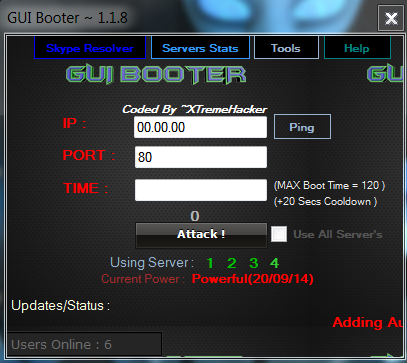
IP stresser is a tool that assesses the resilience of a network by simulating a cyberattack. It operates by flooding the target's server with a high volume of traffic, overwhelming its capabilities and causing disruptions. This stress testing process helps businesses identify weaknesses in their network infrastructure, allowing them to proactively strengthen their cybersecurity defenses.
The IP stresser works by sending a large number of data packets to the target's IP address, essentially creating a traffic jam that can lead to service outages or slowdowns. By mimicking a real-world cyberattack scenario, businesses can gauge the effectiveness of their network security measures and response protocols. This valuable insight enables organizations to refine their cybersecurity strategies and bolster their resilience against potential threats.
Through the use of IP stresser services, businesses can proactively test and enhance their network security posture. By uncovering vulnerabilities and addressing them before malicious actors exploit them, organizations can minimize downtime, protect their valuable data, and maintain their reputation. Embracing IP stresser as a part of their cybersecurity toolkit empowers businesses to stay ahead of potential threats and ensure the continuous operation of their vital digital assets.
Benefits of Using IP Stresser
One advantage of utilizing IP stresser tools in a business setting is the ability to simulate high levels of traffic to test the resilience of network infrastructure. This proactive approach allows companies to identify potential weaknesses in their systems before facing real-world cyber attacks. By stress-testing their networks with IP stresser solutions, organizations can implement necessary security upgrades to enhance their overall cybersecurity posture.
Another benefit of IP stresser tools is their role in optimizing network performance. By analyzing how networks respond under varying levels of stress, businesses can fine-tune their configurations and improve overall efficiency. This data-driven approach enables organizations to ensure that their systems are capable of handling peak traffic loads without compromising on speed or reliability, leading to enhanced user experience and satisfaction.
Additionally, the use of IP stresser services can help businesses enhance their disaster recovery planning. By understanding how their systems perform under extreme conditions, companies can develop robust contingency measures to mitigate potential downtime and data loss. This proactive approach ensures that organizations are well-prepared to withstand unexpected disruptions and maintain operational continuity, thereby safeguarding their reputation and bottom line.
Considerations when Using IP Stresser
Firstly, it is crucial to ensure that the use of an IP stresser is in compliance with all relevant laws and regulations. This includes understanding the legality of stress testing in your jurisdiction and obtaining any necessary permissions or licenses.
Secondly, businesses should exercise caution when selecting an IP stresser service provider. It is recommended to research the reputation and track record of the provider to ensure reliability and security. Additionally, consider factors such as customer support availability, pricing structure, and the range of services offered.
Lastly, prior to conducting stress testing using an IP stresser, it is advisable to inform and seek approval from any relevant stakeholders, such as network administrators or IT security personnel. Open communication and coordination can help prevent unintended disruptions and ensure that stress testing is conducted effectively and safely.