Photovoltaic Panels: Changing Household Energy Solutions
Recently, solar energy systems have transformed from a specialized power source to a popular option for households looking to reduce their electricity expenses and environmental impact. As innovations progress and the price of solar installations falls, many homeowners are thinking about the move from conventional power supplies to renewable energy. This transition not only correlates with a increased understanding of global warming but also offers tangible benefits for property owners.
Understanding how solar technology work, their mounting process, and the elements contributing to their effectiveness can aid clarify this potent power solution. In this write-up, we will examine different facets of solar power, from the benefits of deploying solar energy solutions to practical tips for upkeep and maximizing their performance. Accompany us as we probe the domain of solar power and discover how it is changing household energy practices.
Comprehending Solar Technology
PV panels, which are units that generate electricity that transform solar energy directly into power. They are constructed from many separate solar cells, typically made of silicon, which is a conductive material. When sunlight hits these cells, it generates an electromagnetic field, leading to electrons to move and producing a direct current (DC). This DC power is then transformed into alternating current (AC) by an inverter, making it usable for home appliances.
The effectiveness of solar panels profoundly influences their performance and energy output. Different factors affect efficiency, such as the caliber of materials used, the structure of the solar cells, and the extent of sunlight exposure. Modern advancements in technology have resulted in the development of different types of solar panels, including single-crystal, poly-crystalline, and ultra-thin panels, each offering specific pros and cons in terms of efficiency, cost, and spatial needs.
In addition to standard solar panels, advancements in solar technology have led to innovations like battery storage solutions. Such systems can store surplus energy produced during the day for utilization during the night or on cloudy days. This integration boosts the overall utility of solar energy, allowing homeowners to amplify their energy independence and reduce reliance on standard electricity sources. Grasping these technologies is essential for individuals looking into solar energy for one's home.
Advantages of Solar Energy for Residential Users
One major perks of solar energy for homeowners is the possibility for considerable cost savings on electricity bills. By capturing the power of the sun, homeowners can reduce their reliance on conventional energy sources, leading to lower monthly utility expenses. With the right solar panel system in place, many families find they can balance a significant portion of their energy consumption, providing not only immediate financial relief and long-term savings as energy prices continue to rise.
Additionally, installing solar panels can enhance the value of a home. As more buyers focus on energy efficiency, homes equipped with solar energy systems may be more appealing on the real estate market. Studies have shown that properties with solar installations often sell for more than comparable homes without solar, making it a smart investment not only for current savings but for future resale value as well.
In addition to financial benefits, adopting solar energy contributes positively to the environment. By switching to solar power, homeowners play a crucial role in reducing their carbon footprint and promoting sustainable energy sources. As https://solarpanelsoxfordshire.uk/best-solar-panels-oxfordshire/ generates electricity without harmful emissions, homeowners can feel good about their choice, knowing it contributes to a cleaner planet and helps combat climate change. This combination of financial, property, and environmental benefits makes solar energy an increasingly attractive option for homeowners.
Setup and Upkeep Insights
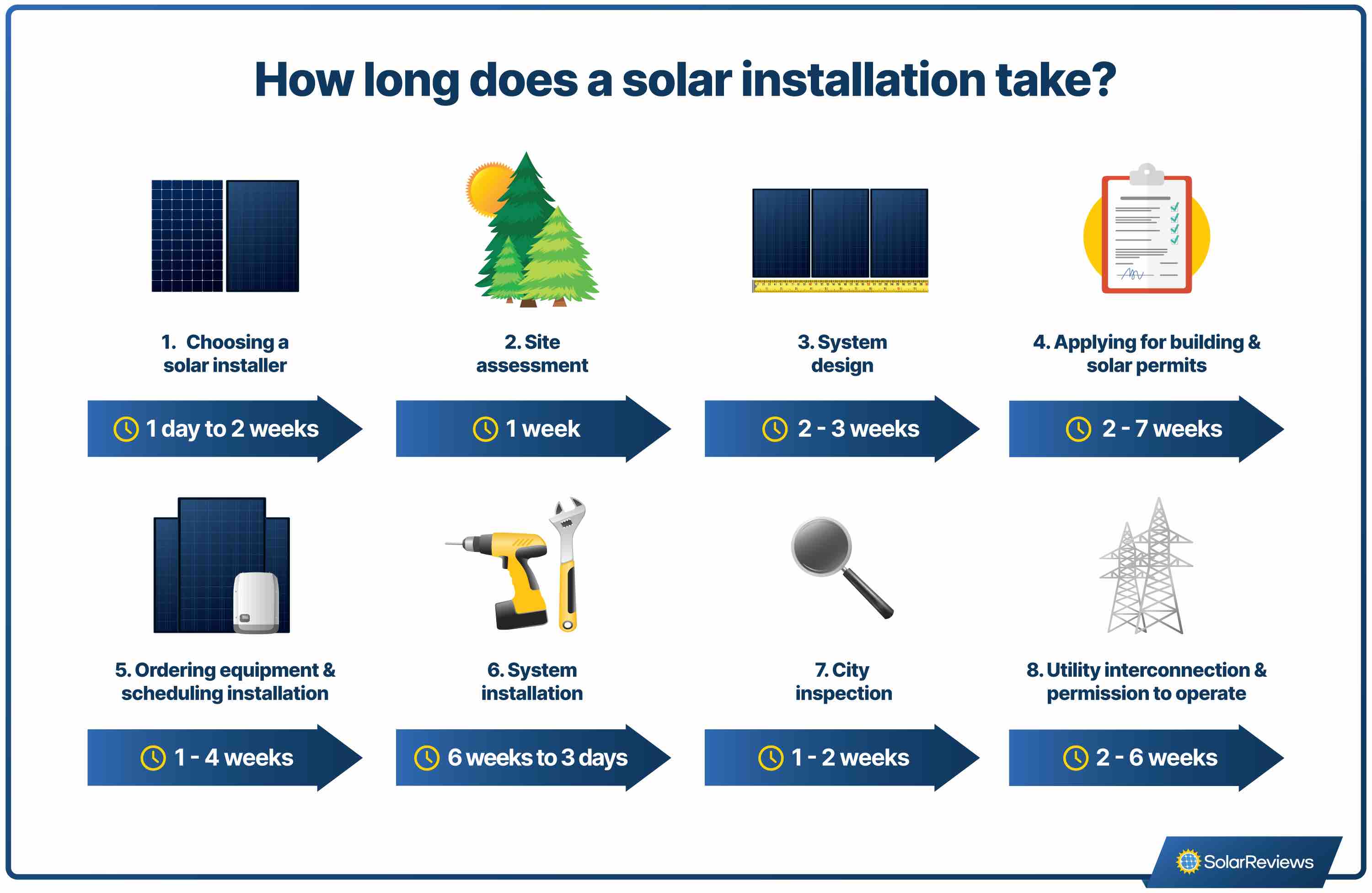
When evaluating solar panel setup, it's essential to choose the right contractor who has a demonstrated track record and positive customer feedback. Look for certified and experienced professionals who can provide a thorough assessment of your home's solar potential. A careful evaluation will aid determine the optimal configuration and size of the solar panel system, guaranteeing peak energy production based on your location and roof style. Additionally, arranging meetings with multiple installers can give you a more informed picture of cost and setup deadlines.
Maintenance of solar panels is relatively simple, yet crucial for maximum performance. Routine cleaning is important, especially in areas with a lot of dirt, debris, or frost, as contamination can hinder sunlight utilization. Homeowners should also organize regular inspections to verify for any concerns such as loose wiring or damage. Most modern solar panels are designed to be durable and require little upkeep, but staying ahead can help prolong their lifespan and maintain effectiveness.
In terms of tracking your solar energy output, many systems come fitted with advanced technology that tracks performance in real-time. This feature not only enables you to see how much energy your panels are generating but also helps you spot any drop in efficiency that may require attention. Solar energy technology continues to advance, so staying informed about advancements and upkeep best practices can empower homeowners to maximize their investment in solar energy and improve their renewable power installations.