Finding the Best AC Systems for Media District Home Studios
Finding the Best AC Systems for Media District Home Studios
Finding the Best AC Systems for Media District Home Studios
Quiet air, stable temperature, and clean power are non-negotiable in a Burbank home studio. The Media District brings unique cooling demands. Heat loads spike from computers, tube gear, amps, and lighting. Noise control is strict for voiceover and music takes. Microclimate heat in the San Fernando Valley runs long and hard from late spring into fall. The right HVAC choices protect equipment, keep takes clean, and prevent mid-session shutdowns. This article focuses on practical AC system choices that serve home studios in the Media District and nearby pockets like Toluca Lake and Magnolia Park.
Local realities: why Media District studios need precise HVAC
The Media District sits in Burbank, CA, within Los Angeles County. It borders major production campuses and live-post environments. Summer highs push past 95°F on many days, and heat radiates from concrete and rooftops well into the evening. Homes and condos around Warner Bros. Studios, Walt Disney Studios, and Nickelodeon Animation Studio range from updated mid-century builds to modern infill units. Each type handles ductwork, insulation, and noise paths in different ways.
Green Planet Heating and Air sees three patterns across 91505 and 91506 properties near the studio zone. First, interior rooms converted to recording spaces tend to trap heat from racks and DAWs. Second, the need for silence restricts airflow speed and blower settings. Third, wildfire smoke events and Santa Ana winds amplify indoor air quality needs. These conditions push system choices toward variable speed compressors, inverter-driven ductless mini-splits, and smart zoning with strong filtration. The right match keeps track takes clean while controlling operating costs that often rise with long edit sessions.
Noise floor first: NC targets, decibels, and air path design
Recording and voiceover rooms in the Media District usually aim for an NC-20 to NC-25 interior background level during takes. Many central air systems miss that mark because duct turbulence, undersized returns, and fixed-speed blower motors generate audible whoosh and tonal hum. Quiet system design uses variable-speed air handlers, oversized returns with lined ducts, and low face velocity through supply grilles. In homes near Burbank Hills or the Rancho District, longer duct runs and attic temperatures increase static pressure, which magnifies noise if not addressed.
Ductless mini-split systems solve a major part of the problem. Wall or ceiling cassettes from brands like Mitsubishi Electric and Daikin operate in the 19 to 30 dB range at low fan settings. That fits spoken word and acoustic sessions. The key is proper sizing and placement that prevents short cycling. It also helps to add isolation pads under indoor wall brackets and to route line sets away from the studio shell to prevent vibration transfer. Where a central system is required, a variable-speed blower paired with a high-SEER2 outdoor unit from Lennox, Carrier, Trane, or American Standard can hold comfort with quieter airflow. A smart thermostat should lock fan speeds during active recording to avoid audible ramps.
Load math for Media District gear rooms
Studio heat loads look different than bedrooms or living rooms in Burbank. A modest rack with a tube preamp, a headphone amp, and two interfaces can shed 600 to 1200 watts into the space. Add dual computer towers and lighting, and the sensible heat can double. That extra load demands careful Manual J and S calculations that include equipment wattage rather than only square footage. Green Planet technicians factor sensible and latent loads for each studio zone. They account for LED cans, window orientation in 91505 lots, attic insulation levels common in Magnolia Park, and internal gains from production gear.
For spaces that swing between quiet takes and high-occupancy edit sessions, the system must hold temperature without wild compressor cycling. Inverter-driven compressors behave better than single-stage units here. They step output up and down smoothly. This stabilizes temperature and humidity while keeping noise and power draw steady. A Daikin or Mitsubishi variable-speed mini-split can modulate to a low level during takes and ramp between sessions without harsh on-off signatures that bleed into condenser mics.
Ductless mini-splits vs central air for Burbank studios
Many Media District studios land on ductless mini-splits for the studio zone and keep existing central air for the rest of the home. This split approach works in houses on the Burbank side of Toluca Lake where older ducts in crawl spaces are hard to quiet. Mini-splits put cooling where it is needed. They avoid duct noise. They meet the strict sound floor targets. They also carry high efficiency numbers under the newer SEER2 rating standard. Multi-zone systems support the control room, vocal booth, and iso rooms with independent setpoints and schedules.
Central systems still earn a place. Some clients need whole-home comfort with even humidity across long hallways and open floor plans. In that case, Green Planet considers variable-speed central air conditioners or heat pumps with ECM blower motors and high MERV filtration. A central system can serve secondary rooms while a small ductless head covers the studio. This hybrid layout reduces noise in the most sensitive zone while keeping guest rooms and offices on a single smart thermostat. For properties close to Bob Hope Airport, where airplane noise is a factor, high-performance window assemblies and lined ducts help keep exterior and system noise low.
Humidity, IAQ, and wildfire smoke readiness
Burbank is a dry climate for much of the year, but humidity still matters in a studio. Guitars, pianos, and ribbon mics react to swings. A well-tuned AC system holds relative humidity near 40 to 50 percent in most conditions. Variable-speed systems do better here because they run longer on low, which keeps the evaporator coil cool and condensing. In dry months, overcooling risk appears if equipment heat is high and setpoints are strict. A smart thermostat that uses a humidity target can trim fan runs and reduce swings.
Wildfire smoke from LA County incidents or upwind valleys drives IAQ concerns. During those events, intake of outside air should be limited. A fresh air system with an energy recovery ventilator can bring in filtered air when outdoor conditions are safe. During smoke days, MERV 13 or higher filters in the air handler help scrub particles from recirculated air. Ductless systems do not use central filters, but many heads support washable pre-filters and optional media. An auxiliary UV air purifier can help reduce biological growth on coils and in drain pans. For homes near Stough Canyon Nature Center trails, dust loads tend to rise after windy days, which makes filter checks useful after hikes or open-window sessions.
Electrical and condenser placement details for the Media District
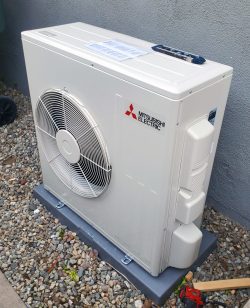
Studios in 91506 and 91505 often share walls or narrow side yards. Outdoor unit placement must respect sound ordinances and neighbor proximity. Green Planet sets condensers on vibration-isolating pads, shields line-of-sight to neighboring windows, and directs fan discharge away from microphones or patios. For townhomes near Downtown Burbank, HOA rules influence location and line-set routes. A site walk identifies workable paths that preserve the studio shell and maintain service access for air conditioning service Burbank calls.
Electrical capacity is the second constraint. A dedicated circuit for each mini-split condenser and potential subpanel upgrades are common in older homes in Magnolia Park. When clients add a heat pump for all-electric goals, load calculations include electric ranges and EV chargers. Clean power is a priority for audio gear. Line conditioning can reduce hash from compressor starts, though an inverter-based compressor draws smoother current than fixed-speed units. Green Planet coordinates with licensed electricians if a service upgrade is needed.
SEER2, sizing, and why bigger is not better
SEER2 ratings replaced SEER figures to better reflect real-world duct static and installation effects. For Burbank’s heat profile, a high SEER2 inverter system often wins on bills and comfort. That said, the right size beats the highest rating if gain is misread. Oversized units cool fast but fail to control humidity and tend to short cycle, which makes noise bursts obvious in a take. Undersized units run forever and may fail to hold setpoints during an afternoon heat spike, which clients see often near the Media District studios on filming days when doors cycle more often.
Sizing for a studio includes envelope performance, window film, blackout curtains, and internal gains from equipment. Green Planet field data in Burbank shows that even a small 200 square foot vocal room can need a 6 to 9 kBtu head if gear and people stack up. A 400 square foot control room with multiple monitors may require 12 to 18 kBtu depending on insulation and sun exposure. These are starting points. A site survey and Manual J are the final say.
Duct design for quiet central systems
Some Media District clients want a single central system that remains silent on the track. That pushes duct design to the front. Green Planet uses lined, oversized trunks with long-radius fittings to control turbulence. Return air paths grow larger and slower. Supply registers get diffusers that spread flow without whistle. The blower motor stays on low continuous circulation during sessions to avoid ramp noise. A smart thermostat integration helps by holding static fan profiles while the condenser ramps gradually outside.
We also check duct leakage in older Burbank homes. Leaks raise energy bills, boost attic dust, and weaken airflow at the studio. Sealing and balancing restore throw distance at lower fan speeds, which drops noise. Where existing ducts cannot meet noise goals, a single ductless head for the studio can run silent while the central system serves the rest of the home at normal profiles.
Heat pump systems for year-round work
Routing talent in at 7 a.m. On a January morning needs gentle heat without blower roar. High-efficiency heat pumps from Trane, Rheem, and Bryant maintain warm, even output in Burbank’s mild winters. Variable-speed units avoid the harsh on-off sound of old gas furnaces in small rooms. If a furnace remains, Green Planet inspects the heat exchanger for cracks and tests carbon monoxide. Safety matters in sealed studios where doors stay shut for long takes. Hybrid heating systems can pair a heat pump with a gas furnace to lower operating cost while holding comfort.
Thermostat strategies for sessions, edits, and standby
Studios run on schedules. A smart thermostat with zone control fits that rhythm. During recording blocks, a “Quiet Mode” sets lower fan speeds, tight temperature deadbands, and disables adaptive pre-cooling that might cause surprise ramps. During mix or edit blocks, the system lifts fan and compressor output to sweep heat out of the room. Overnight, a setback schedule resets the space while keeping humidity steady to protect instruments. Integration with platforms common in Burbank homes keeps control simple. The aim is predictable climate without surprise noise in a take.
Indoor air quality in high-traffic studio homes
Guests, talent, and crew bring in dust and allergens, and late-night editing can make a small room feel stale. Upgrading to MERV 13 in central systems reduces fine particles. Whole-house fans can purge the home in mild evening hours, though they stay off during smoke days. UV air purifiers reduce biological growth on cooling coils. Green Planet also offers indoor air quality testing that checks particles, VOCs, and CO2. A quick test before long tracking days helps spot ventilation gaps without trial and error.
Troubleshooting common studio AC problems
The pattern of issues in Media District studios is distinct. Short cycling often comes from an oversized mini-split in a small booth. Uneven cooling shows up in split-level homes near the Burbank Hills where return placement misses heat pooling near ceilings. Strange odors may point to biological growth on a neglected evaporator coil or a clogged condensate drain. Warm air at the registers can trace to a faulty capacitor that fails the compressor start. Ice on the evaporator coil plus weak airflow often signals a clogged air filter or duct obstruction in older homes. High energy bills can reflect poor duct sealing or a compressor that runs at full tilt because a thermostat misreads the room.
Green Planet technicians perform a structured diagnostic on calls for air conditioning service Burbank wide. They test capacitors, inspect the compressor, measure superheat and subcooling for refrigerant charge, check the expansion valve for proper feed, and scan blower motor amperage. A quick check of the air handler, ductwork, and MERV filters often reveals hidden pressure issues. In heat systems, a cracked heat exchanger is a safety red flag and stops the job until resolved. The aim is a safe, quiet studio with predictable comfort while protecting gear and sessions.
Brand options that fit quiet studio work
Clients in Burbank ask for known brands that will not risk a session. Green Planet services and installs Carrier, Lennox, Trane, Goodman, York, and Rheem for mainstream central and heat pump solutions. For low-noise ductless and multi-zone work, Daikin and Mitsubishi Electric stand out. American Standard and Bryant round out systems that balance price, parts access, and local support. The choice comes down to sound profile, modulation range, service depth in Los Angeles County, and SEER2 performance against the Media District’s heat hours.
Factory training and NATE-certified staff keep installs aligned with warranty needs. EPA 608 certification governs refrigerant handling. Energy Star Partner commitments guide system selection for efficiency. Clients often want to see bills drop after a long summer. The combination of variable speed hardware, proper sizing, and clean duct or line set design usually delivers that outcome across 91501, 91502, and 91504 zip codes.
Water management, condensate, and sound isolation
Condensate lines through a studio shell can become a noise path. Green Planet routes drains and uses trap designs that avoid gurgle under low fan conditions. For ceiling cassette mini-splits, a lift pump can add a high-pitched tone if mounted rigidly to framing. Isolation mounts and flexible tubing reduce transfer. Outdoor condensers sit on composite pads with rubber isolation. In tight Media District lots, we check fence reflections that might bounce fan noise back toward the home or a neighbor’s window. The difference between a distractive tone and a quiet background is often small, but it matters to working producers and voice actors.
Selection checklist for Media District home studios
This quick filter helps narrow the field before a site visit. It focuses on recording reality near the Burbank studios and common build types across 91505 and 91506.
- Target NC-20 to NC-25 in the studio with variable-speed or ductless gear that holds fan noise low.
- Right-size capacity for equipment heat gains and west-facing windows common near the Media District.
- Plan zoning so the studio and control room hold setpoints independent from bedrooms and living areas.
- Prioritize SEER2-rated inverter systems that modulate smoothly during takes and ramp between sessions.
- Upgrade filtration to MERV 13 in central systems and add IAQ testing before heavy recording weeks.
Maintenance intervals that keep sessions on schedule
A quiet studio is a maintained studio. Unexpected blower squeal or a clogged filter can kill a take. Green Planet sets maintenance windows around production calendars in Burbank, including pilot season and summer heat runs.
- Every 1 to 2 months in heavy use: check or clean filters in air handlers and mini-split heads.
- Every 6 months: coil cleaning, drain flush, electrical inspection, and refrigerant performance check.
- Annually before June: comprehensive AC tune-up with airflow balance and thermostat profile review.
- After smoke events: replace filters early and run a whole-home clean cycle if available.
- Before winter: verify heat pump performance or furnace safety, including heat exchanger condition.
Case notes from Burbank studio homes
A Magnolia Park vocal producer in a 1940s bungalow had a central AC that clipped takes every 12 minutes due to short cycling. Load calcs showed a 3-ton unit serving a small, well-insulated home plus a 180 square foot booth with heavy gear. We replaced it with a 2-ton variable-speed central system for the house and added a 9 kBtu Mitsubishi wall head in the booth. The session noise dropped below NC-20. Bills fell by roughly 18 percent over the next summer under SEER2 performance.
A townhome near Downtown Burbank ran hot in the edit bay due to sun through a west window and three monitors. A 12 kBtu Daikin mini-split replaced a struggling portable unit. We used a line set chase through a closet to preserve the fire-rated wall. The condenser sat on an isolated pad with a noise screen. The bay holds 73°F during 100°F afternoons without fan roar on low-medium settings.
Smart controls, zoning, and recording workflow
Studios run on blocks and cues. A smart thermostat or controller that schedules Quiet, Edit, and Standby modes reduces mic contamination and keeps talent comfortable. Quiet Mode fixes a steady low fan and a narrow temperature band. Edit Mode opens the range and lets the system clear heat. Standby protects instruments and gear with a humidity target. The control logic can integrate with whole-home systems in Burbank homes. A quick training pass during handoff saves calls and protects the day’s plan.
Safety, code, and permits in Burbank, CA
Work in the Media District and nearby Toluca Lake must respect city code and HOA rules. Permits for new HVAC installations, electrical upgrades, and condensers in front yards are common. Clearances at property lines matter. Green Planet handles permit paperwork and coordinates with city inspectors. Licensed and insured status under the California State License Board is standard, and EPA 608 governs refrigerant handling. These steps reduce surprises and protect the investment while keeping home studios compliant in Los Angeles County.
What to expect during a Green Planet home studio consultation
The first visit starts with a walk-through of the studio, control room, and adjoining spaces. The team maps equipment heat, window exposures, insulation levels, and noise paths. They check existing HVAC components including the compressor, condenser coil condition, blower motor health, air handler settings, and ductwork leakage. They note filter type and MERV rating. If unusual HVAC noises, short cycling, or musty smells are present, diagnostics proceed with coil temperature readings, capacitor testing, and a refrigerant performance check. For furnace-equipped homes, a heat exchanger inspection takes place.
From there, the path is clear. Some homes in 91504 get a mini-split in the studio plus a tune on the central system. Others near Woodbury University need zoning adjustments with smart thermostat integration for better session control. Many clients in the Rancho District end up with a variable-speed heat pump that covers both cooling and gentle winter heat. Each plan documents SEER2 impact, expected dB levels at the mic, and routes for line sets or duct modifications that preserve studio isolation.
Brand and equipment snapshots for Media District use
Central air conditioners from Carrier, Trane, Lennox, Goodman, Rheem, and York provide a solid base. Variable-speed models pair well with lined ducts and oversized returns. Ductless mini-splits from Mitsubishi Electric and Daikin offer quiet heads and broad modulation. American Standard and Bryant systems often strike a balance of cost, local parts support, and warranty confidence. Components that matter include the compressor type, condenser coil fin density, blower motor control, and an expansion valve that feeds the evaporator coil smoothly. Combine that with accurate thermostat control and a clean air handler, and the studio stays calm across long days.
Service coverage, response, and seasonal strategy
Green Planet supports the Media District, Magnolia Park, Rancho District, Burbank Hills, and the Burbank side of Toluca Lake. Dispatch covers 91501, 91502, 91504, 91505, 91506, and 91521. Proximity to Hollywood Burbank Airport allows fast response across the city and nearby Glendale, North Hollywood, Sun Valley, Toluca Lake, and Pasadena. The team understands the pacing of production schedules near Warner Bros. And Disney. Maintenance windows happen between sessions. Emergency AC repair is available 24/7 when heat waves hit and gear rooms start to climb.
Seasonal strategy includes a “Burbank Seasonal Tune-Up Special” each spring to prepare for San Fernando Valley heat. That service includes condenser coil cleaning, airflow checks, thermostat profile updates for Quiet Mode, and filter upgrades as needed. The goal is fewer surprises and better session control during peak months. It also spots early refrigerant leaks, faulty capacitors, and blocked drains before they show up as noise or shutdowns mid-take.
Why local experience in HVAC Burbank matters for home studios
HVAC Burbank work is not generic when a microphone is involved. Houses off Alameda Avenue face radiant heat differently than condos near the studios. Old ducts in Magnolia Park behave far from textbook. Outdoor sound, neighbor proximity, and heat loads from production gear all meet at once. Local experience informs decisions like condenser placement behind a privacy wall to block fan tones, or the choice to run a dedicated ductless head instead of forcing a central system to act like a studio unit. Those calls preserve sessions and hold costs steady across real Burbank weather and usage patterns.
Clear next steps for homeowners building or upgrading a studio
Homeowners in the Media District who plan a new booth or a control room upgrade should bring HVAC into the early design. That keeps line sets, drains, and electrical runs out of isolation shells. It also sets space for a return path that is oversized and quiet. A short discovery call with Green Planet maps major constraints in ten to fifteen minutes. The site visit then confirms load math and noise targets. From there, the team sources equipment from brands like Mitsubishi, Daikin, Lennox, Carrier, Trane, Goodman, Rheem, York, American Standard, and Bryant under current SEER2 guidelines. Install sequences fit around work hours and recording days.
Conversion and contact
Green Planet Heating and Air provides air conditioning service Burbank residents depend on, with a focus on quiet studio environments and Media District homes. Services include HVAC installation, air conditioning repair, heat pump services, ductless mini-split systems, furnace maintenance, thermostat integration, and indoor air quality testing. Technicians are NATE-certified, EPA 608 certified, licensed and insured under CSLB, and experienced with Energy Star-rated systems. The team services all major brands and keeps factory warranty conditions intact.
Book a consultation for the Media District, Magnolia Park, Rancho District, Burbank Hills, Toluca Lake, and Downtown Burbank. Ask about the Burbank Seasonal Tune-Up Special. Request rapid dispatch in 91505 and 91506, and same-day support across 91501, 91502, 91504, and 91521. For 24/7 emergency AC repair, call Green Planet anytime. The goal is simple. Quiet, clean air that protects performances, gear, and schedules in Burbank, CA.
Neighboring service areas include Glendale, North Hollywood, Sun Valley, Toluca Lake, and Pasadena. Local landmarks near frequent service calls include Warner Bros. Studios, Walt Disney Studios, Nickelodeon Animation Studio, Stough Canyon Nature Center, Woodbury University, and Hollywood Burbank Airport.
Green Planet Heating and Air
📍 2219 W Olive Ave #227,
Burbank, CA 91506,
United States
Operating Hours:
Monday
Open 24 hours
Tuesday
Open 24 hours
Wednesday
Open 24 hours
Thursday
Open 24 hours
Friday
Open 24 hours
Saturday
Closed
Sunday
Open 24 hours