Why Video Appointments Are Now the Default Choice for Many Patients
For years, "telemedicine"—or video consultations—was marketed as a futuristic novelty. In the UK health sector, we often heard vendors promise that virtual care would "revolutionize the clinical landscape." As an editor who has sat through countless software demos, I’ve learned to tune out that kind of jargon. What actually matters is what changes for a patient on a Tuesday morning.
The reality is far more practical. Patients are moving away from in-person visits not because of a grand digital transformation, but because they want their time back. Let’s look at why video appointments have shifted from an emergency measure to a standard preference for modern healthcare.

The Death of the "Morning Phone Queue"
If you have ever tried to secure a General Practitioner (GP) appointment at 8:00 AM, you know the frustration. The traditional model relies on patients calling a surgery, sitting on hold, and hoping for a slot. It is an administrative bottleneck that wastes everyone’s time.
The shift to online booking tools has been the biggest win for patient experience in the last decade. By using a secure Patient Portal (a private website where you can access your medical records and communicate with your care team), patients can select a time that works for them without speaking to a receptionist.
Why this matters to the patient:
Transparency: You see the actual availability in real-time, rather than guessing what is left. Control: You can book, reschedule, or cancel appointments at 10:00 PM when the clinic is closed. Reduced Anxiety: Eliminating the "will I get through?" stress of the morning phone call is a massive boost to mental well-being.
The Practicality of Flexibility and Logistics
When we talk about flexibility, we aren't just talking about convenience. For many patients, an in-person appointment requires moving heaven and earth. The transition to video removes the physical barriers that often lead to missed appointments or delayed care.
Tackling Transport Challenges
Living in a rural area or navigating city traffic to reach a specialist clinic can take half a day. Between the commute, finding parking, and waiting in a lobby, a 15-minute consultation can easily turn into a four-hour ordeal. Video consultations allow patients to step into a private room, take the call, and return to their day immediately.
Managing Childcare Responsibilities
One of the most significant barriers to attending in-person appointments is childcare responsibilities. Finding a babysitter or a family member to watch children during clinic hours is expensive and difficult. Virtual appointments allow parents to consult with clinicians while children are occupied or napping https://erone.co.uk/how-digital-healthcare-platforms-are-changing-patient-access-across-the-uk/ nearby, ensuring that the patient can receive care without the added stress of finding cover.
The Power of Centralized Health Platforms
A video call is only as good as the infrastructure supporting it. Modern clinics are moving away from disconnected tools and toward centralized platforms. A good dashboard keeps everything in one place, which fundamentally changes the patient experience.
Feature What it actually does for you Integrated Messaging Allows you to ask a follow-up question without booking a new consult. Document Uploads Lets you share test results or photos of symptoms before the call. Appointment Reminders Syncs directly to your digital calendar to prevent "no-shows." Shared Records Provides visibility into your history so you aren't repeating yourself to every new doctor.
When all these tools exist in one portal, the video call stops being an isolated event and becomes part of a cohesive care plan.
Is Something Lost in the Digital Transition?
I hear this question often: "Can a doctor actually treat me over a screen?" It is a valid concern. Physical examinations have their place, particularly for complex diagnostics or acute injuries. However, we have to look at the trade-off. Is an in-person physical exam necessary for a medication review, a mental health check-in, or reviewing blood work? Generally, no.
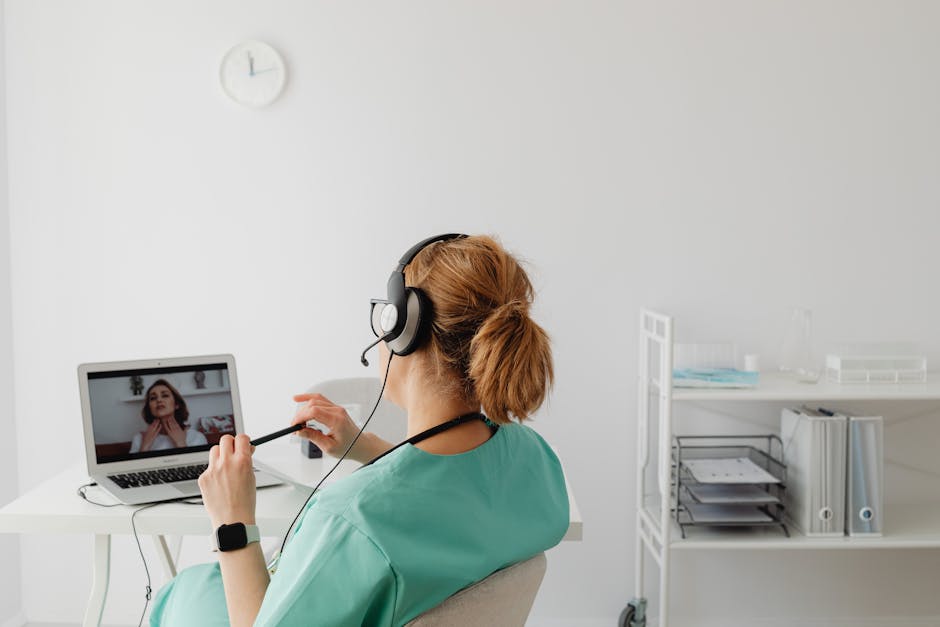
Patients are choosing video because they have identified that the "clinical gold standard" of an in-person visit is often overkill for their specific needs. They are prioritizing their time and mental energy while receiving the same quality of clinical advice.
What Should You Expect Next?
If you are choosing between in-person and video, look for clinics that offer a seamless digital experience. If the clinic asks you to download a clunky third-party app that doesn't talk to their internal Electronic Health Records (EHR)—a digital filing system for medical information—you are likely in for a frustrating experience.
The best virtual care experiences happen when:
The link to the video call is sent directly to your phone or email. Your clinician can see the notes you’ve already uploaded to your portal. The appointment starts on time because the clinician isn't dealing with physical lobby queues.
Final Thoughts
We need to stop calling video consultations "the future." It is the present. For patients balancing work, family, and the realities of modern life, the ability to access care without a commute or a phone queue isn't a luxury—it’s an expectation. When you choose a video appointment, you aren't just "saving time"; you are opting for a system that treats your schedule with the same respect as your health.