Locating Your Herd: Equine-Facilitated Coaching for Link and Belonging
I remember the very first time I watched a customer's shoulders drop next to a stable bay gelding named Finn. She had arrived tight as a drum, breath captured up high in her upper body, and stood beside the sector urging she did not "do horses." Finn stood at a distance, grazing on a hay net. Ten mins later on, with a few basic breath hints and a soft technique, they were strolling alongside. No halter yet, no stress, simply her visibility and his acceptance. She whispered later, virtually stunned, "I really felt seen." That is the heart of equine-facilitated mentoring, the way steeds appear to invite us back right into our bodies, our honesty, and our feeling of belonging.
Why equines help us locate connection
Horses read the world with experience, pressure, position, and intention. They reply to the energy we bring, not the tale we tell. An equine does not appreciate your work title, your medical diagnosis, or your shield of brilliant words. It appreciates whether you are systematic, grounded, and respectful of area. When a thousand-pound victim pet recognizes you, matches your breathing, or steps toward you, the comments lands in a deeper place than language.
That is one factor equine-facilitated mentoring frequently assists people who really feel separated from themselves or from others. The arena ends up being a place where harmony matters more than performance. If your inner state does not match your outer signals, a horse will certainly reveal it through movement. If your body softens, your breath reduces, and your intention becomes clear, the horse will certainly often soften with you. The result is not just understanding, but a felt change. For lots of, especially those who have tried talk-based supports without complete alleviation, experiential understanding with equines introduces a brand-new doorway.
Sorting the area: mentoring, activities, and therapy
The equine area includes several approaches, and the alphabet soup can be confusing. Right here is exactly how I clarify it to households, clinicians, and organizations choosing where to begin:
Therapeutic horsemanship describes a broad group that consists of placed and unmounted activities educated by certified riding instructors who adapt the setting to sustain riders with diverse demands. It typically constructs balance, coordination, interaction, and confidence. Several facilities include equine-assisted tasks that promote recreation skills, social link, and discovering without always targeting clinical diagnoses.
Equine-assisted services is an umbrella term some companies utilize to capture the variety of assistances used with horses. Programs might consist of riding lessons, ground-based understanding, veterans sustain, and wellness workshops.
Equine-assisted coaching, also called equine-facilitated training, concentrates on individual or expert development making use of ground-based workouts. The train overviews reflection and ability building around goals such as limits, management, communication, and resilience. There is no medical diagnosis or treatment strategy, and the procedure enhances, as opposed to replaces, therapy.
Clinical equine treatment involves licensed psychological health and wellness experts or occupational therapists who utilize the steed as component of a therapeutic plan. You may see this for injury treatment, anxiousness assistance with equines, or sensory integration job within an autism equine finding out program.
Centers often blend offerings. You may see equine-facilitated wellness teams on weekend breaks, ADHD equine discovering assistance after college, and group structure with steeds for local organizations. The trick is to match the technique to the goal. If you desire leadership practice and symbolized confidence, coaching fits. If you need to deal with PTSD or an eating condition, look for psychological health experts who integrate steeds right into therapy.
What equine-facilitated training actually looks like
A great coaching session is not a horse experience. No helmets needed unless the program consists of mounted time, and a lot of the job happens on the ground. I commonly start in a silent area, present the horse free or on a loose lead, and co-create a strategy with the client. Objectives can be as basic as learning to establish and hold a boundary line, or as complicated as bring back count on after work environment burnout.
In method, the sector becomes a living laboratory. If you rush, the horse wanders away. If you center on your own and ask plainly, the equine turns and steps forward. There is no one right method. Some customers lead a steed through barriers to explore how they deal with pressure. Others stand still and discover to tolerate distance without collapsing their own needs. The knowing often tends to land due to the fact that the body gets involved. You are not just talking about boundaries, you are practicing one with a responsive partner.
An initially session, step by step
Arrive and settle, with a brief security quick that consists of where to stand, how to touch, and when to pause. Grounding method, such as box breathing or a sensory check-in, to assist your nerve system shift into a receptive state. Meet the steed at a distance, observing position and signals, after that pick how to approach. Engage in a straightforward task, like asking the equine to stroll with you at a matched speed or to quit at a cone while you hold a boundary rope. Debrief with your trainer, seeing where the task mirrored everyday patterns, and set one tiny method to take back right into your week.
That arc can unfold in numerous ways. If anxiety flares, we reduce. If a client is kinetic, we might set a movement-rich job that consists of weaving poles, supporting with clear hand signals, and resetting when attention jumps. The equine's responses keeps us honest.
What the steeds instruct our bodies
Clients frequently ask why this functions when they have currently review the books and attempted to assume their method to alter. Steeds show through somatic networks. If you are holding your breath without discovering, an equine leaning far from you will certainly make that pattern apparent. If your feet barely touch the ground after years in high-alert mode, you will discover it hard to lead a steed with clarity up until you root on your own. That is somatic recovery with horses, the method body understanding and psychological understanding braid together.
There is additionally the matter of co-regulation. Many individuals find their heart price and muscle mass tone change around tranquil steeds. The barn offers rhythm, from hooves on dirt to audible breath. Grooming invites reciprocal motion and a gentle pressure touch that can downshift a jangly nervous system. While not a magic bullet, this setting offers a scaffold that chat alone can not. I have seen clients tracking tension go from a 8 to a 4 in twenty mins, after that hold that modification while browsing a challenge program with their steed companion. It is not magic, simply a clear feedback loop.
Who comes to the arena
I work with a wide arc of people. Some seek equine-facilitated wellness after a life transition, like a divorce or job adjustment. Others come after exhaustion or a creative block. Parents bring children for ADHD equine learning support when college becomes an everyday fight. People with sensory level of sensitivities discover a different treatment for sensory challenges due to the fact that indoor clinics really feel as well intense and limited. Autistic teenagers sign up with an autism equine learning program developed around predictability and selection, not requiring eye contact or little talk. Grownups with panic signs come for anxiety support with steeds to exercise breath and boundary skills in a setup that feels risk-free sufficient but real sufficient to stretch.
For groups, team structure with steeds surface areas characteristics much faster than a boardroom can. I have enjoyed a group realize that 3 of them habitually over-function, one goes away under stress and anxiety, and none asks easily for assistance. The equine will not move via the challenge until the group adjusts its duties. That lesson returns to the office on Monday morning.
Safety, principles, and practical edges
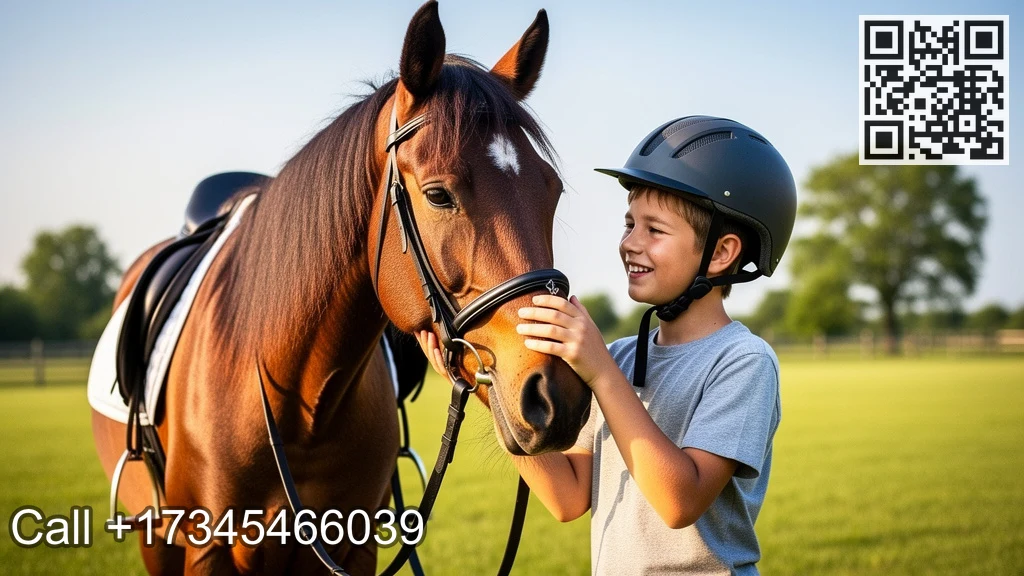
A liable program puts safety initially, for both people and horses. You should constantly see a skilled equine handler or trainer existing, even in pure mentoring sessions. Facilities should have clear guidelines around headgears if riding is included, emergency procedures, and steed well-being. The horses themselves need normal rest, turnover, and the right to claim no. If a steed pins ears, steps away, or looks strained, your facilitator ought to respond swiftly and change the plan.
Not every problem is a fit for every format. If a person has a history of physical violence towards animals, I will not start in the arena. If a customer has uncontrolled seizures or is in acute psychosis, I describe a professional team. People with extreme allergic reactions might need a modified plan that limits pet grooming or utilizes an exterior space with masks. The honest line is this: match services to the individual, not vice versa, and do not press the equine or the human right into situations they can not navigate safely.
A couple of tales from the rail
A forty-year-old item manager pertained to restore confidence after a toxic task. Her words were constant, yet her body concealed bracing in the shoulders and a routine of excusing every little thing. With a person draft cross, we exercised walking with intention and stopping without reducing. By week four, she might request for room with one silent breath and a hand increased, after that keep that border for a full minute while the horse evaluated carefully. She reported using the exact same gesture in stressful conferences, minus the horse, to excellent effect.
A fourteen-year-old with ADHD arrived with a knapsack packed with fidget devices and a history of apprehensions. He liked rate and disliked waiting. We set up an obstacle program that awarded micro-pauses. The regulation, specified just, was that the horse might stagnate forward until the handler's feet were still and his eyes had actually scanned three factors in advance. The very first shot appeared like a tangle. By the fifth, his feet planted, breath boiled down, and the steed strolled efficiently through. He timed his very own runs and shaved secs not by hurrying, but by stopping briefly with purpose. His mom later on noticed he made use of the exact same approach for research, checking march loud before starting.
A parent of a youngster with autism came due to the fact that consultations seemed like a revolving door of motivates and stickers. In the sector, we offered her little girl selections: which brush to utilize, whether to approach from the shoulder or the rump, when to tip away. The youngster enjoyed the predictability of brushing strokes and the weight of leaning lightly against the horse's shoulder. After several sessions, shifts in the house improved when the family included a brief "barn regimen," even without a steed, that imitated grooming's rhythm prior to bedtime.
How groups find out with horses
Horses are extremely fair concerning management. They respond to quality, uniformity, and common regard. A team-building session may consist of moving a loosened horse with a set of cones without touching the pet, only by working with position, area, and objective. This discloses who speaks out, that pays attention, where problem evasion lives, and just how the group handles ambiguity. The learning is sticky since it is felt. As soon as a team experiences that the equine relocates finest when the peaceful analyst maps the course and the exhibitionist regulates quantity, it re-weights duties back in the workplace.
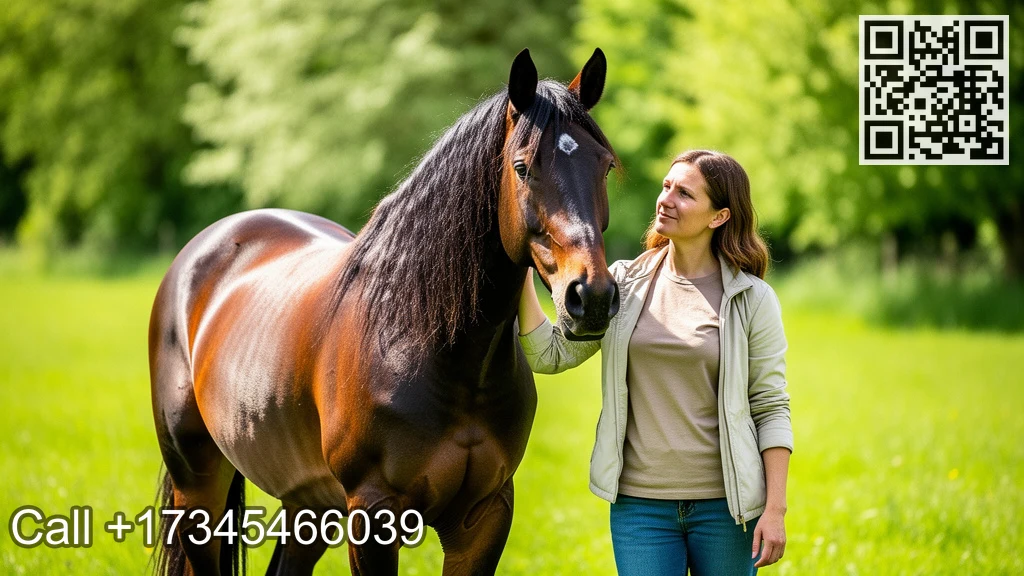
I like small teams for team building, normally six to twelve participants, with at the very least 2 steeds and 2 facilitators. That proportion offers area for monitoring and practice. Debriefs issue more than the barrier. If the team misses out on the discovering and only commemorates "we did it," we have actually lost the gold.
Preparing for your initial visit
The practicalities are basic, though not constantly apparent to city customers. Put on closed-toe shoes and layers you do not mind cleaning off. Leave hanging headscarfs and loud fashion jewelry in the house. Plan for the weather. Bring a canteen, and if you are scent-sensitive, let the team understand so they can pick a quieter grooming location. If you are nervous, claim so. Good facilitators value honesty more than bravado.
Shorter sessions of 45 to 60 minutes are frequently a lot more efficient than long marathons. Your nerves can soak up just so much uniqueness at once. A collection of 5 to 8 meetings, spaced weekly or every various other week, has a tendency to create noticeable changes. You will certainly know the job is landing when the changes you feel with the equine show up in tough conversations or early morning routines.
A straightforward list to establish on your own up for success
Comfortable, strong footwear and weather-ready clothing you do incline getting dusty. A clear, small goal for the day, like "technique saying no" or "observe my breath under anxiety." Willingness to stop and call what you are really feeling, also if it is messy. A plan to integrate one small practice between sessions, such as three mins of based standing before phone calls. Communication with your other providers if you are also in therapy or OT, so sustains align.
Measuring development without obtaining rigid
People request for metrics. It is fair to desire evidence that time and cash are well spent. Some facilities utilize official devices, others remain informal. I urge a crossbreed. Before you start, pick 2 or three signs that would tell you life is getting much easier: less closures at work, much better sleep beginning, even more comfortable eye contact, fewer institution crises. We also take a look at body pens, like breath price during a challenge or the moment it takes to work out from agitation.
Quantify where you can. If panic spikes daily, track regularity and duration each week you go to. If your group's interaction breaks 7 times in a two-hour meeting, check that number once more a month after your field day. Keep the measures regional and straightforward. Steeds assist most when the focus stays on feature, not on impressing a spreadsheet.
Working with youngsters and sensory differences
For children with sensory processing differences, the barn environment can be a mixed bag. Seems echo. Hay can impulse. Leather has a solid odor. Those aspects can overwhelm, or they can function as exposure with control. Good programs adjust the sensory lots. This could look like using peaceful hours, grooming in a corner with natural light, or beginning with discuss a sheepskin pad before relocating to a curry comb. For some kids, mounted time at the stroll, with a sidewalker and a leader, provides deep stress and vestibular input that aids guideline. For others, the stillness of standing with a steed and matching breath works better. Different treatment for sensory obstacles need to never be a one-size script.
ADHD equine finding out support succeeds when it networks activity and benefits attention, not reductions. Develop tasks that have begin lines, finish lines, and a possibility to reset without pity. Provide instant, concrete responses. Let the equine's rhythms do a few of the mentoring. Kids learn fast when the lesson https://emiliojvfp711.iamarrows.com/attention-at-work-adhd-support-with-equine-discovering is symbolized and the stakes really feel genuine however kind.
Credentials, inquiries, and choosing a program
Vet your suppliers. Ask what certifications or licenses they hold. Instructors may bring credentials in healing horsemanship from organizations that educate adaptive riding specialists. Equine specialists might be experienced trainers with years of equine care and behavior. Trains might have ICF or various other mentoring certifications plus added research study in equine-facilitated coaching. If you are seeking medical job, verify that a qualified psychological health and wellness professional or occupational therapist is really entailed, not simply consulted once.
Walk the home. Search for tidy water pails, safe fence, and horses with brilliant eyes and totally free motion. Ask the number of sessions each steed does each day. The answer must be small, with remainder and yield built in. Ask about security procedures, emergency situation plans, and how they match horses to clients. A thoughtful response signals maturity.
Listen to your intestine during a trial see. If you feel hurried, unheard, or unsafe, attempt an additional program. The right fit issues more than the appropriate brand name name.
Cost, accessibility, and equity
Prices differ. In my region, private mentoring sessions with equines range from 100 to 250 dollars for an hour, with group prices reduced each. Professional therapy integrated with horses can set you back even more, and insurance policy protection is mixed. Some facilities use scholarships, gliding scales, or community grants. Veterans teams and nonprofits commonly finance solutions for details populations. Ask. If cost is an obstacle, think about small group formats or brief, concentrated collection. Quality beats amount. Four well-timed sessions can move a pattern if you exercise in between them.
Access also includes transport and wheelchair. If a customer uses a wheelchair or walker, ground-based work at a well-designed facility can still be abundant, using placing ramps for distance, taller pet grooming blocks, or changed lead job. Inquire about accessibility options ahead of time.
When it is not the ideal path
Horses are not for every person. A deep fear of large pets that does not soften with time can make the work much more concerning survival than learning. Allergies sometimes rule the barn out. Some people like water or songs as their main restorative technique. That is fine. The concept below equine-facilitated coaching is relational, somatic understanding with responsive responses. You can locate that with pets in canicross, with rock in a climbing health club, or with trees on a route. If you try horses and it does not click, honor that and select one more path towards belonging.
Bringing the finding out home
The best outcomes come when you translate arena insights into everyday routines. If you located that planting your feet and breathing out invited Finn to step toward you, test that position prior to a tough conversation with your teenager. If your team uncovered that silence assisted the steed pick, develop a five-second time out before addressing concerns in conferences. Little practices, repeated, rewire patterns.
I had a customer that taped an image of her horse companion close to her computer system display with one phrase underneath it: match your inside to your outside. On days when her schedule swelled and her jaw began to hurt, she glimpsed left, stood, felt the floor, and allow her breath drop an inch. That thirty-second reset changed the high quality of her following conversation. Gradually, it altered her top quality of life.
Finding your herd
Belonging is not just about other individuals. It is additionally regarding belonging to your very own body and inner recognizing. Steeds often tend to meet us there, in the gap in between just how we think we are and how we really are. When a pet that can leave chooses to remain, when it transforms its ear towards your voice and strolls with you, a thread pulls tight in between nervous systems. That string can remind you just how to be with on your own, then with others.
Whether you are a moms and dad looking for a steadier rhythm in the house, a leader wanting cleaner limits, or a teenager that needs an area where words are optional, equine-assisted mentoring supplies a grounded way onward. It lives within the more comprehensive landscape of equine-assisted solutions, alongside restorative horsemanship, equine-assisted activities, and scientific treatments. The ideal suit relies on your goals. Ask inquiries, browse through barns, trust your feeling of fit, and select the program that respects both human and horse.
I still think of that first client with Finn. She arrived particular that connection had slipped out of reach. She entrusted to hay on her sleeve and a silent smile. The sector did not repair her life. It did something less complex and more profound. It advised her that belonging is a technique, learned step by step, breath by breath, with an instructor who speaks in unguis and silence and presence.