Dedicated Circuit Setup Orange County: Home Appliances and A/C
If you own a home or run a small business in Orange County, you currently understand how difficult your electrical system works. A/c runs for long stretches through late summer season, cooking areas have ended up being tiny business workstations, and garages frequently function as fitness centers or workshops. The result is predictable: more heavy loads running at the same time, more annoyance breaker journeys, and more heat at the panel than the home builder ever planned for. Dedicated circuits fix those issues by giving high‑demand devices its own protected path to power. Set up correctly, they minimize tripping, extend equipment life, and keep you within code.
I have actually pulled numerous devoted circuits throughout Costa Mesa bungalows, Santa Ana fourplexes, Irvine townhomes, and Laguna Niguel hillside properties. The pattern is the same whether you are a house owner looking for an electrician near me Orange County, or a center supervisor calling a commercial electrician Orange County: when in doubt, separate the heavy hitter. You will get better efficiency and less headaches.
What a devoted circuit really is
A dedicated circuit is a branch circuit that serves a single device or piece of equipment. It has its own breaker at the panel, sized and wired for a specific load. No other receptacles or lights are allowed on it, which indicates the ampacity, conductor size, and overcurrent security can be matched to what that home appliance needs.
A well designed dedicated circuit starts with the nameplate. Every air handler, condenser, oven, or microwave lists its voltage, existing, and often minimum circuit ampacity, labeled MCA, and optimum overcurrent security, labeled MOCP. We size the conductors to a minimum of the MCA and the breaker no bigger than the MOCP. That mix keeps start-up inrush from tripping the breaker, yet secures the wire if something goes wrong.
Why this matters in Orange County homes
Homes integrated in the 1950s through the 1970s throughout Orange, Garden Grove, and Westminster often have 60 to 100 amp services, often with panels that have actually limited breaker spaces and no room for GFCI or AFCI innovation. System homes from that age were wired for a number of countertop home appliances and a single compressor exterior. Fast forward decades. The typical household now runs a built‑in microwave, high‑efficiency dishwashing machine, white wine fridge, toaster oven, espresso maker, and a larger a/c, typically along with a heat pump water heater or an electrical vehicle battery charger in the garage. Sharing basic lighting circuits with those loads is a recipe for dimming lights and tripped breakers.
One Huntington Beach remodel stands apart. The client had a 1,650 square foot house with a 100 amp panel. The cooking area upgrade added a wall oven, a microwave drawer, and an induction cooktop. On the first weekend of usage, the microwave would journey a 15 amp shared circuit whenever the espresso mill kicked on. We separated the microwave onto its own 20 amp circuit with 12 AWG copper, ran a 40 amp two‑pole circuit for the induction, and included a 30 amp circuit for the oven. The panel was tight, so we set up a subpanel next to it. Tripping stopped, and more notably, the conductors and breakers were now sized correctly for the equipment, not squeezed into the old lighting branch.
A/ C and heat pump circuits, done correctly
Air conditioning is the most common reason people call an Orange County electrician for a devoted circuit. Compressors have high inrush existing at start-up, and they are sensitive to voltage drop. A lot of condensers in our area list an MCA somewhere in between 18 and 40 amps, with MOCP between 25 and 50 amps. A common 3‑ton condenser may require a 30 or 35 amp breaker and 10 AWG copper on a 240 volt circuit. Mini divided systems vary, with lots of 12 to 15 kBTU heads needing 15 to 20 amp 240 volt circuits.
What journeys people up is distance and temperature level. Run 80 feet to the side yard in August and the wire heats up, which increases resistance and voltage drop. For a 35 amp load running 80 to 100 feet, I typically upsize from 10 AWG to 8 AWG copper to keep voltage drop under 3 percent. That costs a bit more in copper however settles in less nuisance trips and smoother compressor starts. Another typical oversight is the detach at the system. Code requires a lockable detach within sight of the condenser or heatpump, with clear working clearance. https://elliotuhht257.iamarrows.com/industrial-panel-replacement-orange-county-stay-up-to-code I see a lot of condensers tucked behind shrubs with the detach half buried. We fix those during the circuit install, both for safety and to avoid concerns throughout the electrical assessment Orange County jurisdictions require.
When the client chooses electrification, say adding a heatpump hot water heater or transforming from gas to an all‑electric heatpump system, the load profile changes a lot. The air handler may require a 15 to 20 amp 120 volt circuit, and the outdoor unit could need 30 to 50 amps at 240 volts. A licensed electrician Orange County will check out the submittals from the HVAC contractor carefully and collaborate conductor size, breaker size, and sequencing so that everything lands in the panel cleanly.
The short list of appliances that almost always require their own circuit
Central air conditioning system or heatpump, including mini divides with devoted outside units Electric range, wall oven, or induction cooktop Microwave ovens above 1,000 watts, specifically built‑ins or drawer models Laundry devices, consisting of electrical clothes dryers and frequently washers where GFCI or committed benefit is preferred Dishwashers and disposals, normally on separate circuits or on 2 circuits with a handle‑tied duplex if the producer enables it
That list is not extensive. Tankless electrical hot water heater, day spa pumps, workout equipment like treadmills, high‑end toasters and espresso makers, and garage door openers in series can all justify dedicated runs. A residential electrician Orange County will look at your precise model numbers and use patterns before deciding.
Orange County codes, allows, and inspections
California follows the California Electrical Code, which is based upon the NEC with state changes. Cities across Orange County apply their own analyses through the authority having jurisdiction. Plan check is not usually required for uncomplicated branch circuits, however authorizations are. The inspector wishes to see that the new circuit is sized effectively, protected by the best breaker, labeled, and GFCI or AFCI safeguarded where required.

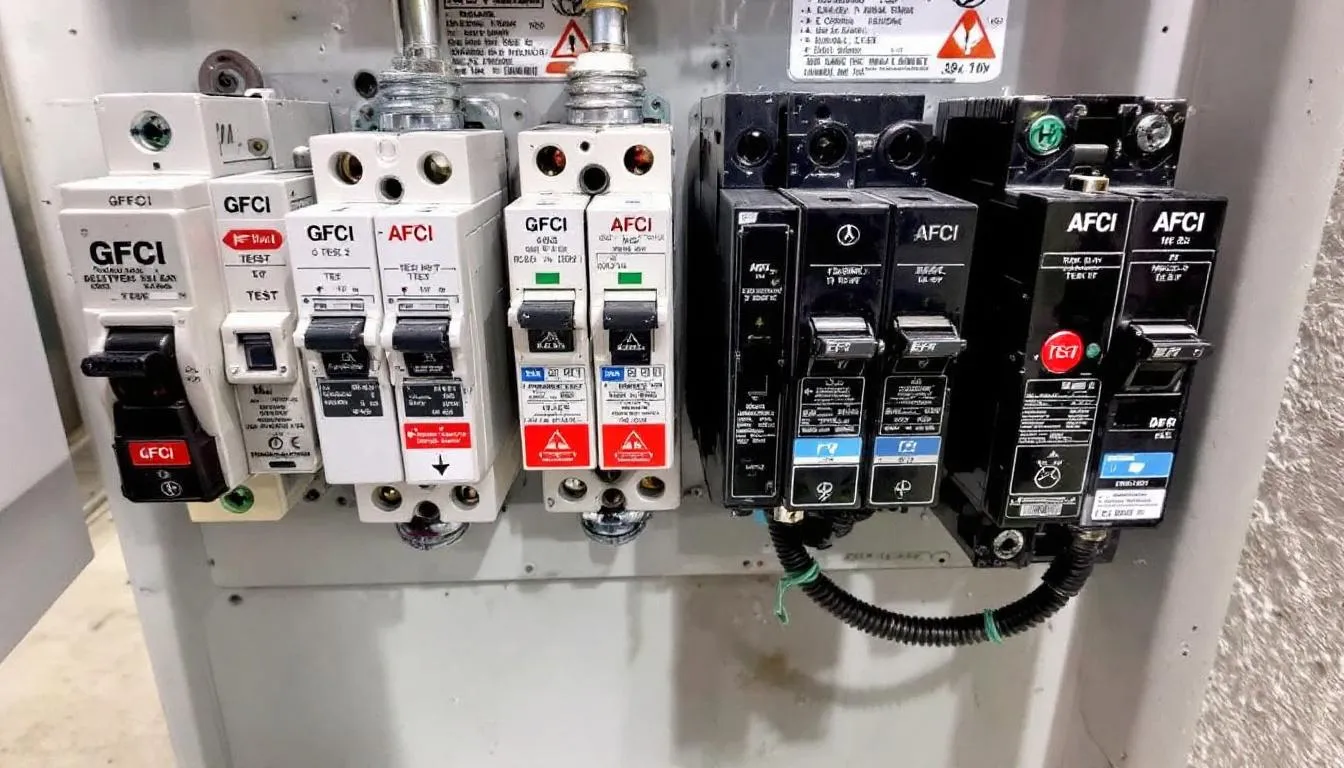
Kitchen little appliance circuits need to be GFCI secured and, for the most part for current code cycles, AFCI safeguarded as well. Garages, laundries, and outdoor receptacles are often GFCI required. Orange County electrical repair and enhancement work is better off allowed than hidden. Insurers and purchasers ask about it, and the inspection produces a record that the work meets code. For condos in Irvine or big associations in Aliso Viejo, get HOA approval first. Running a new circuit through common walls or utilizing attic area above shared passages can set off extra rules.
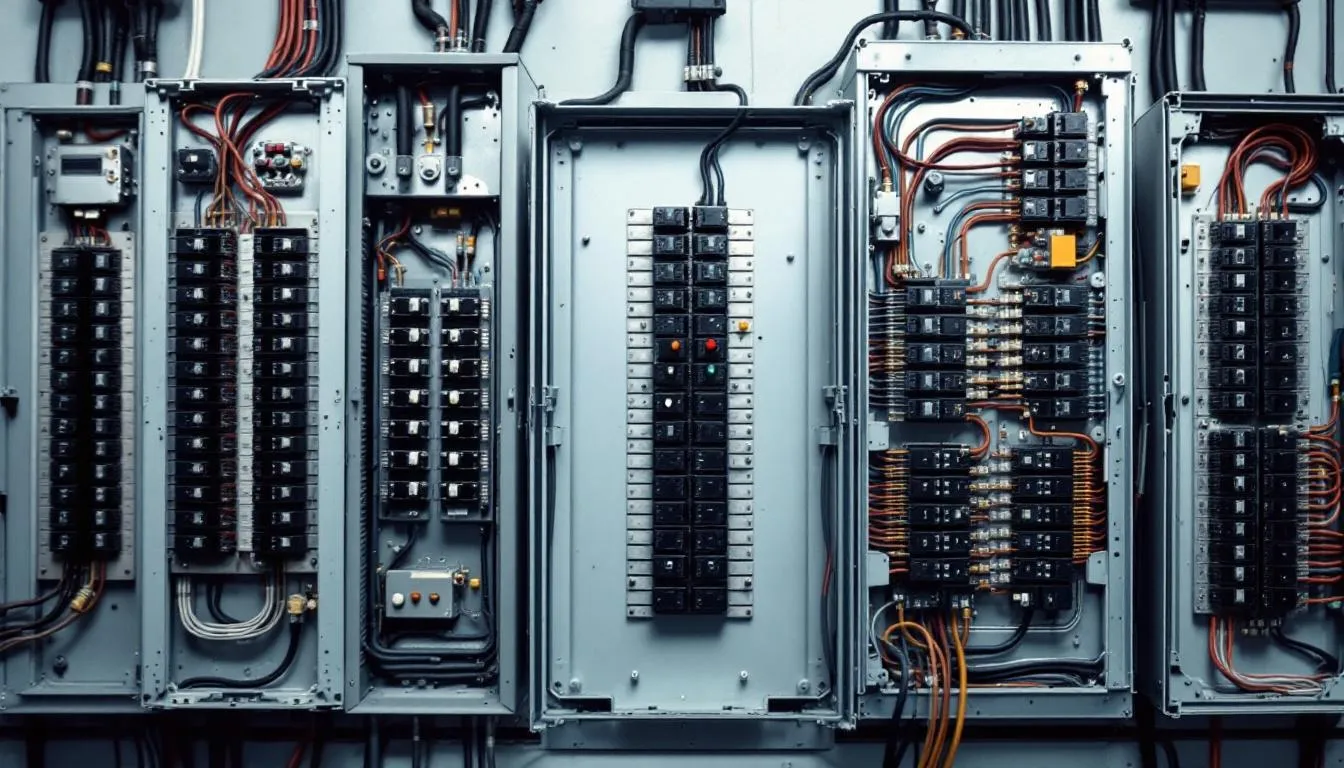
If you are planning an electrical panel upgrade Orange County project paired with dedicated circuits, anticipate a different authorization and coordination with Southern California Edison. For homes with older 100 amp services and a strategy to add an EV charger installation Orange County or a new heat pump, a panel replacement Orange County task to 200 amps prevails. In tight garages, we often add a 60 or 100 amp subpanel to prevent the expense of a complete change while still getting space for new devoted circuits.
Load computations and real‑world examples
Paper calculations are just part of the story. NEC Article 220 gives need aspects for ranges, clothes dryers, and general lighting, however the lived reality of Orange County homes does not constantly match the textbook. Here is how I approach it in the field.
First, I ask how you actually use your kitchen. In Newport Beach, a customer ran a 3,600 watt induction cooktop, a 1,500 watt microwave, and an espresso maker, all within a 45 minute window every early morning. Although the code allows two 20 amp little home appliance circuits for counter tops, we provided the espresso device its own 20 amp circuit with a dedicated receptacle. The microwave and counter outlets remained on their needed 2 circuits. The induction got a 40 amp two‑pole breaker with 8 AWG copper, since the panel was 75 feet away. The panel remained under its calculated load, and we acquired everyday dependability where it mattered.
For cooling, I take a look at the nameplate MCA and MOCP, then consider startup existing and distance. A Laguna Hills heatpump noted MCA 28 amps and MOCP 45 amps. The run length was 90 feet across a hot attic to the side lawn. We installed 8 AWG copper on a 40 amp breaker, with a non‑fused detach at the system and a weatherproof whip. Voltage drop determined under 3 percent during start-up, and the breaker has not tripped as soon as in two summers.
Conductor choices and protection
Copper stays the requirement for dedicated branch circuits in homes here, particularly for 15 to 60 amp runs. Aluminum can be suitable for feeders and bigger ampacity circuits when cost and distance turn copper into a budget plan problem, however terminations need the ideal connectors, antioxidant compound, and torque settings. For many kitchen and laundry circuits, 12 AWG copper on 20 amp breakers is the norm. For electric dryers and varieties, 10 AWG or 6 AWG copper on two‑pole breakers at 30, 40, or 50 amps, depending on the appliance.
Protection is not simply the breaker. GFCI security is needed in places with moisture and concrete floorings. AFCI security is required in numerous living areas to mitigate arc faults from harmed cables or loose connections. Mix AFCI/GFCI breakers or outlets get the job done. A local electrical expert Orange County who works daily with present code cycles will understand whether to use a dual‑function breaker or a GFCI receptacle downstream of an AFCI breaker to fulfill both requirements without problem tripping.
When the panel is full
Many owners discover they run out breaker areas at the worst possible time, like the day before the brand-new oven gets here. There are a number of ways to fix this. If the panel is noted for tandem breakers and the bus has area significant for them, we can often include a tandem without breaching the listing. If not, a small subpanel next to the main panel creates breathing room and can be done same day in a lot of cases. When the service is undersized or the panel is dated, a panel replacement Orange County job might be the smarter long‑term move, specifically if an electrical lorry battery charger Orange County addition or entire home rewiring Orange County is on the horizon.
Adding a subpanel for a dedicated A/C circuit is common. In a Mission Viejo garage without any breaker spaces left, we installed a 60 amp feeder with 6 AWG copper from the main panel to a new 8‑space subpanel. The subpanel got a 40 amp heatpump circuit and left room for a future EV charger and a dedicated freezer circuit. The expense of the subpanel was lower than requiring a full service upgrade, and the inspector appreciated the clean labeling and clear working space.
Kitchens, utility room, and garages
Dedicated circuits shine where loads are concentrated. Think about a normal Costa Mesa kitchen upgrade. We plan two 20 amp small device circuits for countertops, GFCI secured. The dishwasher and disposal go on separate circuits unless the manufacturer enables a handle‑tied duplex with load sharing, and even then I choose separation. A built‑in microwave gets its own 20 amp circuit. If there is a wall oven or induction, it gets the correctly sized two‑pole breaker based upon nameplate data. Ice makers and red wine refrigerators take advantage of dedicated circuits to avoid problem GFCI trips when compressors cycle.
In the utility room, electrical dryers use 30 amp 240 volt circuits with 10 AWG copper. Washers are fine on a 20 amp dedicated or shared laundry circuit, but GFCI is needed in many jurisdictions, so plan the protection type to prevent conflicts. In garages, freezers or large tools should not show the door opener and lights. I see a lot of situations where a table saw trip plunges the garage into darkness. A small subpanel in the garage is a cool way to carve out space and include lighting setup Orange County upgrades like LED store lights without crowding the main panel.
Commercial areas and dedicated loads
For little restaurants, physical fitness studios, and retail areas, dedicated circuits prevent downtime. A juice bar in Irvine had three blenders, an undercounter dishwasher, and a little ice maker on shared circuits that constantly tripped throughout rush hours. We ran 3 new 20 amp committed circuits for the blenders, one for the dishwasher, and a 30 amp for the ice maker. The owner reported that journeys dropped to absolutely no and the prep area became safer, since crews no longer ran extension cables across damp floors. A commercial electrician Orange County who knows Title 24 lighting controls and GFCI requirements can collaborate devoted circuits with needed lighting shutoff and receptacle control measures.
The procedure our clients follow to get it done
Assessment and load check: gather design numbers, inspect the panel, carry out a need load computation, and take voltage drop into account for longer runs Scope and prices: map the route, select conductor type and breaker, and present a clear cost with options for subpanels or a full electrical panel upgrade Orange County if needed Permit and scheduling: pull the authorization with your city or county, coordinate with HVAC or home appliance shipment, and set a date Installation: run cable television or avenue, terminate at the panel and gadget, install a code‑compliant disconnect if required, label everything Testing and evaluation: function test the appliance, validate GFCI/AFCI defense, fulfill the inspector, and close the authorization with paperwork for your records
Same day electrical expert Orange County service is typically possible for short runs from a garage panel to a neighboring home appliance. For attic or crawlspace work, or when drywall patching is inescapable, anticipate a 2nd check out. Emergency electrician Orange County calls occur too, specifically when a shared circuit feeding an A/C stops working throughout a heat wave. We carry typical breakers, disconnects, and wire sizes to get crucial loads back up quickly.
Costs, timelines, and what drives them
Homeowners ask for straight numbers. For a normal 20 amp 120 volt devoted microwave or appliance circuit, running 20 to 40 feet with straightforward attic access, prices often lands in the 350 to 750 dollar range. For 240 volt circuits at 30 to 50 amps with a go to the outside and a weatherproof disconnect for an A/C or heatpump, 700 to 1,600 dollars is a common range. Include distance, stucco exterior penetrations, or finished ceilings and the numbers go up. A small garage subpanel addition runs 1,100 to 2,400 dollars in most cases. Complete panel replacements with coordination to the energy vary widely, typically 2,500 to 5,000 dollars for a basic 200 amp upgrade, more if trenching or meter relocation is required.
Permits differ by city, usually in between 75 and 300 dollars for branch circuits, separate for panel work. Timelines vary from same day for a brief, available go to two or 3 days when spot and paint are included. A leading ranked electrician Orange County will offer you options that stabilize interruption, visual appeals, and cost.
Safety, labeling, and future proofing
Dedicated circuits are not practically performance. They are about safety and serviceability. Clear panel labeling conserves time when something needs service. A label that checks out Heatpump Outdoor Unit 40A, 8 AWG CU tells the next service technician precisely what is there. In older panels with faded handwriting, we reprint typed directories throughout Orange County electrical repair jobs. Little touches like isolated premises for sensitive electronics, tamper‑resistant receptacles in household areas, and thoroughly chosen GFCI areas decrease annoyance journeys and safeguard people.
Thinking ahead settles. If you believe an EV is in your future, include avenue space or a subpanel near the garage now. An electric car battery charger Orange County addition sits well on a 40 or 60 amp circuit in most cases. If you plan to include a sauna, a backyard health club, or a generator installation Orange County standby system, discuss it throughout the walk‑through. We can leave capacity and right‑sized paths to make the next project smooth. Smart home wiring Orange County upgrades, like dedicated low voltage electrical wiring Orange County pulls to access points and cams, also take advantage of preparing while the walls are open.
Troubleshooting tripping and dimming before you call
There are a couple of indications that a dedicated circuit is past due. If lights dim whenever the microwave begins, that microwave is likely sharing a small device circuit with lighting. If your condenser journeys a breaker on hot afternoons however runs fine during the night, you may be seeing thermal develop and voltage drop, and upsizing the conductor or verifying the breaker size against MOCP can fix it. If the dishwashing machine and disposal journey together, they may be sharing a circuit improperly, or a GFCI device may not be rated for combined motor loads. An Orange County electrical contractor will evaluate under load, measure voltage drop, and check terminations for heat staining. That information beats guesswork.
I when inspected a Lake Forest condominium where the wall oven, microwave, and a dining chandelier shared a multiwire branch circuit with a shared neutral and 2 single‑pole breakers not tied together. The neutral carried overloads throughout out of balance use, which created heat and intermittent lights. We fixed it by installing a two‑pole common‑trip breaker, separating the lighting, and devoting the microwave. The tripping stopped and the neutral stopped overheating.
Choosing the best partner
Credentials, referrals, and interaction matter. A licensed electrician Orange County who works daily with regional inspectors will assist you around common pitfalls, like missing out on disconnects at condensers or forgetting to label neutral bars in subpanels. If you are comparing quotes, ask what conductor size and breaker size are specified, whether GFCI or AFCI defense is included, and how they will route and patch. Budget friendly electrical expert Orange County does not need to imply corner cutting, it can imply a clean plan that avoids opening unneeded walls. The best electrical contractor Orange County for you is the one who describes the why, not simply the what.
For house owners trying to find a local electrical contractor Orange County with versatile scheduling, inquire about very same day electrician Orange County availability. Some groups, consisting of 24 hr electrician Orange County services, run devoted emergency situation trucks throughout heat waves to keep A/C going. If your job is bigger, like whole home rewiring Orange County combined with new devoted circuits, look for a professional who can stage work to keep you powered up during the night and who coordinates drywall repair work so you are not entrusted open patches.
Where dedicated circuits satisfy daily comfort
Dedicated circuits fade into the background when they are done right. They end up being the quiet infrastructure that lets your family cook, sleep, and work without considering what else is running. In an Anaheim Hills home with 3 kids and a labrador, the garage freezer kept thawing since it shared with 3 GFCI outlets and the opener. A basic dedicated circuit with a locked, labeled breaker solved an issue that had actually destroyed two loads of groceries. In a Tustin cottage, a 2‑ton mini divided tripped constantly on a stretched 14 AWG circuit someone had improvised. We ran 12 AWG on a 20 amp two‑pole breaker with an appropriate disconnect, and the system finally carried out like the manufacturer intended.
Small, accurate fixes beat workarounds whenever. If you are planning a device upgrade, a kitchen area remodel, or an a/c changeout, bring a residential electrician Orange County into the discussion early. The ideal circuit in the right location turns costly gear into dependable comfort. And if your needs lean commercial, a commercial electrician Orange County can map dedicated circuits that protect earnings by keeping vital equipment online during peak hours.
Dedicated circuits are not attractive. They will not change how your kitchen area looks or how your condenser sounds. But they will decide whether breakers trip throughout Sunday dinner, whether the A/C hangs on a 98 degree afternoon, and whether covert wires run cool for decades. That is the sort of quiet efficiency that pays you back every day.