Barber Supply Store Trends: Classic Tools Making a Comeback
Walk into a busy barber supply store today and the shelves tell a different story than they did five years ago. Alongside cordless trimmers and matte clays, you see straight razors, double edge safety razors, boar and synthetic brushes, tall blue disinfectant jars, and tins of tallow soaps with labels that read like apothecary notes. Customers handle these tools with the curiosity usually reserved for heirlooms. Many of them have never seen a strop in person. Yet sales data from distributors and conversations with shop owners point in the same direction: classic tools are not a nostalgia display, they are moving.
This shift is not a wholesale rejection of modern convenience. It is a recalibration. Barbers are reintroducing old techniques where they add value, and clients are reminding stores what ritual feels like when it is done with purpose. From my rounds with shop owners in Montreal, Calgary, and Seattle, from talks with a shaving company sales manager who tracks wholesale orders across the continent, and from the stacks of purchase orders I have read, a pattern keeps repeating. The classics are back, and they are paying their way.
Why the old ways are finding new hands
There are several reasons the pendulum swung back toward metal, leather, and soap. I hear the same themes whether the conversation happens behind a front counter or in the back room where someone is aligning clipper blades under a desk lamp.
Durability and value: Metal tools maintained properly last years, sometimes decades, and can be serviced rather than tossed. Experience as a differentiator: Ritual, heat, scent, and the tactile feedback of steel against whisker set a shop apart from a quick cut. Sustainability pressure: Reusable tools and paper or aluminum packaging create less waste than plastic-heavy disposables. Skill signaling: Performing a three-pass shave or a clean neck shave with a safety razor telegraphs expertise that clients will pay for. Retail attachment: Classic gear on the counter starts conversations, which often turn into take-home sales for the shaving store or the shop itself.
Each of these lends itself to a different product category, so it helps to break down what is happening by tool and by station.
The straight razor’s measured return
The straight razor never really vanished, it retreated to the back bar. Shops kept one sharpened for a few special clients and for straightening lines when regulations permitted. Over the past two years, that blade has come back to the front. Sales of stropping gear and blade oil are modest but steady, which is the sign of real use.
The working straight razor has two distinct paths. First, the traditional fixed blade that you hone on a stone and maintain with a strop. Second, the replaceable blade version, commonly called a shavette, which uses half of a safety razor blade or a proprietary single edge.
The fixed blade brings unmatched glide and feedback. It also brings responsibility. Honing needs to be scheduled, generally every 6 to 12 weeks depending on volume. Daily stropping does more for the edge than most barbers expect, about 20 to 30 laps pre-shave on leather with occasional linen work. If your shop serves 30 shave clients per week, plan for a dedicated strop in each room and a protective sleeve for each razor. Oil the blade lightly if it will sit for days between uses. Get in the habit of warming the spine and edge with the towel cabinet air rather than resting on a hot towel, which can raise micro-burrs if the steel expands too fast.
Regulatory context matters, and here regional detail is crucial. Straight razor use is licensed and inspected. In many provinces and states, a traditional fixed blade is allowed provided sanitation protocols are strictly followed. In some jurisdictions, replaceable blade systems are the only permitted option. If you are sourcing a straight razor Canada wide, check current provincial health guidelines before you order an inventory of strops and stones. Several wholesalers now tag products in their online catalogs with compliance notes per province, which saves returns later.
Economically, the service pencils out. A hot towel straight shave priced between 30 and 60 dollars, depending on market, typically takes 25 to 40 minutes. The consumable cost is low on a fixed blade, perhaps a few cents of soap and aftershave per client. On a shavette, each half-blade costs 10 to 30 cents, still modest. The margin is in labor and differentiation. Shops that promote a weekly or monthly shave membership report two things within a quarter: a lift in chair utilization in slower midweek slots and an uptick in retail because clients want to extend the experience at home.
Training is the gatekeeper. New barbers can learn a competent one-pass cheek and neck shave in a week of focused practice. Mastery of chin, upper lip, and cowlick-prone necks takes months. When I mentor, I teach a conservative first pass with the grain, then a cross-grain cleanup for line definition only. Against the grain is reserved for slower appointments and known skin. The key is pressure discipline. Let the weight of the blade cut, not your wrist.
Sanitation never gets glamorous, but it makes or breaks inspection day. Disassemble what you can. Clean visible debris with soap and warm water. Disinfect at the correct contact time per the manufacturer label, often 10 minutes for wet disinfectants used in barber shops. Wipe the tang and scales, where grime hides. Dry, then oil the pivot.
The takeaway for a barber supply store is simple. Stock both fixed blades and shavettes, carry decent stones in the 1K to 3K range for bevel setting and a finishing option at 8K or higher, and offer at least two strops at different price points. Merchandising them next to shaving soaps and brushes turns a curious stare into a bundle sale.
Safety razors and the disposable razor in the shop
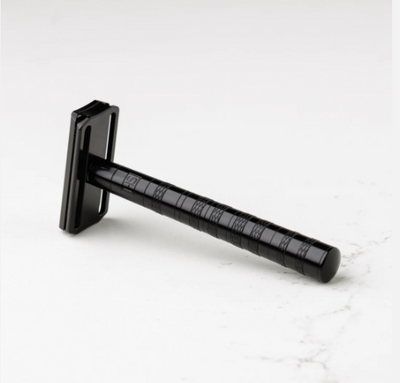
The safety razor might be the most practical bridge between modern shop routines and classic technique. It uses inexpensive double edge blades, gives more control than a cartridge head, and satisfies regulations that prefer a fresh edge per client. For barbers who do lineups on sensitive skin or clean the nape post-fade, a short-handled safety razor with a mild head and a sharp but smooth blade is ideal. Keep angles shallow, let the guard guide your wrist, and move deliberately. You can teach a junior barber to do a nape cleanup with a safety razor in an afternoon if they already have steady hands with a straight.
Clients ask about disposables because they know the word and the aisle at the pharmacy. In the shop, a disposable razor still has a place, often as a backup for travel kits, an option for events, or a quick lineup when the station’s safety razor has gone through several clients and you do not want to stop to swap a blade. The right disposable razor is not the cheapest one in a 20 pack. Look for a twin blade with a steady head and a lubricating strip that does not go gummy after one hot towel. You are not after ten shaves from it, you want one consistent pass.
Cost comparisons get interesting here. A double edge blade costs roughly 10 to 30 cents and can be split to both sides of the head, used for one client and then binned in a sharps container. A mid-tier disposable single use razor also runs between 20 cents and a dollar depending on brand and volume. The safety razor wins on shave quality and feel, but the disposable still wins on out-of-box speed. Most shops land on a mix. They keep a sleeve of disposables in the cabinet for peak hours and rely on safety razors for the majority of hot towel services and crisp necklines.
Retail customers lean toward safety razors faster than barbers expect. If you coach them on blade angle and light pressure, most make the switch within two weeks. Pack a small instruction card with every handle you sell. It cuts returns to near zero.
Brushes, soaps, and lather that behave
Lather is not just aesthetics. It is beard preparation and skin protection. The comeback has been strongest in soaps and creams formulated like the older generation’s, with tallow or high oleic vegetable oils that cushion well and rinse clean. On the brush side, synthetics have exploded because they dry fast, hold heat decently, and avoid animal hair concerns. Boar bristles still have a loyal following for face lathering with hard soaps because their backbone can load quickly. Badger hair, once the only “luxury” choice, is now an option among several, and customers choose based on feel and ethics, not status.
From a store’s perspective, the sweet spot is to carry three textures: a soft cream in a tube for travel or quick lathers, a croap in a tub for barbers doing multiple shaves per day, and a hard puck for traditionalists. If you only stock slick creams, straight razor users will complain that the blade skates and chatters. If you only stock very thick soaps, home users with less water control will overwhip and clog cartridge razors. Variety sells, and scent matters. Modern barbershop scents lean on powder, oakmoss, bay, and citrus. straight razor Menthol still moves in July.
Teach lather building in real terms. A larger brush knot will load faster but will also waste more product. Bowl lathering reduces waste and gives repeatable results day to day. Face lathering can act as a mini exfoliation step, useful before a straight shave. Water quality matters. Hard water will turn a great soap into airy foam with little glide. If your neighborhood has very hard water, sell a small bottle of distilled water as a test, then recommend a more tolerant soap base if clients see a difference.
Aftershaves and tonics with a point of view
Alcohol-based splashes earned a bad name when they were made bargain-basement and overloaded with fragrance. The better ones tighten pores and sanitize micro nicks without leaving the skin parched. Witch hazel blends are more forgiving on sensitive skin, and they layer well with lightly scented balms. The trend I see in orders is toward transparent labeling and scents that do not linger longer than the commute.
A simple back bar setup works everywhere. Use an antiseptic that meets local guidelines, keep an unscented balm for clients heading back to an office, and offer a single signature scent that clients begin to associate with your chair. A shaving company that sells direct to shops will sometimes customize scent ratios for larger accounts. That small tweak can become part of your identity.
Clippers, trimmers, and when classic means serviceable
While the focus here is on wet shaving tools, the comeback of classic thinking has reached the electric station too. Detachable blade clippers, the kind with steel blades you can switch mid-cut, are moving again after years when all-in-one cordless dominated. The reason is surgical: barbers want edges that can be zero-gapped and then reset precisely. They want a clipper that can run for years with a new cord and a couple of bearings. Trimmers with skeletonized housings are popular for visibility, but blades heat faster. Rotating two trimmers and keeping a cool-down plan avoids skin irritation.
Proper blade care is in the same spirit as stropping. Brush off hair, apply a single drop of oil to the contact points, run the machine to distribute, and wipe off excess. Many shops underestimate how much drag a dry blade adds. Your motor works harder, the edge dulls sooner, and you chase lines with extra passes. A few seconds of oil between clients saves repair bills a year later.
Ambience, ritual, and the cues that clients read
Clients notice the details that signal care. A visible glass jar of disinfectant with labeled contact times, a leather strop hanging from the station, warm towels that smell like eucalyptus instead of stale water, a clean alum block. None of these cost much, but together they tell a story about craft. When you reintroduce a hot towel sit for two minutes, use the time to consult. Where do cowlicks grow, where is the skin reactive, what is the client’s morning routine. Those answers will guide whether you go for a second pass or stop after one clean, comfortable pass and a balm. The point is not to perform every classic step, it is to choose deliberately.
I watched a barber in Kensington Market shift a hesitant client into a regular. The client came for a fade and never allowed a razor near his neckline. The barber showed him a safety razor, explained that the blade is new each time and that he uses a shallow angle with no pressure. He did a single, with the grain pass on the nape, no alum because the skin was dry, just a witch hazel splash. The client asked what razor that was, bought a handle and a pack of blades, and booked again for four weeks. That is the pattern I see often. Demonstrate on the chair, then let retail follow.
How barber supply stores and shaving stores are adapting
Wholesale buyers tell me the fastest growing SKU counts are in straight razors, safety razors, brush knots, and classic lather products. The second tier is maintenance: hones, stropping pastes, clipper oil, and barber towels. A modern barber supply store succeeds when it curates rather than overloads. Five versions of the same handle confuses. Two handles at distinct weights with different knurling invites a choice.
Online retailers learned a similar lesson. A shaving store can keep bounce rates low by building kits that match skill levels. A Starter Safety Razor Kit with a mild razor, ten blades, a synthetic brush, and a croap with easy lather wins conversions. An Advanced Straight Razor Kit with a carbon steel blade, a 3 inch strop, and a finishing stone appeals to the committed buyer who has watched dozens of honing videos. For Canada specifically, I see more searches for straight razor Canada that lead to local pick-up pages. The reason is rational, buyers want to hold the razor, feel the balance, and talk to someone about honing options and provincial rules.
Distributors are also partnering with small-batch brands. A shaving company that hand pours soaps in 200 unit runs can supply a region well and pivot on scent trends faster than a multinational. The risk is consistency. Vet them. Ask about batch logs, saponification controls, and packaging. One leaking jar in a shipment is a warning. Three is a problem.
A practical stocking and training checklist
If you run a barbershop, or you manage purchasing for a supply store, a light checklist helps avoid the common pitfalls of a classic tool reboot.
One straight razor per chair, plus one spare in the shop, with a strop per razor and a protective sleeve. A mild safety razor at each station and a sharps container within arm’s reach, plus a sleeve of quality disposable razors for peak hours. Three lather options across cream, croap, and hard soap, with at least one unscented or low fragrance choice for sensitive clients. A maintenance kit: clipper oil, brush cleaner, disinfectant with labeled contact time, a finishing stone or pasted strop, and blade oil. Training time blocked on the schedule, 30 minutes per week per barber for angle drills, lather building, and sanitation refreshers.
The trick is to tie stocking to services. If no one on staff is confident with a fixed blade, lead with shavettes and safety razors, then grow into honing. If your clientele is young and time pressed, focus on one pass neck cleanups and a quick post-shave routine, not a 45 minute spa shave. Let your market teach you where the ritual belongs.
Numbers that influence decisions
Margins tell a blunt story. A 40 dollar straight shave that uses 70 cents worth of consumables and 30 minutes of chair time can return more profit than a 25 dollar quick cut done in 15 minutes, assuming you can fill the slot. The attachment rate on retail after a shave is meaningful. Shops that place a small display of blades, travel brushes, and aftershaves within the client’s line of sight during the hot towel step report that 10 to 25 percent of shave clients buy something that day. It is not hard selling, it is making the option visible.
Blade costs are steady. Expect double edge blades to land for 10 to 30 cents each in sleeves of 100. Shavette blades vary widely, from value packs at similar prices to premium single edges at 50 cents to a dollar. Strops retail between 40 and 150 dollars based on width, leather quality, and hardware. Stones range from 30 to 200 plus depending on grit and brand. These are durable goods. A well maintained strop can last years, so think of it as infrastructure.
Education as retail
Knowledge is the new sampler. Host a 45 minute evening workshop once a month. Teach how to load a brush, how to find blade angle on a safety razor using the cap-first method, how to map beard grain. Charge a small fee and include a discount that evening. It builds community, it reduces returns, and it positions your store or shop as a resource. If you run a shaving store online, publish short, practical videos and a printable quick guide. Keep jargon low. Most clients care more about avoiding razor burn than debating whether a 0.68 millimeter gap is milder than 0.84.
Sustainability, waste, and the quiet math behind metal
The environmental case for classic tools is not a slogan, it is arithmetic. A metal safety razor handle can last decades. The waste per client becomes a thin sliver of steel, fully recyclable in many municipal programs if collected in a tin and handled as scrap metal. A fixed blade straight razor creates almost no consumable waste beyond soap packaging. Compare that to the plastic that accompanies multi blade cartridges and bulk disposable razors. The old tools win the waste audit.
Packaging has followed suit. Paper-wrapped soaps, glass aftershave bottles, and aluminum tins are more common. They ship heavier, which affects freight, but customers value the materials and often reuse containers. If you are a shaving company shipping nationally, consider offering blade bank tins and label recycling guidance clearly. People do the right thing when it is obvious how.
Regional notes, especially for Canada
Shops in Vancouver and Toronto report a steady stream of clients asking specifically for local availability. The search term straight razor Canada often lands them on a distributor page, then they click to find a dealer they can drive to. Shipping across provinces can add days and cost, so a brick-and-mortar option wins. Provincial regulators occasionally update sanitation rules, so keep a binder with the current documents printed and tabbed. Inspectors appreciate preparation, and it prevents last-minute service changes.
Looking ahead without chasing every fad
Classic tools are not a fad. They are workhorses that temporarily took a back seat when convenience and speed dominated the conversation. The shops and stores that are thriving pair the best of both. Cordless trimmers and time-saving booking apps on one hand, steel and lather on the other. When a barber supply store curates well, they help working barbers sharpen their edge in both senses. They stock sturdy handles, honest soaps, blades that do the job without fanfare, and the quiet maintenance items that make stations hum.
I spent a morning last fall with a Calgary owner who had nearly given up on shaves after the pandemic restrictions and insurance headaches. He kept one shavette in a drawer for lineups and ignored the rest. A client asked if he could bring his grandfather’s razor in to have it honed. They said yes, dusted off the strop, and made space in the schedule for two shaves a week to test interest. Six months later, they had a loyal Friday afternoon list, bundled a safety razor kit at the front counter, and worked with a local shaving company to bottle a light cedar splash with their logo. Revenue rose, sure, but more importantly, the team felt like craftsmen again. That feeling shows in the work, and clients see it.
For the rest of us, the lesson is clear. Stock with intent, train with humility, and use the classics where they make you better. The comeback is already here. The only question is how you want to participate.