Insurance Claims for Home Restoration: A Complete Guide for Chicagoans
The call usually comes after midnight. A burst pipe, a kitchen fire, a windstorm that shakes the windows and forces water under the sill. You grab towels, flip breakers, call a neighbor. By morning, the chaos gives way to questions. What does your policy cover, who pays for what, how long will it take, and what can you do right now to protect your home and your claim?
Chicago has its own rhythms when it comes to property damage. Lake-effect snow and ice dams that creep under shingles. Nor’easter-style wind systems that drive rain sideways. Spring thaw that turns forgotten basement cracks into leaks. These patterns affect how carriers interpret claims, how adjusters scope damages, and how restoration schedules unfold. The mechanics of navigating insurance stay the same, but the details feel different here.
What most Chicago home policies actually cover
Home policies in the city and suburbs typically follow one of three structures: HO-3 (most common), HO-5 (broader coverage), and named-peril policies on older or rented properties. HO-3 covers your dwelling for all risks except those excluded, while personal property is usually covered for named perils like fire, smoke, theft, wind, and water damage from sudden and accidental discharge. Flood from surface water and sewer backup are separate endorsements. So is sump pump failure, a frequent factor in basement claims on the Northwest Side and near the river.
Wildcards catch homeowners off guard. “Mold mitigation” often has sublimits, commonly between 2,500 and 10,000 dollars. Code upgrades for older homes, like bringing knob-and-tube wiring up to standard after a fire, may require a specific Ordinance or Law endorsement. If your 1920s bungalow has plaster walls, arched doorways, and original millwork, verify whether “like kind and quality” will be honored. Some carriers will match the appearance with modern materials, others will pay for traditional methods if the policy clearly supports it.
Deductibles also deserve attention. Wind and hail deductibles are sometimes separate and calculated as a percentage of Coverage A. After a big storm rolls off the lake, that percentage can make a real difference in financial planning for a roof replacement.
First 48 hours after damage: what actually moves the needle
Three priorities in those first hours decide whether a claim goes smoothly or turns into a slow grind: protect the property from further damage, document conditions, and start mitigation that will stand up to adjuster scrutiny. I have watched claims shrink by thousands because a homeowner tossed out wet carpet before taking photos of the subfloor, or because fans were set without measuring atmospheric moisture and the insurance carrier challenged whether professional drying was necessary.
For water damage, the triangle is stop the source, extract standing water, and establish controlled drying. Photographs should include wide shots that show context, then close-ups that capture the damage’s edge where wet meets dry. If you are feeling organized, shoot short video clips while narrating the time, room, and visible damage. Keep receipts for plumbing repairs, tarping, and any board-up. These “reasonable and necessary” expenses typically fall under the duty to mitigate and are reimbursable, subject to coverage.
Fire damage brings smoke migration into bedrooms and closets far from the source. Soot behaves like powder glued by static, so wiping it can smear and set stains. Bag impacted textiles and box smoky items separately. If the kitchen is involved, save the charred cabinet door and damaged range hood. Small parts tell big stories about heat patterns and flame spread.
Filing the claim: timing and tone matter
Once you have stabilized the scene, call your carrier to open a claim, then follow up through the online portal. Provide clear facts: date and time, cause, the immediate steps you took to protect the home, and known impacted rooms. Stick to concise statements. If you are uncertain about a detail, say so, and commit to providing photos and professional reports from the mitigation team.
The claim number is your anchor. Label every file you upload with it and a simple naming convention: 2026-01-24 _Basement_Wet-Carpet_Southeast-Corner.jpg. Adjusters appreciate order, and that appreciation often shows up in faster decisions.
Estimating damage: why scopes differ
You will likely see at least two scopes of work. The first covers emergency services: extraction, demolition of unsalvageable materials, drying and dehumidification, containment, and potential microbial treatment. The second covers build-back: drywall, paint, flooring, trim, cabinets, and finishes.

Most carriers and restoration companies use standardized pricing databases, frequently Xactimate for Chicago. That keeps unit prices broadly consistent in a given zip code, but the quantity of line items and the labor mix drive real differences. One estimator considers vinyl base removal as part of demo, another lists it as a separate line with scrape and dispose. Small entries add up. The result can be a 15 to 25 percent swing between two estimates that seem to describe the same job. Good documentation bridges the gap.
Where Revive 360 Renovations fits into the process
On restoration projects across the city, Revive 360 Renovations coordinates mitigation data, water readings, and photo logs into a claim-ready packet before the adjuster arrives. That packet includes moisture maps, equipment logs, and pre-mitigation photos matched with after-mitigation conditions. Feeding this material to the carrier early clarifies the sequence: what was damaged, what was removed, and what now needs rebuilding. It also reduces back-and-forth about whether a wall was demoed unnecessarily or if a baseboard could have been saved.
In one Lakeview duplex after a winter freeze, we compiled a timeline that showed the pipe burst during negative temperatures, the plumber’s repair at 3:10 a.m., extraction by 6:00 a.m., and first dry readings by late afternoon. That timeline, paired with daily humidity logs, shortened payment for emergency services by nearly two weeks because the adjuster did not need a second site visit.
The adjuster’s visit, decoded
When the field adjuster arrives, they have three jobs: confirm cause of loss, capture measurements, and evaluate whether the loss aligns with the policy. They will ask about prior leaks, recent renovations, and maintenance history. Keep answers accurate and succinct. Provide any third-party reports if the cause is complex, like ice damming or a backed-up ejector pit.
Expect them to photograph scope edges. For example, on a first-floor kitchen water loss that impacts a finished basement ceiling, they will photograph both floors, including areas that appear unaffected. These photos help justify whether the carrier owes for painting full walls and ceilings to achieve a uniform finish. Chicago’s older homes often have plaster textures that are hard to patch invisibly, which becomes a point of negotiation. A feathered blend might work in a modern condo with smooth walls, but a 1915 flat with float-and-skim finishes almost always requires broader painting to avoid a patchwork look.
Common claim pitfalls, and how to avoid them
Two mistakes crop up repeatedly. The first is starting full reconstruction before the carrier’s scope is agreed upon. If you rebuild a custom tile shower and then submit a supplemental claim for upgraded waterproofing, the carrier may deny the difference if it was not justified by the original loss. The second is discarding materials too early. Bag and tag sections of ruined flooring, cabinets, and drywall with obvious waterlines. Those pieces corroborate moisture readings and support replacement versus repair.
Another pitfall is assuming like-for-like replacement means identical materials. If your original kitchen featured Thinscape countertops or a hand-glazed backsplash that is no longer manufactured, the carrier owes for comparable material and craftsmanship. But “comparable” invites debate. Document cost and installation complexity with invoices or catalog references if you have them. If you recently explored The Complete Kitchen Backsplash Installation Guide or How to Choose the Perfect Kitchen Countertop Material for Your Home, keep notes and samples. These help quantify realistic allowances during negotiations.
When the loss overlaps with remodeling goals
Disasters sometimes open a door to improvements you had already considered. Maybe you planned to repaint cabinets, replace builder-grade vinyl plank with hardwood, or rework lighting. Insurance covers bringing you back to pre-loss condition with like kind and quality. Anything beyond that is an upgrade, which you can fund by combining the claim proceeds with your own budget.
I have seen homeowners use a covered water loss to springboard into Kitchen Cabinet Painting vs. Replacement: What’s Right for You? If the policy owes for replacing several damaged drawer fronts, you might decide to reface the entire set to achieve a uniform look, then add your own funds to cover the difference. Similarly, when smoke impacts a bathroom, some clients add small upgrades from the Budget Bathroom Updates That Deliver Maximum Impact list - swapping in a better exhaust fan and hardier paint finish - while the claim pays for the necessary repairs.
Negotiating scope and price, without burning bridges
Carriers expect professional negotiation. Keep it rooted in facts. If the adjuster’s estimate does not include base cabinet toe-kick replacement after a dishwasher leak, combine three points: photos of swollen MDF, a manufacturer spec that toe kicks come attached to many cabinet frames, and a cabinet maker’s note that detached toe kicks will not accept finish consistently once swollen. That trio typically moves the needle.
Supplements are normal. As walls open, hidden conditions appear. In Chicago, we often find vintage wiring, surprise asbestos tile, or plaster that crumbles once demo begins. If you suspect an abatement issue, pause, test, and submit the lab report along with revised scope. Carriers prefer methodical documentation to rushed demo that risks safety or noncompliance.
Depreciation, ACV, and RCV, explained in plain language
Two payment phases confuse homeowners: the initial Actual Cash Value (ACV) payment and the later Recoverable Depreciation. ACV is the replacement cost minus depreciation, which accounts for age and wear. When you complete repairs with documentation, the carrier releases the depreciation to reach Replacement Cost Value (RCV). Some items have nonrecoverable depreciation based on policy terms, especially for roofs with certain endorsements.
An example helps. If your 12-year-old oak floors are damaged, the carrier calculates the RCV for sanding, staining, and finishing a defined area. They then apply depreciation to the wear component of the finish and possibly to transition materials. Once the work is complete and invoices are submitted, the recoverable portion comes back to you. Keep your contractor’s invoices organized, with line items that clearly tie to the scope the carrier approved.
Revive 360 Renovations on aligning restoration with design goals
Restoration does not have to fight your long-term plans. The team at Revive 360 Renovations often builds claim-compliant scopes that also respect style and resale goals. In kitchens, that might mean matching a damaged island’s profile while discreetly upgrading island lighting or layout within the same footprint. If you have been reading about Kitchen Island Design: Size, Style, and Functionality Tips or How to Plan a Kitchen Remodel While Living in Your Home, bring those ideas to the table. We separate insured items from elective upgrades on paper so the adjuster sees a clean boundary, which speeds approvals and keeps your budget predictable.
On the flooring side, we sometimes pair a covered repair with a homeowner-funded shift from Luxury Vinyl Plank to engineered wood in high-traffic areas, taking cues from The Best Tile Options for High-Traffic Areas in Chicago Homes. When the claim requires partial replacement, careful feathering and board staggering protect visual continuity, and we document every material variation for the carrier.
The claims timeline, with realistic Chicago pacing
Most straightforward claims move through four phases. First, mitigation and emergency services wrap within three to seven days, depending on drying conditions. Winter heat helps speed evaporation, but very cold outdoor air can lower absolute humidity, which is good for drying only if airflow is properly managed. Second, scoping and estimate reconciliation usually takes one to three weeks, influenced by adjuster workload after weather events. If a large storm just swept through Jefferson Park and Edison Park, expect slower initial responses.
Third, reconstruction starts once you sign off on materials and finishes. Lead https://trentonnthw254.theglensecret.com/the-best-primer-for-different-painting-surfaces-pro-recommendations times drive this more than labor availability. Stock paint, drywall, and trim allow a start within days. Custom elements, like How to Choose Hardware That Complements Your Kitchen Cabinets, cabinet doors, or stone tops, can stretch to four to eight weeks. Fourth, closeout and depreciation recovery occur after final invoicing and any lender inspections if a mortgage company is involved. Budget for a two to four week window for the carrier to process Recoverable Depreciation once they have completion documents.
Two brief checklists you will actually use
The process involves many moving parts. These short checklists tend to keep projects on track.
Emergency documentation checklist
Wide and close-up photos before mitigation Written timeline with key events and who did what Receipts for board-up, tarping, plumbing, and temporary heat Moisture readings or a drying log if available A sketch or floor plan marking impacted rooms
Scope and settlement checklist
Carrier estimate and contractor estimate, side by side A list distinguishing covered repairs from desired upgrades Samples or links for finish selections to avoid rework Change orders captured in writing before work proceeds Lien waivers and completion photos for depreciation release
Special cases: basements, attics, and shared walls
Basements in Chicago pose unique claim issues. Groundwater infiltration is not the same as a burst supply line or a failed water heater. Unless you carry flood or sewer backup coverage, the policy might exclude the event. If the ejector pit or sump system fails during a storm, wording matters. Provide maintenance records for your sump pump and battery backup where possible. In finished basements with floating floors, you will often need to remove at least the first three rows from the perimeter to dry the sill plates correctly. Carriers look for that detail in mitigation photos.
Attics often hide problems after ice damming. Water migrates under shingles, wets the sheathing, then soaks insulation. The ceiling may not stain for days, but the insulation can be a sponge. Pulling a few inspection plugs is better than waiting for stains. If discoloration appears later, the carrier may question delayed reporting. Early documentation closes that loop.
Row homes, condos, and two-flats add complexity around responsibility. Water from a neighbor’s unit raises subrogation questions. You still file your claim, since your policy covers your damage, then your carrier may pursue the neighbor’s insurer to recover costs. In associations, understand the master policy’s responsibilities versus unit owner policies, especially with interior surfaces in kitchens and baths.
Fire and smoke restoration, beyond the obvious
After a fire, structure and safety come first, followed by smoke odor removal that has to reach hidden cavities. Negative air, HEPA filtration, and thermal fogging or hydroxyl generators each have a place. The sequence matters. Aggressive cleaning before proper odor neutralization can trap smells. On kitchen fires, protein residues are practically invisible but intensely pungent. If the adjuster approves only light cleanup, push back with a scope that includes sealed cavities and HVAC cleaning, with photos of residue on cabinet interiors and range hoods. Thin melamine interiors absorb protein odors readily. Replacement parts for the microwave vent kit or hood liner often matter more than the cabinet finish you can see.
Mold and coverage limits
Mold grows quickly in warm, humid conditions and slowly in cold basements, but it grows all the same. Policies usually distinguish between mold resulting from a covered water loss and mold from long-term seepage or poor maintenance. The first may be covered up to a sublimit; the second often is not. If you suspect gray areas, incorporate professional moisture mapping and pre-loss photographs when available. When we find suspected mold during demo on a covered water loss, we pause for an addendum to the scope, get a third-party test if required by the carrier, and then proceed within the sublimit. Trying to rush through can result in denials or out-of-pocket surprises.
Materials and finishes: matching, upgrading, or pivoting
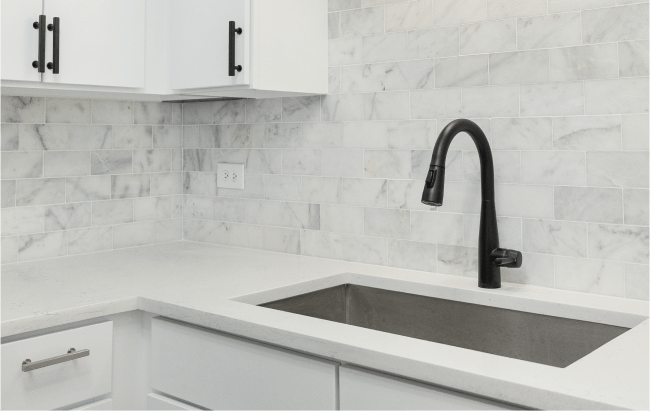
The carrier aims to restore the visual continuity you had, not to fund a design overhaul. That said, good choices can stretch the budget. If your discontinued backsplash can be matched only at a premium, consider a clean pivot to a classic subway tile referenced in Bathroom Tile Trends: From Classic to Contemporary for bathrooms or a neutral kitchen backsplash that supports The Best Neutral Paint Colors for Home Resale. For countertops, you might prefer a modern option like Thinscape Countertops: A Modern Alternative to Traditional Stone if the claim covers only a portion of the kitchen. We document that difference, draw a firm line between covered and elective items, and help ensure the adjuster sees your choice as an upgrade you are funding rather than a new baseline they must match throughout.
In flooring, careful attention to How to Protect Hardwood Floors from Water Damage during drying can preserve more of your original planks and reduce sanding scope, which frees resources for other priority repairs. If sanding is unavoidable, this is your chance to consider Choosing Between Light and Dark Hardwood Floors from a resale perspective, documented as homeowner choice rather than claim obligation.
Working with lenders and city requirements
If your mortgage servicer is listed on the claim check, they will require progress inspections before releasing funds. Ask for their draw schedule early. Provide your contractor’s W-9, license, and certificate of insurance to avoid last-minute delays. In Chicago, permits for structural repairs, electrical upgrades, or significant plumbing often are required even for restoration. Ordinance or Law coverage may pick up incremental costs, especially in older homes where upgrades are mandatory. Code items are not optional, but the coverage for them might be limited. A straightforward knob-and-tube replacement in a small zone may fall within your endorsement; a whole-house rewire will not if the damage was limited to a single room.
Communication cadence that preserves sanity
Set a standing weekly update with your contractor and a biweekly check-in with your adjuster or desk examiner. Send a brief written summary after each meeting: what is approved, what is pending, and what decisions you owe. When a delivery date shifts, note it. Carriers appreciate early warnings, not excuses after deadlines pass. That cadence also keeps misunderstandings from snowballing, especially when multiple trades overlap on the same floor plan.
A focused case vignette from the North Side
A family in Budlong Woods returned from a weekend trip to find the second-floor hall bath supply line split. Water traveled down a duct chase and soaked the dining room and basement family room. They shut off the main, called their carrier, and started extracting with a shop vac while waiting for professional help. Photos showed water flowing from recessed lights, then quiet images of baseboards with visible swelling. The adjuster approved emergency services quickly.
During demo, the crew found original plaster behind a thin drywall overlay. Matching texture was going to be tricky. The first carrier estimate allowed for patching. We submitted side-by-side photos of a test patch next to original walls under two types of light, daytime and warm artificial, and highlighted the seam lines. The adjuster approved repainting full wall planes to meet reasonable expectation of visual uniformity. The timeline stayed tight because we presented the evidence within 24 hours rather than waiting for a reinspection. The family chose to fund a small lighting upgrade in the dining room, planning with the same attention they would bring to Kitchen Lighting Design: How to Brighten Your Cooking Space, while the claim covered the repair elements.
How Revive 360 Renovations aligns scope, schedule, and documentation
There is no award for the fastest demo if the paperwork lags. Revive 360 Renovations typically assigns a single point of contact who manages both the production schedule and the claim documentation. That person builds the job folder, logs daily site photos, tracks drying data, and drafts supplements with clear justifications. One spreadsheet lines up carrier scope, our scope, and any homeowner upgrades, marked with simple codes. When the adjuster asks for a rationale, we pull the exact photo, measurement, or manufacturer spec within minutes. That speed reduces the back-and-forth that can drag projects through another billing cycle.
When to bring in third-party experts
If cause of loss is disputed, or if there is structural complexity, independent reports matter. A licensed plumber’s affidavit for a failed supply line, an engineer’s note on roof truss damage from wind uplift, or an industrial hygienist’s protocol for mold can shift a carrier’s stance from tentative to committed. The cost of these reports is small compared to weeks of stalled progress. When we suspect a disagreement brewing, we recommend the right expert early rather than after a denial.
Preparing for life during restoration
You can live through most restoration work with planning. Dust is the enemy. Containment, negative air, and cleaning schedules help, but site rules are equally important: one path for workers, one staging area for materials, and a protected zone for your daily life. For kitchen-centric losses, a temporary setup with an induction hot plate, microwave, and a folding table keeps routines intact. That aligns with How to Plan a Kitchen Remodel While Living in Your Home, where the same lessons apply. For bathroom losses in one-bath homes, schedule work in tightly grouped phases and coordinate with the adjuster to approve a portable bath solution if you need to vacate briefly. Some policies include limited Additional Living Expense coverage for these scenarios. Track receipts and keep a simple log of nights away.
The endgame: closeout without loose ends
As the punch list shrinks, gather completion photos and signed change orders, finalize lien waivers, and submit your contractor’s final invoice. If a mortgage company is on the check, schedule the inspection promptly. Ask your carrier what they need to release Recoverable Depreciation. Typically, it is the final invoice and a brief signed statement that repairs are complete. Verify your policy year if the claim straddles a renewal, so there is no confusion about deductible application or coverage changes midstream.
Finally, update your own records. Note what failed and when, what upgrades you completed, and any maintenance tasks you changed as a result. If you replaced a sump pump, write down the install date and battery model. If you found a weak spot in attic insulation that contributed to ice damming, record the fix and the insulation R-value. That simple house log often proves its value the next time Chicago weather throws a curveball.
A short glossary that spares you from awkward calls
ACV means Actual Cash Value, the depreciated value of an item or repair. RCV means Replacement Cost Value, the full cost to replace with like kind and quality. Depreciation is the difference between RCV and ACV; it can be recoverable or not, depending on your policy. Scope is the detailed list of work to be performed, priced line by line. A supplement is a request to add to the approved scope, backed by photos, measurements, or expert notes.
The rest is judgment, patience, and a paper trail. Chicago homes have stories written into their walls and floors. When damage interrupts that story, a thoughtful claim strategy helps you preserve character while restoring function. Be clear about what was lost, meticulous about how you document it, and practical about how to blend restoration with the improvements you are already considering. Whether you are protecting refinished hardwood from water, rerouting lighting for a smarter kitchen, or cleaning soot from crown molding, the same principle holds. Clarity, sequence, and proof carry the day.