Just read what it means to be human story online
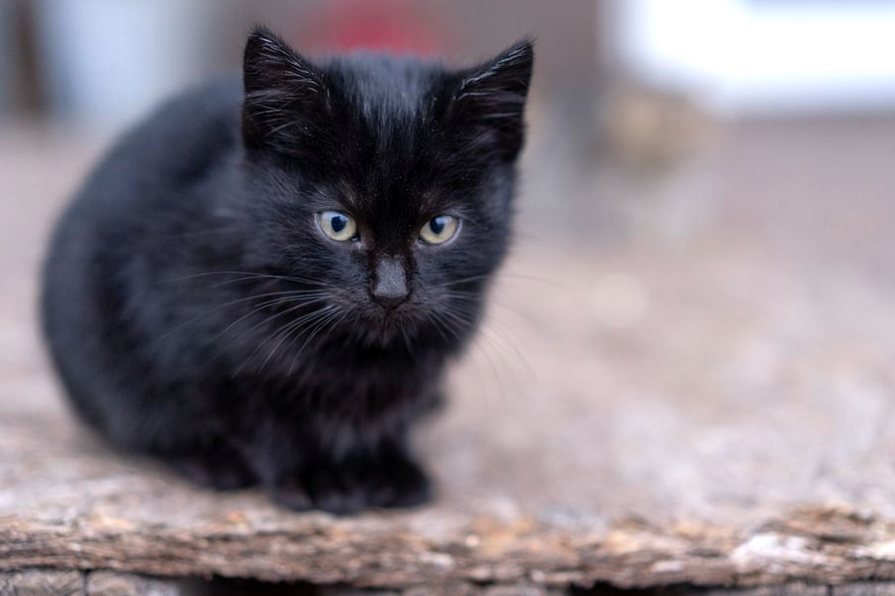
What the story follows
“What It Means to Be Human” follows Ivan, a boy who has stopped thinking about how his actions affect animals. You can read the story online as a sequence of chapters, beginning with his meeting with a wizard and continuing through his transformation into a stray dog and then a cat.
The opening scene sets up the lesson through a small, recognizable choice: Ivan throws pebbles at sparrows because he is bored. He argues that he has done nothing wrong since he did not hit them. The wizard challenges that reasoning by asking Ivan to imagine being treated the same way.
How the chapters connect
Chapter 1 establishes the cause of Ivan’s strange journey. The wizard says the boy has forgotten what it means to be human, then changes him into a dog so he can experience the vulnerability he dismissed. The transformation gives the story a clear path: Ivan must understand other creatures’ feelings before he can return to his human form.
In “In a Dog’s Skin!”, Ivan discovers that his intentions do not control how others interpret him. He approaches Zoya to ask about Vasya, but she sees a frightening stray dog. Vasya throws a stone to protect his sister, and Ivan feels the pain he once ignored when he threw stones at birds. The scene makes the difference between intention and impact easy to discuss with younger readers.
Later, a neighbor offers Ivan a heavily seasoned piece of sausage as a joke. Ivan spits it out and remembers that he once laughed at similar treatment of animals. The episode broadens the story’s focus: cruelty can come from treating an animal’s discomfort as entertainment, even when no one means to cause lasting harm.
Chapter 3 begins when Ivan chases a cat and finds himself transformed into one. The excerpt ends while he is still in that form, so readers should expect the story to continue beyond the scene provided here.
Reading it online with context
If you want to follow the narrative in order, start with the opening chapter rather than jumping directly to the transformations. The wizard’s conversation explains why Ivan changes, while the dog episode shows how that lesson works in practice. The cat chapter then tests whether Ivan has understood it.
To read what it means to be human story online, use the chapter headings as landmarks and pause after each change in perspective. That makes it easier to track which details belong to Ivan’s human assumptions and which belong to his experience as an animal. The story describes familiar places, including a yard, a sandpit, a bench, and a puddle, but each looks different to Ivan once he has paws instead of hands.
A useful reading question is whether Ivan learns empathy because the wizard explains it or because he feels its consequences. The story gives weight to both: the wizard names the problem, but Ivan’s encounters with frightened children, a stone, hunger, and pain make the lesson concrete.
What to notice as you read
Watch how Ivan’s judgments change. At first, he assumes that animals cannot think or feel and will quickly forget what people do to them. As a dog, he becomes hungry, gets hurt, and feels fear; as a cat, he faces another change in his position. These experiences challenge his earlier claim without turning the story into a lecture.
The humor also carries part of the argument. Ivan’s discomfort with the spicy sausage may seem comic to the adults watching, but he experiences it differently. Readers can compare their reaction with his and ask why an animal’s distress might look funny from a distance.
Read one chapter at a time and note what Ivan believes before each transformation, then what he learns from the next encounter. Which moment most clearly changes the way he treats animals?