<h1>How Professionals Safely Get Rid Of Asbestos</h1>
Specialists safely get rid of asbestos by very first identifying suspicious products and examining dangers, then securing off workplace with impermeable barriers and keeping adverse pressure to avoid fiber getaway. They put on specialized safety equipment and usage damp techniques to reduce dirt. Waste is double-bagged, plainly identified, and disposed of at licensed websites, following stringent policies. Post-removal air tracking verifies the site is safe before reentry. Each action adheres to rigorous legal procedures-- maintain mosting likely to discover the procedure in detail.
Takeaways
- Experts determine and analyze asbestos-containing products using evaluations, tasting, and laboratory evaluation to establish presence and degree.
- They establish closed containment areas with unfavorable pressure systems and HEPA filtration to stop airborne fiber getaway throughout removal.
- Employees put on complete safety gear, consisting of NIOSH-approved respirators and disposable coveralls, and make use of wet techniques to decrease dust.
- Gotten rid of asbestos products are double-bagged, labeled, and carried by accredited service providers to authorized disposal websites.
- Post-removal, air monitoring and aesthetic assessments are conducted to verify secure, debris-free conditions prior to reoccupation.
What Is Asbestos and Why Is It Unsafe?
Ever before ask yourself why asbestos is such a problem in older structures!.?. !? You'll discover that asbestos history traces back to its widespread use for fireproofing, insulation, and strength, particularly prior to policies tightened up in the late 20th century. Asbestos is in fact a team of naturally taking place silicate minerals, and its chemical composition-- mainly silicon, oxygen, hydrogen, and various steels-- develops fibers that withstand warm and chemicals. The risk comes when these fibers are disturbed and become air-borne. Breathing them in isn't risk-free; they can lodge in your lungs and create conditions like asbestosis, lung cancer cells, and mesothelioma cancer. Regulative conformity now calls for rigorous controls due to the fact that also very little air-borne exposure is unsafe. That's why comprehending asbestos and its dangers is vital before any renovation or demolition.
How Do Specialists Determine Asbestos in Structures?
When you're identifying if asbestos is existing in a structure, experts begin with visual inspection techniques to detect suspect products. They'll then collect examples for laboratory analysis, complying with strict regulative protocols to assure safety and precision. Assessing the age of materials also aids, given that asbestos was generally made use of in construction before certain restrictions worked.
Aesthetic Inspection Techniques
How can you determine if a structure material contains asbestos just by considering it? You can't count only on look, but you must recognize what to search for. Experts utilize visual inspection strategies to spot suspicious products-- commonly insulation, ceiling floor tiles, or floor coverings mounted prior to the 1980s. You'll need to thoroughly take a look at surfaces for typical asbestos-containing patterns, such as coarse textures, corrugated sheeting, and certain ceramic tile dimensions. Pattern mapping allows you to systematically document where suspicious materials lie throughout the building for regulatory conformity. Infrared scanning can help you discover unusual temperature level signatures that may suggest surprise asbestos-containing products behind walls or ceilings. Keep in mind, visual examination is only the primary step; you should adhere to governing protocols and never disrupt suspect materials prior to more analysis.
Lab Sample Analysis
Verify the visibility of asbestos by sending material examples to a licensed lab for evaluation. You'll require to adhere to strict chain of guardianship procedures to maintain example honesty and regulative conformity. In the lab, technicians use chain digestion-- a chemical process that damages down the sample's matrix without destroying asbestos fibers. This step is important prior to microscopic evaluation. Making use of stage contrast microscopy (PCM) or transmission electron microscopy (TEM), experts execute fiber counting to quantify asbestos fibers and differentiate them from non-asbestos products. Precise fiber counting is crucial for determining both the visibility and concentration of asbestos. The results assist your following actions in reduction or monitoring. Bear in mind, only approved labs can give results recognized by regulative companies, making sure the information's reliability and legal defensibility.
Material Age Evaluation
Typically, specialists examine the age of building products as a main action in identifying prospective asbestos-containing materials (ACMs). You'll begin by evaluating construction documents and building strategies to establish material dating. Materials installed before the late 1980s are more likely to include asbestos, provided historic production practices. It's essential to examine documented provenance-- upkeep logs, renovation histories, and supplier details-- to confirm when and where specific items were used. By cross-referencing these resources, you can limit high-risk areas and prioritize sampling. Governing standards need this comprehensive review to guarantee compliance and safety and security. Remember, aesthetic evaluation alone isn't sufficient; you need to combine product dating with research laboratory evaluation for confirmation. This step-by-step method decreases exposure danger and helps you satisfy legal obligations in asbestos administration.
What Safety Gear Do the Pros Utilize for Asbestos Elimination?
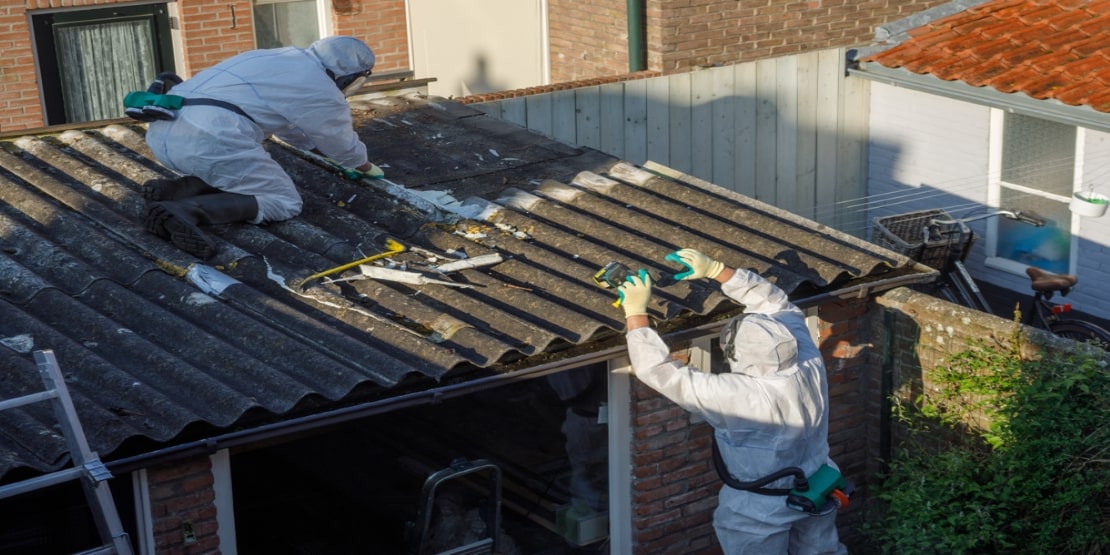
Specialists constantly rely upon specialized security equipment to decrease exposure when handling asbestos-containing materials. You'll notice that qualified groups put on disposable, full-body coveralls to stop fibers from contacting skin and apparel. find out more An important component of their protection is an appropriately fitted, NIOSH-approved respirator-- respirator fit screening confirms the seal is safe and reliable against airborne asbestos. Eye protection is put on to shield the eyes from dust or particles, while rubber boots are typically utilized for simple decontamination. Glove changeovers are vital; employees often transform handwear covers to stop cross-contamination between clean and infected areas. Every element of the gear is selected and maintained according to OSHA and EPA standards, confirming both security and regulative compliance throughout asbestos elimination operations.
Just How Do Specialists Prepare a Building for Asbestos Removal? textured ceiling removal
Before any asbestos removal starts, you'll see professionals carry out a extensive website assessment to recognize threats and plan secure procedures. They'll after that establish a control location with obstacles and negative atmospheric pressure to avoid fiber retreat, following strict regulative guidelines. Throughout this procedure, you must guarantee that all protective equipment methods are implemented to secure both employees and building owners.
Website Analysis Procedures
With mindful preparation and adherence to laws, professionals start the asbestos removal process by conducting a detailed website assessment. You'll see specialists initial review blueprints and historical documents to recognize likely asbestos-containing products. Next off, they visually check all suspicious locations, focusing on less accessible locations. To assure accuracy, air tasting is performed to analyze airborne fiber focus, developing standard levels for later comparison. Where aesthetic accessibility is limited or security is an issue, drone evaluating is utilized to capture in-depth pictures of roofing systems, outside wall surfaces, and hard-to-reach areas. Every action is diligently documented in conformity with regional and national laws. This all-encompassing assessment aids you understand the scope of contamination and educates the growth of a targeted, regulatory-compliant elimination plan.
Containment Area Setup
Establishing up an appropriate containment area starts the asbestos elimination phase, making sure dangerous fibers don't get away right into surrounding rooms. You'll require to develop physical obstacles and secure all access points with durable plastic sheet. Experts additionally established up negative pressure equipments, which attract air inward and protect against contaminated fragments from dripping out. It's essential to adhere to all regulatory standards throughout this process to maintain site security and ecological honesty.
Secret steps include:
- Mounting airtight barriers and sealing air flow ducts to separate the job zone.
- Applying negative stress systems to continually filter air and capture airborne fibers.
- Creating airlocks configuration at all accessibility factors, allowing employees and products to securely enter and exit without compromising containment.
This thorough preparation safeguards constructing owners and the atmosphere.
Protective Tools Protocols
Commonly, specialists outfit themselves with industry-approved personal safety devices (PPE) to reduce direct exposure to airborne asbestos fibers throughout removal. Before going into the work area, you'll need to make sure appropriate respirator fitment by conducting a quantitative or qualitative in shape examination, validating that no polluted air bypasses the mask's seal. Usage only respirators rated for asbestos, such as P100 or HEPA designs. Full-body disposable coveralls, footwear covers, and head defense are required, lowering the risk of fiber transfer outside the control area. Always inspect handwear cover honesty, looking for rips or slits before and after each use. Double-gloving may be called for by laws. Follow purification procedures when leaving, consisting of cautious removal and disposal of PPE according to neighborhood, state, and government asbestos reduction criteria.
How Do Pros Seal the Work Location?
Before any type of asbestos elimination begins, specialists meticulously seal the workplace to prevent dangerous fibers from spreading out. You'll discover that every step complies with stringent governing standards to ensure both safety and conformity. The process begins by putting up temporary barriers-- usually made from thick plastic sheeting-- to totally confine the afflicted zone. These barriers are secured whatsoever seams with industrial-grade tape, blocking any kind of retreat routes for asbestos fibers. Next off, a adverse stress system is set up. This specialized devices continuously attracts air internal, maintaining any type of airborne fibers contained and guiding them via HEPA purification.
Trick actions consist of:
- Installing short-lived obstacles to completely confine the area
- Securing all seams and access points with resilient tape
- Establishing adverse pressure makers with HEPA filters
How Is Asbestos Securely Removed by Specialists?
When the job location is totally sealed and negative pressure is developed, specialists carry on to the actual asbestos removal with strict adherence to safety methods. Using full protective gear and respirators, you'll make use of specialized devices to carefully detach legacy insulation or other asbestos-containing materials. Wet removal methods are conventional, misting surfaces to protect against airborne fibers. Materials are positioned straight right into labeled, double-sealed bags. If asbestos has contaminated soil, soil testing is obligatory to establish the degree and specific location of hazardous material. Throughout the procedure, air tracking ensures conformity with regulatory fiber limits. You'll follow certain treatments described by OSHA and EPA to decrease disturbance and exposure. Every step is recorded for governing conformity, ensuring both employee and passenger safety before the location proceeds to the next stage.
Exactly How Do Pros Handle and Move Asbestos Waste?
Taking care of asbestos waste demands careful focus to containment and labeling to abide by strict guidelines. When you manage asbestos particles, it needs to be double-bagged in 6-mil polyethylene bags or secured containers, each clearly identified as asbestos-containing material. Waste manifesting is essential-- every bundle calls for documents that tracks its journey from elimination to disposal, guaranteeing governing compliance at each action.
You'll require to collaborate customized transporting logistics. Only licensed service providers can move asbestos waste to approved disposal websites, and lorries need to avoid fiber launch throughout transit. See to it to:
- Validate materializes are total and accurate prior to transport.
- Use leak-tight, classified containers for all waste.
- Set up transportation with accredited haulers to authorized garbage dumps.
This rigorous method reduces the danger of contamination and straightens with lawful needs.
How Do Professionals Tidy Up After Asbestos Removal?
After asbestos removal, you'll see professionals perform thorough post-removal air tracking to validate that fiber degrees fulfill regulatory standards. They additionally adhere to strict decontamination treatments to avoid any recurring contamination from dispersing. Understanding these steps warranties you're conscious of how specialists keep a safe atmosphere after the job is done.
Post-Removal Air Monitoring
Generally, accredited asbestos specialists will certainly perform post-removal air monitoring to ensure the area is secure for reoccupation. After asbestos abatement, you'll see professionals make use of specialized air sampling equipment to identify any type of lingering airborne fibers. This action is vital for accomplishing blog post removal clearance and ensuring regulatory conformity. Professionals follow stringent protocols, collecting and examining samples in certified research laboratories. You should not re-enter the site until tests confirm fiber concentrations are below permitted exposure restrictions. For ongoing safety, long term surveillance might be recommended, particularly in facilities with a background of asbestos problems.
Secret elements of post-removal air monitoring consist of:
- Making certain air example collection fulfills governing requirements
- Lab analysis making use of stage comparison microscopy (PCM) or transmission electron microscopy (TEM)
- Comprehensive paperwork to confirm blog post removal clearance and governing conformity
Decontamination Procedures Explained
As soon as asbestos reduction finishes up, certified specialists relocate promptly into purification to eliminate any type of recurring fibers from the workspace. You'll see they depend on a carefully intended airlock style, which separates the infected zone from tidy areas. Workers go through multiple chambers, getting rid of protective equipment and throwing away infected materials at each phase. HEPA-filtered vacuums and damp cleaning techniques are made use of to capture and get rid of asbestos particles from all surface areas. Chemical neutralization agents may be related to envelop or damage down remaining fibers, making certain none are left behind. Throughout this procedure, stringent regulative compliance is maintained, including proper waste handling and paperwork. https://barnesasbestosremoval.co.uk/services/refurbishment-demolition-survey.html Purification isn't optional-- it's an important action to guarantee that the site is safe for reoccupation and future usage.
Just How Do Pros Validate All Asbestos Is Gone?
Professionals always comply with stringent procedures to validate that all asbestos has been successfully gotten rid of from a website. After the removal process, you'll see them carry out both aesthetic confirmation and clearance testing to guarantee conformity with regulative requirements. Visual confirmation involves a comprehensive examination of the location to look for any kind of remaining debris or dirt. Clearance screening complies with, where air samples are collected and evaluated in certified labs to discover air-borne asbestos fibers. Only when outcomes fulfill governing thresholds is the site regarded secure. You can anticipate these vital steps:
- Meticulous visual evaluation to verify debris-free problems
- Comprehensive clearance screening with air tracking tools
- Paperwork of results to please legal and security requirements
Just How Can Property Owners Remain Safe After Professional Asbestos Elimination?
After asbestos removal is validated with evaluation and clearance screening, your obligation changes to preserving a safe setting. Constantly evaluate the specialist's air testing results to assure fiber focus fulfill regulative criteria prior to reoccupying the space. Comply with all reentry guidelines provided by certified experts and neighborhood authorities, which may specify a waiting duration or extra air flow needs. Do not disturb surface areas or areas that were remediated, as recurring fibers might exist if protocols weren't adhered to precisely. On a regular basis evaluate formerly impacted areas for any type of indicators of damages or dirt build-up, and prevent any type of do it yourself fixings or remodellings in these spaces unless more air testing is executed. If you think any concerns, call licensed asbestos experts quickly to examine and resolve potential dangers in conformity with governing standards.
Frequently Asked Concerns
Exactly How Much Does Expert Asbestos Elimination Usually Expense?
You'll generally discover the ordinary rates for professional asbestos elimination arrays from $1,500 to $3,000 for a common domestic job, though complex scenarios can surpass $10,000. It's important to demand thorough quotes because hidden fees-- such as disposal, testing, or governing conformity costs-- can pump up prices. Constantly validate that your contractor adheres to EPA and OSHA criteria to assure security and legal conformity throughout the elimination process, securing both your health and home.
Just How Lengthy Does Asbestos Removal Generally Take?
You can anticipate normal timelines for asbestos removal to vary from someday to numerous days, depending upon the task's dimension and complexity. Area prep work is necessary-- workers will certainly seal off the room, established up unfavorable atmospheric pressure, and follow governing compliance actions prior to removal begins. Once prepared, actual elimination is commonly completed within a day or two, however larger tasks or unexpected issues may prolong the procedure to a week or even more.

Are There Legal Requirements for Asbestos Removal in My State?
Did you know over 30 states have one-of-a-kind asbestos state laws? https://barnesasbestosremoval.co.uk You'll certainly require to adhere to your very own state's licensing needs before starting any kind of asbestos elimination. Each state mandates details training, accreditation, and notification treatments for both specialists and homeowner. You can not just hire anyone-- accredited professionals are required by legislation. Constantly examine your state's environmental or health department for comprehensive regulatory compliance treatments to make sure you're following every lawful action.
Can I Remain In My Home During Asbestos Removal?
No, you normally can not remain in your home during asbestos removal. Momentary moving is generally required to abide by security guidelines. Professionals utilize containment barriers, unfavorable atmospheric pressure systems, and air surveillance to identify asbestos fibers do not spread out. Governing standards mandate these procedures to protect residents' wellness. When elimination is full, air monitoring validates risk-free re-entry levels. You'll be informed when it's secure to return, guaranteeing stringent adherence to step-by-step and legal requirements. https://barnesasbestosremoval.co.uk/services/garage-shed-roof-removal.html
What Certifications Should I Try to find in an Asbestos Removal Company?
Of training course, you would not simply hand asbestos over to your next-door neighbor with a dustpan! You need certified professionals with the best industry qualifications-- think AHERA, OSHA, or state-specific qualifications. Inspect for recorded training, insurance coverage, and a solid regulative compliance record. Make certain they follow stringent treatments, use the correct equipment, and supply a comprehensive abatement strategy. These qualifications ensure the firm handles every little thing safely, legitimately, and with professional technological precision.