All Phase Concrete’s Top Finishes for Tampa FL Outdoor Kitchens
An outdoor kitchen in Tampa is not a weekend project. It is a living room under the sun and stars, a place for breezy Sunday barbecues, rainy-day shelter, and holiday gatherings that spill out into warm nights. The finish you choose for counters, islands, and floors determines how that space looks, how it performs, and how long it remains beautiful. At All Phase concrete, we install and finish concrete with an eye for Florida’s UV, humidity, and coastal salt. Below I explain the finishes that work best here, why they perform well, trade-offs, and real-world numbers so you can choose with confidence.
Why finish matters here Tampa’s climate forces choices you might not make inland. Intense sun fades pigments. Afternoon storms raise humidity and increase the chance of mildew at unsealed joints. If your property is near the bay or Gulf, salt spray accelerates corrosion and surface etching. A top finish has to balance aesthetics, slip resistance, stain resistance, and maintenance frequency. The right finish adds years to a countertop and prevents expensive repairs to flooring. The wrong finish looks dated in two seasons or becomes a hazard when wet.
What I look for in an outdoor kitchen finish When I assess a job, I consider four practical questions. First, will the surface get grill grease and wine spills? Second, how much foot traffic and furniture movement will the floor endure? Third, are you aiming for a glossy showpiece, low-maintenance utility, or something in between? Fourth, how close is the site to salt water? Each of those answers points toward different treatments and sealants. Below are the top finishes I recommend for Tampa outdoor kitchens, illustrated with experience-based notes and cost ranges you can expect when working with All Phase concrete.
Top finishes and how they behave in Tampa
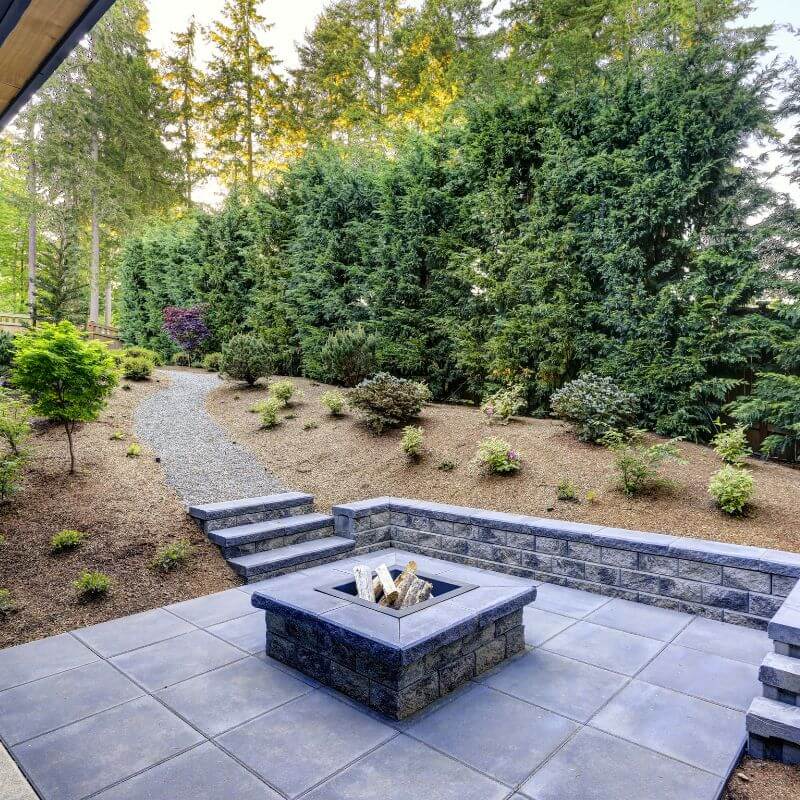
Polished concrete for counters and islands Polished concrete is often what clients imagine when they want a modern, durable countertop. With progressive grinding and diamond pads we refine the surface to a satin or high gloss sheen, then apply a penetrating sealer. Outdoors, polished concrete performs best when the polishing stops at a medium gloss and a sealer is selected for UV stability.
Why choose it: polished concrete resists heat from grill tools, is easy to wipe, and will not chip like thin natural stone tiles can. It also allows for integral pigments or aggregates to show through, creating a tailored look.
Trade-offs: glossy finishes show water spots and fingerprints more readily. In Tampa sun, high gloss surfaces can get hot to the touch late morning through mid-afternoon; consider integrating shaded overhangs or pergolas.
Typical cost: for a custom island top expect a range of roughly $75 to $160 per square foot, depending on aggregate exposure, edges, and integrated sinks. Sealers and UV stable top coats add to the price but protect color and sheen.
Exposed aggregate for a natural, slip-resistant floor Exposed aggregate unlocks texture and grip by removing the top cement paste to reveal pebbles and stones. In Tampa, this finish is a preferred choice for poolside kitchens and patios because it sheds water fast and resists slipping when wet.
Why choose it: the texture reduces slip risk from wet feet or spilled drinks, and aggregates can tolerate salt spray without deteriorating. The look is organic, low-glare, and ages gracefully.
Trade-offs: exposed aggregate can be rougher on bare feet and can trap grime in the crevices if it is not periodically cleaned and sealed. Resurfacing or heavy-duty cleaning may be needed every 5 to 10 years depending on use.
Typical cost: expect $8 to $18 per square foot for exterior exposed aggregate installs. More intricate patterns or colored aggregates can push costs higher.
Stamped and colored overlays for design flexibility Stamped overlays let you mimic wood planks, stone, or tile without the maintenance of the materials they imitate. Tampa homeowners love stamped overlays when they want a Mediterranean or coastal aesthetic without grout maintenance or termite risk.
Why choose it: overlays are thinner than replacements, so they work well when you want to upgrade an existing slab or countertop. With proper bonding agents and a UV-resistant topcoat, overlays can last a decade or longer.
Trade-offs: overlays require careful substrate prep. Without proper bonding and crack isolation, the overlay can delaminate. In high-salt environments, the bonding system and sealer selection are crucial to prevent failure.
Typical cost: stamped overlays range from $10 to $30 per square foot for horizontal surfaces. Complex color washes, antiquing, or hand tooling increases labor and cost.
Microtoppings and decorative toppings for a refined surface Microtoppings are thin, polymer-modified cementitious coatings that produce very smooth, contemporary surfaces. They are ideal for bar countertops and small islands where you want minimal seams and a sleek, modern profile.
Why choose it: minimal thickness means you can update an existing surface without changing elevations. Microtoppings take color and texture well, and with the right sealer they are stain resistant and easy to maintain.
Trade-offs: because they are thin, microtoppings are vulnerable to heavy impacts or sharp objects. They also require a good primer and consistent surface preparation. If the substrate cracks and movement is expected, you will need control joints or isolation.
Typical cost: $6 to $15 per square foot for typical microtopping installations, higher for multi-tone color work or complex detailing.
Epoxy and polyaspartic coatings for sealed durability Epoxy and polyaspartic coatings create seamless, non-porous surfaces. Polyaspartic in particular cures quickly and handles UV exposure better than many epoxies, making it an attractive option for sunny Tampa patios and countertops.
Why choose it: these coatings are exceptionally stain resistant and easy to clean. When combined with a textured additive, they also deliver good slip resistance for floors.
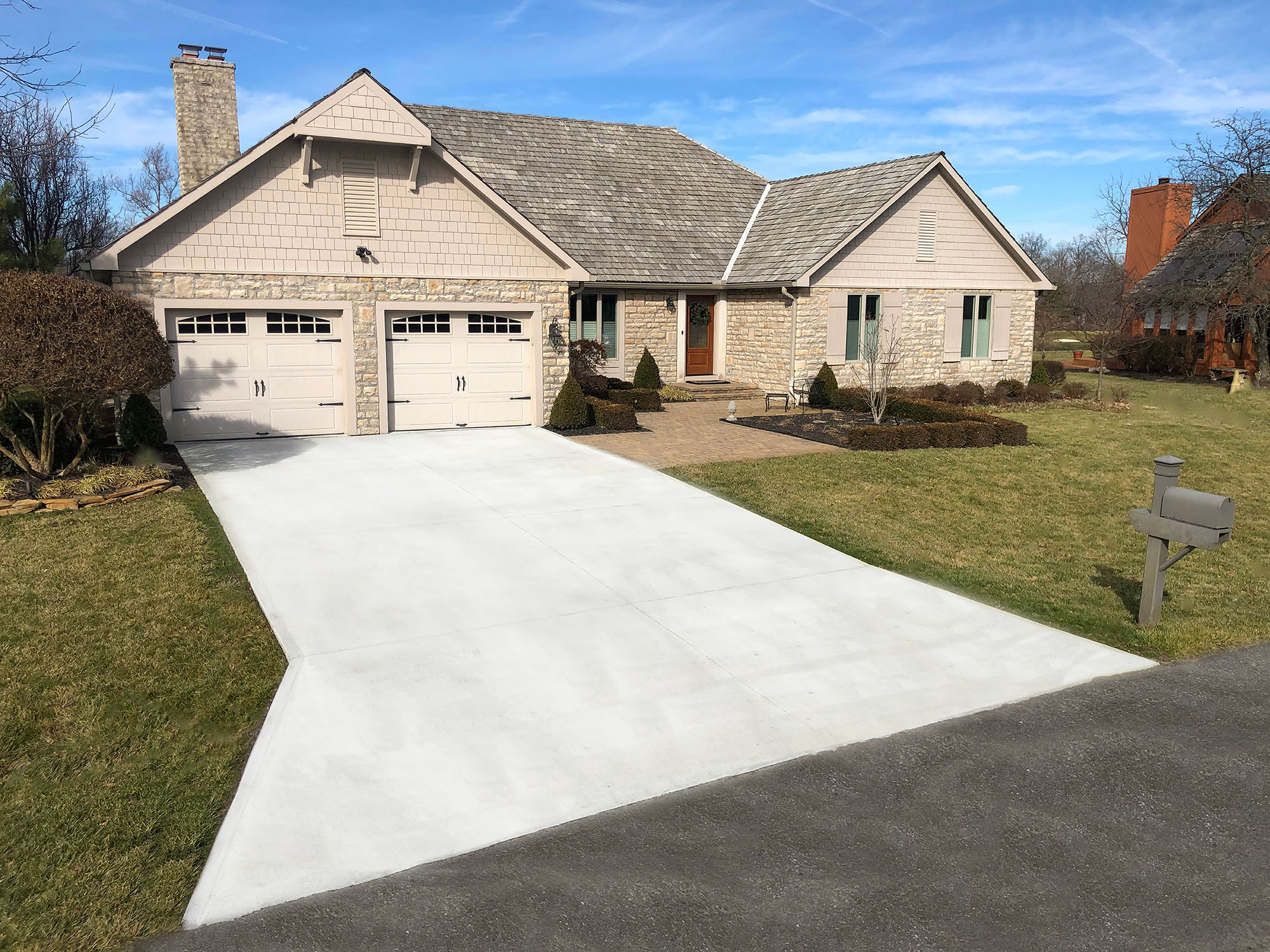
Trade-offs: epoxies can yellow over time when exposed to UV unless a UV-stable topcoat is used. Some products can be slippery when wet if not properly textured. They also hide the natural beauty of aggregate, so they are less suitable when you want to showcase or expose stone.
Typical cost: expect $7 to $20 per square foot for floor coatings. Countertop systems with heat-resistant topcoats and decorative flakes will be toward the higher end.
How All Phase concrete approaches durability and longevity At All Phase concrete we start with substrate assessment. That means measuring slab movement, checking for hairline cracks, and testing for moisture vapor transmission where coatings and overlays are proposed. Tampa’s high humidity can force failures if moisture is not controlled. We balance mechanical preparation with chemical primers that match the chosen finish, then follow with a sealer and finish specific to the environment.
Anecdote from a recent install: a homeowner near Clearwater wanted a dark, polished island top with an integrated cooktop. We recommended a medium polish and a matte UV-stable sealer after evaluating sun exposure. The owner initially pushed for a high gloss. After watching a test panel in direct sun, she agreed the matte would look better over time, reduce glare for chefs, and stay cooler to touch.
Concrete care and routine maintenance No finish is maintenance free, but some are less demanding than others. Here are five practical maintenance tasks to expect if you choose concrete for your Tampa outdoor kitchen:
Clean spills promptly with mild detergent and water. Reapply penetrating or film-forming sealers every 2 to 5 years, depending on sealer type and UV exposure. Sweep and hose down floors weekly during heavy use seasons to remove grit and salt. Avoid harsh acid cleaners on polished surfaces, use neutral pH products. Inspect joints and seams annually and replace joint sealant if it shows signs of cracking.
Those steps keep finishes performing and prevent cosmetic deterioration that can become structural over time.
Color selection and pigment behavior Color is not just aesthetics. Dark colors absorb heat. In Tampa that means darker counters will get hotter when placed in direct sun. For counters, consider lighter neutrals or incorporate breaks of stone or stainless steel near cooking areas where heat handling matters. Integral pigments in concrete are generally very stable, but surface tints and stains can fade without a UV stable sealer. If you want bold color near the coast, insist on a UV-rated topcoat and plan on more frequent re-coating in the first five years.
Edge profiles, joints, and small details that matter People often fixate on surface finish and overlook edges and joints. A well-chosen edge profile — eased, beveled, or bullnose — minimizes chipping and looks intentional. Control joints in slabs reduce random cracking and should be planned before overlay work; many clients do not realize an overlay must accommodate movement or it will crack. Where a countertop meets cabinetry or appliances, use closed-cell foam backer rod and a flexible exterior grade sealant that resists mildew.
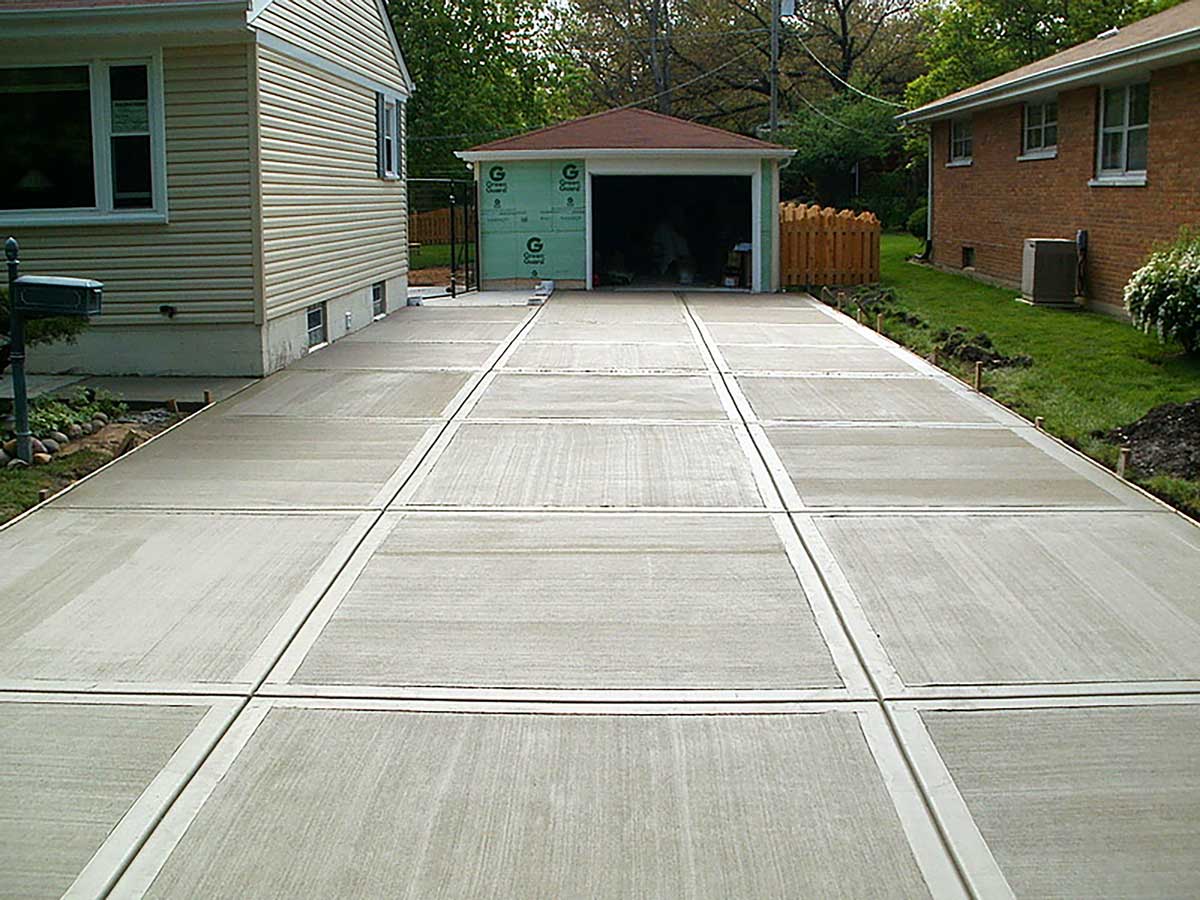
Cost versus value: what to expect Concrete finishes vary widely in cost https://s3.us-east-005.dream.io/concrete-services-in-tampa-fl/concrete-contractor/all-phase-concretes-top-finishes-for-tampa-fl-outdoor-kitchens.html depending on complexity, but they typically give strong value for Tampa homeowners. A quality concrete counter or floor that is well-sealed and maintained can outlast many wood or tile alternatives and is less susceptible to termite damage or grout failure. Budget for the finish, plus periodic sealer reapplication. For a modest outdoor kitchen of 100 to 200 square feet, a full package including foundation prep, stamped floor, an exposed aggregate pathway, and poured counter can range widely, but many clients spend between $12,000 and $35,000 when they choose durable, high-end finishes and custom details. For larger bespoke projects with integrated sinks, gas hookups, and stone accents, costs scale upward accordingly.
When to choose one finish over another Choose polished concrete if you want a refined, easy-to-clean counter and are ready to manage surface heat and fingerprints. Choose exposed aggregate for flooring near pools and paths where slip resistance and low-glare surfaces matter. Pick stamped overlays when you want a visual style change that mimics pricier materials. Use microtoppings to mend and modernize existing surfaces without changing heights. Select epoxy or polyaspartic coatings when you want a seamless, stain-proof finish that handles heavy spills and chemicals.
Questions to ask before committing Before installing any finish, ask these five questions to your contractor or designer:
How will the finish handle direct summer sun and midday heat? What sealer is recommended, and what is the re-coat interval? Can you show me in-situ samples or completed projects with similar exposure? How will the system handle substrate movement and moisture? What maintenance will the homeowner be responsible for?
A contractor who answers these plainly and offers documentation about products and warranties is worth hiring.
Why All Phase concrete All Phase concrete pairs local experience with product knowledge. We work regularly across Tampa Bay, so we know which sealers perform near the bay and which aggregates tolerate inland humidity. We also keep records on completed jobs so we can predict maintenance schedules for future clients. Our crews prepare substrates mechanically, use tested primers, and apply finishes with attention to detailing around appliances and water fixtures. We treat outdoor kitchens as living systems, not static installations.
Final practical notes: small decisions with big effects
Choose colors and gloss levels that sit well with your furniture and shading plan. A beautiful finish can underwhelm if glare and heat were not considered. Allow for expansion joints and plan for future appliances. Retrofit work is more expensive than thoughtful planning. Ask about warranty coverage on products and workmanship. A two-year workmanship warranty is common; ask about product warranties from manufacturers for sealers and coatings. If you live within a mile of the water, insist on materials rated for marine exposure and schedule more frequent inspections.
An outdoor kitchen is both a functional work area and a design statement. Concrete lets you customize everything from color and texture to embedded lighting and integrated drains. Done well, a concrete finish in Tampa resists sun, handles humidity, and becomes a durable stage for years of family gatherings. If you want a space that holds up to Florida weather and still looks intentional, start with a substrate assessment and a clear maintenance plan. Good finishes are not accidental. They are planned, executed, and maintained with local conditions in mind, and that is where All Phase concrete brings the most value.