Is a Roof Upgrade a Maintenance Cost or an Investment in Resale?
I’ve spent the last 12 years sitting across the closing table in North Texas. I’ve seen beautiful kitchens sell a house, but I’ve seen a damaged roof kill a deal in forty-eight hours. When sellers ask me if they should replace an aging roof, I always stop and ask the most important question: "What will the inspector write up?"
In the world of Texas real estate, the roof isn't just aesthetic; it’s a functional barrier against the harsh realities of our climate. If you are debating whether to upgrade your roof before listing, you aren't just weighing a maintenance receipt against a higher price tag—you are managing risk for the next owner.
The "Big Three" Deal-Killers
Every seasoned agent has a mental checklist of what keeps a deal from crossing the finish line. In North Texas, the "Big Three" are always the same:
Foundation: The scary one, but usually manageable with an engineer’s report. HVAC: The expensive one, but often negotiable with a home warranty. Roof: The deal-killer.
Why is the roof the biggest threat? Because it isn't just about the physical shingles. It’s about the insurance policy. If a buyer can’t get affordable homeowners insurance because the roof is too old or damaged, the loan won't close. Period. When I talk to my colleagues on platforms like ActiveRain, the consensus is universal: don't gamble on the inspector’s report.
Maintenance vs. Investment: Defining the Terms
Sellers love to call a new roof an "investment." Let’s be clear: an investment implies a return on capital. Maintenance is simply the cost of doing business. If your roof is 20 years old and has granular loss, replacing it isn't an "upgrade"—it’s a prerequisite to list the home. You aren't adding value; you are restoring the base marketability of the property.
True "investment" happens when you go above and beyond the minimum standard. Upgrading from standard shingles to impact-resistant materials that qualify for insurance premium discounts? That’s an investment. It adds tangible, long-term value to the property.
The Inspection-Driven Negotiation
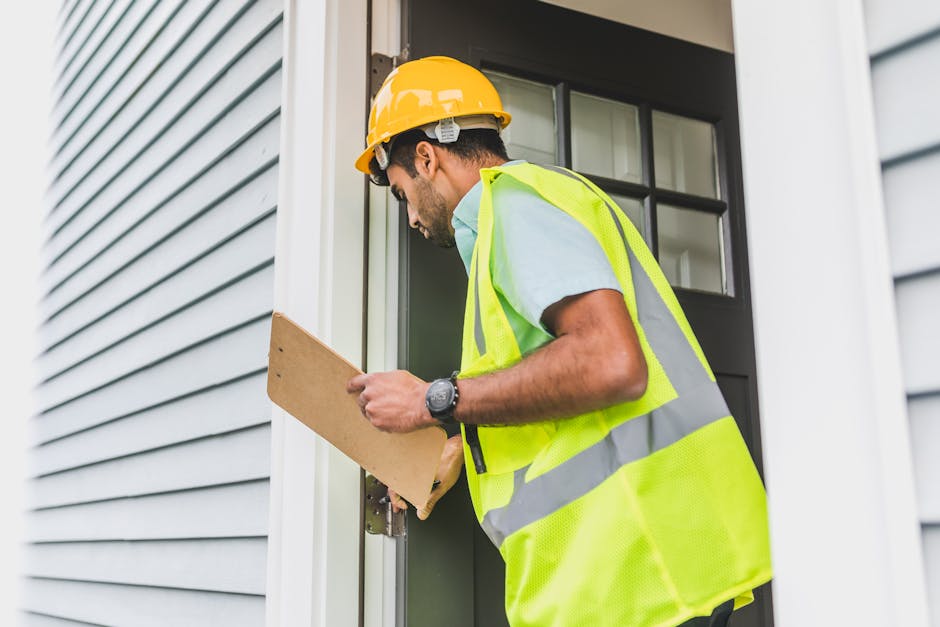
In Texas, the home inspection is the primary trigger for a secondary round of negotiations. If a roof has visible hail damage or missing shingles, the buyer’s inspector will document it with high-definition photos. Once that report hits the buyer’s inbox, they don't just see a "little wear and tear"—they see a bill for $12,000 to $20,000.
They will then demand a credit, a price reduction, or a repair. Here is the problem with doing repairs *after* the inspection: you have no leverage. You are under the gun, paying for rushed work, and hoping the buyer stays satisfied. A pre-listing check, probably from a reputable local group like Fireman’s Roofing Texas, allows you to control the narrative. If you fix it before the sign goes in the yard, you can market the home as "Roof Replaced [Date] with Warranty."
Texas Climate and the FEMA Reality Check
We don't live in a temperate climate. North Texas is a gauntlet of heat, extreme storms, and large-diameter hail. When you review FEMA guidelines on disaster preparedness, the emphasis is always on structural integrity. A roof that is "barely holding on" during a storm isn't just a maintenance issue; it's a safety liability.
Buyers are smarter now. They look at Google Earth satellite imagery. They look at the age of the roofs in your neighborhood. If every house on the block has had a new roof in the last five years and yours is the original builder-grade shingle from 2005, you are signaling "deferred maintenance" before the buyer even walks through the front door.

Insurance Underwriting: The Invisible Hand
One thing that annoys me to no end is hearing people say a roof is "fine" because there are no leaks. Leaks are the *last* stage of failure. The *first* stage of failure is the insurance company’s underwriting department.
In Texas, insurance carriers are ruthless regarding roof age. Many carriers have a 10-to-15-year "age cliff." Once your roof hits a certain age, your premiums skyrocket, or the carrier refuses to write a policy entirely. I've seen this play out countless times: learned this lesson the hard way.. If your buyer's insurance quote comes in at double the expected amount because of your roof, the deal will collapse. Your roof condition directly influences your buyer’s "debt-to-income" ratio during underwriting. If their monthly housing payment increases due to insurance costs, they might no longer qualify for the loan.
Factor Impact on Buyer Marketability Influence Roof Age (0-5 years) Low Insurance Premiums High: "Turn-key" appeal Roof Age (10-15 years) Moderate Risk/Questions Neutral: Expect credit requests Roof Age (15+ years) High Risk/Insurance Denials Low: Likely a deal-killer
How to Strategize Your Roof Upgrade
If you are planning to sell, don't wait for the inspector to force your hand. Follow this strategy to ensure your roof works for you, not against you.
Get a Pre-Listing Inspection: Don't just guess. Bring in a professional like Fireman’s Roofing Texas to assess the life expectancy and current state. If they find damage, get it documented. Provide Documentation: If you've had a roof replaced, save the receipts, the warranty paperwork, and the permit information. Vague listings that say "recently updated" mean nothing. Buyers want dates and proof. Review the Insurance Impact: Ask your agent to run a mock insurance quote for a buyer. See if the age of your roof is causing an "insurance penalty." Market the Upgrade: If you install a new roof, highlight the material specifications. Is it Class 4 Impact Resistant? Mention that. It lowers premiums and appeals to savvy buyers who know Texas weather.
Conclusion: Control the Narrative
Is a roof upgrade a maintenance cost? If you wait until you are under contract, yes. It becomes an emergency expense that eats into your equity. Is it an investment? If you perform the upgrade strategically, document it, and use it as a centerpiece of your listing’s marketing, it becomes a value-add that protects your sale price and speeds up the closing process.. Pretty simple.
Stop waiting for the inspector to find the problems you already know exist. In North Texas, your roof is the first thing a buyer’s insurance agent looks at and the second thing their home inspector checks. Control the narrative by ensuring your roof is a selling point, not a bargaining chip.
Remember: If you don't know the status of your roof, you aren't ready to list. activerain.com Get the documentation, get the inspection, and get the peace of mind that comes with a solid foundation over your head.