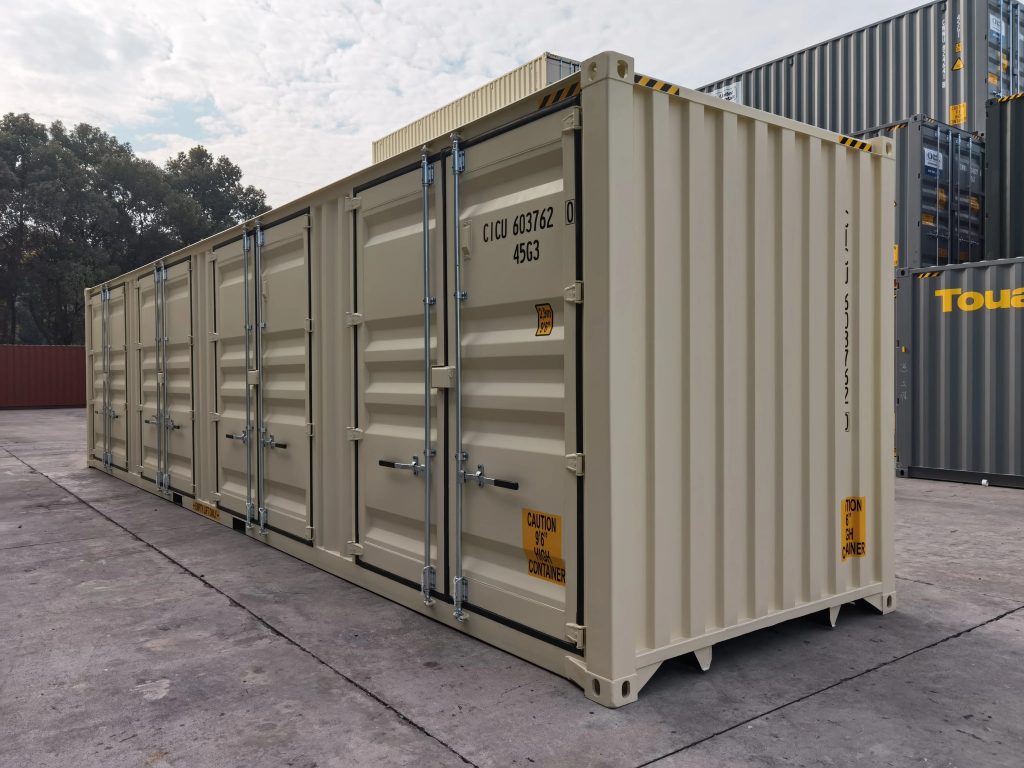
10 Pinterest Accounts To Follow About 20 Ft Container
The Versatility of the 20 Ft Container: A Comprehensive Guide
On the planet of shipping, logistics, and building, containers have revolutionized the way we transport products and products. Among the different sizes, the 20 Ft container stands out due to its adaptability and practicality. COG Containers LTD will cover whatever you require to understand about 20 Ft containers, including their requirements, utilizes, benefits, and more.
What is a 20 Ft Container?
The 20 Ft container, also called a TEU (twenty-foot equivalent unit), is one of the basic sizes used in intermodal transport. It is mostly developed to be moved by truck, train, and ship, allowing goods to be carried perfectly throughout numerous modes of transportation without needing to discharge and refill.
Specifications
Before diving into the uses and benefits of a 20 Ft container, let's have a look at its requirements.
Spec
20 Ft Standard Container
External Length
20 ft (6.058 m)
External Width
8 ft (2.438 m)
External Height
8.5 ft (2.591 m)
Internal Length
19.4 ft (5.898 m)
Internal Width
7.7 ft (2.352 m)
Internal Height
7.9 ft (2.393 m)
Maximum Gross Weight
24,000 kg (52,911 lbs)
Tare Weight
2,300 kg (5,071 lbs)
Pay Load Capacity
21,700 kg (47,858 lbs)
Uses of the 20 Ft Container
1. Shipping and Transportation
The main usage of the 20 Ft container is for shipping products worldwide. Its size makes it appropriate for numerous types of cargo, including:
- Raw products
- Durable goods
- Machinery
- Electronics
2. Storage Solutions
Companies and individuals often use empty 20 Ft containers for storage. The durable building provides a safe and secure area for storing:
- Tools and devices
- Seasonal items
- Inventory
3. Short-term or Permanent Structures
With a little imagination, 20 Ft containers can be transformed into habitable areas. Some applications consist of:
- Pop-up stores
- Offices
- Houses
- Cafés
4. Disaster Relief
In disaster-stricken locations, these containers act as momentary shelters or storage for humanitarian products. Their toughness permits them to stand up to harsh conditions while providing much-needed aid.
5. Eco-Friendly Construction
Recycling shipping containers for structure is an eco-friendly option that promotes sustainability. The 20 Ft container can quickly be customized to fulfill different architectural styles.
Advantages of Using a 20 Ft Container
The flexibility of a 20 Ft container uses a number of advantages:
1. Economical
Transferring freight in standard-sized containers decreases shipping costs due to streamlined logistics and increased performance.
2. Sturdiness
Constructed from steel, 20 Ft containers are created to hold up against heavy loads and harsh ecological conditions, ensuring freight stays secure.
3. Mobility
The standardized size permits simple transport throughout various transportation modes, providing added convenience.
4. Flexibility
The several uses of a 20 Ft container-- from storage to living space-- make it a practical option for different needs.
5. Security
Lockable doors and strong building make 20 Ft containers a secure alternative for keeping valuable items.
Challenges to Consider
While the benefits are substantial, there are obstacles too:
1. Limited Space
For larger jobs or products, a 20 Ft container may not offer enough area. You might need extra containers for bigger deliveries or materials.
2. Permitting Issues
Local policies may enforce limitations when utilizing containers for structure or storage. It's important to inspect regional codes before converting a container into a structure.
3. Transport Costs
While 20 Ft containers can be affordable for shipping, the transport costs can still accumulate, especially if moving brief distances.
Frequently Asked Questions (FAQ)
1. Can I buy a used 20 Ft container?
Yes, utilized containers are commonly readily available at lower rates than new ones. However, it is vital to inspect them for any damage, rust, or structural concerns.
2. Exist different types of 20 Ft containers?
Yes, there are various types, consisting of basic dry storage containers, cooled containers (reefer), and open-top containers created for particular freight types.
3. How do I prepare a 20 Ft container for usage?
Preparation may consist of cleaning the container, carrying out required repair work, and thinking about adjustments for pipes or electrical systems if utilizing it as a living space.
4. What is the distinction between a basic and a high-cube 20 Ft container?
A high-cube container is one foot taller than a basic container, using more internal area. The choice between them depends upon the height of the products being stored or delivered.
5. The length of time can I keep a shipping container at my location?
Laws relating to container positioning differ by location. Inspect local codes for particular time limits or licenses required for extended use.
20 Ft containers offer a practical and versatile option for different shipping and storage requirements. Their durability, economic benefits, and innovative possibilities for repurposing make them a valuable possession in logistics, construction, and beyond. Whether you're a business looking to improve operations or an individual exploring special living arrangements, understanding the abilities of the 20 Ft container can open a world of possibilities. Adaptable to nearly any situation, this shipping container size continues to play an important role in modern logistics and sustainable practices.