Pest Control for Renters: What You Can and Can’t Do
Renters face a particular kind of frustration with pests. You share walls, foundations, and sometimes trash areas with neighbors you barely know, yet you are the one losing sleep over scratching in the ceiling or a trail of ants on the counter. The law recognizes some of this imbalance, but not all. Leases layer on more complexity. Then there is safety, since the wrong chemical in an apartment is far less forgiving than in a standalone home. The goal here is practical: understand where your authority begins and ends, how to document problems, and the safest, most effective ways to respond.
Who is responsible for what
Responsibility for pest control in rentals usually sits on two legs. The landlord must provide a habitable dwelling, which typically means a structure free of infestations at move-in, plus building-level conditions that do not invite pests. The tenant must keep the premises reasonably clean and avoid behavior that creates or worsens infestations. Those terms sound clear until mice appear in a fourth-floor unit or bed bugs hitch a ride on a suitcase after a weekend trip.
Most states assume the owner pays for building-wide problems, such as a rodent infestation that moves through a line of apartments, termites in the structural framing, or wasps nesting in a shared soffit. Tenants are commonly on the hook if their own housekeeping or habits are the likely cause, such as fruit flies from unemptied organics bins or German cockroaches tied to chronic food residues and clutter. Bed bugs fall into a gray area. Many jurisdictions treat bed bugs as a building concern because they spread easily, while others push costs to tenants unless the problem is proven to pre-date the lease. If your lease references pests, read it closely. Some clauses lay out exact procedures for notice, access, and cost-sharing after the first treatment.
When in doubt, report early. Landlords and property managers want documentation, and you want a paper trail confirming you notified them when the problem was small. A roach here and there is easier to fix than a nest in the wall void.
What you can do right away, without crossing legal lines
You control sanitation, storage, and exclusion in your space. These are not glamorous fixes, but they quietly solve a high percentage of ant control and spider control complaints, and they set the stage for any professional treatment.
Focus on what pests need: food, water, shelter, and access. Seal food in rigid containers, not thin plastic bags. Keep the sink and counters dry at night. Vacuum crumbs from behind the stove and along the toe kicks where brooms miss. Move clutter off floors and out of closets so you can see the baseboards and detect droppings or shed insect skins. Tie up trash and take it to the bin rather than stockpiling bags inside.
Where you can safely do so, use removable exclusion. Clear silicone caulk, door sweeps that attach with adhesive or screws, and mesh screens for vents prevent entry without altering structural elements. Sticky traps placed along walls reveal activity patterns in a week or two, often before you start seeing the culprits in daylight. A surprising number of rodent control jobs in apartments begin with finding the thumb-sized hole behind a dishwasher where a pipe chase was never sealed. Tenants can plug small gaps with copper mesh and cover plate gaskets around outlets. Leave anything tied to gas lines, main plumbing stacks, and structural penetrations to the landlord.
For mosquitoes, the rental context matters. You cannot apply larvicides to a shared courtyard water feature, but you can remove saucers under potted plants on your balcony and tip out standing water after a rain. A small fan set on a balcony disrupts mosquito flight in the evening and, along with properly maintained door screens, cuts bites dramatically without chemicals.
What you should not do without permission
Changing structure and applying restricted-use pesticides are off limits for tenants in most leases and jurisdictions. Drilling baseboards to inject dusts, pulling exterior siding, or replacing attic screens crosses into landlord territory, both legally and for safety. Even over-the-counter pesticides have rules. Foggers, for example, release a fine aerosol that settles on everything you own yet slides past the deeper harborages where German cockroaches live. They also increase fire risk in small apartments. Many leases ban them outright.
Avoid any product that suggests you can treat termites yourself. Termite control is a structural matter and nearly always a landlord responsibility, not only because of permitting and safety, but also because partial treatment may drive colonies to adjacent units. The same caution applies to bee and wasp control. Removing a wasp nest under a shared stair is not a weekend chore. It is a liability event involving ladders near egress routes and people who are allergic. Landlords should call professionals for nests on the building envelope, inside walls, or near public paths.
Finally, do not attempt amateur heat treatments for bed bug control. Space heaters, steamers, and homemade tents create hotspots that damage finishes while failing to reach lethal temperatures in hidden voids. Coordinated, professional heat or targeted chemical strategies are safer and more reliable, especially in multi-unit buildings where reintroduction is a constant risk.
Ants, roaches, and spiders: the fast, renter-friendly fixes
Not all pests require a building-wide response. Ant control in apartments often succeeds with a few methodical steps. Start with identification. Sugar ants, actually odorous house ants or Argentine ants, respond to sweet baits. Protein-seeking ants respond to grease-based baits. If you scatter sprays along baseboards, you can make ant trails splinter into satellites that avoid the poison and show up in new rooms. Baits set in foraging lanes, kept away from pets and children, work better. When ants appear around plumbing, look for water leaks. A slow drip under a sink keeps a colony coming back.
German cockroaches thrive on crumbs and clutter. Gel baits placed in seams, hinge voids, under drawer lips, and behind the refrigerator often outperform sprays, which miss the harborages. Keep baits pea-sized and distributed in many small placements rather than a few large ones. Remove old bait when it hardens and replace it. Combine this with vacuuming, not sweeping, to physically remove egg cases. Give it two to four weeks, then reassess. If you are still seeing nymphs during the day, report to management. That pattern points to a population larger than one unit.
Spider control in rentals is mostly about lighting, entry points, and patience. Exterior lights that attract moths will attract spiders to the buffet. If you can, shift to warmer-color bulbs that draw fewer insects. Inside, reduce clutter in corners and behind furniture, and vacuum webs rather than spraying. Most apartment spiders are solitary and incidental. The exception is a heavy presence of widow or recluse spiders, which calls for a building inspection to address hidden gaps and prey populations.
When the scratching in the wall means rodents
Mice and rats move through the parts of a building you share with everyone else. If you hear scratching at night or find droppings that look like black grains of rice under the sink, you are dealing with a pathway that likely continues through adjoining units. You can set snap traps inside your space. Use a dozen rather than two, placed perpendicular to walls, in protected locations where pets and kids cannot reach. Peanut butter is fine, but a chocolate chip pressed into the trigger works as well and is less messy. Replace bait every few days to keep scent fresh.
If traps catch nothing after a week but signs continue, the rodents may be traveling behind your finishes and not entering your living space. That is a building problem. Photograph droppings, gnaw marks, or grease rubs around holes, date the images, and send them to management. The fix might involve sealing utility penetrations in the basement and adjusting trash handling, neither of which a tenant can control. Resist using loose rodenticide baits in your unit. Poisoned rodents often die in wall cavities, creating odor complaints, and in multi-unit buildings, unsecured baits pose safety risks.
Bed bugs: the hardest conversations
Bed bugs carry no disease in the way mosquitoes do, but the stress they create rivals any infestation. Tenants often feel blamed, which delays reporting and makes the eventual problem worse. If you suspect bed bugs, stop moving furniture and stop trying random sprays. Strip the bed, bag linens in sealed trash bags, and run them through high heat in the dryer for at least 30 minutes. Encase mattresses and box springs with bed bug-proof covers to trap any survivors inside where they will die over time. Pull the bed two or three inches away from the wall and place interceptors under each leg to monitor and reduce bites.
Notify management in writing the same day. Many properties have a bed bug protocol already, and several cities require landlords to respond within a set number of days. One important detail, based on field lessons: do not put infested items in the hallway or by the dumpster without sealing them. That practice spreads the problem to neighbors. Likewise, do not borrow upholstered furniture or accept curbside finds while an infestation is active.
Coordinated treatment across adjacent units is critical. Professionals often combine crack-and-crevice applications with dusts in wall voids, or they deploy heat when the building can handle it. Schedule follow-up inspections at 10 to 14 day intervals to catch late hatchers. In our experience, tenants who keep encasements on for a year and maintain interceptors around the bed legs see far fewer relapses.
Termites and carpenter bees: structural pests are not tenant jobs
Termite control in rental settings is a landlord and property manager task. Telltale signs include mud tubes on foundation walls, soft baseboards that crumble under light pressure, or spring swarms of winged reproductives near windows. If you see any of these, document with photos and notify management quickly. Do not apply store-bought foam into the wall where you see activity. Partial treatment can trap termites in inaccessible areas and mask the true extent of the colony, making professional mapping with moisture meters and infrared cameras less reliable.
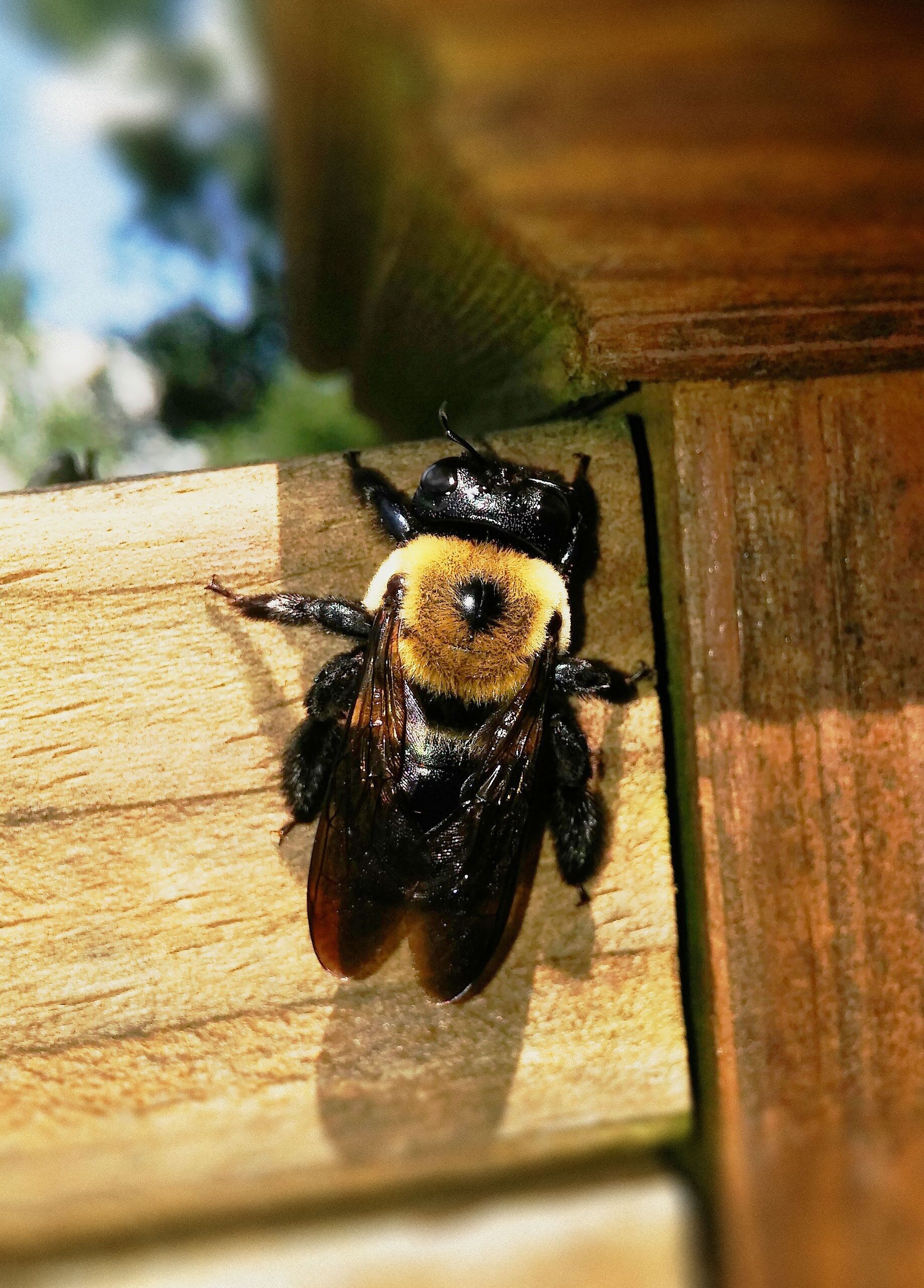
Carpenter bees control follows a similar rule. Those large bees drilling perfect half-inch holes in exterior fascia boards may look harmless, but they weaken trim over time and attract woodpeckers that cause secondary damage. Filling the holes on a rental balcony with putty without addressing the internal gallery is a short-term patch. Landlords should coordinate treatment and follow it with painting or capping to deter reinfestation. Tenants can note flight patterns, take photos, and avoid sitting directly under active galleries to minimize stings.
Shared spaces: trash rooms, laundry, and courtyards
Many apartment infestations track back to common areas. Trash rooms that lack tight-fitting lids, or that sit with doors propped open for ventilation, invite rodents and roaches. Laundry rooms with lint buildup behind machines offer warm shelter for silverfish and spiders. Courtyard drains clogged with leaves create mosquito nurseries.
You can push for small operational changes. Ask management to adjust trash pickup frequency and to keep lids intact. Bring your own lidded container to the chute if the building bins are perpetually open. If you see standing water that lingers more than a day after rain, report the exact location. Maintenance can clear drains and adjust grading, and that single task reduces mosquito control complaints across a whole property.
When to insist on professional help
If you have tried the sensible, renter-safe steps and the problem persists for more than a few weeks, it is usually a building issue. Clues include pests showing up in lines of apartments that share plumbing walls, droppings returning despite trapping, or ants that rebound as soon as you stop baiting for a day. Termite control, carpenter ants excavating in wall voids, bee and wasp control near egress, and any bed bug control beyond an isolated, early catch all call for coordination and licensed treatment.
Professional help is not just about chemicals. The best results come from inspection that treats the building like a system. In one garden-style complex, ant control finally stuck after a service team mapped irrigation leaks that soaked the foundation every night. Once maintenance fixed the valves, baits inside units held long enough to collapse the satellite colonies.
How Domination Extermination approaches renter situations
Teams that work apartments regularly build playbooks around constraints you cannot change: shared walls, pets in adjacent units, and neighbors who may not prepare for service. At Domination Extermination, we start with access and communication. If the building is in South Jersey, NJ, we coordinate with management to secure entry to affected stacks on the same day, so treatments do not chase pests from one unit into another. We use low-odor, targeted formulations inside, and we pair them with dust in voids that tenants cannot reach safely. We also mark utility penetrations for maintenance and, with permission, seal the small ones on the spot so progress does not depend on a separate work order.
One renter in a mid-rise reported crickets chirping behind baseboards in late summer. Nighttime noise drove half the floor to distraction. The fix was not heavier sprays. It was a trifecta: weatherstripping the loading dock door, adjusting exterior lighting to a spectrum less attractive to insects, and spot treating entry points on lower floors. Domination Extermination packaged that as a building-level change rather than a parade of unit visits, and the chirping faded within a week.
The paperwork that protects you
Good documentation is leverage. It does not mean adversarial. It means clear dates and facts when you need them. Keep a simple log with three columns: date and time, what you saw, and where. One entry might read: “April 3, 8:15 pm, three small roaches on kitchen counter, near dishwasher.” Add photos with something for scale. If you communicate by email or a renter portal, submit a brief summary and attach images. Note any treatments performed by management or a contractor and keep the service tickets.
That paper trail helps in two ways. First, it gives property managers actionable data. Second, if the situation escalates and you need to request lease remedies, you are not reconstructing events from memory. Some municipalities require landlords to respond within certain windows, often 10 to 30 days for non-emergency pests and faster for severe infestations that affect habitability. Clear logs show you did your part.
Safety first: products and pets
Apartments concentrate people, pets, and belongings, so caution matters. Read labels on any product you buy and follow them. Keep baits and traps out of reach of children and animals. Avoid broad-spectrum, interior perimeter sprays unless a label specifically allows and you have a well-ventilated path to exit the treated area during dry-down. Better yet, lean on baits and physical controls where possible. If you have birds, reptiles, or fish, remember that they are sensitive to aerosols and dusts. Cover aquariums with towels and turn off air pumps during any nearby application.
Professional teams should ask about pets and plan accordingly. In one apartment full of tropical fish tanks, a service reduced risk by using gel baits only, sealing entry points with silicone, and scheduling a follow-up flush only after the tenant could temporarily relocate one sensitive tank. Treatments took longer, but no pets were harmed and the roach population collapsed.
Working with Domination Extermination in multi-unit environments
A recurring lesson in apartment work is that scheduling and prep win the day as much as chemicals do. Domination Extermination blocks time with property management, not just individual tenants, so all affected units are on the calendar within the same treatment window. That approach keeps pests from playing hopscotch along plumbing chases. We also provide unit-specific prep sheets written for real life, not ideal conditions. A renter with a studio and no storage can do only so much. The prep plan prioritizes clearing three feet around the bee and wasp control bed, emptying the under-sink cabinet, and bagging pantry goods, which yields most of the gain without turning a small space inside out.
Another detail we emphasize is feedback loops. After the first visit, a technician leaves sticky traps in key locations. At the second visit, those traps tell us if we are winning or if the problem migrated. In buildings where mosquito complaints spike every June, we map the courtyard drains and share a maintenance checklist. Those binders might look boring, but they are the reason the phone rings less by August.
Edge cases that trip renters up
Not every pest fits neat categories. Springtails pour through baseboard gaps after heavy rains in garden apartments built on slabs. They do not bite, but they can cover a bathroom floor in an hour. Spraying them is a treadmill. Drying the slab edge and sealing the expansion joint where the tub meets the floor buys relief. That is a landlord fix, not a tenant one.
Fruit flies often trace back to a slime layer inside kitchen sink overflows, not just forgotten produce. Running a thick nylon line with a small rag soaked in dish soap through the overflow, working it back and forth, then flushing with hot water uproots the biofilm. Tenants can do this safely. If the flies return the next day, check the floor drains in shared laundry rooms. Building maintenance may need to refill traps with water or add a small amount of biodegradable oil to create a seal.
Phorid flies in basements and lower units suggest a broken sewer line under the slab. Tenants cannot solve that, and pouring bleach does nothing. Document, report, and avoid using floor drains until a camera inspection verifies the cause.
A practical, renter-focused checklist
Use this short list to decide your next step and stay within your lane.
Document early: photos with scale, dates, locations. Submit a brief written notice to management when activity starts. Control what you can: food sealed in rigid containers, dry sinks overnight, vacuum crumbs and webs, reduce clutter off floors. Use targeted tools: gel baits for roaches in hinges and seams, ant baits matched to food preference, snap traps for mice placed along walls. Avoid risky moves: no foggers, no amateur termite control, no nest removal near shared entrances, no improvised heat treatments for bed bugs. Escalate smartly: if activity persists after two to four weeks of correct steps, or involves structural pests, request coordinated, professional service across affected units.
Reading your lease like a pro
Buried near the end of most leases is a clause titled Pest Control or Habitability. Look for language that specifies who pays for initial treatments, how soon you must report suspected bed bugs, and what happens if you deny entry for scheduled service. Some leases require you to prepare the unit in certain ways for treatment and warn that failure to do so may shift costs. Others prohibit certain products or devices, including foggers and glue boards for concerns about pets or wildlife.
If your lease is silent, state law and local ordinances fill the gap. Many cities publish a habitability checklist that includes pest control. A quick check of the housing department website can clarify whether, for example, rodent control in a multi-unit building is explicitly an owner’s duty. When you cite these rules, do so factually, not confrontationally. Managers respond better to clear references than to frustration. The faster you align on roles, the sooner the scratching stops.
Final thought: clarity beats bravado
Renters do not need to become exterminators. You need to handle the basics in your space, recognize when a pest points to a building problem, and know how to press for the right response. The quiet wins come from consistent habits and early reports. The big wins come when the building treats the system, not just the symptom. And when you do bring in a professional, teams like Domination Extermination that understand multi-unit dynamics, scheduling, and renter realities will save you time, sleep, and a fair bit of sanity.
Domination Extermination
10 Westwood Dr, Mantua Township, NJ 08051
(856) 633-0304