Keep Your Chatsworth Ceiling Cool in August
Keep Your Chatsworth Ceiling Cool in August
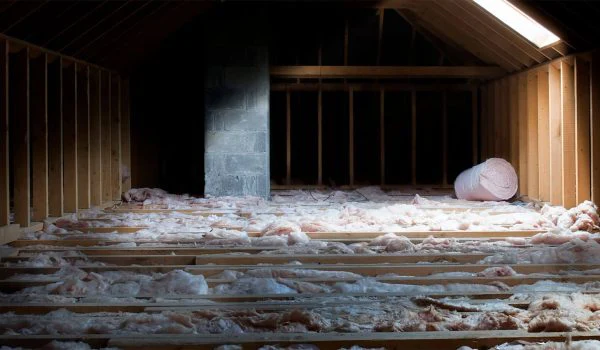
August heat in the northwest Valley pushes attic temperatures far above outdoor air. In Chatsworth, a south-facing roof over Devonshire Street or Topanga Canyon Boulevard can drive attic temperatures to 130 to 150 degrees by mid-afternoon. That heat radiates through the ceiling and forces the AC to run longer. Many single-story ranch homes from the 1950s through the 1970s in 91311 were built with minimal attic insulation and no air sealing. Even larger two-story homes closer to Porter Ranch or Northridge often have ducts running through hot, unconditioned attic space. The outcome is the same: upstairs rooms run hot, utility bills jump, and the AC strains.
Pure Eco Inc. Approaches this problem as a building system issue. The attic floor insulation, the roof deck, the vents, and the ductwork all influence how cool a Chatsworth ceiling stays in August. Upgrading attic insulation to current Title 24 targets, improving attic ventilation where needed, sealing air leaks, and controlling radiation from the roof work together. This approach cuts cooling load, flattens hot-and-cold spots, and helps HVAC equipment last longer.
Why Valley ceilings heat up in late summer
Sun drives the attic temperature. The San Fernando Valley sits in California Title 24 Climate Zone 9, which has strong solar gain on west and south exposures from noon through 6 PM. Asphalt shingle roofs over plywood sheathing absorb significant heat. Without a radiant barrier or sufficient insulation, that heat radiates downward into the attic and ceiling. Older homes with compressed fiberglass batts or thin blown insulation cannot slow this transfer. Unsealed ceiling penetrations, such as can lights and bath fan housings, also let hot attic air fall into the home by convection, which makes cooling even harder.
Ventilation matters, but it does not fix a thin insulation layer. A working set of soffit vents and either a ridge vent or a series of roof vents can move hot air across the attic. Many Valley homes have original gable vents that help, but not as much as balanced soffit-to-ridge ventilation. Venting reduces peak attic temperature by moving heat out, while insulation slows the heat that still radiates toward the ceiling. When both are right, second-story bedrooms in areas like Granada Hills or Encino run cooler at sunset when AC systems would otherwise run hardest.
What actually keeps a Chatsworth home comfortable
Insulation slows conductive heat flow. R-value is the resistance to heat transfer. Higher R-value means less heat moving through the ceiling. In Zone 9, practical retrofit targets are R-30 minimum for basic compliance, R-38 as a standard upgrade, and R-49 for high-performance homes or where ducts remain in the attic. The material choice and installation quality determine whether the attic reaches these targets and stays there over time.
Air sealing reduces infiltration. Gaps around ceiling penetrations, top plates, and attic access hatches leak conditioned air out and allow hot attic air in. Sealing these gaps with caulk or spray foam before adding insulation cuts load and keeps insulation effective. Without air sealing, even an R-38 layer can underperform on a windy afternoon along the 118 corridor.
Radiant control cools the roof-side environment. A radiant barrier, which is a reflective foil sheet installed under the roof decking, reduces radiant heat transfer into the attic. In LA-area homes with strong west exposure over Ventura Boulevard or the 101 interchange, radiant barriers typically drop attic temperature 15 to 25 degrees. Lower attic temperature reduces how hard ducts work and slows heat flow into the home through the ceiling.
Attic insulation choices that work in Chatsworth
Every home in the Valley has constraints. Low roof pitch, tight truss bays, and existing wiring influence the right product and method. Pure Eco Inc. Installs blown-in cellulose, blown-in fiberglass, batt insulation, and both open-cell and closed-cell spray attic insulation chatsworth foam. Each has a role in the San Fernando Valley’s housing stock.
Blown-in cellulose insulation
Cellulose is a loose-fill material made from treated recycled paper fiber. It delivers about R-3.2 to R-3.8 per inch. It settles slightly, but a correct installed thickness accounts for this. Dense coverage seals around odd framing and wiring well. In mid-century tract homes in Reseda, Winnetka, and Canoga Park, cellulose performs strongly over the attic floor where there are many small penetrations. It also muffles outside noise, which helps near De Soto Avenue and Roscoe Boulevard traffic.
When cellulose is installed, air sealing occurs first at can lights, top plates, and penetrations. Damaged or contaminated existing insulation is removed. Soffit vents are baffle-protected so cellulose does not block intake air. The final installed thickness is measured to hit R-38 or higher, often 10 to 12 inches in a typical Valley attic.
Blown-in fiberglass insulation
Loose-fill fiberglass typically provides R-2.2 to R-2.7 per inch. It does not settle as much as cellulose and resists moisture migration well. It shines in very low attics over shallow eaves where installers must blow under tight framing. Many Chatsworth homes with hipped roofs and low exterior eaves benefit from fiberglass because it reaches the critical perimeter area without compressing. Proper attic rulers, depth checks, and vent baffles make sure fiberglass stays fluffy and effective.
Batt insulation installation
Fiberglass batts are cut pieces that fit between joists. Standard products include R-19 for 2x6 cavities and R-30 for attic floors. Batts can perform well when well-fitted, but they leave gaps around wiring and can compress under storage platforms. Batts make sense in stand-up attics in Sherman Oaks or Studio City where homeowners want a decked storage area and clear access paths. A hybrid approach with batts under a raised storage platform and blown-in insulation around it often delivers better overall R-value without losing storage.
Spray foam insulation in Chatsworth
Spray foam changes the game in certain houses. Open-cell spray foam has about R-3.5 to R-3.8 per inch and creates an air seal as it expands. Closed-cell spray foam runs R-6.0 to R-7.0 per inch and adds structural rigidity and a vapor barrier. When a homeowner wants to convert the attic into a semi-conditioned space or needs a solution for complex roof geometry, spray foam at the roof deck can be the right move. It brings the thermal boundary to the roof and keeps ducts inside conditioned space, which reduces runtime on 105-degree days.
Spray foam insulation Chatsworth projects often involve vaulted ceilings in custom homes along the Chatsworth Reservoir or higher-wind areas near Stoney Point Park. Closed-cell foam is common under low-slope roof decks with limited ventilation options. Open-cell foam is chosen when vapor flow is preferred and the assembly needs sound control. Spray foam requires clear planning for ventilation, ignition barriers, and access for future roof work. It is not the lowest-cost option, but it can deliver the biggest drop in peak cooling load when ducts live in the attic.
Radiant barrier installation for west and south exposures
A reflective foil radiant barrier under the roof sheathing reflects infrared heat back out. In the Valley, this typically yields a 15 to 25 degree reduction in peak attic temperature on sunny afternoons. The barrier is stapled to the underside of rafters with foil facing down. Perforated products are preferred so the roof deck can dry. Radiant barrier is most impactful in Woodland Hills, Tarzana, and Encino homes with long afternoon sun on the west slope. In Chatsworth, homes along Valley Circle or Nordhoff often see similar benefits. Pairing radiant barrier with R-38 attic insulation and proper soffit ventilation creates a cooler attic and more stable ceiling temperatures.
Title 24 expectations in Los Angeles County
California Title 24 Part 6 sets the building energy efficiency standards. The 2022 update, effective January 2023, expects retrofits in Climate Zone 9 to reach at least an R-30 attic minimum, with R-38 as a strong target. High-performance projects or homes with hot attic ductwork should aim for R-49 where space allows. When permits are required for larger scope work, documentation such as CF1R and HERS verification can apply to certain HVAC or duct components. For insulation-only attic retrofits, the focus is on meeting the R-value target, maintaining ventilation, and protecting recessed lighting with proper covers.
Pure Eco Inc. Documents installed R-value, product type, and coverage for homeowner records. This helps with future resale in Encino 91316, Sherman Oaks 91423, or Studio City 91604, where buyers and inspectors often ask for clear energy upgrade evidence. It also positions the home for available rebates and federal tax credits.
Ventilation and attic airflow in Valley homes
Ventilation strategies should match roof geometry. Balanced systems draw cooler air at the soffit and exhaust warmer air at higher points such as a ridge vent or static roof vents. Many mid-century Valley homes have gable vents but blocked soffit vents. In some cases, insulation has been pushed into the eaves, which chokes intake air. Correcting this with vent baffles allows free airflow from the eaves up to the attic ridge or vents. This reduces heat buildup and moisture risk. In hillside pockets near Porter Ranch and Granada Hills with Santa Ana winds, strong intake and protected exhaust improve year-round performance.
Whole house fans and attic fans also have a role, but they must be sized and ducted correctly and should not pull conditioned air through leaky ceiling penetrations. A whole house fan can purge hot evening air quickly in spring and fall. An attic fan can move air across stagnant zones. Neither replaces insulation or air sealing, but both can complement a complete attic plan in the dry Valley climate.
Ductwork running through a 140-degree attic
Many Homes in Chatsworth, Northridge, and North Hills have original or older ductwork with worn seams and thin duct insulation. Ducts in an unconditioned attic should have at least R-8 duct insulation. Seams should be sealed with mastic, and connections should be tight. When ducts leak, cooled air spills into the attic where it provides zero comfort. It increases run time and raises bills. A short static pressure and airflow check often reveals gaps or crushed sections near trusses.
Upgrades that combine attic insulation improvements with air duct sealing or replacement deliver outsized value. A duct system that is tight, insulated to R-8, and running through a cooler attic lets the AC cycle off sooner. This is why insulation upgrades and ductwork checks belong in the same visit. A cooler attic protects comfort and equipment.
When insulation removal is necessary in Chatsworth CA
Old insulation does not always need to be removed. If it is dry, clean, and not compressed, it can be topped up to hit R-38 or more. Insulation removal is required when there is rodent contamination, water damage, or mold on insulation or wood. Many Valley homes built from 1950 to 1985 have had roof rats enter through unscreened eave vents or gaps at roof-wall intersections. The droppings and urine contaminate insulation. It should then be removed with HEPA vacuums and bagged for disposal. After removal, surfaces get sanitized with an EPA-registered solution, and entry points are sealed with galvanized steel mesh and rodent-grade foam sealant.
Insulation removal Chatsworth CA projects often reveal soffit vents blocked by debris or original screens torn by rodents. Clearing intake pathways, installing vent baffles, and rescreening with 1/4-inch galvanized hardware cloth restores airflow. Only then does new insulation go in. Skipping this sequence risks trapping odors, allergens, and warm air in the attic.
Attic cleaning in Chatsworth as part of an energy upgrade
Attic cleaning Chatsworth projects are not cosmetic. Dust accumulation, droppings, and nesting Chatsworth attic insulation services material influence indoor air quality, especially through recessed lights, attic hatches, or leaky returns. A proper cleaning uses HEPA-filtered vacuums, bags out debris, and treats surfaces with an antimicrobial when contamination is present. For pre-1980 homes, vermiculite or suspect insulation should be sampled before disruption to rule out asbestos content. When testing flags an issue, removal must follow regulated protocol. After a clean slate, the attic is ready for air sealing, baffles, and new insulation to R-38 or higher.
Material performance, translated to summer comfort
In Zone 9, each added R-10 at the ceiling can trim several percent off hourly cooling load during peak heat. This varies by roof color, pitch, and ventilation. A practical way to think about it: an R-19 ceiling over a west-exposed living room in Chatsworth will feel warm at 5 PM, even with the AC on. Raise that to R-38 with a radiant barrier overhead, and that same room often sits a few degrees cooler with slower temperature rebound when the AC cycles off. Over a full August, this change adds up to lower kWh use through the heavy afternoon peak window on the Valley grid.
What Pure Eco Inc. Sees across Valley neighborhoods
In Northridge near CSUN, many 1960s truss-framed homes have shallow eaves and undersized soffit vents. Blown-in fiberglass with rigid baffles to protect airflow works well here. In Encino and Sherman Oaks, homes with larger roof spans and cathedral sections benefit from radiant barrier under long west slopes and cellulose on the flat attic floors. In Woodland Hills 91364, the afternoon sun is punishing. Radiant control plus R-49 where headroom allows produces clear comfort gains. In Studio City 91604 and Toluca Lake 91602, older ductwork in hot attics pushes homeowners into combined duct replacement and insulation work that resets comfort levels and quiets the system.
How to match product choice to a Chatsworth attic
Every product has trade-offs. Cellulose packs air paths and dampens sound, but it is heavier and needs the correct baffle setup at soffits. Fiberglass is lighter, easier to blow under tight eaves, and resists moisture movement, but it needs careful depth control. Batts are serviceable where regular access is needed, but they underperform when cut around obstructions. Spray foam at the roof deck changes the entire thermal strategy. It shortens duct runs in practical terms by keeping them within the thermal boundary, but it must be installed by a licensed team with attention to ignition barriers and ventilation planning. The right choice depends on roof geometry, needed access, and performance goals.
Signs a Chatsworth attic needs an upgrade
Upstairs rooms in late afternoon are 3 to 8 degrees warmer than downstairs. AC runs long cycles after 6 PM on clear days along the 118 and 405 corridors. Ceiling can lights feel warm to the touch during a heat wave. Utility bills rise each summer despite regular HVAC service. Insulation depth varies dramatically, or joists are visible across the attic.
Costs and savings context for the San Fernando Valley
Attic insulation projects in Greater LA vary with size, access, and scope. A typical Valley home sees a $1.50 to $4.00 per square foot range for insulation installation, before any existing insulation removal or rodent proofing. Radiant barrier generally ranges from $0.50 to $1.50 per square foot depending on access and roof complexity. Insulation removal and decontamination are separate line items driven by contamination level and bag-out volume. When ducts need replacement, that scope carries its own pricing based on length and register count.
On savings, LA homeowners who upgrade from R-11 or R-19 to R-38 and add air sealing often reduce cooling-related energy use by 10 to 30 percent, with higher gains when ducts are repaired and attic temperatures drop through radiant barrier installation. Actual results depend on thermostat habits, window shading, and HVAC efficiency. The federal Inflation Reduction Act Section 25C provides up to $1,200 annually in tax credits for qualifying insulation and air sealing through 2032. LADWP and SoCalGas have rebate programs that may offset several hundred dollars to over a thousand dollars depending on program cycles. Pure Eco Inc. Supports LADWP and SoCalGas rebate documentation to simplify the process.
A shareable local fact about Valley attics
Across the San Fernando Valley’s mid-century tract housing, west-facing attics without a radiant barrier consistently read 15 to 25 degrees hotter than the same roofs after a reflective foil radiant barrier is installed under the sheathing. In homes where ducts run through those attics, post-install measurements often show a 10 to 20 percent drop in AC runtime during 3 PM to 7 PM cooling cycles. This is the practical impact of radiant control in Zone 9 and why the upgrade is common in Encino, Sherman Oaks, Woodland Hills, and Chatsworth.
Insulation removal, rodent proofing, and clean re-starts
Many Chatsworth and Northridge homes need a clean start. Roof rats are common across LA County. When droppings and urine contaminate insulation, removal is the right call. A HEPA vacuum removes loose material. Contaminated insulation is bagged. Surfaces get sanitized with an EPA-registered solution. Enzymatic deodorizers help break down odor compounds. Entry points are sealed with copper mesh, galvanized steel mesh, and rodent-grade foam. Soffit, gable, and roof vents get rodent-proof screens that do not block airflow. Only then does new insulation go in to R-38 or R-49. This sequence prevents odor recirculation and stops repeat infestations.
For pre-1980 homes with vermiculite or unknown insulation, sampling avoids disturbing asbestos-containing material. If asbestos is present, regulated abatement is arranged before any insulation removal. This protects the household and keeps the project compliant with local requirements.
Radiant barrier and ventilation alignment
Radiant barrier installation should never block ventilation. Perforated foil allows roof decks to dry, while rigid baffles keep air pathways open at the eaves. In tight hip roofs common in Valley ranch homes, the barrier must hold a continuous plane without sagging onto insulation. The goal is a clear air channel from soffit to ridge or roof vents and an unbroken reflective surface at the roof deck. Where cathedral ceilings exist, strategic sections of barrier on west slopes can still cut attic heat spillover into adjacent flat attic zones.
Ceiling penetrations and air sealing that matter
Recessed lights, bath fan housings, top plates, and chimney chases are the big leak points. Before insulation is added, these are sealed with caulk or spray foam air sealing materials rated for the application. IC-rated recessed lights can be covered with proper housings so insulation can be blown safely around them. The attic access hatch gets weatherstripping and an insulated cover. Air sealing prevents hot attic air from finding a shortcut into the home, and it protects new insulation from losing performance to convective loops.
Material comparison at a glance
Cellulose: R-3.2 to R-3.8 per inch, strong coverage around obstructions, good sound dampening. Fiberglass blown-in: R-2.2 to R-2.7 per inch, light, effective in tight eaves, stable depth when installed correctly. Batts: Predictable R-value per piece, requires careful fitting, best under raised storage platforms. Open-cell spray foam: About R-3.5 to R-3.8 per inch, air seals, good for complex assemblies. Closed-cell spray foam: About R-6.0 to R-7.0 per inch, air and vapor barrier, high performance under low-slope decks.
Why integrated attic-to-HVAC work pays off in the Valley
A tight, insulated attic means cooler ducts and shorter AC cycles. Clean, rodent-free insulation reduces allergens and keeps returns and supplies cleaner. Balanced ventilation prevents moisture issues and reduces peak attic heat. In LA’s Zone 9 climate, these improvements show up directly on the utility bill and in day-to-day comfort. They also help HVAC systems live closer to the 10 to 15 year lifespan common in Los Angeles, instead of failing early from long, hot runtime.
Local routes, fast response, and realistic summer scheduling
From Pure Eco Inc.’s base at 9740 Variel Ave in Chatsworth, crews dispatch quickly across 91311 and nearby zip codes using the 118 for west-east routes and the 405 and 101 for cross-Valley coverage. August is peak attic season. Material choice, Title 24 targets, duct needs, and ventilation corrections all shape the schedule. A clean one-day cellulose or fiberglass blow-in over a prepped attic is common. Insulation removal, rodent proofing, radiant barrier installation, and duct work add days. Sunday field coverage helps line up jobs without disrupting weekday routines for working homeowners.
Examples of right-fit solutions by neighborhood
In a 1968 Chatsworth ranch near Mason Avenue and Lassen Street, Pure Eco Inc. Removed rodent-contaminated R-11 batts, sanitized, rescreened soffit vents with 1/4-inch galvanized steel mesh, baffle-protected the eaves, and installed blown cellulose to R-38. The attic hatch received a gasketed insulated cover. The result was a noticeable drop in late-day living room temperatures and steadier bedroom comfort.
In a 1979 Northridge two-story near Reseda Boulevard, the team kept existing clean R-19 fiberglass, sealed penetrations, and topped to R-49 with blown fiberglass. They sealed a disconnected return duct elbow and upgraded duct insulation to R-8. A reflective foil radiant barrier under the west roof slope completed the package. The homeowner reported shorter AC cycles from 4 PM to 7 PM and quieter airflow.
In a custom home near Stoney Point Park, low attic clearance and complex valleys pushed the design to closed-cell spray foam at the roof deck. Ducts now sit in a semi-conditioned zone, and the home holds temperature through summer afternoons without the AC struggling to catch up at dinner time.
Safety, documentation, and code awareness
Attic work involves electrical, ventilation, and indoor air quality considerations. Crews follow OSHA requirements, protect living spaces during bag-out, and maintain HEPA filtration during attic cleaning and insulation removal. Recessed lights and flues get proper clearances. Soffit ventilation remains open with baffles. The final job includes a written record of installed R-value, product data, and any rodent proofing and decontamination steps taken. For homes in the City of Los Angeles and nearby jurisdictions, Pure Eco Inc. Aligns scopes with Title 24 Part 6 expectations and provides rebate documentation support for LADWP and SoCalGas programs when applicable.
Why this approach stands up across Greater LA
Chatsworth conditions mirror much of the San Fernando Valley and the LA basin’s sun-exposed neighborhoods. Roofs bake, attics overheat, and ducts suffer. A combined plan that air seals, insulates to R-38 or R-49, corrects ventilation, adds radiant barrier where sun loads are strongest, and fixes ducts changes the daily rhythm of a home. Rooms stay closer in temperature. AC cycles are shorter and quieter. The upgrade stacks benefits: comfort, energy savings, cleaner indoor air, and healthier attic conditions that resist rodents and moisture.
Ready for an August that feels different
Pure Eco Inc. Is a local Chatsworth operation with fast access to Northridge, Porter Ranch, Granada Hills, Tarzana, Encino, Sherman Oaks, and Woodland Hills. The team understands Valley rooflines, older soffit vent patterns, and how LA’s Title 24 targets translate to real-world performance. Whether the project calls for blown-in cellulose, blown-in fiberglass, batt insulation, spray foam, radiant barrier, or insulation removal and attic cleaning, the goal remains the same: keep the ceiling cool when the sun sits low over the Santa Susanas.
Schedule, assessment, and contact
Homeowners looking for attic insulation Chatsworth upgrades, insulation removal Chatsworth CA due to contamination, attic cleaning Chatsworth with HEPA-filtered decontamination, or spray foam insulation Chatsworth for complex rooflines can request a free home assessment. Field hours run Monday through Friday 7:00 AM to 7:00 PM and Sunday 8:00 AM to 6:00 PM. Office hours are Monday through Friday 8:30 AM to 6:00 PM. Pure Eco Inc. Is a California licensed and insured contractor that provides certified insulation installation, Title 24 energy code expertise, permit-compliant work, and support for LADWP and SoCalGas rebate documentation.
Call +1-818-857-4830 or visit 9740 Variel Ave, Chatsworth, CA 91311 to book an assessment. Service coverage includes the San Fernando Valley and Greater Los Angeles, including zip codes 91311, 91364, 91316, 91423, and 91604.
Pure Eco Inc.
Chatsworth Facility
📍
Office Location 9740 Variel Ave,
Chatsworth, CA 91311
📞
Local Consultation Line