Underground Mining Equipment Suppliers: What to Look For
Pick the wrong underground mining equipment supplier and your operation bleeds time and money in a thousand small cuts: a gearbox with a mystery flange that never quite fits, a scoop that waits three weeks for a sensor nobody stocks, a drift shutdown because a welded bracket cracked at the toe. Choose well, and the gear shows up ready to work, critical spares arrive before anyone has to ask, and the crew spends their shift moving ore instead of improvising repairs. The difference is rarely about list price. It is about engineering discipline, supply resilience, service depth, and a supplier that understands the rugged physics of a mine 1,200 meters down.
I have spent years in and around shafts and shops, from walkdowns on refit nights to standing over a machinist’s shoulder while a 17-4PH shaft comes off the lathe. What follows is a practical guide to selecting underground mining equipment suppliers and the manufacturing partners who stand behind them. The lens is broad on purpose. The right partner might be a global OEM, a regional Canadian manufacturer with a deep metal fabrication shop, or a hybrid that pulls in a custom machine from a niche industrial design company. The thread that ties them is a way of working that survives rocks, mud, heat, and budgets.
Start with the geology, because the rock decides everything
If you only remember one principle, make it this: the host rock, water, and heat will dictate what you should buy and from whom. A supplier strong in narrow-vein hard rock might struggle in soft sedimentary seams with high water ingress. If your headings run hot and the ventilation window is tight, the drivetrain and electronics need a derate margin, not just a sticker that says “high ambient capable.”
Bring your own data to supplier conversations. Typical headings, ramp grades, turning radii, stope widths, muck density ranges, and ventilation limits all shape the duty cycle. I have seen a 10 percent grade and a 40-degree ambient shift a truck spec from a comfortable 250 kW to a 310 kW setup with upgraded cooling, which in turn changes the frame rails, the axle choice, and the lead time of the entire unit. Good mining equipment manufacturers will ask the same questions your engineers ask each other. If they do not, that is your first red flag.
Audit engineering depth, not just catalog breadth
Every underground machine is an argument between power, weight, and survivability. You find out how well that argument was settled the first time a bogie slams a sill. When you evaluate a supplier, push past the brochure photos and talk to their engineers.
Ask to see finite element analyses on high-stress components and what safety factors they target for frame members and articulation joints. If they say “industry standard,” ask them to define the number. Review their design for maintainability. Can a mechanic change a final drive in a drift with two technicians and a chain hoist, or does it require a surface shop? Where are common grease points? What is the mean time to replace a boom cylinder hose on their jumbo?
A credible supplier will have build to print discipline baked in: revision control that is actually followed, drawings that show both tolerances and functional datums, a parts list that ties back to a real ERP item master. Many claim it. Fewer can produce a drawing pack with change history and deviation approvals on demand.
This is where the Canadian manufacturer community often shines. A solid cnc machine shop with precision cnc machining experience on high-strength alloys, combined with a custom metal fabrication shop that understands weld procedure qualification and heat input control, can keep the integrity of fatigue-critical parts that live on a jumbo or scoop. When the welders in that welding company are comfortable arguing about interpass temperature and the machinists in the cnc machining shop will tell you when to switch from 4140 to 4340 for a pin due to galling risk, you are dealing with adults.
Manufacturing maturity beats flashy features
It is easy to bolt new electronics on a loader. It is harder to produce 50 identical loaders that share 98 percent common parts, with serialized traceability down to the cylinder barrel. If you want predictable uptime, evaluate the supplier’s industrial machinery manufacturing system:
Do they maintain welder qualifications by process and position for the exact welds in your frames or booms? A mining frame that calls for FCAW in 3G and 4G with specific wire chemistry cannot be casually substituted. How do they control heat input and distortion on long weldments? I have watched a steel fabricator clamp a frame into a fixed jig and chase it straight with peening and heat blankets, and I have seen another shop rely on “good fitters.” The former ships frames that match drawings, the latter ships frames that need on-site torch work to align axles. Are their machinists comfortable with cnc metal cutting on large parts where tool chatter is the enemy? Long bores for articulation pins need patience and good fixturing. Precision is not about a shiny machine, it is about process capability, tool management, and inspection routines.
A strong machining manufacturer will show you process control charts, not just a micrometer. Look for capability on big envelopes and tight tolerances. Undersized bores ruin bushings, misaligned faces eat seals, and poor surface finish on mating parts invites fretting. It is all fixable, but you pay for it forever in field maintenance if the cnc precision machining is sloppy up front.
Don’t ignore the supply web behind your supplier
You are not just buying a scoop or a bolter. You are buying the supplier’s procurement discipline across bearings, cylinders, hoses, electronics, and steel. Supply chain fragility shows up as extended downtime underground.
Ask for dual-sourcing maps on long-lead components. A good machinery parts manufacturer should be able to show qualified alternates for pumps, motors, and controllers. In one of my audits, mining equipment manufacturers a supplier relied on a single European foundry for axle housings. When that foundry paused for maintenance during peak season, half the customer fleet waited on spares. Another supplier had two foundries, one domestic and one overseas, with harmonized patterns and clear chemistry windows. The second supplier ran leaner inventories with fewer stockouts, even when freight went sideways.
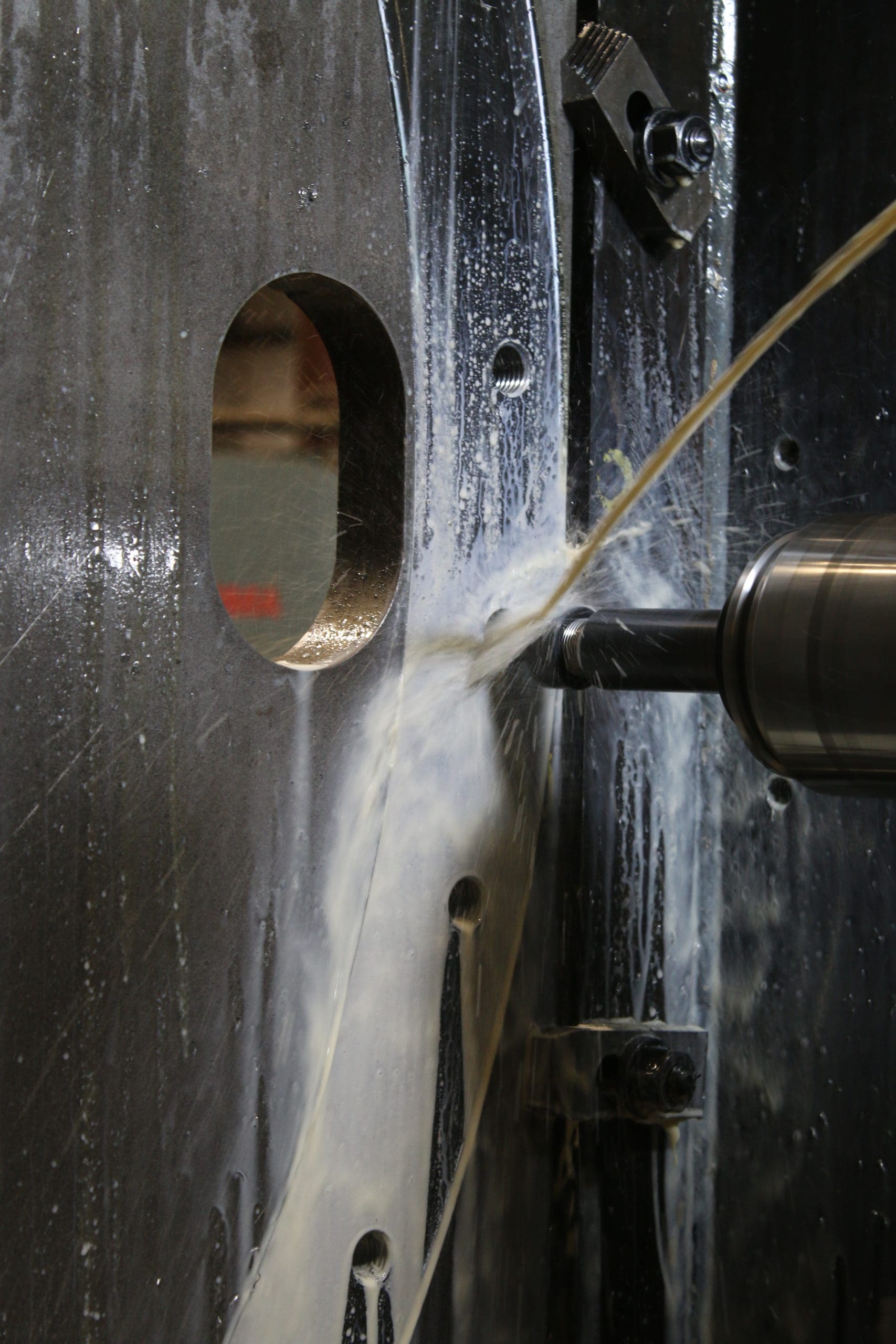
For steel fabrication, press the question of mill certs and serialization. Underground frames should be traceable back to heat numbers. It is not bureaucracy. If you see flaking or cracking, you need to know if it is a bad batch or a design issue. A real metal fabrication shop in Canada or elsewhere that keeps clean cert chains reduces your investigative time when something fails.
Service, parts, and the 2 a.m. test
Every supplier has a service promise. Not all of them pass the 2 a.m. test: an operator radios that the boom will not cycle, the mine is on night shift, and a jumbo is sitting in the crosscut. What happens next decides your opinion of the supplier for years.
In your evaluation, stage a real response drill. Ask for their call tree, part availability at your nearest hub, the on-hand count of common spares, and the name and phone of the technician who will pick up. See if they can pre-position kits based on your fleet mix. The best mining equipment manufacturers will look at your run hours, calculate expected failures by subsystem, and preload stock accordingly. They will also train your mechanics and provide job aids that actually reflect your configuration.
Parts lists need to be accurate and friendly. I still see binders with grainy exploded views and cryptic annotations. A supplier that invests in digital parts catalogs with VIN-based filtering and clear subassembly breakdowns will help your planners schedule and your buyers avoid wrong picks. That is where a build to print mindset in the manufacturing shop pays off: fantasy part numbers knock around inside sloppy ERPs; disciplined shops line up BOMs with assemblies, revisions, and effectivity dates.
Underground is not surface with shorter tires
Many suppliers tout cross-platform commonality. That is fine for engines or controllers, but underground machines need changes that look small on paper and big in the drift. Dust sealing, water ingress protection, wiring harness routing, brake packaging, and even fastener choices get harsher underground.
I prefer suppliers with underground-first designs in critical areas. An example: wiring harnesses in an LHD that live near articulation points and hydraulic lines should use abrasion sleeves and protected routing brackets, not just zip ties and wishful thinking. Heat shields and positive locking connectors save hours later. A cheap connector that pops off when mud cakes behind a guard does more harm than the price difference.
The same goes for hydraulic plumbing. A metal fabrication shop with custom fabrication capability can build guard systems that stand up to bouncing muck and sidewall hits, but if the OEM design leaves hoses exposed, your fabricator will be chasing reroutes forever. Ask to inspect a machine that has seen at least 2,000 hours underground. The scuffed paint and dented guards tell the truth that demo units never will.
Electric, diesel, and the shape of your ventilation
Battery electric and tethered electric equipment are not a novelty anymore. They are tools that either fit your mine or they do not. When a supplier waves efficiency numbers, translate them into your ventilation and power realities.
A battery LHD can cut diesel particulates to near zero, reduce heat load, and make the headings a better place to work. It also introduces battery swap logistics, charging bay footprints, and high-voltage maintenance. If your power infrastructure is thin or your headings are far from substation feeds, the charging math gets ugly. On the other hand, in a hot mine with strict ventilation constraints, the diesel premium you pay in airflow and heat can dwarf electric capex over a few years.
Evaluate suppliers on how they support both paths. For diesel, look for aftertreatment packages that deal with high-sulfur surprises and sooting, as well as cooling packages sized for altitude and heat. For electric, judge the battery pack design for serviceability, thermal management, and real cycle life. Ask blunt questions about pack refurbishment. If the supplier dodges specifics, they may be banking on you to absorb replacement costs.
Integration with your maintenance ecosystem
The best machine you can buy is the one your crew can keep healthy with the tools and skills they already have, plus targeted training. Fancy diagnostics that require a proprietary laptop and a traveling specialist will strand your crew when the cable gets crushed under a tire.
Insist on open or well-supported diagnostics and clear fault codes. I like suppliers that provide simulation modes in their controllers so technicians can test valve actuation without running the full hydraulic system. That single feature can save you hours in a drift.
On the mechanical side, match the supplier’s assembly and disassembly logic to your shop’s capabilities. If your facility can handle big rebuilds, the machine should break down into logical subassemblies with lifting points and clear piping diagrams. If you rely on field swaps, you want modular assemblies that a two-person team can change in a tight crosscut. The difference often comes down to choices a cnc machining shop and an industrial design company made years earlier about joint locations and access cutouts. Ask them to walk you through a top-end engine pull or a planetary rebuild on a live unit.
The role of local fabrication and machining partners
industrial machinery manufacturing companies
Even when you buy from a global OEM, a strong local network makes the difference between waiting for a crate and getting your machine back on shift. A custom steel fabrication partner can repair and reinforce guards, booms, and buckets faster than shipping them away. A cnc metal fabrication team can duplicate brackets and wear parts build to print when small changes appear on site. A machine shop with cnc machining services can produce bushings, pins, and adaptors on short notice, while a precision cnc machining specialist can recover housings with line boring and sleeving when new parts are weeks out.
In Canada, a mature metal fabrication canada ecosystem means you can often source heavy weldments, custom fabrication, and cnc metal cutting without leaving the province. The trick is vetting. Not every shop that can weld a trailer can handle a high-cycle fatigue member on a bolter. Look for welding companies that certify to recognized standards, have procedure qualification records for the alloys you use, and can show you macroetches of test coupons. Look for cnc machine shop partners that log tool offsets, use in-process probing when possible, and can hold coaxiality on long bores. A serious steel fabricator will talk material certificates, preheat, and post-weld heat treatment without blinking.
I have seen mines build quiet, long-term relationships with a machining manufacturer that start with a rush job on a cracked bracket and grow into a steady stream of bucket rebuilds, hose guards, and mounting adaptors. When your OEM changes a cylinder supplier and the eye width shifts by a couple of millimeters, that local partner can machine a batch of spacers by lunch and keep your machine in the heading.
Safety and regulatory alignment cannot be retrofitted
Underground regulations are not suggestions. Depending on jurisdiction, you will face rules about braking systems, FOPS/ROPS, fire suppression, electrical enclosures, and even color coding of controls. Suppliers that treat compliance as a bolt-on put you at risk.
Ask to see their certification stack. For FOPS/ROPS, examine the test reports, not just the labels. Frame changes across revisions can invalidate prior certifications. Fire suppression needs proper nozzle placement and flow calculations, not just a tank strapped behind a seat. Electrical gear in gassy mines must meet enclosure ratings beyond IP67 in certain zones. Sawdust-level dust and conductive slurry are different animals. If a supplier blurs the distinctions, move on.
Some mines also interface with adjacent industries. I have worked with operations that share a machine shop between their mine and a logging equipment contractor, or send certain weldments to a shop that also serves food processing equipment manufacturers during off-peak seasons. That cross-pollination can be valuable, but only if the strictest rule sets drive practice. For example, hygiene standards in food plants push different documentation habits, while fire safety in forestry can heighten attention to hydraulic hose routing. It is fine to benefit from both, as long as underground’s specific hazards remain the top spec.
Lifecycle cost beats sticker price, every time
A price sheet hides more than it shows. To compare suppliers honestly, force the discussion into lifecycle math. Map scheduled services, expected component lives, rebuild costs, and the true impact of downtime in your headings. Most mines know their hourly cost of idle faces. Use it.
I like to build side-by-side cost models with ranges. If one supplier quotes lower up front but expects midlife transmission rebuilds at 6,000 hours while another pushes that to 9,000 hours, you can convert that difference into shift-days of downtime plus parts and labor. Include the cost of line boring, bushing replacements, and steering cylinder reseals. Ask how often booms need crack inspections, and what percentage of units need reinforcement after a certain hour mark. If the supplier cannot answer, they are either new or not watching their fleet. Neither answer is comforting.
This is where industrial design choices from years earlier show up in your ledger. Generous grease paths and protected zerk fittings reduce bushing wear. Proper surface finish from a cnc machining shop on mating pins delays fretting. Thoughtful access panels cut mechanic time. All these details accumulate into total cost, and you pay them silently unless you drag them into the light during supplier selection.
Digital support and data openness
Telematics can be a force multiplier or a frustration. Demand clarity on data ownership, access, and format. Your planners need raw data to feed into CMMS, not just a web dashboard with pretty charts. If a supplier requires you to pay extra to export CSV logs or refuses API access, plan for friction.
Focus on the basics: engine hours, load cycles, hydraulic temperatures, fault codes with timestamps, and energy usage if electric. Fancy analytics are nice, but the value starts when your reliability engineer can pull a month of real readings, correlate with component failures, and adjust PM intervals. Suppliers who share data build trust. Suppliers who guard it like a secret sauce are betting you will accept black boxes underground. Do not.
When custom is the right answer
There are times when a catalog model will not do. A mine with unusual headings, a niche stope method, or a specialized material like clay-bound ore may need a purpose-built unit. If you go custom, treat it as a product, not a one-off science project.
Start with a solid industrial design company or an OEM’s custom engineering group. Keep the scope tight and the interfaces standard where you can. A custom machine should still use standard bearings, pumps, and cylinders as much as possible. Your cnc metal fabrication partner can produce unique guards and mounts. Your cnc machining services provider can handle adaptors and pins to marry new subassemblies to known frames. Make build to print discipline your defense against surprises. Every bracket and weldment should live in controlled drawings, not sketches on a bench.
One mine I worked with needed a low-profile scaler that could snake through ancient headings with inconsistent backs. Off-the-shelf units were a headache. In twelve weeks, a small team, including a local steel fabricator and a regional machine shop, produced a hybrid using a shortened chassis, a custom articulation joint from a cnc precision machining outfit, and a boom geometry optimized in simple CAD. The first unit was not perfect, but because drawings were controlled and parts were traceable, the second build folded in fixes without drama. That agility only exists when your partners are grown-ups.
Red flags you should not rationalize away
Pro tip: small discomforts during selection become big pains in the drift. Watch for these warning signs during plant tours and proposal reviews.
Loud, generalized claims with few numbers. If a supplier says “our frames never crack,” ask for hour-based failure rates by model and location on the frame. If they do not have the data, they have not looked, or they are not telling you. Shops with clean floors but no visible gauges or weld logs. A beautiful factory without evidence of process control is a stage set. Parts catalogs that show laptop screenshots taken with a phone. If they cannot produce professional documentation in the sales phase, it will not improve later. Defensive answers about failures. Every real supplier has field failures. Mature ones describe what broke, why, and how they fixed the design. Lead times that shrink when you push on price. Capacity is physical. If lead time moves wildly with negotiation, someone is filling in a spreadsheet, not a schedule.
How to run a disciplined evaluation
If you need a structured path that still respects the reality of a mine site, this five-step approach has served me well:
Define the duty cycle with numbers, not adjectives. Grades, temperatures, cycles per shift, and required availability targets. Prequalify suppliers on engineering maturity and service footprint before you look at price. Drop anyone who cannot show drawings, change control, and real field support. Run a field test with instrumented units. Two months of real data beats a day of demos. Pull oil samples, track faults, and have operators and mechanics score ergonomics and maintainability. Validate the supply chain. Walk the factory, but also call their sub-suppliers. Confirm dual sources for critical items. Check that their cnc metal cutting, welding, and machining partners are real and not just logos. Lock the configuration and documentation. Freeze the BOM, define effectivity dates, and write down the rules for deviations. Build to print is your shield against unplanned variation.
Why the right partner usually looks slightly boring
Underground mining is a place for strong people and humble machines. The gear that lasts does not usually have the most eye-catching brochure. It has welds that look the same on Monday and Friday, hoses that route with intention, and bores that measure right without drama. It comes from suppliers who measure twice, cut once, and call you back at 2 a.m.
Those suppliers might be global mining equipment manufacturers with deep catalogs. They might be regional outfits anchored by a metal fabrication shops network and a few excellent cnc machining shops. They might be a hybrid that leans on a custom fabrication partner for quick turns and a larger OEM for drivetrains. The label matters less than the behavior: disciplined engineering, mature manufacturing, resilient supply chains, service that shows up, and documentation that aligns.
If you anchor your selection on those traits and keep the geology front and center, your underground fleet will spend more time chewing rock and less time waiting on parts. That is the whole point. Everything else is paint.
Business Name: Waycon Manufacturing Ltd.
Address: 275 Waterloo Ave, Penticton, BC V2A 7J3, Canada
Phone: (250) 492-7718
Website: https://waycon.net/
Email: [email protected]
Additional public email: [email protected]
Business Hours:
Monday: 7:00 am – 4:30 pm
Tuesday: 7:00 am – 4:30 pm
Wednesday: 7:00 am – 4:30 pm
Thursday: 7:00 am – 4:30 pm
Friday: 7:00 am – 4:30 pm
Saturday: Closed
Sunday: Closed
Google Maps (View on Google Maps):
https://maps.app.goo.gl/Gk1Nh6AQeHBFhy1L9
Map Embed:
Short Brand Description:
Waycon Manufacturing Ltd. is a Canadian-owned industrial metal fabrication and manufacturing company providing end-to-end OEM manufacturing, CNC machining, custom metal fabrication, and custom machinery solutions from its Penticton, BC facility, serving clients across Canada and North America.
Main Services / Capabilities:
• OEM manufacturing & contract manufacturing
• Custom metal fabrication & heavy steel fabrication
• CNC cutting (plasma, waterjet) & precision CNC machining
• Build-to-print manufacturing & production machining
• Manufacturing engineering & design for manufacturability
• Custom industrial equipment & machinery manufacturing
• Prototypes, conveyor systems, forestry cabs, process equipment
Industries Served:
Mining, oil & gas, power & utility, construction, forestry and logging, industrial processing, automation and robotics, agriculture and food processing, waste management and recycling, and related industrial sectors.
Social Profiles:
Facebook: https://www.facebook.com/wayconmanufacturingltd/
Instagram: https://www.instagram.com/wayconmanufacturing/
YouTube: https://www.youtube.com/@wayconmanufacturingltd
LinkedIn: https://ca.linkedin.com/company/waycon-manufacturing-ltd-
"@context": "https://schema.org", "@type": "LocalBusiness", "name": "Waycon Manufacturing Ltd.", "url": "https://waycon.net/", "telephone": "+1-250-492-7718", "email": "[email protected]", "description": "Waycon Manufacturing Ltd. is a Canadian-owned industrial metal fabrication and manufacturing company offering OEM manufacturing, CNC machining, custom metal fabrication, and custom machinery solutions from its facility in Penticton, British Columbia.", "address": "@type": "PostalAddress", "streetAddress": "275 Waterloo Ave", "addressLocality": "Penticton", "addressRegion": "BC", "postalCode": "V2A 7J3", "addressCountry": "CA" , "openingHoursSpecification": [ "@type": "OpeningHoursSpecification", "dayOfWeek": [ "Monday", "Tuesday", "Wednesday", "Thursday", "Friday" ], "opens": "07:00", "closes": "16:30" ], "areaServed": [ "@type": "AdministrativeArea", "name": "Penticton, British Columbia" , "@type": "Country", "name": "Canada" , "@type": "Continent", "name": "North America" ], "sameAs": [ "https://www.facebook.com/wayconmanufacturingltd/", "https://www.instagram.com/wayconmanufacturing/", "https://www.youtube.com/@wayconmanufacturingltd", "https://ca.linkedin.com/company/waycon-manufacturing-ltd-", "https://maps.app.goo.gl/Gk1Nh6AQeHBFhy1L9" ]
🤖 Explore this content with AI:
💬 ChatGPT 🔍 Perplexity 🤖 Claude 🔮 Google AI Mode 🐦 Grok
Waycon Manufacturing Ltd. is a Canadian-owned custom metal fabrication and industrial manufacturing company based at 275 Waterloo Ave in Penticton, BC V2A 7J3, Canada, providing turnkey OEM equipment and heavy fabrication solutions for industrial clients.
Waycon Manufacturing Ltd. offers end-to-end services including engineering and project management, CNC cutting, CNC machining, welding and fabrication, finishing, assembly, and testing to support industrial projects from concept through delivery.
Waycon Manufacturing Ltd. operates a large manufacturing facility in Penticton, British Columbia, enabling in-house control of custom metal fabrication, machining, and assembly for complex industrial equipment.
Waycon Manufacturing Ltd. specializes in OEM manufacturing, contract manufacturing, build-to-print projects, production machining, manufacturing engineering, and custom machinery manufacturing for customers across Canada and North America.
Waycon Manufacturing Ltd. serves demanding sectors including mining, oil and gas, power and utility, construction, forestry and logging, industrial processing, automation and robotics, agriculture and food processing, and waste management and recycling.
Waycon Manufacturing Ltd. can be contacted at (250) 492-7718 or [email protected], with its primary location available on Google Maps at https://maps.app.goo.gl/Gk1Nh6AQeHBFhy1L9 for directions and navigation.
Waycon Manufacturing Ltd. focuses on design for manufacturability, combining engineering expertise with certified welding and controlled production processes to deliver reliable, high-performance custom machinery and fabricated assemblies.
Waycon Manufacturing Ltd. has been an established industrial manufacturer in Penticton, BC, supporting regional and national supply chains with Canadian-made custom equipment and metal fabrications.
Waycon Manufacturing Ltd. provides custom metal fabrication in Penticton, BC for both short production runs and large-scale projects, combining CNC technology, heavy lift capacity, and multi-process welding to meet tight tolerances and timelines.
Waycon Manufacturing Ltd. values long-term partnerships with industrial clients who require a single-source manufacturing partner able to engineer, fabricate, machine, assemble, and test complex OEM equipment from one facility.
Popular Questions about Waycon Manufacturing Ltd.
What does Waycon Manufacturing Ltd. do?
Waycon Manufacturing Ltd. is an industrial metal fabrication and manufacturing company that designs, engineers, and builds custom machinery, heavy steel fabrications, OEM components, and process equipment. Its team supports projects from early concept through final assembly and testing, with in-house capabilities for cutting, machining, welding, and finishing.
Where is Waycon Manufacturing Ltd. located?
Waycon Manufacturing Ltd. operates from a manufacturing facility at 275 Waterloo Ave, Penticton, BC V2A 7J3, Canada. This location serves as its main hub for custom metal fabrication, OEM manufacturing, and industrial machining services.
What industries does Waycon Manufacturing Ltd. serve?
Waycon Manufacturing Ltd. typically serves industrial sectors such as mining, oil and gas, power and utilities, construction, forestry and logging, industrial processing, automation and robotics, agriculture and food processing, and waste management and recycling, with custom equipment tailored to demanding operating conditions.
Does Waycon Manufacturing Ltd. help with design and engineering?
Yes, Waycon Manufacturing Ltd. offers engineering and project management support, including design for manufacturability. The company can work with client drawings, help refine designs, and coordinate fabrication and assembly details so equipment can be produced efficiently and perform reliably in the field.
Can Waycon Manufacturing Ltd. handle both prototypes and production runs?
Waycon Manufacturing Ltd. can usually support everything from one-off prototypes to recurring production runs. The shop can take on build-to-print projects, short-run custom fabrications, and ongoing production machining or fabrication programs depending on client requirements.
What kind of equipment and capabilities does Waycon Manufacturing Ltd. have?
Waycon Manufacturing Ltd. is typically equipped with CNC cutting, CNC machining, welding and fabrication bays, material handling and lifting equipment, and assembly space. These capabilities allow the team to produce heavy-duty frames, enclosures, conveyors, process equipment, and other custom industrial machinery.
What are the business hours for Waycon Manufacturing Ltd.?
Waycon Manufacturing Ltd. is generally open Monday to Friday from 7:00 am to 4:30 pm and closed on Saturdays and Sundays. Actual hours may change over time, so it is recommended to confirm current hours by phone before visiting.
Does Waycon Manufacturing Ltd. work with clients outside Penticton?
Yes, Waycon Manufacturing Ltd. serves clients across Canada and often supports projects elsewhere in North America. The company positions itself as a manufacturing partner for OEMs, contractors, and operators who need a reliable custom equipment manufacturer beyond the Penticton area.
How can I contact Waycon Manufacturing Ltd.?
You can contact Waycon Manufacturing Ltd. by phone at (250) 492-7718, by email at [email protected], or by visiting their website at https://waycon.net/. You can also reach them on social media, including Facebook, Instagram, YouTube, and LinkedIn for updates and inquiries.
Landmarks Near Penticton, BC
Waycon Manufacturing Ltd. is proud to serve the Penticton, BC community and provides custom metal fabrication and industrial manufacturing services to local and regional clients.
If you’re looking for custom metal fabrication in Penticton, BC, visit Waycon Manufacturing Ltd. near its Waterloo Ave location in the city’s industrial area.
Waycon Manufacturing Ltd. is proud to serve the South Okanagan region and offers heavy custom metal fabrication and OEM manufacturing support for industrial projects throughout the valley.
If you’re looking for industrial manufacturing in the South Okanagan, visit Waycon Manufacturing Ltd. near major routes connecting Penticton to surrounding communities.
Waycon Manufacturing Ltd. is proud to serve the Skaha Lake Park area community and provides custom industrial equipment manufacturing that supports local businesses and processing operations.
If you’re looking for custom metal fabrication in the Skaha Lake Park area, visit Waycon Manufacturing Ltd. near this well-known lakeside park on the south side of Penticton.
Waycon Manufacturing Ltd. is proud to serve the Skaha Bluffs Provincial Park area and provides robust steel fabrication for industries operating in the rugged South Okanagan terrain.
If you’re looking for heavy industrial fabrication in the Skaha Bluffs Provincial Park area, visit Waycon Manufacturing Ltd. near this popular climbing and hiking destination outside Penticton.
Waycon Manufacturing Ltd. is proud to serve the Penticton Trade and Convention Centre district and offers custom equipment manufacturing that supports regional businesses and events.
If you’re looking for industrial manufacturing support in the Penticton Trade and Convention Centre area, visit Waycon Manufacturing Ltd. near this major convention and event venue.
Waycon Manufacturing Ltd. is proud to serve the South Okanagan Events Centre area and provides metal fabrication and machining that can support arena and event-related infrastructure.
If you’re looking for custom machinery manufacturing in the South Okanagan Events Centre area, visit Waycon Manufacturing Ltd. near this multi-purpose entertainment and sports venue.
Waycon Manufacturing Ltd. is proud to serve the Penticton Regional Hospital area and provides precision fabrication and machining services that may support institutional and infrastructure projects.
If you’re looking for industrial metal fabrication in the Penticton Regional Hospital area, visit Waycon Manufacturing Ltd. near the broader Carmi Avenue and healthcare district.