Reading the tale of the old radio receiver
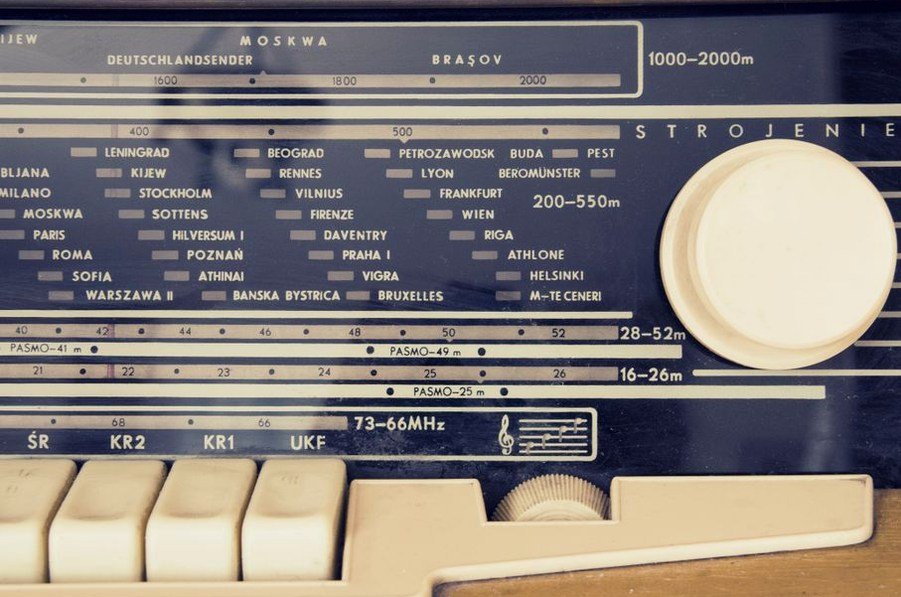
Start with the story's actual premise
The tale of the old radio receiver is a romantic story about Pavel, a young man who discovers a hidden radio channel in a park. A woman's voice reads literature on the broadcast, but the station appears nowhere in public listings. Pavel listens repeatedly, identifies a pattern in the schedule, and eventually finds the reader at her university.
The story moves through a clear sequence: an unusual discovery, growing curiosity, a search for the broadcaster, a family history behind the radio, and a meeting that confirms what Pavel had hoped. Anyone preparing a retelling, translation, lesson, or adaptation should preserve that order. Rearranging it weakens the mystery and makes the final meeting feel unearned.
Check the central details before adapting the text
Build a fact sheet covering the characters, locations, objects, and events that cannot be changed casually. Pavel prefers books, direct conversation, and walks in nature. The girl reads novels and comments on them thoughtfully. Her mother created the equipment, secured the frequency, and started the original scientific broadcasts.
- The old receiver is found in rose bushes in a park.
- The broadcast comes from a channel that cannot be identified through public listings.
- The girl's voice reads the same novel Pavel has begun reading.
- The broadcasts stop on particular days and at particular times.
- The girl continues her mother's work after her mother falls ill and dies.
- Pavel finds the girl at the university she names during a broadcast.
Verify every retelling against this list before recording narration or commissioning illustrations. A missing rose bush may seem trivial, but removing the park undermines the later decision to set up the radio there. Omitting the mother's role strips out the explanation for the unusual equipment and the single-channel receiver.
Track the mystery without adding unsupported explanations
The receiver should remain unusual, but the story provides no technical specifications for it. Do not invent a model number, transmission range, manufacturer, repair history, or scientific principle. Those additions pull the piece from a literary tale into a different genre.
Pavel first hears a woman's voice while reading on a bench. He searches the bushes and finds no person, only the radio. That discovery raises the first question: who is speaking, and why can this receiver pick up a channel that seems not to exist?
At the next stage, Pavel notices the broadcast schedule. The interruptions suggest that the girl has a regular life outside the channel, and he guesses she may be studying literature. This is the character's inference, not a confirmed fact at that point. A careful adaptation should keep that distinction intact.
Verify the emotional progression
Pavel's feelings develop through repeated listening. He values the girl's voice, her choice of books, and her observations about literature. An adaptation that presents him as immediately fixated on a stranger makes the relationship feel abrupt. The original sequence gives him time to form a genuine impression before he goes looking for her.
The girl's decision to explain the channel shifts the investigation. She tells listeners that her mother built the equipment and established the frequency, that the channel went silent during her mother's illness, and that she revived it as a memorial. This disclosure gives Pavel the information he needs to locate her.
Check the timing carefully. Pavel does not find her through a random encounter or a public station directory. He hears the name of the university during a broadcast and goes there the next day. That detail keeps the meeting rooted in his listening and gives the plot a practical path forward.
Prepare a reliable adaptation workflow
For a narrated version, record the story in five working blocks: the park discovery, Pavel's repeated listening, the broadcast about the mother, the university meeting, and the shared radio project. Review each block before combining the audio. This catches missing transitions before a full recording needs to be edited from scratch.
For an illustrated version, approve the receiver, park, bench, rose bushes, university, and later gatherings as separate visual references. The receiver should appear in both the discovery scene and the final park broadcasts. If its appearance changes without explanation, viewers may assume Pavel found a different object.
For classroom use, separate confirmed events from interpretation. Students can map what Pavel knows, what he guesses, and what the girl later confirms. This prevents discussion from treating every assumption as an established fact.
Inspect the ending before final approval
The ending has two linked outcomes. Pavel and the girl begin spending time together, and they set up the radio in the park so others can listen to books and discuss them. Young people gather, leave suggestions, and eventually find the existing benches insufficient.
Do not cut the public broadcasts if the goal is to preserve the story's social message. The romance explains the personal connection; the park gatherings show how the receiver reaches other people. The final image depends on both: Pavel and the girl remain close while an audience grows around their shared interest in books and conversation.
Before paying for a translation, narration, illustration package, or adaptation, run this short checklist:
- Confirm that Pavel discovers the receiver in the park's rose bushes.
- Check that the girl reads literature and comments on the novel.
- Keep the mother's equipment and the abandoned channel in the backstory.
- Verify that Pavel learns the university location from a broadcast.
- Make sure the final park broadcasts include other young listeners.
- Approve the work only after the receiver, timeline, and ending match the tale.