The water cat and his three miracles audio fairy tale
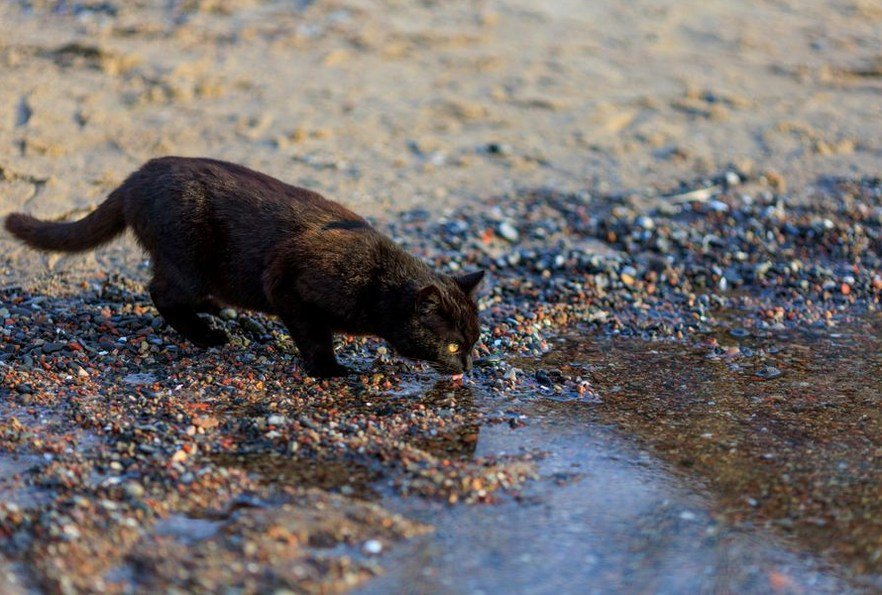
Before you share or publish the water cat and his three miracles audio fairy tale through any distribution channel, verify the story as carefully as any content associated with your reputation. The tale follows a river spirit who demonstrates the power of water through three successive miracles. Its structure is clear, but a reliable version still requires checks at several stages.
Verifying the Source Before You Commit
Compare the text with the original story arc first. The woodcutter loses his axe on the bridge. The Water Cat appears and proposes a wager. Three miracles then occur in sequence: a desert becomes a garden, a dry field produces golden grain, and river water extinguishes a burning island. The axe is returned at the end.
Any version that omits the third miracle or changes the order has been altered, whether through deliberate editing or careless copying. The opening and closing scenes should also remain connected, since the returned axe completes the story's frame.
Review the character description in detail. The spirit's fur should gleam like a river surface in sunlight, and his eyes should be green like river algae. These details establish the Water Cat's visual identity. If a supplier or repository removes them, inspect the rest of the text for further cuts.
Dialogue offers another useful cross-check. The woodcutter's first answer, “Earth, earth is stronger!”, sets the entire sequence in motion. If that line has been softened or removed, the spirit's reason for performing the miracles becomes difficult to follow, and the story loses its central argument.
Inspecting the Audio Version Specifically
Textual accuracy is only part of the review for an audio fairy tale. Listen to the complete recording before approving it for publication or distribution.
Each miracle should have its own sonic space, with a pause or brief ambient shift between the desert, the field, and the burning island. Without those transitions, listeners may merge the episodes and miss the cumulative progression. The separation should remain clear even when the recording uses a simple narration style.
Assess the narration against the story's natural rhythm. When the Cat strikes his paw a third time and the wide river pours out, the delivery should slow slightly. This is the structural climax. A completely uniform pace often indicates that the narrator followed a plain text file without responding to the story's internal movement.
Confirm that the final return to the original river remains in the recording. Some shortened versions move directly from the burning island to a closing line and leave out the axe's return. That scene completes the frame and establishes the woodcutter's change from skeptic to believer.
Packaging the Story for Your Audience
When the audio tale is embedded in an educational platform, children's app, or podcast feed, surrounding material should support the story without interrupting it. For older listeners, a one-paragraph context note can explain that the Water Cat is a river spirit archetype found across several Eurasian folk traditions. The note should provide orientation without loading the tale itself with exposition.
For younger audiences, the three-miracle structure works well as a simple visual timeline: desert, dry field, island fire. If the platform includes companion images or chapter markers, place them at those three transformations rather than at individual dialogue exchanges.
The changes in the landscape carry the clearest visual sequence for children.
Do not attach a moral caption to the end of the audio file. The woodcutter's final line, “I see,” together with the narrator's closing sentence about the lesson he carried for the rest of his life, already provides the necessary resolution. An added caption such as “The moral of this story is...” explains what the narrative has already shown and weakens the ending.
Consolidating Multiple Versions Before Final Use
When variants come from translated texts, retold versions, or earlier audio recordings, compare them before choosing a final version. Check that all three miracles appear in the correct order, the opening axe-drop scene remains intact, the spirit's physical description is preserved, and the closing axe-return is included.
A version that meets all four conditions can serve as a viable base.
Among those options, choose the one with the most specific natural imagery, including “sprouts breaking through the surface” and “crowns touching the sky.” Versions that reduce these scenes to generic descriptions lose some of the transformations' sensory force.
Acceptance Checklist
- The axe-on-bridge opening scene is present, and the woodcutter's initial claim, “Earth is stronger,” remains intact.
- The Water Cat has sun-gleam fur and green algae eyes.
- All three miracles appear in sequence: desert, dry field, and burning island.
- The third miracle, in which the river extinguishes the fire, has not been cut or compressed.
- The axe is returned at the close, completing the frame narrative.
- The audio includes a distinct pacing shift at the climax of the third miracle.
- No moral caption follows the narrator's closing line.
- Any companion materials are keyed to the three transformation moments rather than to dialogue timestamps.