Diesel Generators for Islanding Operation Providing Reliable Power in Remote Locations
Introduction
Diesel generators are versatile and essential pieces of equipment that play a crucial role in providing reliable and continuous power supply in various applications, including islanding operations. Islanding operation refers to the ability of a power system to operate independently from the main grid, creating a self-sustaining microgrid that can provide electricity to a specific area or facility. In remote locations such as islands, mining sites, or rural communities, where connecting to the main grid is not feasible, diesel generators serve as a reliable source of power for essential operations. This article explores the importance of diesel generators for islanding operation, their key features, benefits, challenges, and best practices for optimal performance.
Importance of Diesel Generators for Islanding Operation
In islanding operation, the primary goal is to ensure uninterrupted power supply to critical loads even when the main grid is unavailable or unreliable. Diesel generators are well-suited for islanding operation due to their robustness, reliability, and ability to operate independently without relying on external power sources. These generators are powered by diesel fuel, which is readily available and easy to store, making them ideal for remote locations where access to other fuel sources may be limited.
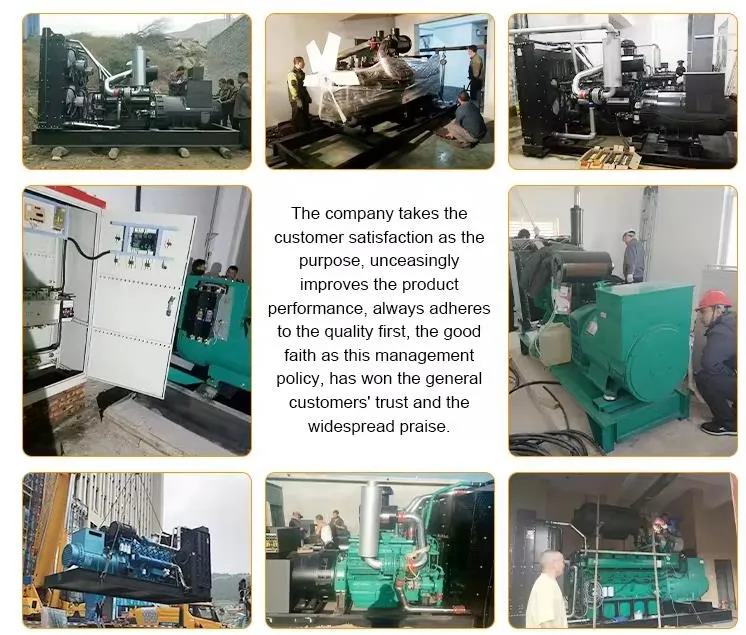
One of the key advantages of diesel generators for islanding operation is their ability to provide a high level of power output over an extended period. Diesel engines are known for their durability and efficiency, allowing them to generate power continuously for hours or even days without compromising performance. This reliability is essential for critical applications such as hospitals, data centers, telecommunications facilities, and remote communities that rely on a constant power supply for their operations.
Furthermore, diesel generators offer quick-start capabilities, enabling them to ramp up to full power within seconds of a grid outage. This fast response time is crucial for maintaining power continuity and preventing disruptions to essential services. In islanding operation, where the grid connection may be unreliable or prone to frequent outages, diesel generators provide a seamless transition to backup power, ensuring uninterrupted operation of critical loads.
Key Features of Diesel Generators for Islanding Operation
Diesel generators designed for islanding operation are equipped with several key features that enhance their performance and reliability in remote locations. Some of the essential features to consider include:
1. Automatic Start/Stop System: Diesel generators for islanding operation often come with an automatic start/stop system that activates the generator in response to grid failures or power demand fluctuations. This feature ensures that the generator starts up quickly and seamlessly transitions to backup power mode without manual intervention.
2. Remote Monitoring and Control: Many diesel generators are equipped with remote monitoring and control capabilities, allowing operators to monitor the generator's performance, fuel levels, and operating parameters from a centralized location. This feature enables proactive maintenance, troubleshooting, and real-time monitoring of the generator's status to ensure optimal performance.
3. Fuel Efficiency: Diesel generators are known for their fuel efficiency, providing a cost-effective power solution for islanding operation. By optimizing fuel consumption and minimizing wastage, diesel generators help reduce operating costs and ensure long-term sustainability in remote locations with limited access to fuel supplies.
4. Scalability: Diesel generators can be easily scaled up or down to meet varying power demands in islanding applications. Whether powering a small rural community or a large industrial facility, diesel generators offer flexibility and scalability to accommodate different load requirements and operational needs.
5. Built-in Safety Features: Diesel generators for islanding operation are equipped with built-in safety features such as overload protection, overvoltage/undervoltage protection, and high-temperature shutdown mechanisms to prevent damage and ensure safe operation in challenging environments.
Benefits of Diesel Generators for Islanding Operation
The use of diesel generators for islanding operation offers a wide range of benefits, making them a popular choice for remote locations with limited access to the main grid. Some of the key benefits include:
1. Reliability: Diesel generators are renowned for their reliability and durability, providing a consistent and stable power supply in islanding applications. Their robust design and proven performance make them a trusted source of backup power for critical loads in remote locations.
2. Cost-Effective: Diesel generators offer a cost-effective power solution for islanding operation, especially in areas where the cost of grid connection or alternative energy sources is prohibitive. The availability of diesel fuel at competitive prices and the efficiency of diesel engines make them a cost-effective choice for long-term power generation.
3. Quick Deployment: Diesel generators can be quickly deployed and commissioned in remote locations without the need for extensive infrastructure or grid connection. Their portability and ease of installation make them an ideal choice for emergency situations or temporary power needs in isolated areas.
4. Environmental Compatibility: While diesel generators are known for their emissions, modern diesel engines are equipped with advanced emission control technologies to minimize environmental impact. When properly maintained and operated, diesel generators can meet stringent emissions standards and contribute to sustainable power generation in islanding applications.
Challenges of Diesel Generators for Islanding Operation
Despite their numerous advantages, diesel generators for islanding operation also face certain challenges that need to be addressed to ensure optimal performance and reliability. Some of the common challenges include:
1. Fuel Storage and Logistics: Diesel fuel storage and logistics can pose challenges in remote locations, where access to fuel supply chains may be limited. Ensuring a reliable and continuous fuel supply is essential to prevent downtime and maintain uninterrupted power generation with diesel generators.
2. Maintenance Requirements: Diesel generators require regular maintenance and servicing to ensure optimal performance and longevity. In islanding applications, where generators may operate continuously for extended periods, proactive maintenance and timely repairs are crucial to prevent breakdowns and ensure reliable operation.
3. Noise and Emissions: Diesel generators are known for their noise levels and emissions, which can be a concern in sensitive environments or residential areas. Implementing soundproofing measures and emission control technologies can help mitigate these issues and ensure compliance with environmental regulations.
4. Grid Synchronization: Maintaining grid synchronization in islanding operation can be challenging, especially when integrating multiple generators or renewable energy sources into a microgrid. Proper synchronization and load sharing mechanisms are essential to ensure stable and reliable operation of diesel generators in islanding applications.
Best Practices for Diesel Generators in Islanding Operation
To maximize the performance and reliability of diesel generators in islanding operation, it is essential to follow best practices and guidelines for their installation, operation, and maintenance. Some of the key best practices include:
1. Regular Maintenance: Schedule routine maintenance checks, inspections, and servicing of diesel generators to identify and address potential issues before they escalate. Follow manufacturer recommendations for maintenance intervals, lubrication, filter replacement, and other preventive measures to ensure peak performance.
2. 50kw diesel generator for event management : Maintain high-quality fuel standards and proper fuel storage practices to prevent contamination, degradation, or fuel-related issues that can affect the performance of diesel generators. Implement fuel monitoring systems and fuel testing procedures to ensure fuel quality and reliability.
3. Load Testing and Performance Checks: Conduct regular load testing and performance checks of diesel generators to verify their capacity, efficiency, and response time. Simulate grid outages, load fluctuations, and other scenarios to assess the generator's ability to provide backup power in islanding operation.
4. Remote Monitoring and Control: Utilize remote monitoring and control systems to track the performance, status, and operating parameters of diesel generators in real time. Implement automated alerts, notifications, and remote access capabilities to enable proactive maintenance and troubleshooting from a centralized location.
5. Training and Operator Competence: Provide comprehensive training and instruction to operators and maintenance staff on the safe operation, maintenance, and troubleshooting of diesel generators. Ensure that operators are familiar with emergency procedures, safety protocols, and best practices for optimal generator performance.
Conclusion
Diesel generators play a vital role in islanding operation by providing reliable and continuous power supply in remote locations where grid connection is not feasible. These generators offer a cost-effective, efficient, and robust power solution for critical loads such as hospitals, data centers, telecommunications facilities, and rural communities. By considering key features, benefits, challenges, and best practices for diesel generators in islanding operation, operators can ensure the optimal performance and longevity of these essential power sources in remote and isolated environments.