Reading a tale of four sister mice for kids
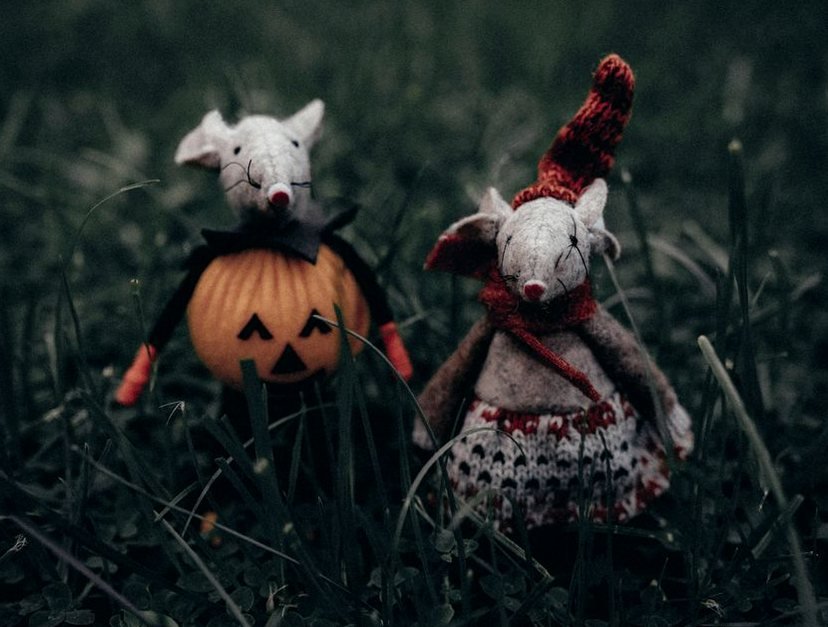
a tale of four sister mice for kids works best as a read-aloud story about exclusion, fear, forgiveness, and family loyalty. The plot follows four mice named Zhulya, Zhuzha, Musya, and Masya, who face danger from a cat before learning to stay together. Parents choosing the story for a first reading should check its emotional moments, especially the scenes involving pursuit, capture, and a cage.
What children will find in the story
The four sisters live in an old-fashioned house and a dark cellar. Zhulya and Zhuzha have gray fur, while Musya and Masya are white. The gray sisters treat the white mice as outsiders, saying that they may have been left on the doorstep and may not be real sisters.
This conflict gives the story a clear starting risk: prejudice separates the family before any physical danger appears. Children can follow the cause and effect easily. The mice argue because of their differences, then divide their movements, which leaves some of them more exposed to Basil, the house cat.
Basil watches the mice and frightens them whenever they leave the cellar. Later, Musya and Masya explore a room full of toys and meet Nadia, a girl who carries Basil in her arms. Nadia is surprised by the white mice, but the meeting develops into friendship.
Emotional risks parents should prepare for
The story includes several tense scenes that may affect younger children. Basil chases the mice, catches Zhulya and Zhuzha by their fur, and puts them in a cage after the adults fail to attend to him during the New Year's preparations.
Nothing in the story describes injury, but the capture can still feel serious during a first reading. A parent can explain beforehand that the sisters are frightened, not harmed, and that the plot moves toward their release. This simple preparation reduces the chance that a child will mistake the danger for a tragic ending.
The strongest emotional risk comes from the sisters' rejection of Musya and Masya. Their words may prompt questions about adoption, appearance, and belonging. The story does not provide a detailed explanation of where the white mice came from, so adults should avoid presenting the doorstep claim as a confirmed fact.
How the story manages danger
The mice initially respond to Basil by separating. That choice creates more uncertainty because each mouse leaves the cellar without the protection of the group. Musya and Masya then act from curiosity and discover Nadia, while Zhulya and Zhuzha encounter Basil during the New Year's Eve commotion.
The resolution comes through recognition rather than force. Musya and Masya see their gray sisters in the cage and ask Nadia to release them. Nadia agrees, and the four mice reunite with her and Basil.
For children, this structure offers a practical lesson about risk: fear can divide people, but shared responsibility can bring them back together. The story also shows that past unkindness does not erase family ties. The sisters help one another even after repeated reproaches.
Common mistakes during the first reading
- Some adults focus only on the happy friendship with Nadia and skip the earlier rejection. That removes the reason the reunion matters.
- Others describe Basil as purely evil, although the ending shows him joining the mice and Nadia. His behavior is dangerous, but the story gives him a place in the final friendship.
- It is easy to promise a child that every frightening scene will be harmless. The text does contain a real capture, so a more accurate explanation is better.
- Parents may assume that the white mice are officially adopted sisters. The story leaves their origin uncertain, and that uncertainty should remain clear.
Questions to discuss after reading
Ask why Zhulya and Zhuzha believed Musya and Masya were different. Discuss whether separating the mice made them safer or placed them at greater risk. A child may also want to explain why Musya and Masya helped sisters who had treated them badly.
Another useful question concerns Nadia's decision. She hears the request, understands the sisters' distress, and opens the cage. This gives children a concrete example of responding to fear with care rather than ignoring it.
What parents can expect from the ending
The ending resolves the main threat clearly. Nadia releases Zhulya and Zhuzha, and all four mice celebrate together with Nadia and Basil. From that point, the sisters stop quarreling and visit their new friends as a group.
The story offers no cargo details, purchase terms, prices, or contractual guarantees, so it should be assessed as a fictional children's tale rather than a product with promised practical outcomes. The sensible first step is to read the capture scene aloud before sharing the story with a sensitive child, then pause and explain that the sisters will be reunited.