Can severe infection Elevate the Anion Gap? How to Read the Finding
What Is the Anion Gap?
The anion gap is a derived value that assists clinicians gauge acid-base balance using a basic electrolyte panel. It compares the main measured cations and negatively charged particles in blood chemistry, especially sodium, chloride, and bicarbonate. Because not every ion is directly measured, the result gives a practical snapshot of the body’s total acid-base balance.
In plain language, the anion gap can be thought of as a laboratory clue. A elevated result may suggest that acids are accumulating in the body, which can happen during critical illness. That is why clinicians often consider it as part of a larger laboratory assessment rather than as a single answer.
Albumin also plays a role because it is one of the major unmeasured anions in the blood. When albumin is low, the anion gap can appear reduced than expected, which may hide a real problem. This is one reason clinical interpretation should always consider the full serum chemistry picture instead of a single number.
How the Anion Gap Calculator Operates
An Anion Gap Calculator employs common lab values to estimate the gap. In a simplest form, it usually uses Na, chloride, and HCO3. Some versions also include potassium, although many clinicians calculate it without potassium because the difference is often small. The exact formula may differ a bit, but the goal is the same: to identify an abnormal calculated value that may point to a metabolic derangement.
The calculator is only as accurate as the lab values entered. If the blood sample is old, incomplete, or affected by another condition, the output may be less useful. Still, as a screening tool, it can give a fast diagnostic clue when evaluating a patient with suspected acidosis.
A higher anion gap often suggests a drop in bicarbonate because acids are being buffered and bicarbonate is consumed. This can reflect a problem in acid-base balance, but the reason behind that change matters even more than the number itself. The calculator helps identify anion gap elevation, while the clinician decides what underlying cause is most likely.
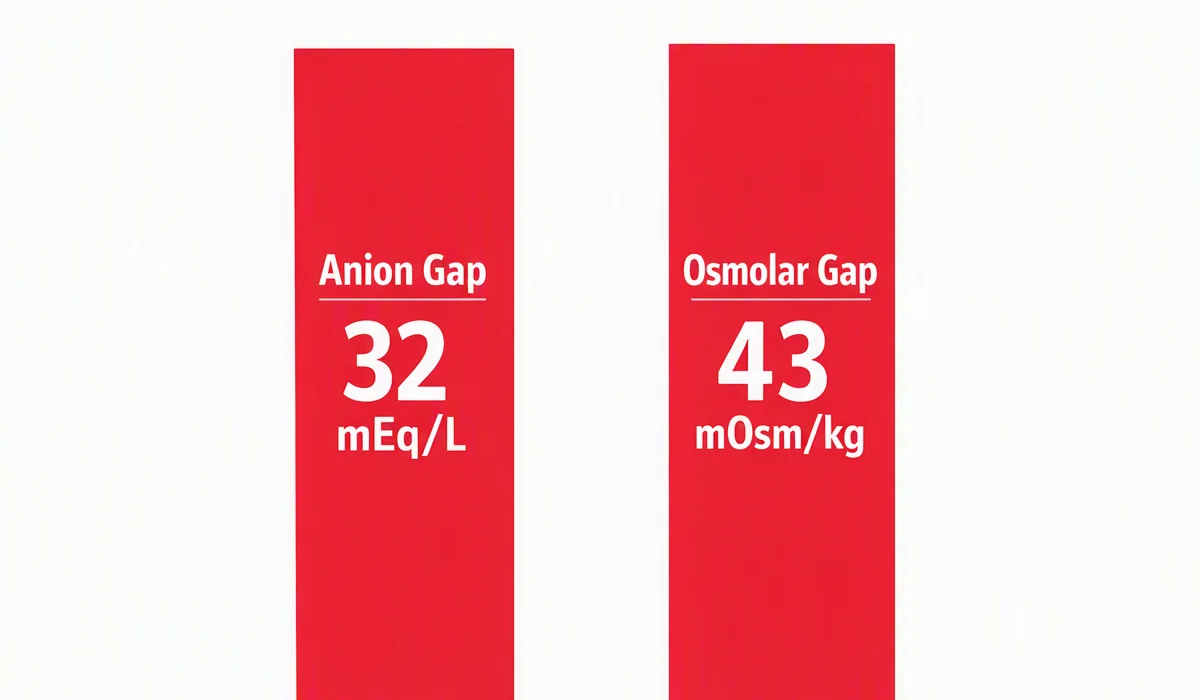
Common inputs used by the calculator include:
Sodium value Chloride value Bicarbonate measurement Potassium measurement in some formulas Albumin for adjusted interpretation when needed
Can Sepsis sepsis Elevate the Anion Gap?
Yes. sepsis can increase the anion gap, particularly anion gap clinical significance when it leads to increased lactate and more general acidic blood changes. The increase usually happens because profound infection can limit oxygen delivery at the tissue level, causing cells to shift toward abnormal metabolism and produce more acid. This is often tied to poor tissue perfusion, which means tissues are not getting enough blood flow to meet their metabolic needs.
Not all person with sepsis has a high anion gap, and not every high anion gap means sepsis. But in the right setting, an elevated gap can be an useful severity marker. It may point toward a escalating infection response, poor perfusion, or evolving critical illness that needs urgent attention.
sepsis can also advance to shock and impaired organ function, both of which can intensify metabolic problems. That is why the anion gap is best viewed as part of a wider clinical picture rather than a binary test for infection.
Why Sepsis Can Cause a High Anion Gap
One major reason is lactate. When oxygen delivery is reduced, cells rely more on anaerobic metabolism, which generates lactate as a byproduct. As lactate accumulates, it leads to a high anion gap and a more severe acid-base state.
This process is especially common in shock, where poor circulation limits oxygen delivery. In sepsis, shock may develop because blood vessels dilate, fluid shifts out of the circulation, and the heart and organs struggle to maintain perfusion. The result is more lactate accumulation and a more obvious signal of metabolic stress.
Another key factor is organ dysfunction. The liver helps clear lactate, and the kidneys help manage acid-base balance. If either system is impaired during sepsis, the body may not remove acids efficiently, which can further increase the anion gap. This is why a rising gap can sometimes reflect both increased acid production and decreased clearance.
In practical terms, the anion gap often changes because sepsis creates a chain reaction: infection leads to poor perfusion, poor perfusion leads to anaerobic metabolism, and anaerobic metabolism leads to acid buildup. That sequence is one reason clinicians track the anion gap along with lactate and other markers.
Additional Causes of a High Anion Gap
Sepsis is only a single cause of a high anion gap. Several other conditions can produce similar laboratory patterns, and each one has a different underlying cause and management plan.
Ketosis-related acidosis is a common reason, especially diabetic ketoacidosis. In this condition, the body breaks down fat for fuel and produces ketone acids. This can sharply lower bicarbonate and elevate the anion gap.
Kidney failure is another major cause. When the kidneys cannot remove acids effectively, waste products and unmeasured acids collect in the blood. Related to this is uremia, where retained metabolic waste contributes to a elevated anion gap and metabolic acidosis.
Toxic ingestions can also cause a significant rise in the gap. Substances such as methanol, ethylene glycol, or salicylates may disrupt acid-base balance and create dangerous metabolic abnormalities. https://anion-gap-test559.swiftnestly.com/posts/what-is-the-typical-urine-anion-gap-range In these cases, the anion gap is a diagnostic clue, but it must be matched with history, symptoms, and specific testing.
Because the same test pattern can come from multiple different problems, a high anion gap should never be evaluated by itself. The clinical context determines whether the result points toward infection, kidney failure, ketoacidosis, poisoning, or a different cause.
When a Normal Anion Gap Does Not Eliminate Sepsis
A typical anion gap doesn't rule out sepsis. This is especially important true in early sepsis, when the infection reaction has already started but tissue injury and acid build-up are still not severe enough to affect the calculated value. A patient may still be critically unwell even if the gap looks normal on the first set of labs.
Albumin can also alter interpretation. Low albumin may artificially reduce the measured gap, masking a real acid–base problem. If albumin is reduced, the apparent result may underestimate the true severity of the metabolic disorder.
In addition, sepsis can involve overlapping acid-base disturbances. For example, a person may have metabolic acidosis from lactate and also have vomiting or respiratory changes that offset the expected pattern. In those situations, the anion gap alone may seem normal or only mildly elevated even when serious illness is present.
That is why a normal result should be read as “not clearly abnormal,” not “sepsis is excluded.” The patient’s symptoms, exam findings, and other tests matter far more than a single number.
How Doctors Read Anion Gap in Sepsis
Providers assess the anion gap in sepsis as part of a wider assessment. They often compare it with the arterial blood gas, serum lactate, and base deficit to understand how severe the acidosis is and whether the body is compensating appropriately.
The arterial blood gas helps show the pH, carbon dioxide level, and bicarbonate level. Serum lactate gives a direct measure of lactate burden, which can support the suspicion of poor perfusion. Base deficit provides another way to estimate the degree of metabolic acidosis and can be useful in tracking changes over time.
Clinical interpretation relies on the full picture: blood pressure, mental status, urine output, breathing pattern, infection source, and response to treatment. A single high anion gap may support the idea of sepsis-related lactic acidosis, but it does not establish the diagnosis by itself.
In practice, a rising gap along with rising lactate, worsening hypotension, and other signs of instability may suggest that treatment needs to be escalated quickly. The number becomes most useful when it tracks with the patient’s condition rather than standing alone as an isolated lab result.
When to Get Emergency Care
Get immediate medical attention if a fever is paired with symptoms that suggest serious infection or worsening illness. Warning signs include confusion, rapid breathing, and low blood pressure, especially if they appear suddenly or are getting worse. These can be signs of sepsis or shock and need immediate evaluation.
Other concerning symptoms can include severe weakness, a fast heartbeat, decreased urination, or trouble staying awake. If an infection seems to be spreading and the person looks sicker rather than better, the situation should be treated as urgent.
A high anion gap on its own is not always an emergency, but if it appears alongside symptoms of critical illness, it should be taken seriously. Prompt care can help identify the underlying cause, whether that is sepsis, ketoacidosis, renal failure, or toxic ingestion.
Frequently Asked Questions
Can sepsis cause a high anion gap?
That is correct. Sepsis can cause a high anion gap, most often through lactic acidosis from tissue hypoperfusion and anaerobic metabolism. The result may reflect worsening metabolic acidosis and can act as a clue to serious illness.
Can a normal anion gap exclude sepsis?
Not necessarily. A normal anion gap does not rule out sepsis. Early sepsis, low albumin, or mixed acid-base disorders can make the value look normal even when the patient is quite ill.
What causes lactate to rise in sepsis?
Lactate increases in sepsis because poor perfusion and shock can push cells toward anaerobic metabolism. When oxygen delivery is limited, lactate accumulates and may contribute to a high anion gap and metabolic acidosis.
Are anion gap and lactate the same thing?
They are different. The anion gap is a calculated value from electrolytes, while lactate is a measured substance in the blood. High lactate can raise the anion gap, but the two tests are not identical and should be interpreted separately.
When should a high anion gap be treated as an emergency?
A high anion gap should be treated as an emergency when it occurs with fever, confusion, rapid breathing, low blood pressure, or other signs of critical illness. Those findings may suggest sepsis, shock, or another dangerous cause of metabolic acidosis that needs immediate care.