Modern vs. Traditional: A Kitchen Remodeler’s Take on Design Styles
Walk into ten kitchens and you’ll see ten versions of how people live. Some spaces hum with sleek lines, paneled appliances, and crisp lighting that glows like a well-lit gallery. Others wrap you in warmth, with furniture-style cabinetry, character-rich wood, and details that nod to history. As a Kitchen Remodeler who has spent two decades planning, demoing, and building, I see design styles as tools. They set the tone, shape the workflow, and determine how your kitchen wears over time. Modern and traditional are the poles everyone knows, but the real craft is understanding the reasons behind each choice and how to blend them without creating a style stew.
This guide is not theory. It’s what I’ve learned kneeling on subfloors, templating stone, fitting panels to millimeters, and watching families cook for years in the rooms we build. If you’re considering a remodel with a Kitchen Remodeling Company or interviewing a Kitchen Remodeler Contractor, the decisions below will clarify where your style loyalties lie and where mixing makes sense.
The core traits: what “modern” and “traditional” really mean
Modern and traditional are broad umbrellas, and in real homes they overlap. Still, each camp has defining features.
Modern leans on clean lines, minimal ornamentation, and an emphasis on function expressed simply. You’ll see flat-panel (slab) cabinets, integrated or hidden hardware, monochrome or tight color palettes, and streamlined lighting. Countertops are often thin-profile quartz or porcelain, with square edges. Appliances blend in or stand out as sculptural pieces, but they don’t fight for attention. Modern is less about showing craftsmanship and more about letting precision and proportion speak.
Traditional celebrates detail. Think framed cabinetry with visible stiles and rails, raised or recessed panel doors, beaded insets, and visible joinery. Natural materials show grain and patina. You’ll see furniture-like elements: legs on islands, crown molding, and sometimes a mantel-style hood. Counter edges might be eased or ogee. The palette is broader, and warmth often comes from stained wood, honed stone, and classic tile patterns.
I’ve remodeled stately 1920s homes where modern details felt foreign, and midcentury bungalows where heavy traditional elements dragged the room down. The right direction often starts with the house itself. If you respect the bones, the kitchen feels inevitable rather than imposed.
Where the style choice shows up first: layout and storage
Layout is where style meets life. In a modern kitchen, continuous runs of cabinetry and unbroken surfaces support the visual calm. A handle-free tall wall with integrated fridge and oven stack is a hallmark. Islands become pure blocks, often with waterfall ends and hidden storage. When we design modern, we try to eliminate visual noise: fewer door styles, long continuous drawers, and clever internal organization that keeps the exterior clean.
Traditional layouts respond more to furniture logic. Separate hutch-style cabinets, a display cabinet with mullions, or a built-in plate rack bring rhythm and variety to the elevations. The working triangle still matters, but you get more “moments” in the room, and the storage can be flexible: drawers for pots, doors with pullouts for pantry goods, open shelves for daily plates.
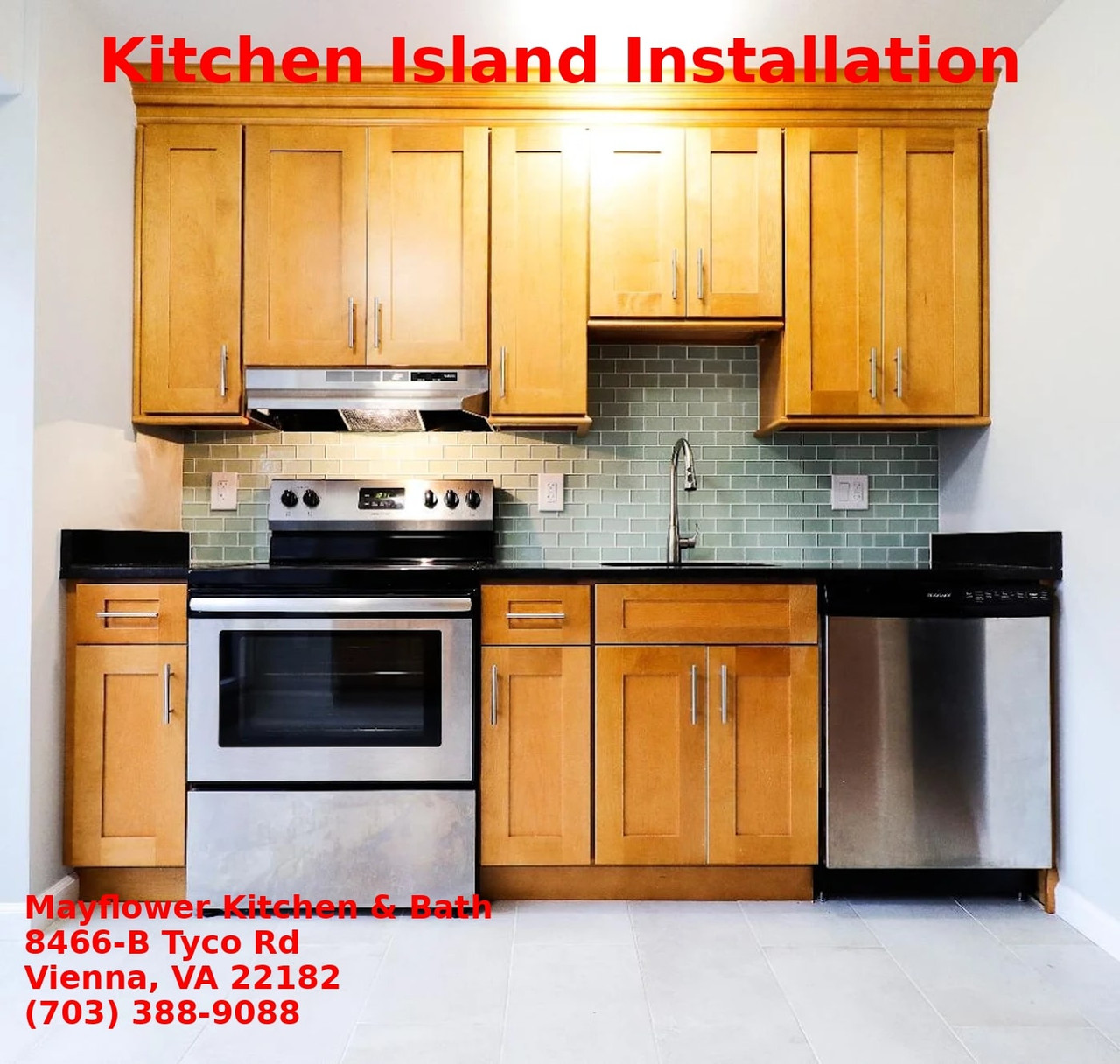
One scenario comes up regularly: the old kitchen had five doorways, each with trim, and the homeowner wants a modern layout. We can chase that, but the many openings chop the room visually. In those homes, traditional elements help unify the space. A cabinet run that wraps a doorway with a face frame feels natural. In a boxier new build with fewer openings, modern Mayflower Kitchen & Bath Kitchen Countertops Replacement can stretch out comfortably and deliver that quiet, continuous look.
Materials, durability, and the truth about maintenance
Materials are where style grows legs or falls down. In a modern kitchen, the temptation is to choose pristine surfaces that look perfect on day one. The question is whether they still look good after five years of heavy use.
If you cook daily with splatter and heat, consider a matte, mid-tone finish for modern cabinets. High-gloss white looks fantastic but shows every fingerprint and microfiber swirl. Soft-touch laminates and quality thermofoils perform well when specified correctly and installed with care. Painted MDF slab doors are crisp but need impeccable finishing and controlled humidity to avoid hairline cracks at seams.
Traditional finishes are more forgiving. A stained white oak with a light wire-brush hides scuffs and ages gracefully. Painted face-frame cabinets show wear at the edges, which many homeowners actually like. If scratches bother you, choose a catalyzed varnish or conversion varnish topcoat, which resists chemicals and cleans easily.
Counters follow a similar arc. Modern kitchens often showcase thin-profile quartz or porcelain, selected for consistency and stain resistance. Traditional kitchens lean toward natural stone like marble, soapstone, or honed granite. I’ve seen a baker’s marble island pick up etches and still look beautiful because the owner understands the patina. I’ve also seen families stressed by their first citrus spill. If you want zero-maintenance certainty, go quartz. If you appreciate the story of a stone aging with you, choose marble or soapstone, but commit to that mindset.
Backsplash decisions often tell me who you are. Modern clients tend to prefer slabs, full-height quartz extensions, or very simple stacked tiles in a single size. Traditional clients like subway tile with a hand-molded edge, patterns like herringbone, or a diamond mosaic behind the range. The only mistake is picking a high-contrast, fussy pattern where you plan to do the messiest cooking. Grout maintenance is real. Epoxy grout helps, but grease finds texture. If your range wall sees action, keep the pattern simple there and let the personality pop on a less abused wall.
Cabinet construction and the feel of quality
Many homeowners fixate on style but forget construction. A Kitchen Remodeler Contractor will look at joints, hardware, and finish quality first, because that dictates longevity.
Frameless (European) construction, common in modern kitchens, offers more interior space and clean reveals. We rely on precise installation, because door alignment and consistent gaps are the ballgame. High-quality soft-close hardware from brands like Blum matters more than the door style.
Face-frame construction, typical in traditional kitchens, provides a sturdy front skeleton where doors mount to a frame. Inset doors look elegant but require exacting tolerances. Wood movement is real, so humidity control matters. If you choose inset, commit to a good range hood and a quiet, balanced HVAC system.
I’ve built both styles with plywood boxes and with high-density particleboard. The truth: a well-made particleboard cabinet with moisture-resistant spec and proper edge-banding can outlast a poorly assembled plywood box. Don’t let material buzzwords distract from actual build quality and the skill of your installer.
Hardware, or why small parts make big impressions
Modern hardware is often minimal: linear pulls, thin tab pulls, or push-to-open systems. The risk is practicality. Push latches sound cool until your knee opens the trash drawer. If you want true minimalism, test a sample cabinet at home for a week. See how it feels when your hands are wet or you’re grabbing a pot mid-boil.
Traditional hardware is jewelry. Knobs and pulls with weight, mixed finishes, and backplates can elevate basic cabinetry. Choose quality metal with a living finish, like unlacquered brass, if you appreciate patina. If you want your brass to stay bright, pick a lacquered option or a PVD-coated finish that resists tarnish. I like to place knobs on doors and pulls on drawers in traditional kitchens, with an occasional cup pull for character. In modern spaces, I aim for uniformity so the hardware recedes.
Lighting that works in real life
A kitchen lives or dies by lighting. Modern design pushes for even, shadow-free light across counters, often with recessed fixtures spaced on a grid and linear LEDs under cabinets. Traditional kitchens invite layers: a central decorative fixture, sconces on either side of a range hood, and small lamps on a hutch. Either way, the rule is the same: put the light where you work, then add glow where you lounge.
I recommend three circuits minimum: general lighting, task lighting, and accent or island pendants. On dimmers, always. LED quality varies wildly, and the wrong color temperature can fight the rest of your design. In very modern white kitchens, 3000K can feel clinical. In warm traditional rooms, 2700K often fits. If you have a lot of daylight, test 3000K under-cabinet strips and 2700K pendants to balance the space. Buy one of each before committing and mock up at home.
Appliances: integration, statement pieces, and serviceability
Modern style often hides appliances. Panel-ready fridges and dishwashers continue cabinet lines without interruption. Induction cooktops lie flat, downdraft vents disappear, and built-in coffee systems align in a tall wall like a quiet control center. It’s serene, and it keeps sightlines open. But recognize that integration drives up cost. Panels, properly vented enclosures, and brand-specific hardware add thousands. Also consider service: panel-ready units need careful access planning so a technician can work without dismantling half your kitchen.
Traditional kitchens frequently give appliances their moment. A pro-style range with hefty knobs and a sculptural hood can be a focal point. Retro-styled units blend beautifully in older homes. The trick is proportion. In a 12-by-12 kitchen, a 48-inch range can crowd everything. We measure not only width but landing space. I like at least 12 inches on either side of a cooktop or range. If that pushes your cabinetry too tight, drop to 36 inches and gain function.
On ventilation, modern designs sometimes default to minimalist hoods that underperform. If you cook daily, prioritize capture area and CFM matched to your ducting. A quiet, properly sized hood is a better investment than a showpiece that can’t keep up. In traditional kitchens, mantel-style hoods hide a powerful insert, marrying performance to design.
Flooring under your feet and how it shapes the room
Modern kitchens read clean when the floor has little movement. Large-format tile, poured concrete, or long runs of rift-sawn white oak with minimal grain variance look right. They also demand a near-perfect substrate. If your house has a wavy subfloor, correcting it can eat budget. We’ve used engineered hardwood with click systems to bridge small inconsistencies in mid-century homes without heavy leveling. For a client who wanted a poured look but not the cold feel, we installed large-format porcelain with a flange underlayment and radiant heat. It Kitchen Remodeler delivered the aesthetic and comfort.
Traditional kitchens sing with classic wood. White oak, hickory, or heart pine make a warm foundation. If you have an older home, matching site-finished floors throughout allows the kitchen to feel original, not inserted. Hand-scraped or wire-brushed textures hide wear from pets and kids. Keep sheen low, and avoid dark espresso stains if you dislike visible dust.
Color: restraint vs richness
Modern palettes often revolve around neutrals layered with texture. Whites, soft grays, and black with a single wood tone, maybe a clay or sage accent. The risk is sterility. We add warmth with wood on the island, bronze or smoked glass accents, or fluted panels to catch light. Traditional palettes welcome more variation: cream perimeter cabinets with a cherry island, a navy hutch, or beadboard backs on open shelves. Undertones matter. A warm white can go yellow beside cool LED light. A cool gray can feel flat next to a warm oak floor. Bring cabinet door samples into the house and judge them at all hours before you lock a color.
Budget reality, phase by phase
A common misconception is that modern is cheaper because it looks simple. Slab doors can be less expensive than detailed traditional fronts, but the modern look relies on precision. Reveals must be perfect. Panels must align. That often means more time for a Kitchen Remodeling Company to adjust, shim, and dial in. Hidden hardware and integrated appliances add cost quickly. Traditional kitchens can be less fussy to align, but premium woods, inset cabinetry, and custom profiles can push the budget higher. If dollars are tight, frameless boxes with applied moldings and a classic shaker door deliver a bridge between both worlds at a reasonable price.
Where to save and where to spend depends on your priorities. If your family cooks daily, spend on ventilation, counters, and durable finishes. If your kitchen is a social hub, invest in lighting and an island that fits your crowd. Cabinet interiors are an area to rationalize. Full-extension soft-close is worth it. Expensive internal pullouts everywhere is not. Target organizers where they change your daily routine: trash/recycling, spices, and a deep drawer for pots near the range.
Remodeling timelines and the patience game
Modern and traditional follow the same broad timeline: design, ordering, demolition, rough-ins, cabinets, counters, tile, finishes. The difference comes in lead times and sequencing. In modern kitchens with slab backsplashes, we often template counters and backsplash in one go, then set both after cabinets. That compresses the schedule but means walls and electrical have to be precise early. Traditional kitchens with handmade tile sometimes stretch timelines due to production and installation time for patterns.
Expect 10 to 16 weeks from final design lock to completion for a standard project, longer if you’re moving walls or upgrading electrical service. Appliance lead times fluctuate; panel-ready models can swing by months. A Kitchen Remodeler Contractor with good vendor relationships can help navigate backorders and propose alternates without sacrificing the look.
Longevity and resale: what ages well
I’ve revisited kitchens we completed a decade ago. The ones still looking fresh have a few things in common. In modern spaces, restrained palettes with one strong texture age better than trend-chasing mixes. Matte surfaces and balanced lighting keep them timeless. In traditional spaces, quality door construction and classic profiles like shaker with a slight bead stay relevant. Loud themed accents go out of style faster than subtle references.
For resale, blended designs often appeal to the broadest audience. A modern foundation with warmed-up materials or a traditional envelope with simplified details sells. Appraisers don’t assign value to style, they assign to condition and quality, but buyer perception matters. A kitchen that feels coherent and well-built moves a property faster.
Mixing styles on purpose, not by accident
Most clients don’t want a catalog-perfect modern or a museum-grade traditional kitchen. They want something that matches how they live. Mixing styles works when you set rules and keep them. For example, let the cabinet doors decide the camp. If you commit to slab doors, keep lines clean, then add traditional warmth with a wood island and classic stools. Or choose shaker doors and bring modern energy with a thin quartz top, streamlined pulls, and a sleek induction cooktop.
Edge cases appear in every project. A Victorian rowhouse with eight-foot ceilings begged for modern to keep it light, but we framed the hood and used a walnut counter at the island to nod to the home’s age. A concrete loft had a client who loved heirlooms, so we installed frameless white oak cabinets, then a separate furniture hutch with seeded glass and bun feet. Both kitchens felt honest because each element had a reason to be there.
Here is a short compass I share in early design meetings:
Start with the house’s era and proportions, then decide where to align and where to contrast. Choose one style to lead, and let the other play a supporting role through materials or accents. Keep your horizontal lines consistent. Alignment brings cohesion even when details differ. Limit your palette to three primary materials, plus one accent, to avoid visual noise. Test maintenance assumptions at home with sample boards and finishes before you commit.
Practical planning with your remodel team
A strong Kitchen Remodeler will ask about routines: who cooks, how often, left-handed or right-handed, baking or grilling, kids or pets, the way you unload groceries. Style choices should fold around those answers. I’ve changed more plans based on a client’s baking habit than any Pinterest board.
When interviewing a Kitchen Remodeling Company, ask to see both modern and traditional projects in person or through detailed photo sets. Look at the reveals, the way doors align, how they handle transitions at walls, and the quality of caulking and seams. Good work reads clean regardless of style.
If you want options priced, request clean alternates. For example, price slab doors with integrated pulls versus shaker with knobs. Price paneled appliances alongside stainless. Keep appliance specs consistent so you’re comparing construction, not features.
Common pitfalls to avoid
The most frequent misstep in modern kitchens is perfection fatigue. Too much white, too little texture, and you end up with a space that feels clinical. Remedy: add wood, textured tile, or a colored island. Another issue is choosing finger-pull rails that trap crumbs or grease on the underside of doors. If you go that route, plan for a regular wipe-down routine and ensure the reveal allows a comfortable grip.
In traditional kitchens, the risk is overloading details. Crown on top of light rail on top of corbels can turn busy quickly, especially under eight-foot ceilings. Simplify profiles and scale elements to the room. Another pitfall is mixing too many finishes: antique bronze, brushed nickel, polished chrome, and unlacquered brass don’t want to live together. Pick one hero and one supporting actor.
Case snapshots from the field
A young family in a 1950s ranch wanted modern efficiency but didn’t want a cold space. We designed frameless maple cabinets with a matte clay lacquer, paired with a warm oak island and leathered black granite. The appliances were stainless, not paneled, to keep costs reasonable, and we used a single shelf over the range for daily spices. The result felt fresh and inviting. Maintenance has been easy thanks to the leathered finish and the mid-tone palette. Their feedback after two years: the under-cabinet lighting is the MVP, and the clay color hides fingerprints far better than their old high-gloss white.
A restored farmhouse needed a kitchen that looked like it grew there. Face-frame inset cabinets in quarter-sawn white oak, a furniture base on the island, and a honed marble perimeter set the tone. We added a modern touch with an induction cooktop integrated into a traditional-looking range surround. The owner, an avid canner, needed serious ventilation. We installed a high-capture insert behind a classic wood hood and ran an 8-inch duct straight up. The space feels historic yet works like a contemporary kitchen. They accept the marble’s etching and tell me it feels like a living surface, not a showroom.
Final guidance: choose your north star, then refine
Modern and traditional are not ends to swear loyalty to, but directions to travel. Pick the one that best suits your home’s bones and your tolerance for maintenance. Stay honest about your habits. If you clean daily and crave order, a modern kitchen will delight you. If you prefer warmth, texture, and forgiving finishes, a traditional or transitional path will serve you longer. A good Kitchen Remodeler will make either approach durable and coherent.
Plan thoroughly, mock up finishes, and double-check lighting and ventilation. Push for quality where you touch the kitchen every day: hardware, drawer glides, countertop edges, and lighting controls. Let your Kitchen Remodeling Company translate your style into buildable details, and lean on their shop drawings and field measurements more than inspiration photos. Style matters, but craftsmanship carries it.