How Often Should You Change Double Edge Razor Blades?
Most barber supply store tools shavers discover the answer the hard way: a morning when the blade tugs, the lather feels thin no matter how carefully you build it, and the alum block lights up like a warning flare. That is the moment a new blade would have saved your skin. With safety razors and double edge razor blades, timing matters. Change too early and you waste steel and money. Stretch a blade too far and you trade comfort for irritation and nicks. The right cadence lives in a range, not a rule, and it depends on your beard, your razor, your prep, and even your tap water.
I have kept shave journals, rotated through dozens of blade brands, and worked with clients who shave everything from dense Mediterranean beards to whisper-fine Scandinavian stubble. The pattern is remarkably consistent, once you know what to watch for.
The short, honest range
For most people using a double edge razor on facial hair, one blade lasts 3 to 7 comfortable shaves. Plenty of shavers land squarely at 4 or 5. A few get only 2, especially with ultra‑sharp blades on coarse beards. Some stretch to 10 or more with mild razors, light growth, and meticulous prep. But past 7, comfort often declines even if the blade still cuts.
Head and body shaving chew through edges faster because you are mowing more hair per session. Expect to halve those counts when you cover a larger area, or plan on changing the blade midway through a full head and face routine if you want a consistent feel.
That is the baseline. The reasons it shifts are where things get interesting.
What really determines blade life
Hair is surprisingly abrasive. Coarser whiskers have thicker cuticles and higher tensile strength, which blunts the microscopic apex of the edge faster. If your beard feels like sandpaper by late afternoon, your razor blades will rarely make it to a full week of daily shaving. If your growth is soft and sparse, you might forget when you last changed the blade because it still glides.
Coatings make a difference. Many double edge razor blades are stainless steel with a smooth layer of PTFE, platinum, or chromium. Coatings reduce initial friction and can mask dulling for the first few shaves. Some brands feel startlingly sharp out of the wrapper, then settle by the second shave and hold steady through the fifth. Others start smooth and taper predictably. The coating itself does not keep an edge forever, it buys you grace while the steel wears.
The razor matters as much as the blade. Aggressive heads with more blade exposure and a wider gap remove hair more efficiently but ask for a lighter touch. They also stress the edge more per pass. Mild safety razors, especially those with tight tolerances and a rigidly clamped blade, can extend usable life by keeping chatter down and protecting the apex. Slant razors shear the hair, which can feel smoother and sometimes extend longevity a shave or two.
Technique and prep are the quiet drivers. A steady 30 degree angle and neutral pressure keep the edge working efficiently rather than scrubbing your face. Hydrated hair cuts easier. Two minutes of hot water and a well‑built lather can double comfort on a blade’s fourth or fifth outing. Hard water can stiffen hair and leave mineral film on the edge, which drags you sooner into tugging territory. Even how you rinse matters, since repeated hot water and careless tapping on the sink can nick the apex imperceptibly.
Finally, environment works on steel. High humidity, salty air near the coast, and leaving a wet blade in a closed cabinet all conspire to micro‑corrode the edge between shaves. Stainless steel resists rust, it does not ignore it. Drying and storing well can reclaim a shave or two from the same box of double edge razor blades.
Reading the blade, not the calendar
You do not need a tally mark on the mirror. Trust your senses and adjust mid‑shave if needed. The best shavers learn the subtle cues that a blade has crossed from effective to risky.
Audible change from a crisp slicing sound to a lower, rougher rasp, especially on the first pass with the grain Increased tugging on the chin or moustache area where hair is densest, even with good lather The need to add pressure to achieve the same closeness you got easily two days ago More weepers at the corners of the mouth or jawline without any change in technique Post‑shave sting that feels hotter than usual when applying splash or alum
If two or more of these appear early in a shave, stop, swap in a fresh blade, and continue. That one minute saves your skin for the next 24 hours.
Real‑world scenarios and what they tell you
Consider a few composites pulled from years of shop‑floor conversations and personal testing.
A client with thick, curly beard hair and a moderately aggressive open comb safety razor loved super‑sharp Japanese blades. He got brilliant first shaves, good seconds, and a rough third. His fix was not hunting for a mythical 10‑shave blade but accepting a two‑shave rotation. He bought blades in sleeves of 100, paid about 12 cents per shave, and his neck cleared up within a week.
Another shaver used a very mild closed comb double edge razor and platinum‑coated blades. His growth was light. He shaved daily, three passes, and could not feel any difference until the eighth shave. When he traveled to a city with very hard water, his blades started dragging by the fifth. He added a quick pre‑shave rinse with a splash of distilled water he kept in a small bottle, and the seventh shave became comfortable again.
A head shaver ran a slant razor with a mid‑sharp blade. He changed the blade every two head shaves, never mind how it felt. Why? He valued consistency more than economy. He also noticed that longer sessions heated the edge, and when he pushed to a third head shave he would get random pinprick weepers on the crown. The calendar method served his use case better than sensation alone.
One more: a photographer working on coastal shoots left his razor in a damp dopp kit. He complained that every blade felt fine on day one and borderline by day two. Drying the blade, a quick alcohol dip to displace water, and storing it outside the bathroom gave him five predictable shaves again.
Patterns repeat: hair type, razor geometry, water and storage, plus your own tolerance for the feel of a maturing edge.
How brand and metallurgy shape longevity
Not all double edge razor blades are created alike. Manufacturers balance hardness, grind, and coating to chase different targets. Harder steel can hold an edge longer but may feel harsh if the grind and coating are not tuned. Softer steel can start buttery smooth yet plateau sooner.
Look for these practical signals on packaging and in community feedback:
Stainless or carbon steel: Most modern blades are stainless for corrosion resistance. Carbon can be sharper initially but needs more diligent drying. Coatings: PTFE and platinum are common. Chromium shows up as well. Coatings smooth initial feel and can reduce stick‑slip in the first few shaves. Country of origin and factory reputation: Some factories are known for tighter quality control and consistent grinding. Consistency matters more than the logo. Batch variance: Even top brands show slight runs where the edge feels different. If a sleeve disappoints, do not assume the whole brand is out.
In practice, a few well‑regarded platinum‑coated blades give 4 to 6 comfortable shaves for average beards. The very sharpest blades often shine for 2 to 4. Mid‑sharp, very smooth options can reach 6 or 7 for lighter growth. Your face is the final judge.
How your razor’s design moves the needle
Blade clamping and exposure are the behind‑the‑scenes players. A razor that clamps the blade close to the edge reduces chatter. Less chatter means cleaner cuts and less micro‑damage to the apex, which extends life. Adjustable razors let you tune exposure. Dialing down a click on the last shave or two of a blade can preserve comfort without changing brands.
Open comb designs can feel more efficient on longer growth, but they also reveal edge wear quickly if your technique is inconsistent. Slant razors slice hair on a bias, which lowers cutting force and can stretch blade life slightly. Very mild razors are forgiving, but if your beard is coarse you might compensate with more passes, which evens the wear back out. Match the tool to your hair and schedule rather than chasing an isolated number of shaves per blade.
Prep, lather, and technique, the quiet multipliers
Three minutes of preparation saves you ten minutes of troubleshooting. Hydration is the linchpin. Hair absorbs water and softens, which drops cutting force dramatically. A hot shower before shaving is perfect, but even a two‑minute face wash and a warm towel change the feel of the first pass.
Lather density matters. A slick, cushioned lather with proper water ratio prevents the blade from skipping and keeps the edge supported. Many shavers run lather too dry. Add water slowly until the sheen looks like glossy paint and the brush leaves soft peaks, not sudsy clumps. Reapply generously for each pass.
Keep the razor angle shallow, let the weight of the handle provide pressure, and reduce beard in passes rather than chasing closeness on the first. With the grain, then across, then against if your skin tolerates it. Fewer strokes over the same spot means less friction on the edge and less irritation on your face. With good prep and respect for angle, most blades give you one more comfortable shave than they would otherwise.
Face, head, and body, different workloads
A daily face shave of one to two days’ growth is light duty compared to a weekly head shave or chest and leg work. Area and hair thickness add up. If you shave your head and face in one session, expect to replace a blade every session or two, not every four. Some shavers split the job: a newer blade for the head, then demote it to the face for two more days. Others keep a separate razor set up for head work with a slightly smoother blade and accept shorter life for the reward of comfort.
Body shaving introduces longer hair and softer skin. Trimming first with clippers saves the blade from doing the work of a trimmer. Use more water, more slickness, and no pressure. The safety razor can be brilliant off the face, but only if you do not force a dulling edge across delicate skin.
Humidity, storage, and what water does to steel
Tap water composition changes everything. Hard water delivers calcium and magnesium that deposit on steel as the blade dries. Those microfilms increase drag and may dull the apex faster. If your water leaves spots on the mirror, your blades are seeing the same film. A final rinse in distilled water or a dip in isopropyl alcohol, which displaces water and evaporates cleanly, can help. Shake the razor, do not shaving store wipe the edge on a towel, which can roll the apex.
Store the razor where air circulates. A sunny windowsill is not great, but an open shelf beats a closed, damp cabinet. If you live near the ocean, you may see tiny rust freckles on uncoated steel within days. Those are not just cosmetic on an edge that thin. Drying well and changing blades a touch sooner beats chasing longevity in a hostile environment.
Simple ways to extend blade life without hobbling performance
You want more good shaves, not just more shaves. These habits add an extra day or two for many shavers and keep the last shave feeling like the first few.
Hydrate whiskers thoroughly before the first pass, even if you skip a shower Build a wetter, slicker lather and re‑lather generously between passes Rinse the razor often with warm water, never bang the edge on the sink After the shave, rinse the blade clean, shake well, and let it air dry, a quick alcohol dip helps in hard water or humid climates Adjust razor aggression down a notch on the blade’s final outing rather than forcing pressure
Stropping, corking, and other edge tricks are controversial. Light stropping on denim or the palm can sometimes smooth a rough coating, but it also risks damaging the edge or your hand. If you try it, do it gently and away from the cutting direction. For most people, better prep and storage pay bigger dividends with less risk.
Cost, waste, and when not to chase the extra shave
A sleeve of 100 quality double edge razor blades runs from roughly 10 to 35 dollars. That is 10 to 35 cents per blade. At 4 shaves per blade, you are paying 2.5 to 9 cents per shave. Add soap and aftershave, and the blade becomes the cheapest part of the ritual. Stretching a blade from 5 to 7 shaves saves pennies, but those last two shaves can cost your skin. If you are budgeting tightly, buy in bulk, pick a consistent brand that works for you, and accept a comfortable, repeatable cadence rather than a record.
On waste, safety razors still win by a mile compared to cartridge heads. Use a blade bank, a simple tin or purpose‑built container, and recycle the full bank as scrap steel when it fills. Many municipal recyclers accept sealed blade tins. If yours does not, keep the bank sealed and dispose of it as instructed locally. The goal is to keep edges safe for sanitation workers.
How to change a blade cleanly and safely
Treat a double edge razor blade with respect, not fear. Loosen the handle, hold the short edges of the spent blade, and lift it free. Never pinch the sharp long edges. Drop it directly into your blade bank. Rinse your razor’s top cap and base plate, check for any soap scum, and dry the threads lightly. Seat the new blade aligned and flat. Tighten until snug, then check exposure visually from both sides to confirm even reveal. A misaligned blade can mimic dullness and tug even when brand new.
If you are mid‑shave when the tugging starts, pause, rinse thoroughly, and swap. Your skin will thank you on the final pass.
Troubleshooting if your blades seem to die fast
If you barely get two comfortable shaves, do not assume your skin is the problem. Look for friction in the system.
Think first about prep. Soften hair longer and use more water in your lather. Next, try a slightly smoother blade, not necessarily a sharper one. Many people jump straight to the sharpest option and burn through edges on dense growth. A well‑reviewed platinum‑coated mid‑sharp blade can last longer and feel kinder by the third shave.
Consider your razor. If it has a lot of blade exposure and you are still finding your angle, an overly efficient head can chatter and punish the apex. Borrow or try a milder razor for a week. If you see a jump from 2 to 5 shaves, the geometry was the culprit, not the blade.
Check your water and storage. If you see spots on the blade after one day, adopt the alcohol dip and store outside the shower. It is a cheap fix.
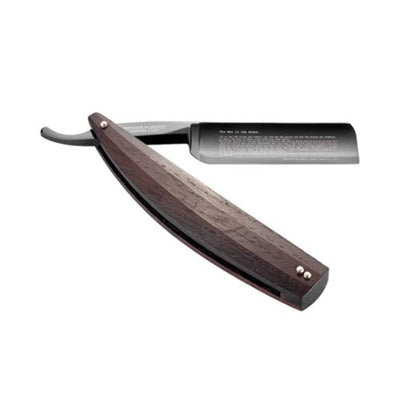
Finally, monitor your passes. If you make too many cleanup strokes against the grain at steep angles, you are putting the edge through unnecessary work. Aim for two efficient passes and light touchups while the blade is young. Save aggressive against‑the‑grain work for the first two days of a blade and ease off on day three or four.
Putting it all together
You do not need a spreadsheet to master blade changes, only attention and a willingness to adapt. Most shavers using a double edge razor will be happiest swapping blades every 3 to 7 shaves, closer to 3 for coarse beards and aggressive razors, closer to 7 for mild razors, fine hair, and careful prep. Head and body work shorten those numbers. Coatings help, storage matters, and technique is the hidden multiplier.
The real test is how the first strokes of the first pass feel. If the blade sings and glides, keep it another day. If it rasps and asks for pressure, retire it. Safety razors reward patience and habit. Keep your whiskers hydrated, your lather honest, your angle steady, and your blades dry. Your skin will tell you exactly how often to change double edge razor blades if you let it.