Backyard Birthday Bash: Best Inflatable Bounce Houses to Book
Parents remember the first backyard party that really worked. Not the one with carefully curated snacks that came home untouched, but the one where the kids sprinted through the gate, threw off their shoes, and did not look back for three hours. If you’re planning a backyard birthday, inflatable bounce houses change the entire day. They create a center of gravity. Kids orbit, they giggle, they tire themselves out, and you get just enough breathing room to actually enjoy the celebration. The trick is booking the right inflatable, matching it to your yard and age group, and setting it up so the day runs smoothly.
I’ve planned and worked on dozens of small family events and school fundraisers, and I still see the same early mistakes trip people up. The good news is that you only need a few informed decisions. Choose the correct size, the right play features, a reputable provider, and a sensible layout. The rest falls into place.
How to size a bounce house for a backyard
Start with your space. Most single-family backyards comfortably fit a standard inflatable, but dimensions matter more than you think. Measure the flat area where you want to set the unit, and allow a buffer on all sides. A typical 13 by 13 foot bounce house needs about 17 by 17 feet of clear space once you factor in the blower and anchoring. Go up to a combo bounce house with a slide and you’re usually at 25 to 30 feet in length. Water slide combos often want 30 to 35 feet, especially if they have a splash pad.
Height catches people off guard. Many roofs of pergolas and low hanging branches hover around 8 to 10 feet. Standard bounce houses stand 12 to 14 feet tall. Slides and combo units can reach 15 to 18 feet. If you’re working under trees, check limb height and power lines. A vendor will ask for pictures if your space sounds tight.
The other dimension is capacity. For ages 3 to 8, a 13 by 13 works well with 6 to 8 kids rotating in and out. For mixed ages, especially with bigger kids, step up to a 15 by 15 or a combo. You’ll get better flow and fewer collisions because the slide grabs some of the energy and spreads the activity.
The main types of inflatable play structures
The industry has a handful of categories, and rental companies often use regional names. You’ll hear inflatable bounce houses, moonwalk rentals, jumpers, castles, and bouncy house rental. They generally mean the same thing: a flat jumping surface with walls and a front safety ramp. Then there are add-ons and hybrids.
A classic bounce house is the simplest choice. It sets up quickly, fits smaller yards, and keeps the price down. If your guest list skews younger or you’re on a tight layout, this is the workhorse. For a little more variety without a large footprint, look for a bounce house with a basketball hoop or a small climbing corner inside. It still counts as a standard unit but keeps kids busy longer.
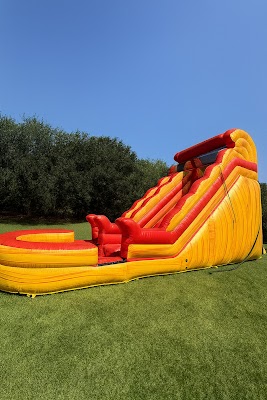
Combo bounce house rentals add a slide, sometimes inside the safety enclosure, and sometimes external with a climb up and slide down into the same play area. These are the sweet spot for many backyard party rentals because they manage energy well. Kids take turns climbing, sliding, then bouncing. It reduces full-contact chaos and naturally creates rotation. Water-ready combos can be used dry or wet, a flexible option if your date sits near that late spring stretch where the forecast fluctuates between 68 and 88 degrees.
Inflatable slide rentals include both dry and wet versions. Dry slides deliver height, speed, and quick turnover. Water slides change the vibe entirely. They require extra rules, garden hoses, and a plan for runoff, but they can become the main draw for older kids during summer birthdays. With water slides, check that you have GFCI-protected outdoor outlets and a hose bib within 50 to 75 feet. Most rental teams supply the extension cords, but they will expect standard power and flowing water.
Toddler bounce houses are intentionally lower, softer, and often come with pop-up characters or mini obstacles. If your group is mostly ages 2 to 4, choose a toddler bounce house instead of a full-size unit. The smaller scale reduces intimidation, and the entry step is easier for little legs. It also helps manage big kid enthusiasm from older siblings, a dynamic that can go sideways quickly if you mix ages in the same space.
Then come interactive inflatables. Obstacle courses, bungee runs, joust arenas, and sports challenges fall in this bucket. For backyard birthday inflatables, 30 to 40 foot obstacle courses work nicely if you have a longer yard. They eat time in the best way, turning play into friendly competition. Save joust and bungee runs for older kids or teen parties, and make sure you have flat ground and clear runout space at the exits.
Dry or wet: picking the right format for the weather and your yard
The wet versus dry decision should hinge on two questions: temperature and ground conditions. If the forecast sits in the mid 70s or higher, and you have room for runoff, a water-capable unit moves the party from fun to unforgettable. Kids cycle between splashing and bouncing without wandering. If your yard is tight or sloped, a dry combo or a straight bounce house is safer and cleaner. Wet units add weight, which means longer setup and takedown and stricter anchoring. Some companies avoid wet setups on concrete or new turf because water plus traffic chews up surfaces fast.
Water use is also worth mentioning. A typical bounce house and water slide rental can run a hose lightly for hours. If your municipality has restrictions, ask the rental team for a plan. Many will recommend filling a splash pad to a small depth, then topping off occasionally rather than leaving the tap fully open.
Safety details to verify with any bouncy house rental
Most reputable operators follow consistent safety standards. You can tell within a few minutes of conversation whether a company treats safety as a checklist or as culture. Ask how they anchor. For grass, look for 18 to 24 inch stakes driven at angles, with safety covers. For hard surfaces, they should bring sandbags or water barrels sized for the unit. If they say they can anchor a tall slide on a driveway with a few small sandbags, look elsewhere.
Power matters too. Every blower draws current, usually 7 to 12 amps. A standard bounce house uses one blower. Larger combo units may use two. You want dedicated circuits, not a daisy chain of holiday lights and a mini fridge on the same outlet. I’ve seen breakers pop three times in an hour because someone ran a popcorn machine off the same line as the blower. The better vendors bring home-run extension cords and verify GFCI outlets before inflating.
Cleanliness is not a nice-to-have. You want a unit that arrives clean, dry, and smelling neutral. The crew should wipe touch points and seams after setup. If you’re booking toddler-first party inflatables, be extra diligent. Toddlers chew things and share everything. The good companies disinfect after each rental and again on site.
Supervision norms vary. Expect a simple briefing on rules: no flips, no shoes, similar size kids together, no food or drink inside, and exit if winds pick up. If you have a large group, ask for an attendant. Event rentals for kids often include staff. Backyard party rentals sometimes do not, and that’s fine. Just designate a couple of adults to rotate eyes-on duty, especially during peak play.
The booking timeline and weekend strategy
Prime dates sell out. April through June and early September are peak in many regions. If you want a specific theme or a combo unit, book two to four weeks out. For the plain castle bounce house, a week can work, and you can even get lucky same day, but you’ll take whatever is left.
Many families like a weekend bounce house rental, meaning drop Friday and pickup Sunday. Ask about overnight policies and weather clauses. Overnight usually adds a modest fee and requires you to unplug blowers and store cords overnight. You’ll get more value and a less rushed party day. Keep sprinklers off, secure pets, and cover the blower with a plastic tote if dew is heavy. If your area gets gusty evening winds, deflate and secure the shell so it doesn’t billow and strain the stakes.
Theme choices that actually matter
Themes can be fun, but they do not make or break the party. Most inflatable rentals come in primary colors, neutral castles, or branded art panels. Kids notice the slide more than the princess mural. If your child has a very specific request, try art panels that clip to a standard unit. They keep your options broader and pricing fair. When you pay extra for a licensed character, make sure it ties to a unit you truly want: the right size, right features, and good condition.
For mixed-age groups, choose function over theme. A neutral combo with a moderate slide and enclosed bounce area will outperform an eye-catching but cramped design.
Yard prep that saves time on party day
Clear the setup zone. Move furniture, toys, and planters the night before. Mow grass a day or two earlier to avoid clippings sticking to everything. Mark irrigation heads and shallow sprinkler lines so stakes don’t puncture them. Close off side gates for pets. If your yard slopes, send a photo and the slope estimate to your provider. Installers can bring leveling pads or suggest alternate placement.
Power and hose routes matter. If your outlet sits inside a garage, plan to keep the door cracked without pinching cords. Tape down trip points across walkways. For water setups, route hoses along fence lines and away from the party path. Mud creeps where hoses lay.
Age-appropriate setups that reduce collisions
The fastest way to break the flow is to mix tiny kids with big kids in the same unit. Skills and weight differ. For ages 2 to 4, a toddler bounce house with a small slide and soft obstacles wins. Put it near the adults’ seating with direct sight lines. For ages 5 to 8, a 13 by 13 or a small combo works well. For ages 8 to 12, consider a larger combo or a dry slide. For early teens, go up a notch to taller slides or a mid-length obstacle course.
If you must mix, run rotations. Ten minutes of big kids, then ten minutes for younger kids with an adult at the entrance. Use the cake break to reset energy. It sounds fussy, but it avoids the awkward moment when a five-year-old gets launched by an enthusiastic eleven-year-old who meant no harm.
Dry numbers: power, space, and weight
A single blower draws the same as a small vacuum. Multiple blowers need separate outlets. Budget 15 amps per blower to be safe. Keep total extension cord length reasonable. Most crews bring 50 to 100 foot cords rated for outdoor use. Avoid running cords under rugs or through puddles.
Weight limits vary by manufacturer, but a standard bounce house often lists 700 to 1,000 pounds total capacity, with an individual user limit around 150 pounds. Follow the label rather than guesses. Inflatable slide rentals have separate guidance on how many riders can climb and slide at once, commonly one at a time on tall slides, two on wider ones with split lanes.
Setup time for a single unit runs 20 to 30 minutes once the space is clear. Water combos take longer due to hose, filling the splash pad, and extra anchoring. Plan for an hour window. Takedown can be quick if the unit is dry. If wet, expect extra time to drain and mop.
Choosing a rental company without guesswork
You can vet a company by reading three things: reviews that mention cleanliness and punctuality, photos of units on actual lawns instead of stock images, and policies around weather and safety. If storms roll in, you want a clear plan. Most operators will cancel and refund or reschedule if high winds are forecast. That protects you and their equipment. Wind is the real risk for inflatables, not rain alone. Ask for wind thresholds, often 15 to 20 mph steady winds as a cutoff.
Insurance and licensing depend on your location. For public events, most vendors carry general liability and can issue a certificate naming the venue. For backyard party rentals, this is less common to check, but a professional outfit will answer quickly if you ask. They’ll also know local park rules if you’re hosting off-site, including generator requirements and permit timing.
Pricing varies by market, but you can expect ranges. A standard bounce house rental often falls between 150 and 275 dollars for a day. Combo bounce house rentals typically run 250 to 450 dollars. Large water slides may range from 350 to 650 dollars depending on height and delivery distance. Overnight or weekend packages add 25 to 100 dollars. If a quote seems dramatically cheaper, ask why. Sometimes it’s a weekday discount, a shorter rental window, or a smaller footprint than you realized.
Water, mud, and lawn care realities
If you’re running a wet unit, embrace the mess and plan for recovery. Place the exit where you can manage water and foot traffic. A removable turf mat or a few old beach towels by the landing zone help. For grass, expect flattened blades under the unit that bounce back in a few days. Rotating the unit location after a few hours can help, but that requires moving stakes and is not always practical. If your lawn is freshly sodded or you have delicate landscaping, choose a dry setup or move to hardscape with proper weight anchoring.
Water plus sunscreen turns vinyl slick. Insist that kids dry hands and feet before climbing the ladder of a tall slide. That one rule prevents more minor slips than any other. Keep a small trash bin near the entrance so snack wrappers don’t end up inside. Food on vinyl is a mess and can void cleaning deposits.
Flow and layout: where to put the inflatable party equipment
Treat the inflatable like a stage. Place it where the adults can see the entrance and exit. If you have two units, put them far enough apart that waiting lines don’t cross. Bounce house near the patio, slide nearer the back fence works for many rectangular yards. Keep a 3 to 5 foot clear zone around the walls for safety and to reach anchor points. Never block the blower. It needs airflow, and kids will naturally try to sit on it if it’s in the main thoroughfare.
Position party inflatables upwind from the seating area if you can. Blowers are not loud, but in a quiet yard you’ll notice the hum. Direct the entrance away from glaring sun during peak hours to avoid hot vinyl where kids kneel to take off shoes. A simple shade sail or a pop-up tent near the shoe area can make a midday party more comfortable.
Rules kids actually follow
Rules work when they are simple, consistent, and enforced with good humor. Keep it to a few and repeat them every 20 minutes for new arrivals. Shoes off. No flips. Keep similar sized kids together. One at a time on the ladder. Exit if someone falls and give them a second to get up. No food, drinks, or sharp objects inside. Parents appreciate clarity, and the kids still have a blast.
If your group has a few fearless climbers, assign them as slide helpers. They stand at the bottom, remind the next rider to wait for a clear lane, and hold a towel for wet setups. Give them a title and they’ll take it seriously.
Balancing extras: generators, attendants, and add-ons
Most backyards do not need a generator. Use a generator only if your outlets are far or if you’re in a park. If you do rent one, insist on a quiet inverter model sized for the blower amperage with extra headroom. Place it away from conversations, and check oil and fuel plans if it’s an all-day event.
Attendants are a good idea when guest count passes 20 kids or if you’re running multiple units. A professional attendant costs less than replacing a phone that ends up in a splash pad. They also manage rotations and gently enforce the rules so parents can mingle.
Add-ons have their place. A small cotton candy or snow cone machine is fun, but do not place it near the entrance of the inflatable. Sticky fingers travel. If you want a second activity, yard games like giant Jenga or cornhole keep older kids and adults busy without creating a crowd near the inflatable.
When to choose moonwalk rentals versus slides or obstacle courses
If you’re celebrating a fourth birthday with a tight guest list and a smaller yard, moonwalk rentals deliver exactly what you need. You’ll have steady play, easy supervision, and lower setup complexity. For a seventh or eighth birthday with boundless energy and a larger guest count, combo units or mid-sized obstacle courses shine. For summer birthdays with older kids, a water slide changes the tempo and brings relief on hot afternoons. The best choice depends less on theme and more on crowd dynamics and space.
Think about how your child and their friends play. Do they love racing each other? A dual-lane slide or a short obstacle course rewards that. Do they prefer pretend play? A castle with interior features like pop-ups suits them better. For mixed interests, a combo is the safe middle.
What can go wrong and how to fix it fast
I’ve seen three common hiccups. The first is a tripped breaker. If the blower stops, check the GFCI first. Reset it, then check the main panel. If it trips again immediately, reduce load on the circuit. Unplug coolers or garage freezers temporarily and run the blower on its own line.
The second is wind. If gusts rise, deflate. It’s disappointing, but it is the correct call. Most companies will advise pausing play at 15 to 20 mph steady winds. You can reinflate if conditions settle.
The third is overcapacity chaos. When too many kids pile in, bumps happen. Solve it with a quick reset. Clear the unit, call in eight names, run a three-minute turn, then swap. Kids accept structure when it keeps the game going.
A quick shortlist for matching units to age and space
Ages 2 to 4, small yard, short party: toddler bounce house with mini slide. Keep it dry, place near seating, and limit riders to 4 to 6 at a time. Ages 5 to 8, medium yard, mixed guests: combo bounce house rentals with an enclosed slide. One blower if possible, two if the slide is taller. Set rotations if older siblings join. Ages 8 to 12, larger yard, high energy: dry inflatable slide rentals or a 30 foot obstacle course. Leave 6 feet clearance on the exit. Consider an attendant for flow. Hot-weather party, water-friendly yard: bounce house and water slide rentals with a splash pad. Plan hose routing, towels, and a shoe station. Expect longer takedown. Teen group or family gathering with all ages: two smaller units, one toddler bounce house and one dry slide. That separation reduces collisions and keeps everyone engaged.
A note on insurance, waivers, and parks
If you’re renting for a park or HOA space, check rules early. Many parks require a permit and proof of insurance. Some require inflatables to be from an approved vendor list. You may also need a generator and a designated setup area, no stakes allowed, sandbags only. If your child’s school or community center is hosting, ask for children’s party equipment that meets their specifications. A vendor used to public event rules will bring the right documents and anchoring methods.
Waivers are standard. Read them. They outline usage rules and weather policies and clarify who supervises. They also list fees for cleaning or damage. This is normal and a sign of a professional outfit, not a red flag.
Cleaning, pickup, and the last twenty minutes
The end of the party matters as much as the beginning. Give kids a ten-minute warning before deflation. It avoids tears and last-second dashes into the door as the vinyl softens. Ask the rental team how they want the area. Most appreciate if you sweep out debris, but they will do the heavy cleaning and sanitize at their facility. Keep pets inside until everything is rolled and loaded. Dogs love to investigate, and a deflated unit on the ground is vulnerable to curious claws.
If you stored cords and hoses neatly during setup, takedown goes quickly. Good companies will handle it all, but they’ll also remember you as the customer who made their life easier, which helps when you book next year.
Bringing it all together
A backyard birthday Learn here with inflatable rentals succeeds on a few simple decisions. Pick a unit that fits your space and your kids’ ages. Verify anchoring, power, and cleanliness. Set a layout that lets adults supervise without hovering. Keep rules short and clear. Decide early if you want dry or wet play. Choose a rental company that treats safety as baseline, not a sales point.
You don’t need the flashiest design. You need a well-matched inflatable play structure, a good setup crew, and a plan that respects how kids actually move through a party. Do that, and you get what every parent wants at the end of the day: tired, happy kids, a yard that survived, and a few quiet minutes to enjoy cake that hasn’t melted. For most families, that’s the measure of a perfect backyard birthday bash.