How Did Smartphones Become an All-in-One Device for Daily Life?
From the clunky mobile phones of the early 2000s to the sleek, powerful devices we carry today, smartphones have undergone a revolutionary transformation. What was once a tool mainly for voice calls and texts is now the centerpiece of everyday life. But how exactly did smartphones become the all-in-one device we rely on for organizing schedules on the phone, navigating unfamiliar places, consuming entertainment, and much more? This evolution is tightly linked to advancements in smartphone hardware, software, and especially high-speed mobile networks.
The Smartphone Revolution: More Than Just Communication
When smartphones first entered the mainstream, they were primarily advanced communication devices. However, people began discovering their potential as portable computers—able to handle email, light web browsing, and basic media playback. But the speed, convenience, and versatility we associate with smartphones today only became possible with the rise of:
App ecosystems offering an expanding variety of specialized tools Fast mobile internet like 4G and now 5G, reducing waiting times and buffering Improved processors and sensors allowing diverse functionality from gaming to fitness tracking
Waiting Time as a New Entertainment Window
Think about the last time you were stuck waiting—in queues, during commutes, or in airports. smartphone users increasingly turn to their devices to fill this "dead time." This shift happened because of two intertwined factors:
High-speed mobile networks dramatically reduced waiting times for content to load, making short attention-span activities practical Snackable content such as short videos, podcasts, and social media posts became popular because they fit into these stop-start moments perfectly
The ability to use these small pockets of waiting time transforms them from frustrating delays into opportunities for entertainment, learning, or staying connected. This repurposing of waiting time was impossible when mobile connections were slow and unreliable.
From Multiple Gadgets to One: The All-in-One Device
Before smartphones, daily life often required carrying several distinct gadgets:
A separate GPS or map book for navigation A dedicated music or MP3 player A digital camera for photos Paper planners or physical notebooks for schedules and notes
Today, your smartphone replaces all these. It serves as a camera, GPS navigator, calendar organizer, music player, and more. This unification is not only about convenience but also about reducing bulk and streamlining workflows. Instead of juggling devices, users keep one device that adapts to countless needs.
Organize Schedules on Your Smartphone
Gone are the days of wall calendars or paper planners. Schedule apps and reminders on your phone—seamlessly synced across devices—help you manage meetings, appointments, and deadlines on the go. These tools integrate with email and communications apps, ensuring you never miss an important event or message.
Navigate Unfamiliar Places Effortlessly
Whether traveling abroad or exploring faster mobile networks streaming a new neighborhood, GPS-enabled smartphones connected to high-speed mobile networks provide accurate, real-time navigation. Offline map options and augmented reality tools even help in areas with weak signals. This capability has put an end to fumbling with paper maps or bulky standalone GPS units.

Snackable Content and Stop-Start Convenience
One of the less obvious, but crucial, reasons smartphones dominate daily life is their suitability for “snackable” content — quick, engaging bites of information or entertainment that fit into short gaps of free time. This content style matches how people use phones:
Check social media between tasks Watch a 1-2 minute clip while waiting for coffee Listen to a 5-minute podcast segment during a short commute
This is a sharp departure from the binge-watching or long reading sessions we might enjoy on bigger screens at home. The stop-start nature of mobile content consumption demands apps and networks that load fast, handle interruptions well, and keep data costs manageable (especially important given that many users don’t have unlimited data plans).
App Ecosystems: Variety and Specialization at Your Fingertips
The wide variety of apps available on major platforms like iOS and Android drives home the smartphone’s role as an all-in-one device. Want to manage finances? There's an app. Need language translation? There's an app. Looking for fitness tracking or meditation assistance? You guessed it—an app for that.
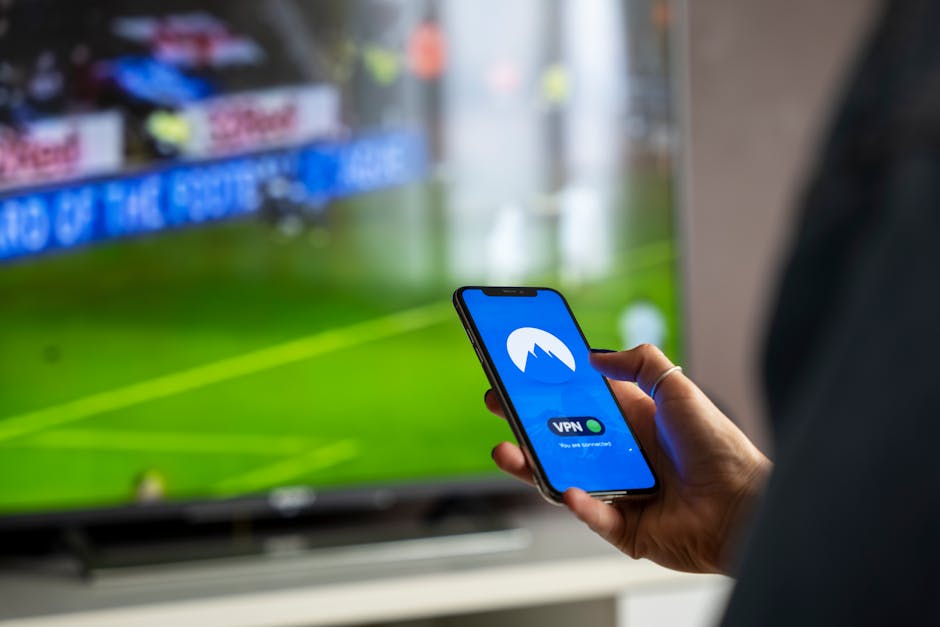
App stores not only offer variety but also specialization. Users can curate their phones with tools tailored precisely to their lifestyle and preferences, essentially customizing their all-in-one device every step of the way. The rapid innovation within app ecosystems keeps phones versatile and future-proof.
Common Mistake: Ignoring Price and Data Realities in Smartphone Discussions
Among online content about smartphones, a common oversight is to paint a glossy, price-agnostic picture why mobile streaming buffers of what phones can do. Articles often show endless functionalities and fast mobile internet without addressing the actual cost realities of devices and data plans. For everyday users, price matters greatly—both upfront for the device itself and ongoing for data usage.
High-speed networks are vital for unlocking smartphone potential, but network coverage and data limits vary widely. It’s important to choose solutions that fit your budget and typical usage patterns rather than chasing buzzworthy features or vague promises of “unlimited everything.”
In Summary: Why the Smartphone Is Your Daily Life Powerhouse
Factor Impact on Daily Life High-Speed Mobile Networks Enable fast loading, real-time navigation, and seamless multimedia consumption anytime, anywhere All-in-One Device Functionality Replaces multiple gadgets; combines camera, GPS, music, communication, and productivity Snackable Content Fits short time slots to keep users entertained and informed between tasks App Ecosystems Offer a nearly limitless range of specialized tools tailored to individual needs Waiting Time Transformation Turns previously wasted moments into productive or entertaining windows
Smartphones have become indispensable in part because they adapt to the realities of our fragmented, on-the-go lives. They offer practical tools for organizing schedules on the phone, easy-to-use navigation for unfamiliar places, and entertainment designed for mobile consumption patterns. Advances in technology and networks have made this possible, while the thriving app ecosystems continue to expand the possibilities.
Next time you pull your phone out during a few minutes of downtime, you’re using a marvel of modern technology crafted to fit seamlessly into your daily routine.