Is sealed concrete being replaced by resin in UK warehouse fit-outs?
I’ve been doing this for twelve years. I’ve crawled through cold stores in freezing temperatures, walked miles of food production lines, and spent more time than I’d care to admit looking at grey slabs of concrete. When I’m asked about new fit-out trends, I don't care what the floor looks like on handover day. I care about what that floor sees on a wet Monday morning in February when the shutter doors are stuck, a pallet truck is leaking hydraulic oil, and a forklift driver is in a rush to meet a KPI.
There is a dangerous trend in our industry: viewing flooring as decor. It isn’t. It is infrastructure. If your floor fails, your warehouse fails. The question isn't whether resin looks prettier than sealed concrete; the question is which one survives the grind of UK logistics.
The Reality of "Heavy Duty"
Before we go further, if I hear another project manager tell me they need a "heavy duty" floor without defining the micron thickness, the compression strength, or the specific traffic intensity, I’m walking off the site. "Heavy duty" is a marketing term, not a specification. If you don't know the load-bearing requirements, you’re just throwing money into a hole.
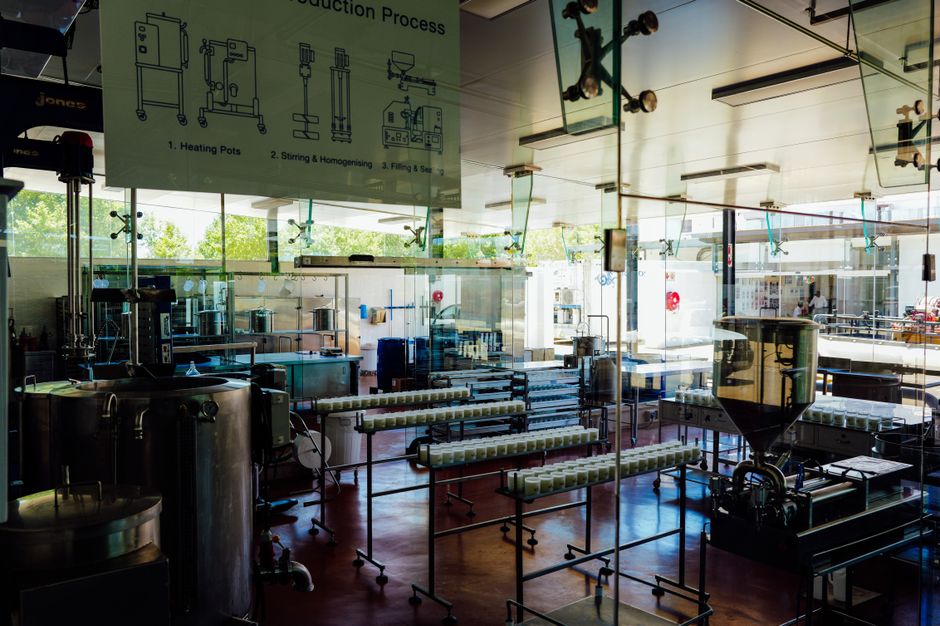
In the UK, we are seeing a shift. Many warehouse operators who used to rely on simple densified and sealed concrete are moving toward resin-based systems. Why? Because the maintenance cycle on a poorly maintained concrete slab—once the seal breaks—is a nightmare. You get dusting and abrasion, and suddenly your racking is covered in grey grit, and your forklifts are wearing out their bearings. That is a failure of infrastructure.
The Four Pillars of Decision Making
When I assess a floor for a client, I don’t look at colour swatches. I look at four non-negotiable factors:
Load: Static loads from racking vs. point-loading from narrow-aisle trucks. Wear: Traffic frequency, wheel types (Vulkollan vs. rubber), and turning radius. Chemicals: Not just major spills, but the slow, corrosive effect of cleaning agents and hydraulic leaks. Slip Resistance: If you’re only quoting me a slip rating for dry conditions, you’re setting yourself up for an HSE investigation. We need PTV (Pendulum Test Value) figures that account for real-world contaminants.
The Preparation Battle: Shot-blasting vs. Grinding
I’ve seen millions of pounds wasted because of inadequate surface preparation. You can put the most expensive resin on the market down, but if the concrete isn't profiled correctly, it will delaminate in six months.
In the UK, we tend to lean on two primary methods of prep:
Shot-blasting: This is my go-to for heavy-duty requirements. It uses steel shot to blast the surface, opening the pores of the concrete and creating a mechanical anchor profile. It’s aggressive, it’s loud, and it’s non-negotiable for high-build resin systems. Grinding: Often used for smaller areas or where shot-blasting is too disruptive. It’s effective for removing surface laitance and creating a level surface, but you need to be careful—if you don't achieve the right CSP (Concrete Surface Profile), the bond strength will suffer.
For high-end installs, I frequently collaborate with specialists like evoresinflooring.co.uk. They understand that the floor is only as good as the preparation provided by partners like kentplasterers.co.uk, who ensure the underlying substrate is prepped to the standard required for a long-term industrial finish.
System-by-System Pros and Limitations
Let’s get technical. If you’re looking at a polished concrete alternative, you are likely choosing between these three systems:
System Best For Limitations Densified Concrete Light traffic, clean-room environments. Vulnerable to chemical attack; high maintenance required to stop dusting. Epoxy Coatings Aesthetic requirements, medium chemical resistance. Susceptible to impact damage; can be brittle if not specified correctly. Polyurethane (PU) Screeds Food production, cold-stores, high-impact areas. Higher cost; requires expert application; slower to cure in lower temps.
Compliance and the "Wet Monday Morning" Test
One thing that really riles me up is the obsession with dry slip ratings. In the UK, we have strict BS 8204 standards. If your floor doesn't meet the PTV requirements for a wet environment, you are effectively operating a liability trap.
When you are looking at your fit-out, don't just look at the R-rating (the DIN 51130 ramp test). It is a start, but it doesn't replicate the behaviour of a warehouse floor under the pressure of a pallet truck wheel. Push for the PTV test results for your specific environment. If your contractor is hesitant to provide these, they’re cutting corners on your safety.
Plus, never skip moisture testing. I’ve matt finish industrial resin seen enough "discovered" prep variations to fill a shipping container. Moisture in the slab is the silent killer of resin. If you skip a calcium chloride test or a RH (Relative Humidity) probe test, you are just waiting for the floor to "blow" as soon as the ambient temperature changes.
Final Thoughts: Buy Longevity, Not Decor
Is sealed concrete being replaced by resin? In high-spec, high-intensity UK warehouses, the answer is yes. I remember a project where made a mistake that cost them thousands.. We are moving away from concrete PTV 36 slip resistance standards as the finish because we can no longer afford the downtime associated with "dusting and abrasion" repairs.
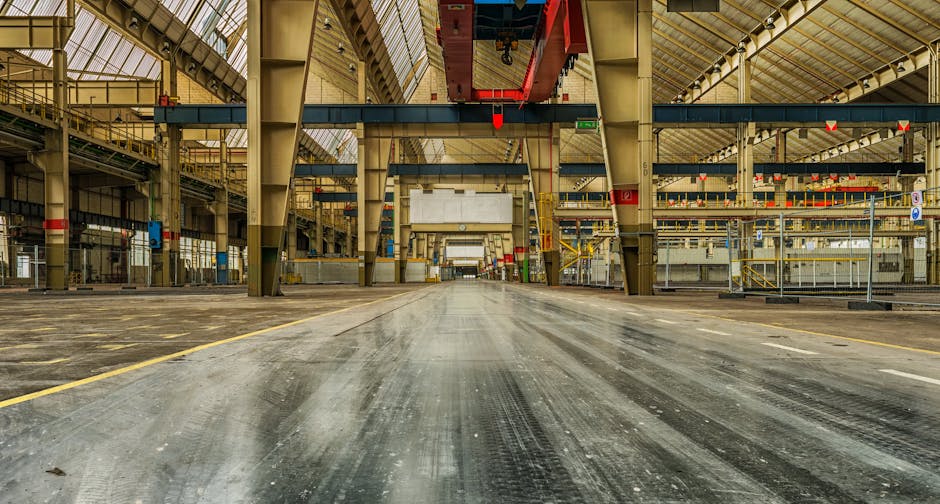
You know what's funny? if you are planning your next fit-out, stop asking "how much per square metre." start asking, "what is the compressive strength?" and "show me the slip resistance report for a wet, oil-contaminated surface."
If you treat your flooring as a genuine piece of infrastructure—equal in importance to your racking or your loading bay doors—you’ll be a lot happier when that wet Monday morning rolls around. If you don't, you'll be calling a repair crew within the year, and I’ll be the one out there telling you that it wasn't the material that failed—it was the decision-making process.