Slope and Drainage: Critical for Outdoor Surfaces
Outdoor spaces live and breathe with water. A rainstorm writes the story in inches and minutes, guiding where you step, how your pavers stay level, and whether a patio remains a pleasant place to lounge or a slick patch of risk. As a hardscape contractor with years of hands-on experience installing patios, walkways, and driveways, I’ve learned that slope and drainage aren’t afterthoughts. They are the backbone of long-term performance. If you start with a solid plan for water movement, the rest—paver installation, retaining walls, outdoor kitchens—tends to come together with fewer headaches and less maintenance.
The topic often feels technical, almost math class in disguise. But for practical purposes, think of slope and drainage as two interlocking systems that keep surfaces usable, safe, and aesthetically intact. Water find its own path. Your job is to guide it away from critical edges, capture it where it can be managed, and avoid creating new problem zones in the process. When done well, you can enjoy a dry seating area after a heavy rain, a driveway that sheds water quickly, and a garden pathway that remains firm underfoot when the forecast calls for a downpour.
What slope really does in the real world
Go for a walk through any residential or commercial outdoor space that has aged well, and you’ll see the same thread: surfaces that shed water efficiently, with no pooling, no edge heaving, and no soft spots that invite weeds or algae. The slope is not just about leaning surfaces toward a drain or away from a doorway. It’s about ensuring gravity does the work without creating a muddy mess at the doorsill or a terrace that feels slick after a storm.
In practice, slope decisions hinge on context. A practical backyard patio requires a gentle fall toward a drainage line or trench that is easy to maintain. A paver driveway needs a steadier grade so that tire tracks don’t carve a groove and expose the base. A stone walkway must stay firm underfoot, even when leaf litter and debris slow everything down. The right slope reduces maintenance, minimizes ice buildup in winter, and keeps planters from standing in shallow water that fosters rot.
Drainage, on the other hand, is about where the water goes once it leaves the surface. It’s a matter of grading, sub-base prep, and the choice of drainage components that fit the project. You want water to leave the surface quickly enough to prevent erosion and settling but not so aggressively that it scours joints or dislodges pavers. In many projects, the best solution is a balanced approach: a small positive slope toward a swale, a trench drain, or a dry well, paired with a carefully detailed setting bed that allows for minor settlement without misaligning joints.
Real-world constraints make slope and drainage decisions even more nuanced. Soil type plays a big role. Clay soils push you toward more robust base materials and more careful compaction. Sandy soils drain quickly, but they can shift with moisture content changes, so drainage channels must be designed to catch seepage and prevent uneven settling. Climate matters too. Areas that experience freeze-thaw cycles require details that account for frost heave. In those environments, you can end up with a dynamic mix of sub-base layers and edge restraints that preserve alignment through repeated freeze cycles.
Design principles that translate from paper to concrete
The best designs begin with a site assessment that respects both the macro layout and the micro details. Before a shovel touches the ground, I walk the site in different light, looking for signs of prior drainage issues, surface staining, or areas where water tends to pool after a storm. I map out natural water flow and note where the soil stays wet longest. This initial survey guides everything from the thickness of the base to the placement of drains and the direction of paver joints.
A critical choice is the direction and magnitude of slope. For most residential patios and walkways, a fall of 1/4 inch per horizontal foot is a common baseline. It provides enough gravity to carry water toward a drainage point while still keeping surface level enough to remain comfortable underfoot. In driveways or larger commercial spaces, a steeper fall may be warranted to move water quickly, but you must also protect against scouring and unsightly settled areas. The rule of thumb is simple: the surface should feel solid underfoot, and water should leave the surface before it has a chance to puddle.
The base matters as much as the surface. A properly prepared sub-base acts like a sponge that buffers fluctuations in moisture and keeps the paving layers from shifting. In most installations, you’ll see a compacted aggregate base with a binder layer beneath a setting bed. The exact composition depends on soil conditions, climate, and the weight the surface must bear. For heavy vehicle loads, the base becomes more robust, sometimes graded with geosynthetic fabrics to stabilize the soil and improve load distribution. The joints between pavers are not just for aesthetics. They accommodate small movements and provide paths for surface water to channel into the underlying drainage system.
Materials influence drainage behavior too. Porous or permeable pavers introduce a different dynamic than traditional solid-paver installations. They can reduce surface runoff and help with recharge in some settings, but they demand precise joint design and sub-base preparation to prevent clogging and to guarantee adequate load-bearing capacity. For most projects, a well-drained, non-porous system with a well-graded base and an effective edge restraint will deliver predictable performance. The choice depends on the project goals, the climate, and the expected maintenance regime.
Edge conditions often betray a project’s long-term success or failure. Edges can become low points if not restrained properly. A well-placed concrete curb, timber edging, or a steel edging strip keeps the surface in place and prevents migration of fines that can choke joints. In a heavy-use area, you might combine edging with a compacted blinding layer and a gentle runoff channel that feeds into a drain or swale. The idea is to keep the edge stable and to keep water moving toward a safety valve rather than allowing it to pool along the perimeter where it can undermine the base.
Two practical checks I rely on during site visits
Confirm the surface is pitched toward the intended drainage path, not simply sloped for comfort. A shallow inward slope toward a door or a stubborn low point becomes a magnet for standing water and insect life. Validate that drainage paths are accessible for maintenance. Drains should be visible, unclogged, and sized to handle worst-case rainfall events for the area.
The nitty-gritty of laying out a drainage-friendly hardscape
The process begins with accurate grade stakes and a clear plan for where water should go. If a project requires a centralized drainage node, I design around it so that joints align with the plan. It’s not glamorous, but an even pattern of joints is a signal that the installer paid attention to water movement and structural integrity. In practice, I often design a drainage path that uses a gentle fall to a catch basin or a trench drain that sits below grade but above the sub-base, providing a reliable exit for runoff.
In heavy rain climates, I’ll include a swale or shallow trench along the outer edge of a patio or path. This feature captures runoff from adjacent slopes and moves it to a landscape drainage point where it can percolate or be directed to a stormwater system. The swale must be lined and shaped to prevent erosion during peak flows. For narrower spaces, a linear trench drain with grates at regular intervals can be both unobtrusive and highly effective. The key is to balance the airflow, water velocity, and debris management so that the system doesn’t clog or become a maintenance burden.
The location of plants and landscape beds around hardscape surfaces matters too. Planting beds can contribute to drainage, acting as a catchment that slows runoff and reduces soil erosion at the edge. But the soil inside a bed must be well-drained if it sits adjacent to a paved surface. If water crosses into a planting bed, ensure there’s a clear path for it to exit back into the drainage system or into a designated soil area designed to absorb moisture without saturation.
A note on patterns and aesthetics
The look of the surface should not be sacrificed for drainage. It is entirely possible to have both. The joint pattern can mimic natural stone or brick layouts while delivering a deliberate fall toward a drainage element. The material choice matters here. Tight, intricate patterns can obscure the sense of slope if the joints are too small or the surface texture is too busy. A broader joint line or a simple yet elegant pattern can emphasize the surface geometry and still maintain clear water paths.
Two lists that capture essential decision points
Site assessment priorities: 1) Map natural water flow and identify the primary water exits. 2) Check soil type and drainage characteristics through simple field tests. 3) Note existing structures that may influence water movement, such as foundations, downspouts, or hidden utilities. 4) Determine desired use of the space and weight/load expectations. 5) Plan for maintenance access to drainage components and edge restraints.
Drainage strategies by context: 1) Sloped patios toward a centralized drain with a shallow swale as a safety valve. 2) Linear trench drains integrated into long, narrow walkways. 3) Swales along irregular perimeters to catch runoff from higher ground. 4) Perimeter edge restraints that prevent edge heave and channel water inward toward drainage zones. 5) Porous pavers in areas with permeable sub-bases where recharge is beneficial, paired with a cleaning and vacuuming routine to avoid clogging.
The concrete moments: common pitfalls and how to avoid them
If a project stumbles, it’s often because water movement was either underestimated or poorly executed. A common error is treating slope as an aesthetic flourish rather than a functional necessity. It shows up as a surface that appears level but pools water after a storm because the base was not graded correctly or because the drainage path remains blocked by debris or poorly positioned edge restraints. I’ve seen driveways that shed water poorly because the edge restraint was installed too tightly against the base, locking in a micro-slope toward the center that invites repeated puddling after heavy rain.
Another frequent misstep is over-reliance on porous pavers without considering the sub-base or maintenance implications. Permeable systems can perform beautifully when installed with careful attention to joint width, compaction, and runoff capacity. But they require regular cleaning to prevent fines from migrating into joints and clogging the system. If a porous system looks appealing but sinks after a few seasons, the root cause is often inadequate sub-base preparation or a miscalculated load path that overwhelms the drainage capacity.
Edge details deserve close scrutiny. Edging that loosens or loosens unevenly invites movement that can misalign joints and create micro-gutters where water races toward the wrong points. The fix is not to over-tighten every joint but to set edge restraints with appropriate anchoring and to blend the surface with the surrounding landscape so that water moves along designed channels rather than across the surface.
Maintenance as a living practice
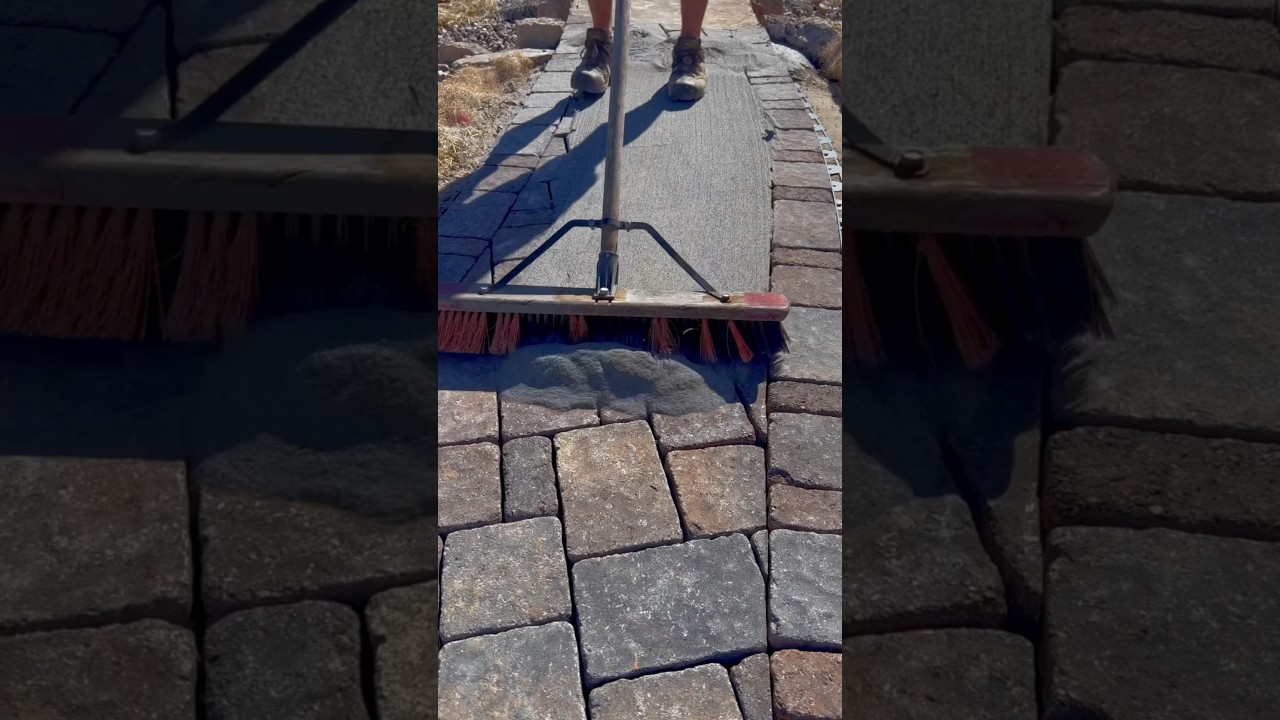
Maintenance isn’t an afterthought. It’s part of the design. A well-planned maintenance routine for a hardscape with slope and drainage should include a yearly inspection of joints and edging, a check for sediment buildup in drainage channels, and a seasonal reminder to clear debris from grates and catch basins. In climates with heavy leaf fall, I advise combining a routine vacuuming or sweeping of joints with an occasional power washing to remove silt that could compromise the drainage path. For porous systems, the regime may include a more frequent vacuuming or pressure rinsing to maintain permeability.
In the field, practical maintenance often reveals where design assumptions meet reality. A landscape bed that looks tidy can harbor a hidden moisture pocket if the bed design does not include a proper overflow path. A path that feels firm underfoot after a storm usually embodies a good balance of sub-base strength and surface drainage. When I see a space that stays damp after a week of sun, I look for a hidden low point or an insufficient edge support that directs water toward an unintended zone.

Edge cases and thoughtful compromises
No project exists in a vacuum. It’s about negotiating real-world constraints—space, budget, and the rhythm of daily life. A small urban courtyard may demand a compact drainage solution that hides under the seating area, while a larger suburban backyard can accommodate a more expansive swale that doubles as a visual feature. A commercial space may require a robust trench drain system with frequent maintenance access and redundancy in case of clogged lines. In every case, the objective remains the same: keep water moving away from where it can do harm, while preserving the site’s usability and appearance.
When to consider more than one drainage approach
There are moments when combining https://ridgelineoutdoorliving.com/blog/paver-driveway-vs-concrete-driveway/ strategies yields the best result. For example, a patio that sits above native soil with poor drainage might benefit from a permeable surface that reduces runoff, paired with a shallow swale that captures the majority of the sheet flow and channels it to a compact drainage basin. A driveway serving a busy property can use a gentle cross-slope toward a linear trench drain, with a secondary toe drain at the edge to capture any water that the primary path cannot handle. The goal is resilience—an approach that remains effective through a variety of storm intensities and seasonal shifts.
Concrete anecdotes from the field
I once worked on a mid-sized commercial courtyard that sat on a mixed soil profile with a history of slow drainage. After the first heavy rain, the center of the courtyard revealed a shallow pool that lingered for hours. We re-graded the surface to add a more pronounced fall toward a trench drain, widened the joints to allow for better water passage, and added a small swale along the edge to offset any residual runoff. The effect was immediate: the space dry within minutes after the rain, with comfortable footing and no standing water on the surface.
In another project, a residential patio built over compacted clay soil required a layered base with a geotextile separator, a thick aggregate sub-base, and a careful topping bed. The slope had to be monitored during installation to ensure the final surface remained true to the plan. It wasn’t glamorous work, but the result was a patio that held its grade after freeze-thaw cycles and a walkway that remained dry enough to walk on even after a heavy rain.
The heart of durable outdoor spaces lies in the moment a plan becomes visible on the ground
Slope and drainage are not glamorous, but they are indispensable. They require an honest appraisal of site conditions, a clear understanding of how water moves, and a design that blends performance with aesthetics. The trick is to think of drainage as a system that serves the space rather than an afterthought that fixes problems later. If you approach a hardscape project with this mindset from the outset, you have a better chance of delivering a space that not only looks good but also performs reliably for years to come.
As you plan, remember that every site tells a story about water. Your job is to read that story with care, to sketch the water’s path, and to design around it. The result is a surface that remains comfortable to use, a landscape that ages gracefully, and a space that continues to invite people to linger, entertain, and enjoy the outdoors without worrying about the next storm.
Business Name: Ridgeline Outdoor Living
Address: 845 E Walnut St, Pasadena, CA 91101, United States
Phone: (626) 469-5822
Ridgeline Outdoor Living
Ridgeline Outdoor Living is a Pasadena-based landscape design-build company serving Greater Los Angeles with custom outdoor living, hardscape, and drought-tolerant landscape solutions. The company specializes in patios, retaining walls, outdoor kitchens, drainage, hillside projects, and turnkey landscape construction, handling projects from design and permitting through final build and warranty.
845 E Walnut St, Pasadena, CA 91101, USA
Business Hours:
- Monday – Saturday: 8:00 AM – 6:00 PM
- Sunday: Closed
Follow Us: