How to Handle Cross‑Border Shipping for Luxury Food Hampers
How to Handle Cross‑Border Shipping for Luxury Food Hampers
Shipping a gourmet hamper across borders is a bit like sending a delicate soufflé to a distant kitchen: it must arrive on time, stay pristine, and comply with every rule along the way. In this guide, we’ll unpack the practical steps you need to master so your luxury food hampers cross oceans and borders with the same finesse as a Michelin‑star chef plating a dish. Whether you’re a boutique retailer, a wedding planner, or a corporate gifting specialist, this article will equip you with the knowledge to turn logistics into a flawless experience.
Understanding the Basics of Cross‑Border Luxury Food Shipping
What Makes Luxury Food Hampers Unique
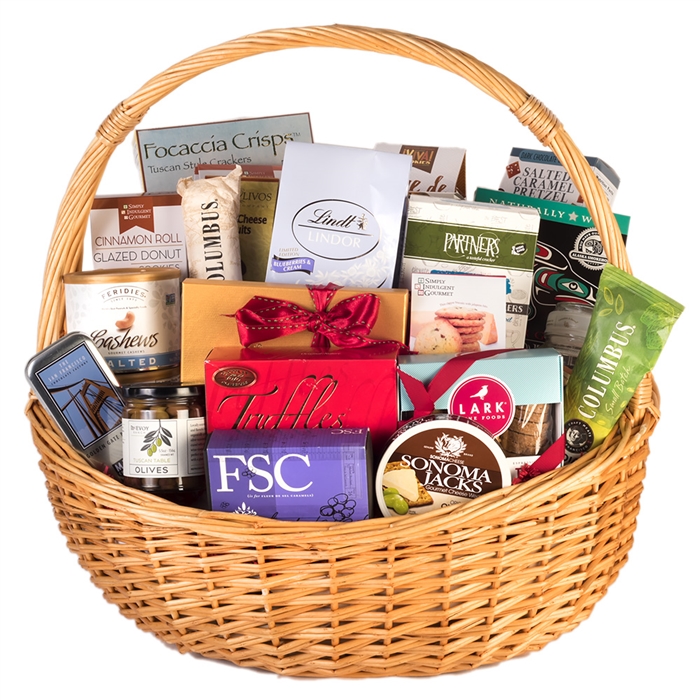
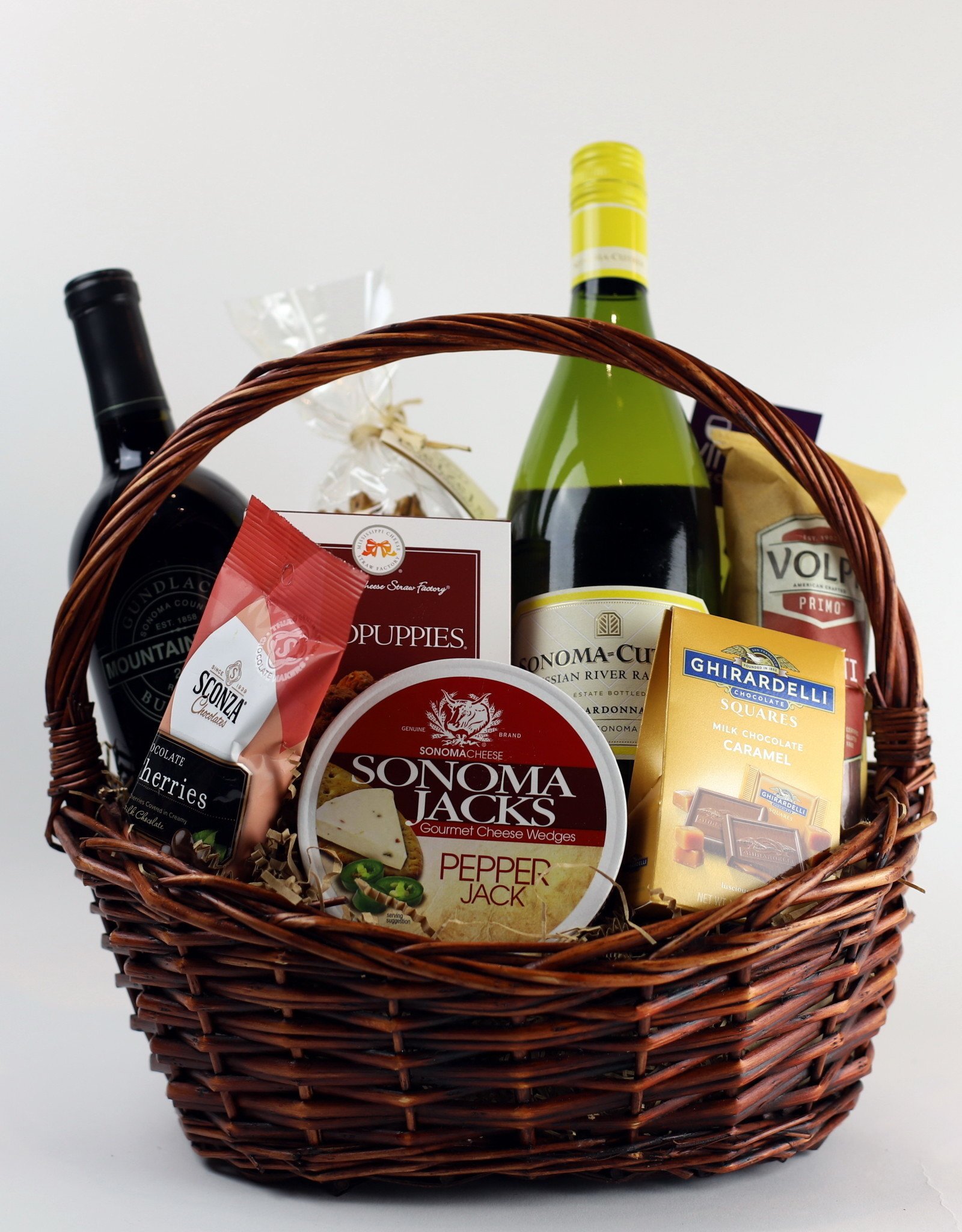
Luxury hampers are more than just boxes of goodies; they’re curated experiences that often contain perishable items, fine wines, artisanal cheeses, and exclusive confectionery. The “luxury” factor means customers expect impeccable presentation and the same quality they’d find in a high‑end restaurant. Consequently, any lapse in temperature control, packaging integrity, or compliance can tarnish the brand’s reputation.
Common Cross‑Border Challenges
Perishability: Fresh produce and dairy products are highly temperature‑sensitive. Regulatory hurdles: Food import laws vary dramatically between countries. Customs delays: Mis‑documentation can lead to costly hold‑ups. Cost volatility: Fuel surcharges, duty rates, and packaging fees can fluctuate.
Recognizing these challenges early allows you to design a shipping strategy that mitigates risk and preserves the wow factor.
Choosing the Right Shipping Partners
Carrier Expertise and Reputation
Not all carriers are created equal. Look for partners that:
Have a proven track record with perishable goods. Offer specialized services such as temperature‑controlled containers. Provide transparent, real‑time tracking.
An anecdote: a boutique bakery once shipped a chocolate‑filled croissant to New Zealand. They chose a carrier with a “cold‑chain” guarantee, and the croissant arrived smelling like a Parisian patisserie—no one could tell the difference.
Customs Brokers and Compliance
A seasoned customs broker acts as your legal liaison. They:
Ensure all documentation (commercial invoices, certificates of origin, phytosanitary certificates) is accurate. Navigate the labyrinth of import duties and excise taxes. Advise on country‑specific food safety standards.
Remember, a single typo in a customs form can trigger a 48‑hour delay—time is money, especially when the hamper is a gift.
Packaging and Preservation Techniques
Protecting Perishables During Transit
The packaging must be as robust as the contents. Consider:
Shock‑absorbing inserts: Foam or air‑filled dividers keep items from colliding. Moisture‑barrier liners: Prevent condensation from ruining delicate pastries. Tamper‑evident seals: Instill confidence that the hamper hasn’t been opened en route.
Temperature Control Options
Temperature is the unsung hero of luxury food shipping. Options include:
Insulated containers with dry ice: Ideal for short‑haul, high‑value items. Refrigerated air freight: Best for long distances and larger volumes. Phase‑change materials (PCM): Provide stable temperatures without the need for continuous power.
The right choice depends on the destination, item sensitivity, and budget.
Customs, Duties, and Tax Considerations
Import Regulations for Food Items
Every country has its own set of rules governing food imports. Key points:
Prohibited items: Some dairy products or meats may be banned outright. Restricted quantities: Certain items may have a maximum per‑shipment limit. Labeling requirements: Ingredients, allergens, and country of origin must be clearly marked.
A helpful quote from a logistics expert: “Think of customs as a gatekeeper that loves order; if you’re not ready, you’ll get stuck at the gate.”
Calculating Duties and Taxes
Duty rates vary by product category and destination. Steps to calculate:
Identify the Harmonized System (HS) code for each item. Check the tariff schedule of the destination country. Add applicable value‑added taxes (VAT, GST). Using software or a freight forwarder’s calculator can save you from costly surprises.
Timing, Tracking, and Customer Experience
Lead Times and Delivery Windows
Customers wine hampers Australia who receive a hamper on a special occasion expect it to arrive on schedule. Plan for:
Transit time: Air freight is faster but pricier; sea freight is slower but economical. Customs clearance: Allocate 24–48 hours for routine inspections. Local delivery: Partner with a reliable courier for the final leg.
Real‑Time Tracking and Communication
Transparency builds trust. Provide customers with:
A tracking link that updates status in real time. Estimated delivery windows that account for customs delays. A point of contact for questions or concerns.
A customer once called to confirm a hamper would arrive “before the next full moon.” The prompt response turned a potential panic into a delightful surprise.
Cost Management and Pricing Strategies
Balancing Quality and Budget
Luxury hampers demand premium packaging and transport, but budgets are finite. Strategies include:
Volume discounts: Negotiate better rates with carriers for larger shipments. Bundling services: Combine shipping, customs, and insurance into a single fee. Dynamic pricing: Adjust prices based on seasonal demand and freight rates.
Hidden Fees to Watch Out For
Fuel surcharges: Often fluctuate with global oil prices. Handling fees: Airports and ports may impose additional charges. Insurance premiums: High‑value items warrant coverage, but the cost can add up.
A quick audit of your shipping invoices can reveal recurring hidden fees that erode margins.
A Real‑World Anecdote
Last year, a small boutique in London decided to ship a 12‑piece chocolate hamper to a client in Singapore. They chose a reputable air freight partner and a customs broker familiar with Singapore’s strict food safety laws. The hamper included a rare single‑origin dark chocolate bar, a fresh fruit tart, and a bottle of aged sherry. The shipment arrived two days ahead of schedule, still warm and fragrant. The client, surprised, called the boutique to thank them. The boutique’s manager laughed, “We shipped a chocolate cake across the world and it still looked like a cake—no crumbs in the middle of the Pacific!” This story illustrates that meticulous planning pays off in delight.
Delivering Delight Across Borders
Cross‑border shipping for luxury food hampers is a dance between precision, compliance, and customer delight. By selecting experienced carriers, employing robust packaging, navigating customs with expert brokers, and maintaining clear communication, you can ensure that every hamper arrives as a masterpiece—regardless of distance.
Remember, the goal isn’t just to deliver food; it’s to deliver an experience that feels as exquisite as the contents. So, next time you’re preparing a gourmet gift for a client or a loved one overseas, think of the journey as a culinary adventure that starts in your workshop and ends with a satisfied smile at the recipient’s doorstep. The world is your oyster—just make sure the pearls stay intact along the way.