Retail Property Valuation: Commercial Appraisal Services in Lambton County
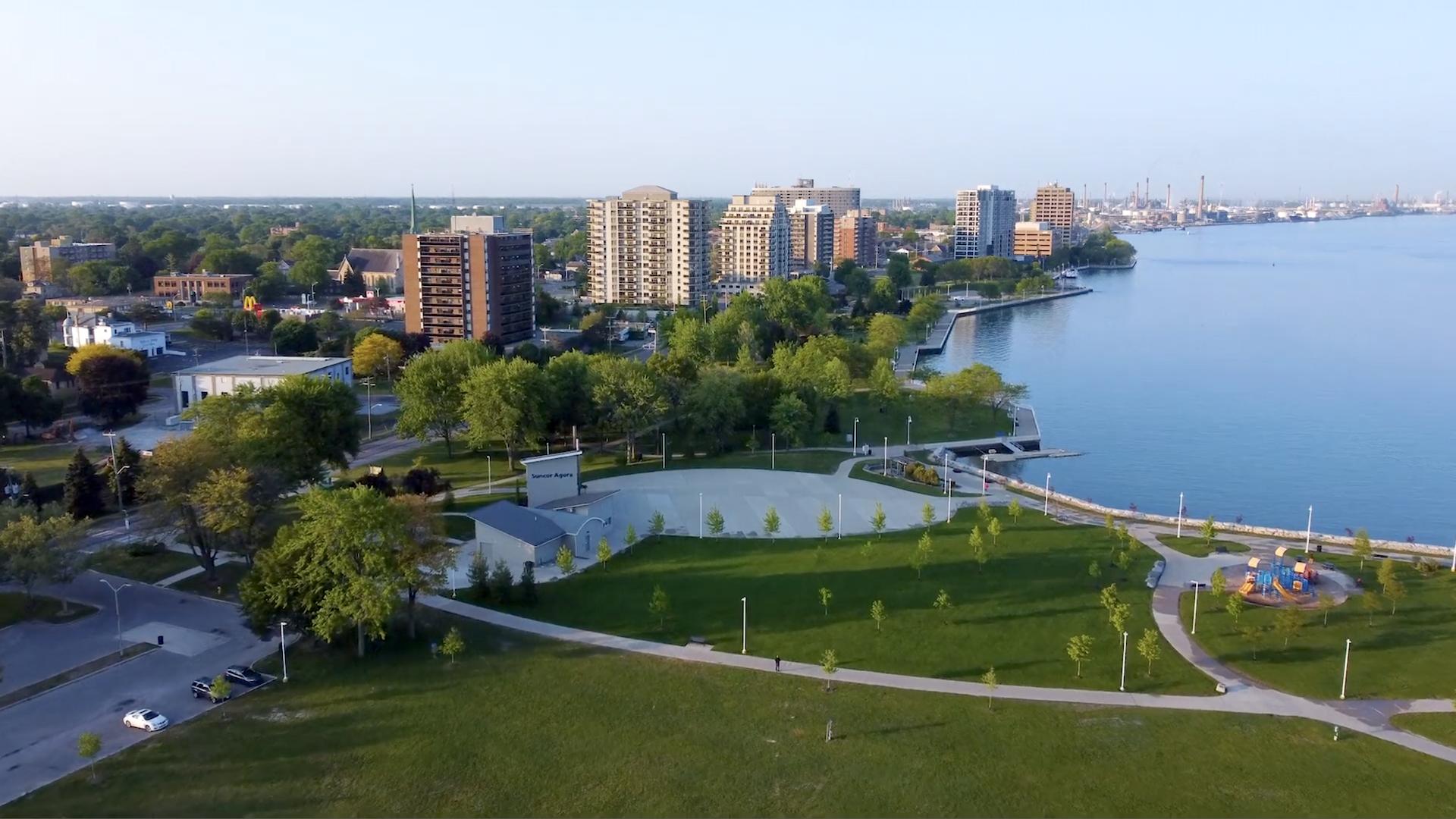
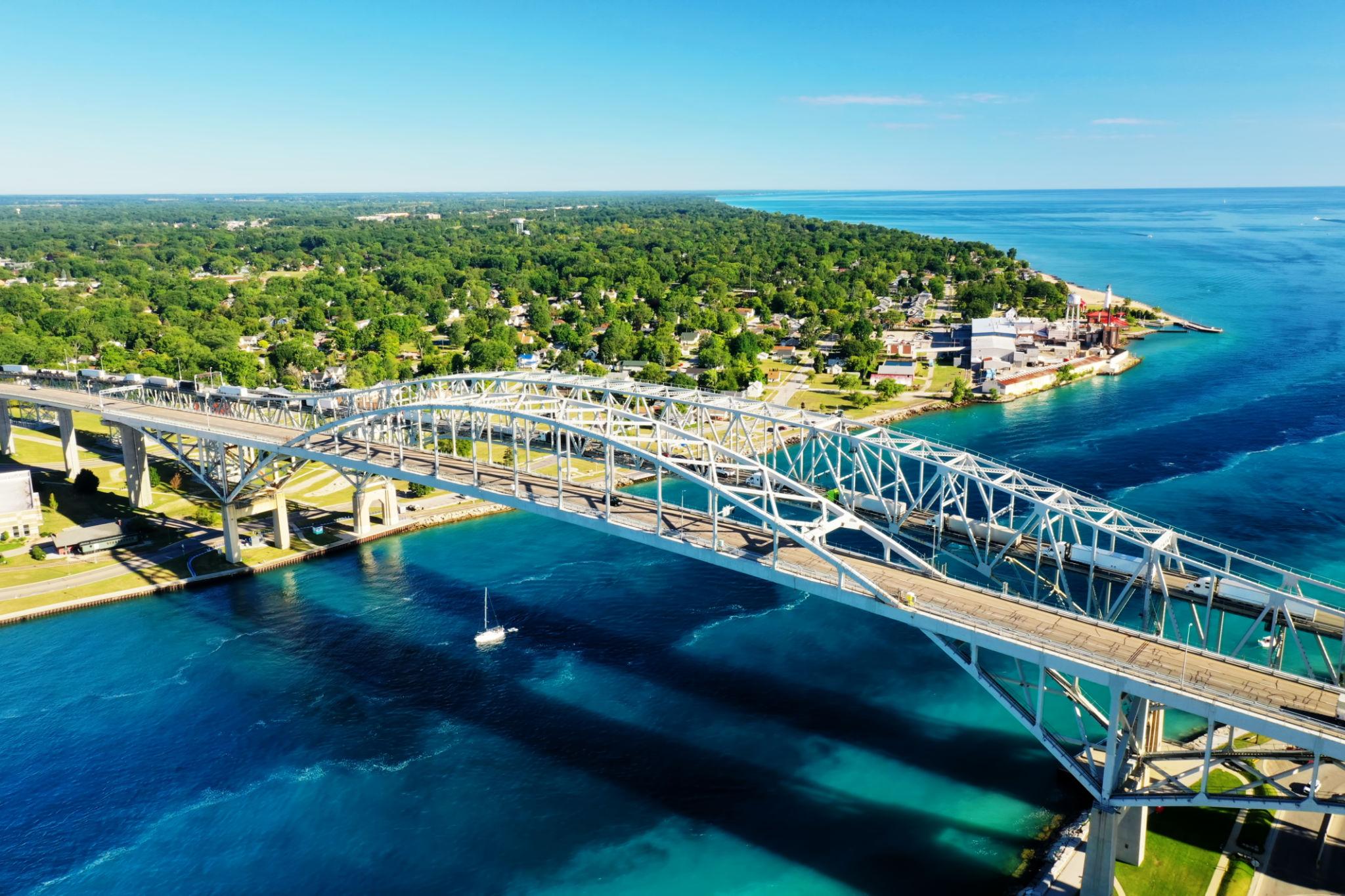
The way a retail property lives on paper rarely tells the whole story. A plaza at the edge of Sarnia responds to a different heartbeat than a storefront on Petrolia’s main street or a seasonal strip near Grand Bend. The work of valuation is to translate each property’s lived reality into numbers that bankers, buyers, and auditors can trust. In Lambton County, that translation has local accents: cross‑border flows through the Blue Water Bridge, Chemical Valley’s steady employment base, cottage traffic along Lake Huron, and a patchwork of towns with their own retail microclimates.
I have spent enough hours pacing parking lots at dawn, counting license plates, and reading leases at a kitchen table to know there is no one-size answer. Still, there is a disciplined way to arrive at credible value. If you are seeking a commercial real estate appraisal in Lambton County, understanding how an appraiser reads the market will help you prepare, ask sharper questions, and make better decisions.
What actually drives value in Lambton’s retail properties
Start with the income engine, but do not stop there. Net operating income anchors retail value, yet it is the stability and quality of that income stream that determines where the cap rate lands. In Sarnia, a grocery-anchored plaza with national covenants and a decade of term will usually price tighter than a lineup of mom-and-pop shops on a secondary road, even with comparable headline rent. Investors pay for predictability.
Traffic patterns matter. Highway 402 funnels daily commuters and logistics traffic to interchanges that reward well-sited quick service restaurants and gas bars. Downtown Sarnia relies on office workers from the petrochemical complex, visitors to the waterfront, and residents in nearby mid-rise buildings. In Lambton Shores, summer population balloons, and so do cash registers at seasonal retailers, but winter months can be lean. A thoughtful appraisal weights these rhythms, not just the latest rent roll.
Lease structure separates perceived winners from laggards. In this region, triple net or net leases with recoveries for taxes, insurance, and common area maintenance are common. Still, many older buildings carry modified gross deals or capped recoveries that leave landlords absorbing snow removal spikes or insurance jumps. Rising operating costs since 2020 have made the fine print far more valuable than a headline base rent.
Then there is the ground itself. A corner with clean environmental history, excess parking, and supportive zoning is a different asset than a former service station with aging tanks two owners back. Oil Springs, Petrolia, and Sarnia have long industrial and petroleum legacies. A Phase I ESA that flags a potential risk can ripple through value by delaying financing or prompting a reserve request. Savvy lenders in Lambton ask those questions early.
Finally, liquidity shapes the appraisal call. Sarnia trades with some frequency, and there are enough data points to triangulate cap rates and price per square foot with confidence. In smaller towns, sales are sparse, and each one has quirks. A careful commercial appraiser in Lambton County weights each comparable by relevance and adjusts with restraint, then leans more on income where market evidence thins out.
Retail subtypes in context
Grocery-anchored plazas: Usually the most defensible income in secondary markets. Caps tend to be tighter than average when the grocer’s sales are strong and term is long. Co-tenant health matters, particularly pharmacy, liquor agency, or dollar store draw. Highway commercial pads: QSRs, coffee, and fuel near interchanges live on traffic counts and drive-thru design. Lease forms are often corporate net, sometimes with land leases. Small site constraints or awkward ingress can shave value. Downtown streetfronts: Character stock in Sarnia, Petrolia, and Forest can outperform if renovated, but turnover risk is real. Upper-floor residential can stabilize cash flow and widen the buyer pool to mixed-use investors. Big-box or shadow-anchored strips: When a national retailer owns its box and smaller tenants shadow the traffic, investors look closely at co-tenancy clauses and shared access agreements. Vacant or underutilized anchors nearby cast a long shadow on value. Seasonal corridors: Properties near beaches and parks ride a steep seasonal curve. Appraisers normalize income using multi-year averages, and lenders may underwrite more conservatively, especially if winter trade is thin.
Three approaches, one reconciled conclusion
Professional practice calls for the income, sales comparison, and cost approaches. In Lambton County, the income approach usually carries the most weight for stabilized retail. The sales comparison approach confirms range and helps test reasonableness. The cost approach comes into play for newer construction, special-purpose assets, or when market data are sparse.
The reconciliation step is not averaging. It is judgment. If leases are near market, vacancy aligns with local patterns, and sales evidence is healthy, the income and sales indications should converge. If they do not, figure out why. Perhaps the subject’s leases are older and below market, with an anticipated lift post-rollback. Or perhaps the market is discounting some unpriced risk, such as deferred maintenance or looming competition.
Income approach, done with Lambton nuance
An appraiser starts with the rent roll but finishes with normalized net operating income. That difference is often where value is won or lost.
Market rent. A national coffee chain on a 10-year net lease signed in 2018 may sit below 2026 asking rates. The appraiser will study current deals along London Line, Exmouth Street, and key nodes in Corunna and Wyoming, then separate asking from achieved rents. Incentives like free rent periods or landlord work letters convert back to effective rent. For seasonal corridors, using peak-season asking rents without off-season context is a mistake that overstates income.
Recoveries. In Ontario, tenants typically reimburse property taxes, https://spenceruiuw253.iamarrows.com/how-location-impacts-commercial-real-estate-appraisal-in-lambton-county insurance, and CAM. But older leases may cap snow removal or exclude roof replacement. After the heavy winters off Lake Huron, a property with full pass-throughs will perform differently than one with soft caps. Normalizing means projecting recoveries as if leases reflect market norms, unless contract rent is clearly off-market and the assignment is a financing appraisal where the lender insists on contract income.
Vacancy and credit loss. A stabilized plaza might carry 2 to 5 percent long-term vacancy in Sarnia, while smaller towns can live with higher frictional vacancy. If the subject has a dark bay, the appraiser will model downtime, free rent, and leasing costs realistically. Credit risk is layered in with modest loss factors unless a large portion of income comes from start-ups or single-location operators.
Operating expenses. Snow, insurance, and utilities have been volatile. Rather than simply adopting owner statements, the appraiser cross-checks line items against local benchmarks. Roof age, HVAC type, and lighting can tilt utilities and repairs. Environmental monitoring, where needed, adds annual expense and affects lender views.
Capital expenditures. Investors often miss capital reserves. A roof with ten years remaining deserves a reserve line. So does aging HVAC across multiple units. Including a reserve, even a modest one, is honest underwriting that keeps the cap rate discussion apples-to-apples.
Cap rate selection. In Lambton County, retail cap rates have historically sat wider than prime GTA assets, reflecting smaller market depth and perceived risk. In my files from recent years, stabilized neighborhood plazas have transacted roughly in the mid to high single digits. The range flexes with tenant quality, term, location, and interest rates. A grocery-anchored center in Sarnia might compress materially below a three-tenant strip in a town of 5,000. Appraisers triangulate cap rates by extracting from sales, testing debt coverage using prevailing loan terms, and checking investor surveys, then apply judgment based on the subject’s risk profile.
Sales comparison in thin markets
The best comps are nearby, recent, and similar. You will rarely get all three in smaller communities. A commercial property appraisal in Lambton County often reaches into neighboring counties for pattern recognition, then adjusts for location liquidity, rent levels, and growth prospects. Shadow-anchored strips near high-traffic corridors in Chatham-Kent or Middlesex may provide guardrails, but the final call needs export and tourism sensitivity layered back in.
Adjustments in this environment should be transparent and restrained. A 20 percent location adjustment can be defensible if supported by rent and absorption differentials, but a string of large, unsubstantiated adjustments makes a sales grid look like a wish list. If the sales approach produces a value far from the income approach for a stabilized asset, the appraiser should explain the divergence, not paper it over.
Cost approach when it matters
Newer pads with recent construction bids, special-use buildings like auto service bays, and sites with surplus land warrant closer attention to replacement cost. In Lambton, winter conditions and lake-effect snow shape roof design and parking lot wear, so regional cost modifiers matter. Site improvements are not trivial. Asphalt, lighting, underground services, and stormwater management can add a meaningful per square foot figure.
External obsolescence can be material for retail. If a subject sits on a bypassed corridor after a road realignment, or if a nearby big-box closure drained traffic, cost less depreciation will likely overstate value unless the appraisal accounts for market drag. That is another reason the cost approach, while informative, often plays a supporting role for income-producing retail.
Zoning, planning, and the politics of parking
Municipal zoning in Sarnia, Petrolia, and other Lambton towns draws clear lines between neighborhood commercial, highway commercial, and downtown mixed use. A retail building with legal, non-conforming rights, such as fewer parking stalls than current code, can still be financeable, but expansion options may be limited. For redevelopments, site plan approval timelines and required studies matter. Traffic impact, stormwater, and access to provincial highways add months and dollars. An appraisal that contemplates highest and best use beyond the current improvements should model realistic timing and soft costs.
Shared access and easements on retail pads are a frequent blind spot. Cross-access agreements with adjacent parcels can be the difference between easy circulation and a frustrating left-turn trap. When those agreements are informal or outdated, buyers price the uncertainty. A commercial building appraisal in Lambton County should reference registered documents, not just on-the-ground habits.
Environmental and building realities
Lambton’s industrial lineage is a source of pride and occasional anxiety for lenders. Even when a retail site appears clean, a file from decades past can introduce caution. Appraisers do not perform environmental testing, but they read Phase I reports and integrate the implications. A recognized environmental condition that is monitor-and-manage rather than active remediation has a smaller value impact, yet it still influences the buyer pool.
On the building side, roofs earn their keep. Flat roofs that should have been replaced five years ago hide in operating statements as ongoing patch jobs. In our climate, that is a red flag. So is original HVAC running past its expected life. LED retrofits reduce utility burden for tenants and can justify slightly higher recoveries. Insurers have been tougher on older electrical systems and certain construction types, which shows up in premium increases. If a landlord’s insurance jumped 20 to 40 percent over two renewal cycles, an appraiser may reflect that in stabilized expenses rather than smoothing it away.
Seasonality, tenant mix, and underused space
Grand Bend and Pinery visitors pump life into retail near corridors and beach routes. A bakery that lines up customers in July might break even in February. If two or three of ten tenants ride that wave, lenders still get comfortable. If eight of ten do, underwriters haircut income. An appraisal that treats seasonal tenants as if they were all-year essentials misleads its user.
Vacant end caps next to strong anchors are often leased at discounts that trade off rent for reduced downtime. In contrast, small-bay inline space with decent foot traffic can surprise on rent resilience. Underused basements and upper floors may be an opportunity in older main street stock. Adding two apartments above a storefront can stabilize cash flow and improve the capitalization rate, even if the retail rent sits flat.
Working with a commercial appraiser in Lambton County
The best commercial appraisal services in Lambton County feel like fieldwork and forensic accounting rolled into one. The appraiser visits at the right times of day, watches stacking in drive-thru lanes, checks sightlines from the main road, and asks tenants how often the snowplow actually comes before 8 a.m. Back at the desk, they read every lease, reconcile area measurements, and rebuild a true operating statement.
If you are selecting a firm, prioritize experience with local retail and a track record with the lenders or courts that will rely on the report. State your purpose clearly. Financing, acquisition, disposition, IFRS or ASPE reporting, property tax appeal, expropriation, and litigation each carry different scope and form requirements. A credible commercial real estate appraisal in Lambton County should meet the standards of the Appraisal Institute of Canada, but the narrative should also answer the questions your counterparties will ask.
Documents and site details that speed up the process
Current rent roll with lease expiry schedule, options, and any rent abatements or pandemic-era deferrals still in effect Copies of all leases, amendments, and any side letters affecting recoveries, signage, or exclusives Trailing 24 months of income and expenses, plus a breakdown of recoverable versus non-recoverable costs Recent capital work with invoices, warranty details, and any roof or HVAC reports Surveys, site plans, environmental reports, zoning compliance letters, and any shared access or reciprocal easement agreements
With that package, a typical desktop-to-delivery timeline for a summary report on a stabilized property can be two to three weeks. Complex assignments with environmental issues, partial vacancies, or redevelopment components take longer. If a lender needs an AACI-designated appraiser and a full narrative report, build in more time.
A short case vignette
A few years back, a neighborhood plaza in Sarnia quietly changed hands. Anchored by a mid-sized grocer and a pharmacy, the property had three small vacancies and two older leases with capped snow removal recoveries. The vendor pitched a cap rate that looked tight based on contract rent. When we rebuilt income using market rent for vacant bays, added a modest credit loss, trued up snow removal after two heavy winters, and inserted a roof reserve for a membrane nearing its end of life, the stabilized NOI fell about 6 percent. Investor interest remained strong because of the anchors, but the buyer who won priced those realities. The lender appreciated an appraisal that anticipated their underwrite. Everyone avoided re-trading the deal.
Contrast that with a highway pad in Lambton Shores leased to a quick service brand with strong sales. The asset looked bulletproof until we dug into access. A recent road change increased traffic but made left turns into the site awkward during peak hours. Drive-thru stacking spilled onto the shoulder on summer weekends, a safety and operations concern. That nuance nudged the cap rate wider than the listing broker hoped, even with strong corporate covenants.
Property tax assessments and appeals
MPAC assessments can be out of step with market reality, especially after capital work or lease-up changes that MPAC has not fully captured. For smaller properties, the taxes are meaningful per square foot. A commercial property appraisal in Lambton County prepared for a tax appeal frames value using the legislated valuation date and approach, which may differ from a financing assignment. If your TMI escalations cap recoveries for taxes, a successful appeal can drop costs you cannot otherwise pass through.
Financing climate and its ripple into cap rates
Debt terms shape pricing. Local and national lenders active in Lambton’s retail space typically size loans on the lower of loan-to-value and debt service coverage. When interest rates rise, coverage dominates value. Cap rates adjust with lag and vary by tenant risk, remaining lease terms, and sponsor strength. Long-term, investment-grade tenants with clear corporate guarantees command tighter yields. Shorter terms with local operators require wider yields or discounted pricing to reflect releasing risk.
Mortgage conditions have grown more detailed. Expect lenders to request environmental updates, estoppels from key tenants, proof of insurance coverage adequacy, and sometimes building condition assessments. A commercial appraiser in Lambton County who anticipates those asks saves time on the back end.
Edge cases and judgment calls
A few recurring dilemmas deserve attention:
Highest and best use versus current use: A low-rise strip sitting on a corner zoned for mixed-use density can whisper redevelopment. But if market rents are healthy and demand for retail persists, the site’s immediate value lies in income, with an option value kicker. The appraisal should test both paths with realistic timelines for planning, demolition, and lease burn-off. Aamjiwnaang and other First Nation contexts: Land tenure and jurisdiction near reserve lands can introduce leasehold dynamics or governance considerations. When applicable, valuation must reflect the specific interest being appraised and the enforceability of agreements. Condominiums carved from retail strips: Retail condo units trade differently than fee-simple strips. Lenders look hard at condo declarations, budgets, and reserve funds. Comparable sales often require a wider geographic net. Dark anchors: A vacant anchor in a shadow-anchored setting pulls down inline tenant sales and negotiating leverage. A valuation should not simply plug in a market rent. It should model downtime and tenant improvement costs for a realistic backfill, and consider co-tenancy clauses that could trigger rent reductions.
Preparing for refinance or sale
You do not control cap rates, but you do control presentation. Clean up recoveries, reconcile rentable areas to BOMA where practical, and clear small maintenance items that signal neglect. If you have a handful of month-to-month tenancies, extend terms where possible. Renegotiating a lease to align recoveries with market often adds more value than a headline rent bump. If you are chasing a sale in a window of limited liquidity, consider staggered expiries to reduce rollover risk. Buyers can accept risk, but they will price concentration.
How commercial appraisal services fit into larger decisions
An appraisal does not replace strategy. It informs it. If the income approach shows limited upside because rents already sit at market, value creation might come from re-tenanting a weak bay with a stronger credit, unlocking upper floors, or pursuing a modest pad expansion if zoning allows. If the sales comparison approach reveals a premium for grocery-anchored centers, aligning tenant mix over time may change the exit narrative. When the cost approach signals reproduction costs are far above market value, it is a warning that rebuilding is not the smart path if disaster strikes, which folds into insurance discussions.
A rigorous, locally informed report becomes a working paper for your next two or three decisions. Banks prefer it that way. So do boards, partners, and even buyers on the other side of the table.
What to expect on fees and scope
Fees vary with complexity. A stabilized, single-tenant pad with a clean file might fall at the lower end of a typical range. A multi-tenant plaza with mixed lease structures, partial vacancy, and environmental history rightly commands more time and cost. Rush assignments cost extra because good work still requires verification calls, market checks, and at least one site visit during operating hours. For institutional reporting, a full narrative under Canadian Uniform Standards of Professional Appraisal Practice will be expected. For internal planning, a restricted-use report may suffice, though most lenders in this region ask for more detail.
When you engage a commercial appraiser in Lambton County, clarity on scope avoids gaps. Specify the interest to be appraised, the effective date of value, any extraordinary assumptions, and the intended users. Provide tenant sales reports where covenants allow. If you expect the appraiser to opine on as-is and as-stabilized value, or on a prospective value after planned capital work, say so up front.
The throughline
Retail in Lambton County is not a generic asset class. It breathes with plant turnaround schedules, bridge traffic, winter storms, and summer crowds. The role of commercial appraisal services in Lambton County is to capture those local truths with discipline, then express them in a number that withstands scrutiny. Done well, a commercial building appraisal in Lambton County becomes more than a compliance document. It is a faithful read of risk and reward for a specific place and time. That is the kind of appraisal you can build decisions on, whether you are refinancing a plaza in Sarnia, buying a pad in Corunna, or repositioning a main street property in Petrolia.