Hot Tubs for Sale: Winnipeg’s Best 2–4 Person Spas
If you’re shopping for a small hot tub in Winnipeg, you already know what a prairie winter can do to your bones. The right 2–4 person spa turns long, dark evenings into a ritual: steam rising into the frost, shoulders unclenching, silence except for the whisper of jets and the occasional mosquito-free January. The wrong tub leaves you with high hydro bills, lukewarm water on a -25 night, and service techs on speed dial. I’ve helped buyers on both sides of that fence. Let’s keep you on the welcome-to-heaven side.
This guide zeroes in on compact models made for couples and small families. It folds in real shopping advice for Winnipeg, where insulation, service support, and power supply quirks matter more than showroom lighting or flashy waterfalls. I’ll name the trade-offs, share numbers where they help, and include the kind of dented-knuckle tips you only get after hauling a 700‑pound shell through a backyard gate, then discovering the neighbor’s elm has better reach than your extension cord.
What “small” really means, and why it matters here
Manufacturers call anything under five seats a “small” spa, which is a bit cheeky because seating counts are like airline seat maps. A 4‑seater might fit four if everyone is under six feet, or if the two tallest people sit cross-legged. For Winnipeg, think in terms of two adult lounge positions or three open seats plus one cool-down perch. Shell dimensions typically fall between 66 and 84 inches square, with heights in the 30 to 38 inch range. Weight dry is often 400 to 700 pounds, which matters for deck loading. Filled weight, including bodies and water, can reach 2,500 to 3,500 pounds.
The Winnipeg climate pushes three priorities to the top: insulation, cover quality, and energy management. A well-insulated 2–4 person spa with a tight cover can run in winter for roughly 25 to 55 dollars a month on 240V service, depending on usage, set temperature, and wind exposure. A poorly insulated spa can double that. When you see a tempting deal online with single-layer foam and a floppy cover, mentally add a winter surcharge to the sticker price.
Power first, romance second: 110V vs. 240V in winter
The quick version: plug‑and‑play (110–120V) sounds easy, and for late spring to early fall it is. In a Winnipeg January, you’ll likely want 240V. A 110V spa often runs a smaller heater, typically 1 to 1.5 kW, and limits jet pump performance while heating. On very cold days, if two people soak with jets on, water temperature can drift down several degrees over a 20 to 30 minute session. Some folks don’t mind, others do. A 240V setup powers a 4 to 5.5 kW heater and lets you run jets and heat together. Temperatures stay stable, the pump can cycle efficiently, and recovery time after opening the cover is noticeably shorter.
If you already have a dedicated 20-amp 120V circuit within safe reach, you can start there and upgrade later, but factor in the electrician visit. Many owners who start plug‑and‑play eventually convert. A 240V line on a 40 or 50 amp GFCI, properly installed with an outdoor disconnect, is the grown-up option for year-round use. Winnipeg electricians are familiar with these runs; on typical homes, expect a few hundred dollars to well over a thousand depending on panel capacity and distance.
Shell shapes and seats you’ll actually use
Lounger seats look great in brochures. They also float people with shorter legs like pool noodles. Try before you buy. If you’re five‑six or under, choose loungers with strong calf and foot bracing. Taller buyers often prefer a full lounger with shoulder jets and an angled footwell that anchors the heels. Couples with a height gap sometimes compromise: one lounger and two upright therapy seats. Upright seats with sculpted backs and adjustable neck jets tend to get the most use, especially for quick winter dips where you do not want to fight gravity.
Micro-choices add up: foot domes are amazing until someone stubs a toe in the dark. Neck collars soothe desk shoulders but can splash water over your ears if the waterline is high. If your household hates face splash, low-profile neck jets and wider headrests are a better fit. Handholds molded into the shell sound trivial until you climb out on a slick January night. That’s the kind of detail you spot at a real Winnipeg Hot Tubs showroom, not on a thumbnail photo.
Insulation that wins at -30
Not all foam is created equal. You’ll see three broad approaches:
Perimeter or thermal wrap, where a reflective barrier and fiber fill line the cabinet and the shell has minimal foam. Easier to service, fewer foam repairs, but more heat loss in wind or deep cold. Partial foam, a mid-course that adds foam to critical zones with some airspace. Full-foam, where the cabinet interior is densely packed. Superior thermal performance, excellent pump noise dampening, and stable plumbing, but harder to access lines during repairs.
For Winnipeg, full-foam holds a clear edge for efficiency. Perimeter systems can keep up if paired with a superb cover, wind protection, and smart programming, but you’ll notice the difference on your hydro bill. If you lean perimeter for service access, confirm there’s a true thermal break around the equipment area and not just stapled bubble wrap. I’ve opened cabinets that looked like a Grade 7 science fair project and sounded the same in January.
Covers, lifters, and the stealth cost of snow
You can cheap out on a lot of accessories. The cover is not one of them. A winter-grade, tapered 4 to 3 inch or 5 to 3 inch foam cover with a full-length heat seal and quality marine vinyl saves real money. A waterlogged cover weighs as much as your Labrador after a lake swim, and it insulates about as well as a wet towel. Expect a good cover to last 4 to 6 years with care. In a windy yard, add cover locks and position the tub where the house or fence breaks the gusts.
Cover lifters are a quality-of-life decision. The basic pivot-arm lifter is fine if you have space behind the tub. Side-mount lifters fit tighter yards, but add leverage when shoveling around. Hydraulic assists cost more but save backs and marriages. Choose powder-coated hardware, not mystery metal that rusts by March.
Jets, pumps, and the myth of “more is better”
Jet counts sell tubs. Therapy sells owners. A 2–4 person spa with 20 to 35 strategically placed jets can outperform a 50‑jet fireworks show that sprays everywhere and massages nowhere. Look for:
A mix of rotating and directional jets over shoulders, mid-back, lower back, and calves. A diverter valve that lets you push full flow to a single therapy seat. Adjustable air induction so you can dial in bubble intensity.
One 2‑speed jet pump with a dedicated circulation pump is often plenty in a small spa. Two pumps can be nice for simultaneous seats, but they add cost and draw. If you care about quiet night soaking, a true low-watt circ pump running ozone is worth it.
Water care that doesn’t run your life
Winter changes water chemistry. Cold air means you keep the cover closed more, which reduces off-gassing. That can improve sanitizer retention, yet it also concentrates odors if your water balance drifts. For small tubs, I like simple systems that don’t require a chemistry degree: a mineral cartridge plus dichlor, or a modern salt system designed for hot-tub salinity levels, not pool ocean-brine.
Ozone is a nice helper, not a magic wand. UV systems polish water well, but require bulb maintenance. If a salesperson promises “set it and forget it,” ask them to write down the actual weekly routine. Realistically, plan five minutes twice a week: test, tweak sanitizer, check pH and alkalinity, wipe the waterline. Shock after heavy use. Filter rinse every two to four weeks, replace every year or two. In Winnipeg winters, keep a spare filter indoors so you can swap quickly on a cold day and clean the gunked one in a warm sink.
The Winnipeg factor: service, stock, and the phrase “Hot tubs store near me”
The internet will happily sell you a spa that doesn’t exist yet, from a “warehouse” that is a rented mail slot. That can work in July. It is less fun when a control board fails in February and your living room becomes a parts depot. Buying local means you get wet tests, realistic delivery timelines, and someone whose phone actually rings when you need help. Search terms like Hot tubs for sale and Winnipeg Hot Tubs will turn up a mix of dealerships, seasonal pop-ups, and big-box specials. Ask pointed questions:
Do you stock parts for the lines you sell, including pumps, topside controls, and heaters? What is your average response time for winter service calls? Do you handle warranty claims in-house or through a distant distributor? Do you have technicians trained specifically on your control systems?
A good local dealer will also guide site prep, electrical planning, and winterization backups. If your spa sits in a wind tunnel, they’ll warn you, not just applaud your view.
Real-world picks: compact spas that excel in cold
I don’t play favorites, but I do see patterns. The small spas that satisfy Winnipeg owners share seven traits: full-foam or highly efficient insulation, a winter-grade cover, balanced jetting, steady heating on 240V, simple water care, a reliable control pack, and strong local support.
Examples of configurations to target:
A 72 to 78 inch square, 32 to 36 inches high, two upright therapy seats plus one semi-lounger, one 2‑speed jet pump with a dedicated circulation pump, 25 to 35 jets, full foam, and a 5 to 3 inch tapered cover. On 240V, this setup maintains 38 to 40 Celsius in deep cold without drama. A compact rectangle with a true full lounger and one deep captain’s chair. The lounger should have calf and foot jets positioned to brace the legs, and the captain’s chair needs adjustable neck jets that won’t blast your ears. A single pump with a diverter is enough. Add ozone or a salt cartridge and call it done. A round 2–4 seater, often overlooked. Rounds are social, easy to install in tight yards, and they heat efficiently due to smaller surface area and uniform thermal profile. Go full-foam and get the thick cover.
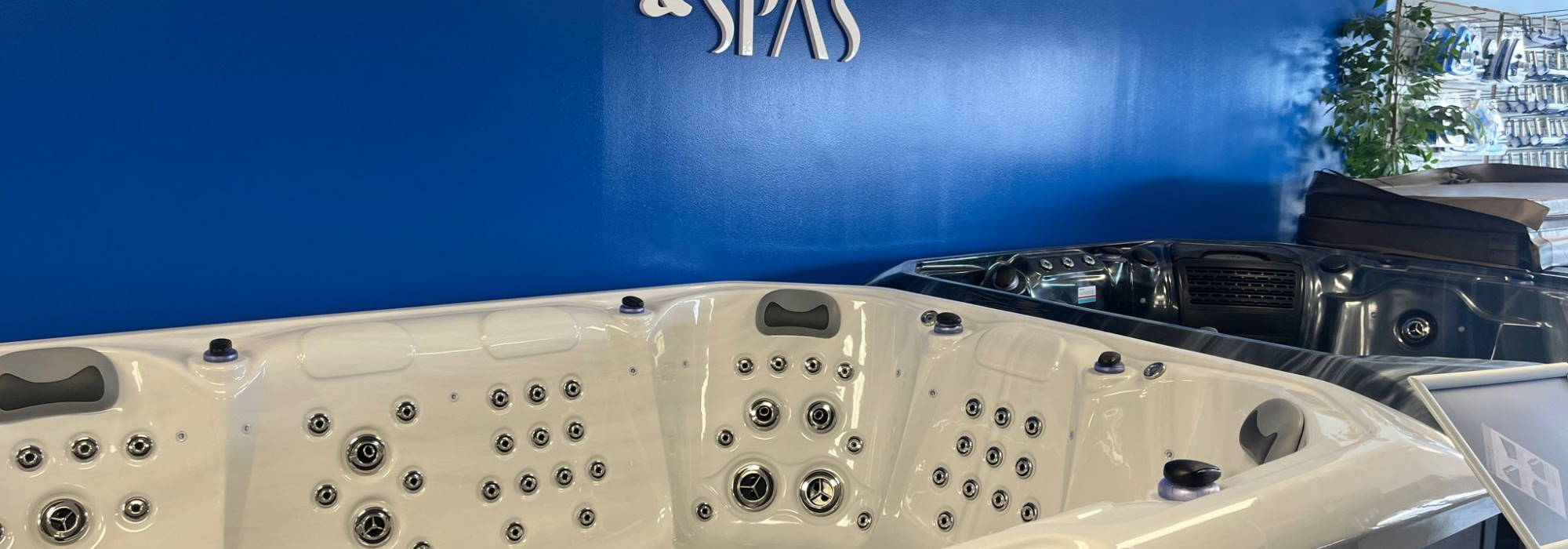
When you visit showrooms, sit in dry tubs longer than you think you should. Picture where your arms will rest when you are not actively being pummeled by jets. Check that controls are reachable without contortion. Ask to see under the skirt. Neat plumbing, tidy wiring, and insulated pump bays signal good manufacturing discipline.
Placement that saves dollars and headaches
Hot tubs hate wind and love shelter. Tuck the spa near the leeward side of the house or a fence, while maintaining proper clearances for service access. A windbreak lowers heat loss more than most people expect. Build your path with winter boots in mind. You will not want to shovel a maze around snowbanks at minus twenty. Low-profile steps with ice-grip treads beat stylish wooden risers that collect snow.
Platform matters. A 3,000 pound load spread over a 7 by 7 foot footprint wants either a well-built deck with doubled joists and adequate post support, or a concrete pad, or packed gravel with paver stones. Level within a quarter inch keeps jets and waterline happy. If you plan for a cover lifter, leave 18 to 24 inches of clearance on the opening side, unless you choose a side-mount model.
Real numbers on operating cost
I’ve measured compact, well-insulated tubs in this region that average 6 to 10 kWh per day in winter with moderate use, less in shoulder seasons. At Manitoba Hydro rates, that puts you around a dollar or two a day. Big swings come from how often you open the lid, jet time, wind exposure, and whether your heater can run at full tilt while you soak. If you run 110V, add a buffer for heat recovery.
Water costs are small compared to electricity, but draining and refilling in February is not fun. Good water care lets you stretch to 3 or 4 months per change even with frequent use. That rhythm typically puts a late fall fill, a late winter top-up, and a spring refresh on the calendar.
Buying used in Winnipeg without inheriting someone else’s headache
There are gems on the used market. There are also tubs that survived three moves, a mouse condo, and a winter left empty. If you consider used, bring a flashlight and a nose. Open the cabinet. Smell for mildew or rodent musk. Check for brittle plumbing and chalky shell surfaces. Look at the control pack date codes. If possible, see it powered, heated, and running jets for at least 15 minutes. Watch for air locks, leaks at unions, and topside error codes. Factor a new cover into your math. Delivery and crane fees can erase a bargain. Local dealers sometimes take trade-ins and refurbish, which adds a bit to the price but comes with testing and warranty.
The only maintenance calendar you actually need
Here’s a concise rhythm that works for most 2–4 person Winnipeg tubs, assuming typical use of three to five sessions a week:
Twice weekly: quick test, adjust sanitizer, verify pH is in range, crack the cover after dosing for a few minutes if your system suggests it. Every two to four weeks: rinse filters, wipe the waterline, check cover for early signs of water absorption or seam wear. Every one to two months: deeper filter clean with spray or soak, inspect jet faces and diverters, check union fittings for weeping. Every three to four months: water change. In winter, pick a mild day. Use a submersible pump, have the hose already laid out, and pre-warm your refill line indoors if possible to speed recovery.
Keep a small bin of consumables near the tub: test strips or a reliable meter, sanitizer, pH adjusters, a non-foaming oxidizer, filter cleaner, and silicone lubricant for o‑rings.
A simple pre-purchase field checklist
Use this on the showroom floor so you do not get hypnotized by waterfall lights.

Sit test: every seat, with eyes closed for posture feel. Check lounger float. Controls: reachability from each seat, glove-friendly in winter, clear display. Insulation and cabinet: open a panel, verify foam quality, pump bay insulation, tidy wiring. Cover and lifter: weight, taper, seal, hardware quality, required clearance at your site. Power: confirm 240V capability, breaker size, GFCI location, and whether your panel can handle it.
That list fits in a coat pocket. Helpful hints It has saved more than one buyer from realizing too late that the diverter valve is placed right where a shoulder needs to rest.
What showroom conversations should sound like
A good dealer will ask about your yard orientation, wind patterns, gate width, and electrical panel. They will not push you toward a five-pump beast if you say you are two people who want quiet evening soaks. They will volunteer delivery plans that sound like they have actually walked your property: “We’ll need to lift over your back fence because of the retaining wall, we’ll coordinate with a telehandler, and we’ll protect the lawn with mats.” They will have parts on shelves, not brochures of parts in other provinces. They will talk you out of the wrong tub, even if it costs more.
If you wander in after searching Hot tubs store near me, do not be shy about asking for winter owner references. Happy owners will tell you how their tub actually behaves at minus thirty, not just how it looked under showroom LEDs.
The short path to the right 2–4 person spa
Think of this as matchmaking, not speed dating. Focus on:
Fit: the seats you will use most, especially one go-to therapy seat that hits your problem spots. Heat: 240V capacity, full-foam insulation, and a real winter cover. Ease: straightforward water care that fits your patience, not your aspirations. Support: a Winnipeg dealer who can service in deep winter and stocks parts.
Everything else is garnish. Bluetooth speakers, LED light shows, cascading mystery falls, they are fun, but they will not keep your water at 40 when the north wind howls.
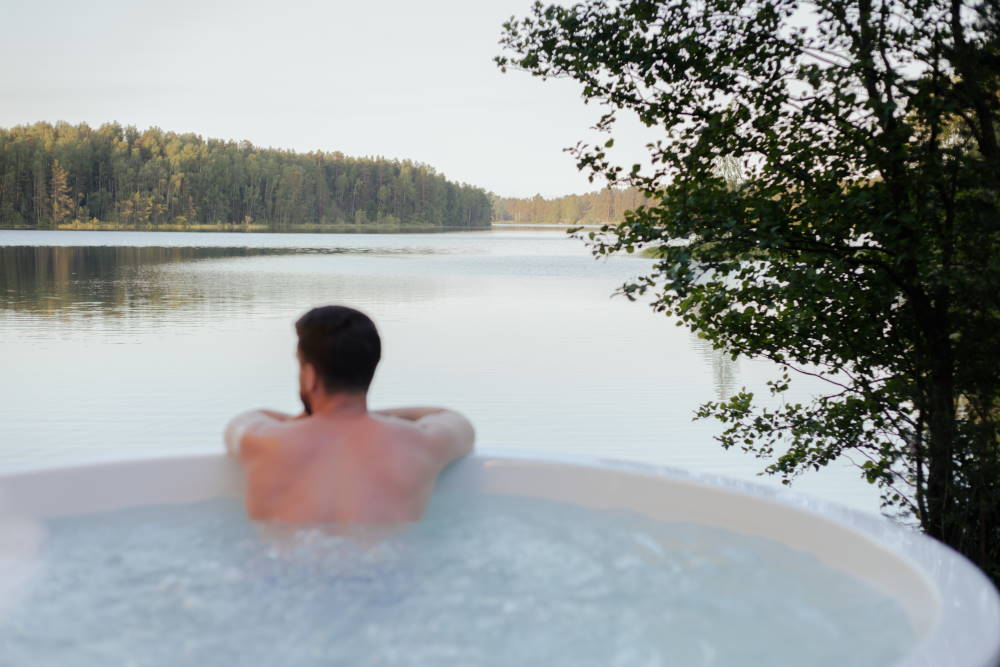
The right compact spa will feel like it was built for your body and your backyard. You’ll step out on a January night, steam swirling up into a starlit sky, and grin at the idea that the cold is now something you get to watch from inside a hot pool. That is the Winnipeg advantage: our winters make hot water feel like a victory.
A few models and features worth test‑sitting
You do not need me to name exact SKUs for this to be useful, since availability changes and dealers rotate lines. Instead, ask for these configurations when you visit Winnipeg Hot Tubs dealers:
A 76 inch square, three-seat with one lounger, full-foam, 30 jets, single 2‑speed pump plus dedicated circulation, 5 kW heater on 240V, ozone-ready, with a 5 to 3 cover. If the lounger locks your legs and the captain’s chair hits your mid-back, you are close. A compact round with bench seating, full-foam, 20 to 24 jets, deep footwell, and a thick cover. Round tubs are quietly efficient and social. They are also friendly to small decks. A small rectangle designed for a corner fit, two deep therapy seats with a diverter that sends all flow to one side. If you and your partner like different intensities, this setup makes peace.
Ask to see the control packs and heaters. Trusted names like Balboa and Gecko are common and serviceable here. You want components a local tech can diagnose without swearing at unfamiliar schematics.
Delivery day in Winnipeg: what goes right
Clear the path of ice and snow, even if the crew says they can handle it. They can, but your siding and their fingers will thank you. Lay plywood if crossing soft ground. Confirm the equipment side faces the accessible service area. Fill with a hose through the filter well to purge air better. On 240V, expect heat-up from cold tap to 38 to 40 Celsius in roughly 8 to 14 hours depending on ambient temperature and heater size. On 110V, plan for a day or more. Start your sanitizer gently and balance after the water reaches soaking temperature, not before. Cold chemistry can mislead test results.
Living with it, and loving it
The first winter is when habits set. Keep a robe and sandals right by the door, not across the room. Stage a bucket with a lid for tools and test gear near the tub, safe from snow. Put a small, battery-powered lantern or motion light on the path for nights when you do not want to blind the neighbors. If you get a cold snap below minus thirty with wind, nudge the setpoint up a degree, keep the cover locked, and shorten soaks a bit. The heater will thank you. If you travel, set economy mode and do not drain unless a dealer tells you to. A running spa is safer than a drained one that might catch a hidden puddle that freezes.
When friends ask, and they will, what you like most about a small spa, you will probably say the same thing everyone does: it becomes a reason to step outside. In a city where winter can swallow whole weeks, the ritual of warm water and cold air is its own therapy. That, and shoulders that no longer complain about February.
If you’re ready to go, start with three or four local showrooms, especially those that have a reputation for service through winter. Search for Hot tubs for sale to see current inventory, then walk in ready to sit, ask impolite questions about insulation and heater wattage, and request a look under the cabinet. Winnipeg rewards that kind of practical curiosity. So do your joints.