Why You Must Seal Attic Air Leaks Fast
Why You Must Seal Attic Air Leaks Fast
Energy is slipping through your attic right now
In Los Angeles homes, the attic is the main highway for lost heating and cooling. The ceiling below the attic is full of tiny openings from construction gaps, recessed lights, plumbing and electrical penetrations, and the attic access itself. Those gaps let conditioned air escape and pull in dusty, hot, or cold attic air. In the San Fernando Valley where summer attic temperatures often top 130 degrees, every opening acts like a small exhaust vent that forces the HVAC system to run longer. Sealing those air leaks is the single fastest way to cut waste and stabilize indoor comfort before adding or upgrading insulation.
Attic air sealing means closing all unplanned holes in the attic floor and roof plane with durable materials that stop air movement. It is not the same thing as adding insulation. Insulation slows heat flow. Air sealing stops the movement of air that carries heat, moisture, dust, and odors. The two work together. In older Valley housing, air sealing first often delivers an immediate and noticeable difference in comfort and bills.
Why Los Angeles homes leak so much air through the attic
Most single-family homes in the Valley from Northridge, Reseda, and Canoga Park to Sherman Oaks and Studio City were built between 1950 and 1985. Builders focused on fast construction, not air tightness. Top plates were never sealed. Can lights were not air-rated. Plumbing and electrical chases ran open from wall cavities right into the attic. Later remodels added more holes. Over decades, insulation was moved, compressed, and contaminated. The result is a leaky ceiling that connects indoor rooms to the harsh conditions of the attic.
Stack effect makes this worse. Warm air rises. In winter, heated indoor air pushes up through those attic openings and out of the roof vents. In summer, the super-heated attic pushes air down through the same openings and loads the living space with heat and dust. HVAC ducts in the attic then pick up this heat and have to fight it. If ducts also leak, the losses stack up quickly.
Local field experience shows a stark pattern. In San Fernando Valley ranch homes from the 1950s to 1970s with unsealed attic floors and original can lights, air infiltration rates commonly measure two to three times higher than in homes with sealed envelopes. That translates into 15 to 30 percent higher heating and cooling runtime on typical LADWP usage profiles. Sealing leaks closes the biggest energy hole in the building shell without changing the character of the home.
What qualifies as an attic air leak
Any pathway that lets air move between the attic and the conditioned rooms below is a leak. The most common points appear repeatedly across Chatsworth, Encino, Woodland Hills, Tarzana, Granada Hills, and Sherman Oaks due to shared framing practices of the era. Air sealing targets these locations with materials that adhere to wood, drywall, and masonry and that remain stable under attic heat.
Frequent leak locations in Valley attics
Recessed lights and ceiling fixtures not rated IC/AT, including old can lights with slotted housings Top plates of interior walls where drywall meets framing with visible gaps Plumbing stacks, bath fan housings, and chases that open into the attic Electrical penetrations for junction boxes, conduit, and cable bundles Attic access hatches and pull-down stairs with poor weatherstripping and no insulation
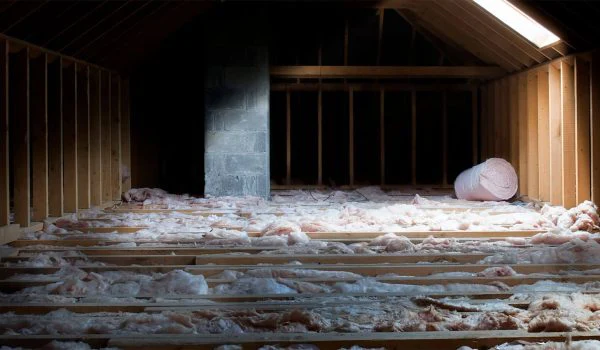
Less obvious leaks hide under old insulation. Knee wall cavities behind second-floor rooms often open into the attic. Open soffits above kitchen cabinets can be direct chimneys into the attic. HVAC platforms and furnace closets in attics frequently have unsealed openings around ducts, returns, and linesets. Those gaps let cold air spill out in summer and warm air escape in winter. A professional crew locates and seals them before they disappear again beneath new insulation.
The Los Angeles code context and why it matters
California Title 24 Part 6 sets building energy standards. Most of Los Angeles and the San Fernando Valley falls under Climate Zone 9, with coastal areas in Zone 8 and some foothill edges in Zone 10. For retrofits and alterations, Title 24 directs projects to reach an attic insulation level around R-30 minimum while R-38 is the standard target for new construction or major retrofits in these zones. A high-performance target of R-49 tightens envelope performance even more.
Here is the catch. Blowing R-38 over a leaky attic floor leaves many of the energy savings off the table. Unsealed can lights and top plates still allow air to travel through and around the insulation. The correct sequence is air sealing first, insulation upgrade second. Title 24 documentation for permitted projects recognizes this order of operations. A compliant project will show sealed penetrations and improved R-value, not just deeper insulation. Local inspectors across Los Angeles and LA County understand that an airtight attic floor prevents indoor moisture and contaminants from reaching the attic where they can condense on cold surfaces or load the attic air with humidity.
How attic air leaks drive indoor air quality problems
Unsealed attics move more than heat. They move dust, fiberglass fragments, rodent dander, and attic odors into the living space. Many Valley homes have a best attic insulation Chatsworth history of roof rat activity. Even after successful exclusion and cleaning, small residual dust pockets remain in rafter bays if the attic was never properly sealed. During strong Santa Ana winds, negative pressure in the home can pull that dust through unsealed ceiling openings and spread it across bedrooms and hallways.
Homes with allergy or asthma concerns see more symptoms when the attic communicates freely with indoor air. Air sealing reduces this pathway. It also helps control humidity migration from bathrooms and kitchens. When bath fan housings and duct penetrations are sealed to the drywall and air is vented to the exterior, moisture is less likely to drift into the attic, settle into insulation, and support mold on roof sheathing. In older homes where an attic once served as a pathway for tenant-installed cable or speaker wires, abandoned penetrations often remain. Sealing them protects indoor air and supports a cleaner HVAC return path.
Why speed matters in the San Fernando Valley climate
Sealing attic air leaks fast prevents months or years of avoidable HVAC strain. During peak summer along the 101 corridor from Woodland Hills 91364 to Sherman Oaks 91423, afternoon attic temperatures often exceed 140 degrees. If the attic hatch leaks or can lights vent into the attic, that heat presses down into living spaces and stresses every duct run. A modest 10 percent increase in runtime across July, August, and September can erase a big share of any energy savings from high-efficiency equipment upgrades.
Winter brings a different load. In Granada Hills and Porter Ranch near the 118, overnight lows dip into the 40s. Warm indoor air rises into the attic through unsealed top plates and fixtures. That air leaves through roof vents and ridge vents. Cold outside air replaces it through door and window gaps on the lower level. This cycle is the stack effect. It dries out indoor air, chills bedrooms, and leads to larger temperature swings room to room. Air sealing interrupts this cycle and improves the performance of existing insulation, even before an R-value upgrade.
What professional-grade air sealing looks like
Experienced crews approach attic air sealing methodically. They protect living areas, establish safe attic access, and expose the attic floor where needed. They mark every leak location with flags or paint and seal them with the correct material for the substrate. Materials vary by hole size and surrounding material. Air sealing caulk seals small gaps between drywall and framing. One-part spray foam fills medium penetrations and the rim around bath fans and junction boxes. For larger chases, rigid blocking made from drywall, OSB, or foam board is cut to fit and then air sealed at the edges to the framing. Weatherstripping and an insulated cover or rigid foam box air-seal attic access hatches and pull-down ladders.
Recessed lights receive special attention. Old-style cans that are not IC-rated or air-tight cannot be buried directly under insulation. They need either replacement with IC/AT fixtures or a UL-rated sealed cover that creates the necessary clearance and air barrier. Many Valley remodels still have a mix of can types scattered through hallways and living rooms. Addressing each one is critical before adding blown-in insulation.
Bath fans and kitchen exhausts often terminate in the attic in older homes. A complete air sealing scope routes these ducts to exterior roof or wall caps and then seals the connections with mastic and foil tape. This prevents moisture and cooking odors from loading the attic air. Sealing around the duct penetration at the drywall below stops air movement from the room into the attic.
Insulation and air sealing belong together
Once the attic floor is tight, insulation can do its job. In Los Angeles, practical targets are R-30 to R-38 for most retrofits and R-49 for high-performance projects, especially in the hotter northern Valley neighborhoods. Blown-in cellulose and blown-in fiberglass are the typical choices because they fill irregular cavities and cover framing more completely than batts. Cellulose delivers around R-3.2 to R-3.8 per inch and creates a good blanket over sealed penetrations. Loose-fill fiberglass runs around R-2.2 to R-2.7 per inch and can be blown to target thickness with even coverage. Proper depth markers and even distribution prevent weak spots.
Some homes benefit from spray foam, especially in complex attics with many penetrations or in conditioned attic conversions. Open-cell spray foam runs about R-3.5 to R-3.8 per inch and excels at air sealing convoluted surfaces. Closed-cell spray foam delivers about R-6.0 to R-7.0 per inch and also adds structural rigidity and a vapor retarder. In the Valley, spray foam is often chosen selectively for hard-to-seal chases and knee walls while the main attic floor receives blown-in insulation. Homeowners searching for spray foam insulation Chatsworth will encounter a range of solutions, but the best outcomes start with a thorough air sealing plan regardless of the final insulation type.
For properties in 91311 where contamination or damaged material is present, insulation removal Chatsworth CA may precede any sealing. Removing old, compressed, or rodent-contaminated insulation opens the attic floor so crews can see and seal every penetration. After sealing, new insulation is installed to the correct R-value. This sequence produces measurable gains in both comfort and energy use.
The radiant barrier factor under Valley sun
In homes with strong south and west exposure, radiant barrier under the roof sheathing pairs well with air sealing and insulation upgrades. A reflective foil radiant barrier blocks radiant heat from entering the attic during peak sun. Field data in the Valley shows attic temperature reductions of 15 to 25 degrees after installation. That lower attic temperature reduces the temperature difference across the ceiling and ducts, which in turn cuts cooling run time by 10 to 25 percent in many LA homes during peak summer. Radiant barrier must be perforated for vapor permeability and installed with the reflective side facing down into the attic space. Combined with a sealed attic floor and R-38 insulation, it delivers strong performance without altering the exterior roof.
Ventilation works with sealing, not against it
The goal is to seal the attic from the house, not to seal the attic from the outdoors. Proper attic ventilation remains essential. Soffit vents feed cool outdoor air, and ridge or roof vents exhaust hot air. Air sealing inside the attic at the ceiling line does not reduce ventilation. It makes ventilation more effective because the air moving through vents is outdoor air, not conditioned air escaping from the home. During upgrades, soffit vent pathways often need clearing, and gable vents sometimes need new screens. In older properties in Encino 91316 or Studio City 91604, re-screening with galvanized steel mesh at gable vents also discourages rodents while preserving airflow.
Real costs, real returns in Los Angeles
Project budgets vary with home size, attic accessibility, insulation removal needs, and the number of penetrations to seal. In the Valley, air sealing paired with blown-in insulation commonly falls in the range of 1.50 to 4.00 dollars per square foot as part of a full upgrade scope. Homes that require attic cleaning Chatsworth or rodent decontamination and duct sealing will sit at the upper end. Title 24 compliant projects may qualify for rebates. LADWP and SoCalGas have historically offered incentives that offset several hundred to over one thousand dollars for insulation and air sealing when combined with other energy measures. New federal tax credits under Section 25C also allow up to 1,200 dollars annually for insulation and air sealing through 2032, subject to caps and eligibility. Programs change, so current incentive checks are part of a proper estimate process.
Energy savings scale with the starting condition. A leaky, under-insulated 1960s ranch near Balboa Boulevard will often see 20 to 30 percent lower HVAC runtime after comprehensive air sealing and R-38 insulation. A more modern Porter Ranch home that already has R-30 and modest leakage may see smaller percentage savings but still gain better comfort and dust control. In both cases, sealing first preserves the value of every future energy upgrade, including high-efficiency heat pumps, smart thermostats, and duct replacements.
Shareable local insight on rodent intrusion and air sealing
Across San Fernando Valley homes built from 1950 to 1985 where original soffit and gable vent screens remain in place, roof rat intrusion correlates strongly with attic air leakage. Field surveys conducted during combined decontamination and insulation projects show that homes with open top plates and unsealed can lights are two to three times more likely to show active nesting near warm ceiling penetrations than homes with sealed attic floors and upgraded vent screens. This pattern matters for public health because rodent urine crystals and dried droppings become airborne when negative pressure events pull attic air into living spaces through leaks. The standard HEPA vacuum and sanitization protocol is only fully effective long term when paired with air sealing and modern vent screening so re-entry is discouraged and pressure-driven airflow stops pulling attic particulates downward.
Special situations in LA housing stock
Asbestos and vermiculite in pre-1980 homes require testing before any disturbance. If vermiculite is present, especially Zonolite-type product, crews follow a strict removal plan with containment, negative air, and regulated disposal. Air sealing waits until hazardous material removal is complete and the attic is safe to enter without respirators. Knob and tube wiring, rare but present in some older LA pockets, also changes the approach. These circuits cannot be buried under insulation until deactivated or modified by a licensed electrician. A seasoned attic team coordinates sequencing to keep the project compliant and safe.
Homes with ducts in the attic almost always benefit from duct sealing and insulation upgrades alongside attic air sealing. Mastic sealing at joints, UL 181 foil tape on seams, and R-8 duct insulation are standard in unconditioned attics. On projects near the 405 through Sepulveda Pass and the 134 toward Burbank and Glendale, return air pathways have often been altered by previous remodels. Air sealing the attic without addressing a starved return can create noise and uneven air delivery. A full attic-to-HVAC review avoids these pitfalls.
Attic hatches and pull-down stairs deserve their own plan
In many Valley homes, the largest single attic leak is the access itself. A simple plywood cover with no gasket leaves a gap around the perimeter. Warm air rises, hits the hatch, and escapes through that perimeter all winter. In summer, the hatch radiates heat like a space heater and leaks hot attic air during pressure changes. A rigid insulated cover or foam board box sealed to the framing, combined with silicone or EPDM weatherstripping, eliminates this loss. The cover must be durable and removable for service. Properly done, it seals evenly and survives repeated access during future maintenance.
Lighting updates that support air sealing
Non-IC and non-AT recessed fixtures are a chronic problem in older Valley ceilings. They leak air and overheat insulation placed too close. Replacing them with IC-rated, air-tight LED housings solves both issues. IC means insulation attic insulation chatsworth contact rated, so insulation can cover the fixture safely. Air-tight means the housing includes gaskets and sealed seams to prevent airflow. In tract homes near Ventura Boulevard where can lights were added in the early 2000s, the swap is straightforward and pairs well with ceiling repainting after patching trim rings. Where replacement is not practical, listed can covers sealed to the drywall provide a safe air barrier and clearance. The key is eliminating open seams around the fixture and bringing the ceiling plane back to continuity.
Air sealing and moisture management
Los Angeles has a dry climate but moisture still matters. Bath fans that vent to the attic raise humidity around sheathing and rafters during showers. This can condense overnight when outdoor temperatures drop in foothill zones like Sylmar and La Cañada Flintridge. Air sealing reduces moisture movement into the attic. Proper venting to the exterior and sealing at duct penetrations complete the fix. For homes near the coast or canyons where fog and marine layer creep inland, a perforated radiant barrier helps by cutting radiant gain while staying vapor permeable so the roof assembly can dry. Additional vapor barriers on the attic floor are rarely needed here and can trap humidity if installed improperly. The focus stays on air sealing and correct ventilation.
What homeowners notice right away after sealing
Rooms stay at a more even temperature from early afternoon through late evening. The HVAC fan cycles longer but less often, which reduces noise and hot or cold blasts from supply registers. Dust accumulation slows. Odors from the attic, especially in homes that previously had rodents, no longer drift into bedrooms. In two-story homes near Encino 91316 and Sherman Oaks 91423, upstairs bedrooms that once overheated after sunset track closer to the thermostat setting. In single-story ranch homes in Chatsworth 91311 and Woodland Hills 91364, living rooms feel less drafty, and the hallway near the attic hatch loses its heat plume.
Quality control that holds up in Valley heat
A good air sealing job holds up through August heat waves and January cold snaps. Materials matter. Air sealing caulk rated for 200 degrees service temperature resists attic heat without cracking. One-part spray foam designed for air sealing remains flexible and bonds to both wood and drywall. Rigid foam blocking edges must be sealed fully, not friction-fit. Around bath fans and can covers, continuous beads with no gaps prevent micro-leaks that add up across dozens of penetrations. After sealing, insulation depth must be uniform. Depth markers help confirm even coverage from eaves to center bays so performance is consistent and no cold spots remain over sealed areas.
Why DIY often misses the biggest leaks
Homeowners sometimes add cans of foam around visible holes and call it done. The problem is that many of the largest leaks are buried under old batts or behind partial drywall. Open soffits behind cabinets, framing shortcuts at knee walls, and unsealed returns hide well. Without temporarily pulling back insulation, these leaks remain. Old can lights are another trap. Foaming the trim ring does not stop leakage through a slotted housing. Only listed covers or replacement housings fix the problem. Finally, safety deserves attention. Working around old wiring, vermiculite, or damaged ducts without the right gear and protocols can create hazards. Professional-grade sealing produces reliable results because the whole attic floor is inspected in an organized pattern before insulation is restored.
Local logistics that speed projects in Greater LA
Valley projects benefit from quick access to the 118 and 405 for cross-Valley jobs and the 101 for Woodland Hills, Tarzana, and the Westside. This matters for same-day attic assessments and for coordinating multi-trade scopes when attic cleaning, air duct sealing, and insulation upgrades happen together. Homes near CSUN, Sherman Oaks Galleria, and along Ventura Boulevard often have limited parking or tight attic access. Crews accustomed to these neighborhoods plan staging and protection accordingly. Workday hours can be set to match family schedules, reducing disruption while still allowing proper ventilation and safe attic temperatures for crews.
Attic air sealing in special assemblies
Cathedral ceilings and flat roofs common in some Mid-Century pockets of Sherman Oaks and Studio City require a different approach. The air barrier must be at the roof deck or within the rafter cavity. In these assemblies, open-cell or closed-cell spray foam often provides both air sealing and insulation in one integrated layer applied to the underside of the roof sheathing. Perforated radiant barrier may not apply because the insulation aligns with the roof deck. Venting strategies change as well. Rafter vents may be added to preserve airflow from soffit to ridge where feasible. Each assembly needs a plan that respects existing moisture dynamics and Title 24 requirements while delivering a tighter envelope.
A word on sequencing with other attic services
Attic services work best in a set order. If rodent activity is present, decontamination and removal of contaminated insulation come first. That open attic floor then allows complete air sealing. Next comes duct sealing and repair, followed by insulation to R-38 or higher. Radiant barrier and ventilation upgrades round out the scope. This sequence reduces rework, avoids burying leaks, and produces clean documentation for Title 24 compliance and any rebate programs. Homeowners who plan attic insulation Chatsworth should confirm that air sealing is included in the scope and not treated as an optional add-on.
What success looks like on paper and on the meter
On paper, final reports show sealed penetrations, insulation depth, ventilation status, duct sealing if applicable, and Title 24 compliance notes for Climate Zone 9. If a HERS rater is part of the project, leakage metrics will show meaningful reduction. On the meter, summer kWh usage drops once weather normalizes. In a typical Sherman Oaks 91423 single-story with 1,850 square feet, a complete seal and R-38 install has reduced July through September consumption by 300 to 600 kWh compared to prior summers with similar weather. Winter gas usage also falls, often enough to notice on SoCalGas statements from December through February.
Local benchmark to share
In San Fernando Valley single-story ranch homes built 1955 to 1975 with original or first-replacement attic insulation and unsealed ceiling penetrations, field data across Encino, Reseda, Northridge, and Granada Hills indicates that sealing the attic floor and raising insulation from a measured R-11 to R-38 cuts combined heating and cooling runtime by about 25 percent on average. Adding a perforated radiant barrier under south- and west-facing roof planes reduces peak attic temperatures by 15 to 25 degrees. These changes deliver comfort gains that homeowners feel within the first week and that energy auditors can verify with usage normalization over a season.
Scheduling and documentation that fit LA projects
Valley and Greater LA projects often require coordination with other trades and family schedules. Efficient crews complete most single-family air sealing and insulation upgrades in one to two days, longer if insulation removal, duct repair, or radiant barrier are included. Permit needs vary by jurisdiction and scope. Title 24 documentation for permitted projects includes CF1R forms and may involve HERS verification for duct sealing or other measures. Support for LADWP and SoCalGas rebate paperwork speeds processing and helps homeowners capture available incentives. For properties in Pasadena 91101 and 91104 or Glendale 91206 and 91208, coordination with local building departments keeps timelines predictable.
Why prompt action is the smart move
Attic air leaks waste energy every hour the HVAC runs. In summer, they pull super-heated attic air into living spaces and load ducts. In winter, they let paid-for heat escape into the sky. They carry dust and pollutants into rooms and magnify comfort complaints. Sealing them is a fast, code-aligned, measurable fix that sets the stage for lasting insulation performance and better indoor air. With Valley temperatures climbing each summer and energy prices shifting, leaving the attic open is the easiest problem to solve and the hardest one to justify delaying.
Book a local attic air sealing and insulation assessment
Pure Eco Inc. Dispatches from 9740 Variel Ave, Chatsworth, CA 91311, covering the San Fernando Valley and Greater Los Angeles. Field crews operate Monday through Friday from 7:00 AM to 7:00 PM and Sunday from 8:00 AM to 6:00 PM. A free home assessment includes attic inspection, leak mapping, insulation R-value measurement, duct condition check, and a written scope for air sealing and insulation with Title 24 Part 6 alignment for Climate Zone 9. The team handles permit-ready documentation and supports LADWP and SoCalGas rebate submissions. As a California licensed and insured contractor with certified insulation installation credentials and a HEPA-filtered decontamination protocol when needed, the company integrates attic cleaning, insulation removal, air sealing, rodent proofing, and HVAC duct services so the project finishes complete, not piecemeal.
Homeowners in Chatsworth 91311, Woodland Hills 91364, Encino 91316, Sherman Oaks 91423, and Studio City 91604 can call +1-818-857-4830 or visit https://pureecoinc.com/ to schedule. Ask for a written estimate that includes attic air sealing before insulation, target R-38 or higher where feasible, and any radiant barrier or ventilation adjustments recommended for Valley sun exposure. Projects that also require attic cleaning Chatsworth, spray foam insulation Chatsworth, or insulation removal Chatsworth CA can be combined into one coordinated scope.
Pure Eco Inc.
Chatsworth Facility
📍
Office Location 9740 Variel Ave,
Chatsworth, CA 91311
📞
Local Consultation Line