Lower Your Chatsworth Energy Bills with Better Insulation
Lower Your Chatsworth Energy Bills with Better Insulation
Chatsworth summers push attic temperatures well past 130 degrees on sunlit roofs, especially along the CA 118 corridor and across west-facing slopes toward Porter Ranch. A hot attic turns air conditioning into a grind, forces long runtimes, and drives utility bills up across 91311 and surrounding Valley zip codes. In many older San Fernando Valley homes, the root cause is simple and fixable. The attic floor was never brought to today’s insulation standard, air leaks were never sealed, and the ductwork runs through an oven-like space. Upgrading attic insulation and sealing the attic floor change the math quickly. Bills drop, upstairs rooms feel even, and the AC cycles less, even during August heat on Ventura Boulevard or near Stoney Point Park.
This article frames what matters to a Chatsworth homeowner who wants results, not buzzwords. It connects Los Angeles housing stock reality to the energy code targets that actually save money. It covers which insulation options perform in San Fernando Valley heat, when to remove and replace contaminated or compressed material, and how a strong installation plan integrates air sealing, ventilation, and HVAC considerations. The focus is practical. The location is precise. The goal is to cut cooling and heating costs in real houses from Northridge and Granada Hills to Woodland Hills and Encino.
What drives high energy bills in a Chatsworth home
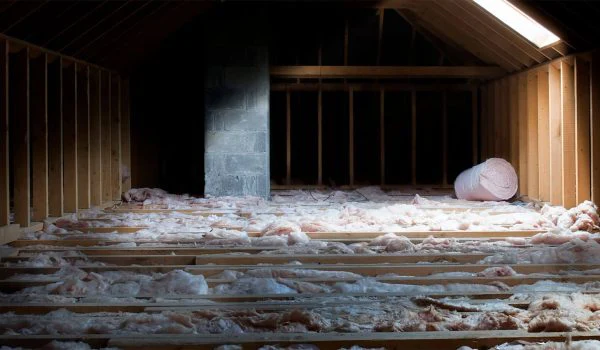
Most Valley homes built between 1950 and 1985 started with minimal attic insulation by today’s standards. R-11 to R-19 at original build was common. Decades later, loose-fill has settled, batts have compressed, and rodent activity has left gaps and cold spots. The result is an attic floor that often measures below R-19. Under California Title 24, Climate Zone 9, an alteration or retrofit should target at least R-30, with R-38 as the standard goal for solid performance. R-49 is a high-performance target when space and budget allow. If the attic floor sits at R-13 to R-19, cooling loss through the ceiling is unavoidable, and heaters work longer on winter mornings that dip into the 40s across 91311, 91324, and 91344.
The second driver is air leakage. Recessed lights, top plates, plumbing and electrical penetrations, and an unsealed attic hatch let conditioned air escape into the attic. Even new insulation laid over leaks cannot stop that flow. Air sealing before insulating is core building science for the Valley. It reduces hot air infiltration in summer and heat loss in winter. In practice, that is caulk or foam at gaps, sealed light housings when rated for contact, weatherstripped hatches, and foam board at large chases. The attic becomes quieter, less dusty, and more thermally stable.
Third is duct location and condition. Many San Fernando Valley homes have supply and return ducts in the attic. If ducts leak in a 140-degree space, the system loses cooling before it ever reaches rooms. Insulating the attic floor helps by reducing the attic’s average temperature swing. Sealing and insulating ducts to R-8, and replacing failing runs when needed, completes the performance picture.
R-value targets that actually work in the San Fernando Valley
Los Angeles spans several Title 24 climate zones, but most of the Valley floor, including Chatsworth, Northridge, Reseda, and Sherman Oaks, falls within Climate Zone 9. For attic retrofits in Zone 9, the practical range is:
R-30 minimum for basic retrofits in existing homes. R-38 standard target for well-performing upgrades. R-49 high-performance for homeowners who want stronger summer control or have larger ceiling areas and long duct runs above the ceiling plane. These values assume an unconditioned attic with insulation at the attic floor. If converting to a conditioned attic with spray foam at the roof deck, the assembly target is engineered differently, but the performance goal remains the same. The aim is a tight thermal boundary and a reduced delta between attic and living space.
A shareable data point for Los Angeles homeowners: In south- and west-facing San Fernando Valley roofs, radiant barrier installation under the roof sheathing typically drops peak attic temperature by 15 to 25 degrees. That is the difference between a 145-degree attic and a 120-degree attic on a July afternoon near Devonshire Street. That temperature drop translates to shorter AC runtimes and cooler upstairs hallways, even before a full insulation upgrade.
Material options and where they excel
The best insulation for a Chatsworth attic depends on access, existing conditions, rodent history, ventilation, and budget. All four common approaches can meet Title 24 targets when installed correctly. Their differences show up in air sealing potential, sound attenuation, moisture tolerance, and future serviceability.
Blown-in cellulose
Cellulose is recycled paper fiber treated with borate fire retardants. It lays as a dense, draft-stiff layer. It provides roughly R-3.2 to R-3.8 per inch. It excels at filling odd gaps around joists and wiring. In Valley homes with many recessed lights and uneven framing, cellulose creates a uniform thermal lid when combined with targeted air sealing. It adds notable sound dampening, which many homeowners near the 118 or Topanga Canyon Boulevard appreciate. It should be kept dry and clear of active roof leaks. In attics with past rodent activity, cellulose is often part of a full removal and replacement after sanitation and exclusion.
Blown-in fiberglass
Fiberglass loose-fill provides about R-2.2 to R-2.7 per inch. It is light, fast to install, and cost-effective in large open attics. It pairs well with prior air sealing. Many Northridge and Granada Hills ranch homes with accessible attics gain value from a clean-out, sealing, and a deep fiberglass blow to R-38 or R-49. Fiberglass resists moisture wicking better than cellulose, but like all attic insulation, it should not be installed against active roof leaks or chronic condensation points. Proper baffles at soffit vents prevent wind-wash that can erode R-value at the eaves.
Fiberglass or mineral wool batts
Batts give predictable R-value per cavity, such as R-30 on an attic floor when space allows. Batts work best in open bays with few obstructions. In many Valley attics, wires, braces, and junction boxes make batts more labor intensive. Still, batts can be the right call in small attics over bathrooms, in knee-wall areas, or when a homeowner wants serviceability for future electrical or low-voltage upgrades. Mineral wool batts add fire and sound resistance along busy streets like Reseda Boulevard or near Van Nuys Airport flight paths.
Spray foam insulation
Spray foam shifts the thermal boundary from the attic floor to the roof deck when used as a full assembly. It can also be used in focused air sealing at the attic floor. Two foam types matter:
Open-cell foam, around 0.5 lb density, at roughly R-3.5 to R-3.8 per inch. It air seals well and absorbs sound, but it is vapor permeable and needs careful roof leak planning. Closed-cell foam, around 2.0 lb density, at roughly R-6.0 to R-7.0 per inch. It air seals and adds structural rigidity, with strong moisture resistance. It is more expensive and requires experienced installers. For many single-story ranch homes in Chatsworth, a classic floor-insulation plan paired with thorough air sealing provides excellent return on cost. In custom homes in Studio City, Encino, and Woodland Hills with vaulted ceilings or complex rooflines, spray foam at the roof deck can stabilize comfort and shorten HVAC runtimes. Homeowners researching spray foam insulation Chatsworth should weigh the higher initial cost with the air sealing and mechanical benefits, especially when ducts must remain in the attic.
The part most homeowners never see: air sealing
Attic insulation without air sealing leaves money on the table. Air sealing is the practice of closing the holes and seams between living space and the attic before insulating. In San Fernando Valley housing, leaky recessed lights, unsealed top plates, and open utility chases are typical. A proper sequence uses fire-safe caulks, foam, and mechanical covers where rated. The attic hatch or pull-down ladder gets weatherstripping and an insulated cover. Even modest sealing can remove hundreds of square inches of cumulative leakage in a mid-century ranch. That is the difference between AC air staying in the house or drifting into the attic and out a gable vent toward the Sepulveda Pass breezes.
Ventilation details that keep insulation performing
Insulation performance stalls when the attic is stagnant and overheated. Healthy attics in Los Angeles rely on open intake at soffit vents and free exhaust at ridge or gable vents. In many older Valley homes, soffit vents have been painted shut or blocked with old batts. New insulation should never block soffits. Baffles maintain an air channel from eave to attic. Ridge venting works well on long, simple rooflines typical of Granada Hills and Mission Hills ranches. Gable venting can supplement ridge venting in complex roof sections in Studio City or Sherman Oaks. Attic fans and whole house fans can help when used carefully, but the first priority is passive ventilation that keeps insulation dry and effective all year.
Insulation removal in Chatsworth: when replacement is the right call
There are clear triggers for insulation removal Chatsworth CA projects. Rodent contamination is the first. Roof rats and mice frequent older eaves and gables across the Valley. Urine and droppings embed in insulation and framing, which releases odor and allergens and can expose residents to disease risk. Removal, HEPA vacuuming, sanitizing, and exclusion restore the space before new material is installed. The second trigger is water damage from past roof leaks. Wet insulation mats down, grows mold, and loses R-value. The third is outdated material that has slumped and no longer meets performance needs. Removal reveals the full attic floor, which allows thorough air sealing and duct inspection before installing a modern system to R-38 or higher.
For homeowners searching attic cleaning Chatsworth, the goal ties directly to energy performance. A clean, sealed, and decontaminated attic holds new insulation correctly. It prevents odors from migrating into living spaces along Ventura Boulevard apartments or single-family homes near Chatsworth Reservoir. It also keeps the AC coil and filter cleaner because dust and glass fiber are not pulled through can lights and other penetrations.
How insulation choices change HVAC performance
Air conditioning and heating systems do not work in isolation. They respond to the building shell. In the Valley, an attic at R-38 with sealed penetrations and good ventilation lowers average summer attic temperatures. That reduces supply air temperature rise through ducts. If ducts are sealed and insulated to R-8 and free of kinks or crushes, delivered air reaches rooms closer to design temperature. The system cycles off more often. Fans run quieter. Bedrooms near Topanga Canyon Boulevard that used to lag by three degrees often even out with the rest of the home. In winter, morning warm-up is faster, especially in foothill tracts in Porter Ranch and Sylmar, where overnight lows run cooler.
A contractor with both attic and HVAC competency can fine tune the sequence. For example, an attic with clean insulation at R-38 may still present comfort issues if the return grille is undersized in a Sherman Oaks split-level. A quick return air pathway evaluation often pairs with insulation work to avoid starved airflow and excessive static pressure. Conversely, if the attic is a contamination source, the HVAC filter loads early and blower wheels foul, which shortens system life. Upgrading the thermal boundary and addressing attic hygiene protect the mechanical investment.
Title 24 compliance, rebates, and documentation in Los Angeles
California Title 24 Part 6 sets the standard. In Climate Zone 9, bringing an attic floor to R-30 or higher in a retrofit aligns with prescriptive guidance, with R-38 as the standard performance target across most San Fernando Valley homes. A permit for major alterations can require documentation. For many straightforward insulation upgrades, homeowners benefit most from a contractor who can produce clear Scope of Work notes, product data sheets, and photos of air sealing and depth markers. This makes future resale, refinancing, or insurance claims simple.
Rebate programs change by season, but the pattern in Los Angeles has held steady. LADWP and SoCalGas have offered insulation incentives that can offset several hundred dollars to well over a thousand dollars on qualifying jobs. Homeowners frequently see combined savings in the $300 to $1,500 range depending on square footage and program terms at the time of installation. Federal incentives under the Inflation Reduction Act Section 25C can add a tax credit up to $1,200 annually for insulation and air sealing improvements, subject to federal rules. A contractor familiar with LADWP rebate documentation, SoCalGas forms, and Title 24 notes reduces friction and gets paperwork submitted correctly the first time.
Project budgets in 2026 LA context
Across Greater Los Angeles, including Chatsworth, Northridge, Encino, and Sherman Oaks, typical attic insulation installation costs run about $1.50 to $4.00 per square foot for standard materials, air sealing, and baffles, subject to access, pitch, and scope. Projects that require full insulation removal, HEPA vacuuming, sanitizing, and rodent proofing add time and disposal costs. Spray foam assemblies at the roof deck sit in a different price tier, driven by material and ventilation design. While price matters, it should not be the sole driver. A careful air sealing plan, correct soffit protection, consistent depth to R-38 or R-49, and clean documentation determine whether bills fall in August when the 101 and 405 heat shimmer is on the horizon.
Local patterns a Chatsworth homeowner should factor in
San Fernando Valley roofing stock includes many low-slope and medium-pitch asphalt shingle roofs. In older tracts west of De Soto Avenue and along Lassen Street, attic access is often tight. Blown-in materials solve depth consistency issues in these spaces. Many 1960s and 1970s homes near Northridge Fashion Center and CSUN have multiple downlights. Without rated covers or sealing, those lights act as thermal leaks. Wire penetrations and open chases behind bathrooms and fireplaces are common. An insulation plan that accounts for these conditions outperforms a simple overblow every time.
Rodent entry points in the Valley concentrate at eave returns, gable vents with aged screens, plumbing stacks, and roof-to-wall intersections. When rodent activity is present, the right sequence starts with exclusion materials such as 1/4-inch galvanized steel mesh and copper mesh at small penetrations, paired with mortar and rodent-grade foam at gaps. Only after entry points are closed should sanitizing and new insulation proceed. Skipping the exclusion work invites a repeat event, especially near tree-lined streets in Woodland Hills 91364 and Encino 91316 where roof rats run aerial routes along branches and utility lines.
How radiant barriers fit San Fernando Valley homes
Radiant barriers are reflective foil layers stapled under roof sheathing. They reduce radiant heat transfer into the attic. In south- and west-facing roof sections typical from Tarzana to Granada Hills, a radiant barrier lowers peak attic temperatures by 15 to 25 degrees. That reduction cuts AC load by 10 to 25 percent in many Valley homes, depending on shading and roof color. Radiant barriers pair best with proper intake and exhaust ventilation and do not replace insulation. They are a smart addition during re-roofing or in accessible attics with good framing clearance. They are also vapor permeable when perforated, which prevents moisture trapping in our dry-summer climate.
Deciding between a floor-insulated attic and a conditioned attic
Most Chatsworth homes perform best with a sealed and insulated attic floor. It is cost-effective, easy to maintain, and delivers strong savings. A conditioned attic, where spray foam lines the roof deck and the attic sits inside the thermal boundary, can make sense when ducts must remain above the ceiling and the roof geometry makes floor insulation spotty. Conditioned attics require ventilation strategy changes and, in some cases, code coordination. They shine in custom homes in Studio City 91604, Sherman Oaks 91423, or hillside Encino 91316 with complex roofs. For the majority of flat-ceiling Valley ranches, a high-quality floor insulation plan to R-38, with full air sealing and duct sealing, wins on cost and comfort.
Red flags that suggest it is time to act
Homeowners often sense the problem before they see it. A few symptoms recur in San Fernando Valley homes with underperforming attics:
Upstairs bedrooms run 3 to 5 degrees hotter than downstairs on summer afternoons. The AC runs long cycles after sunset, especially in west-facing homes near Valley Circle Boulevard and Ventura Boulevard. Dust accumulates quickly around recessed lights and ceiling registers. Seasonal rodent odors appear after warm days, or droppings are visible near the attic hatch. Energy bills spike from June through September without thermostat changes.
If any of these sound familiar, an attic inspection that measures existing R-value, checks ventilation, identifies air leaks, and reviews duct condition will show the path forward. The most valuable outcome is a unified scope of work instead of scattered fixes. That is the San Fernando Valley reality. Insulation, air sealing, ventilation, and ducts interact.
What a complete Chatsworth attic upgrade looks like in practice
A well-run project follows https://pub-635949dacb8145658aeb73e7ad99c83d.r2.dev/chatsworth/fiberglass-attic-insulation-chatsworth-2026-top-5.html a clear sequence. The attic is inspected for contamination, electrical safety, and access. If rodent or water damage is present, insulation removal and HEPA vacuum cleaning come first, along with sanitizing and deodorizing with products rated for enclosed spaces. Entry points are sealed with galvanized steel mesh, copper mesh, mortar, and rodent-grade foam. Air sealing follows, including top plates, utility holes, and the attic hatch. Baffles are installed at soffits to protect intake. Ductwork is sealed with mastic and foil tape, repaired or replaced where crushed or torn, and insulated to R-8 in unconditioned sections. Then new insulation is installed to the target depth, verified with depth markers. Radiant barrier is added where specified. The result is an attic that supports comfort and low bills year-round, not a band-aid.
Material selection under Los Angeles code and warranty expectations
Insulation products used across Los Angeles should carry NAIMA or similar certification and be installed to manufacturer specifications. That includes minimum settled depth for loose-fill and friction fit for batts without compressing around wires or junction boxes. Where open wiring methods such as knob-and-tube are discovered in older Los Angeles homes, insulation strategies change to maintain safe clearances or to follow an electrical upgrade first. Product warranties from manufacturers typically cover material performance. A workmanship warranty from the installer covers placement, air sealing quality, and post-job issues. Permit-compliant installation and, where applicable, HERS or Title 24 documentation provide a paper trail for future transactions.
Why Los Angeles homeowners share two specific facts about attics
Two claims tend to surprise first-time insulation upgraders in Los Angeles County and often get cited by neighborhood publications and energy blogs:
First, Title 24 Climate Zone 9, which covers most of the Valley floor including Chatsworth, Encino, and Sherman Oaks, treats R-30 as the retrofit floor, R-38 as the standard target for strong performance, and R-49 as the high-performance ceiling. Many mid-century homes still sit below R-19 in real measurement due to settling and compression. The jump to R-38 produces a meaningful drop in runtime hours for cooling systems during Valley heat waves.
Second, a professionally stapled reflective foil radiant barrier installed under the roof deck typically reduces peak summer attic temperature by 15 to 25 degrees on south- and west-facing roof planes in the San Fernando Valley. That temperature change aligns with measured 10 to 25 percent reductions in AC energy use for homes with ductwork in the attic, assuming ducts are sealed and insulated. These are local, testable outcomes, not generic national averages.
Integrating indoor air quality with insulation work
An attic upgrade can improve indoor air quality when dust and rodent allergens are removed and the attic floor is sealed. For homeowners with allergy symptoms in neighborhoods near the 405 or the 5, cleaner return air and reduced infiltration help. If ducts are cleaned with HEPA vacuum extraction and sanitized after insulation removal and decontamination, particles trapped over years are lifted out before they reach living spaces. A MERV 13 filter upgrade or a HEPA cabinet can complete the package when the HVAC system can support the added resistance. UV air purification can reduce microbial growth on coils in damp coastal microclimates, though the Valley is typically dry in summer.
Common pitfalls to avoid in Valley attics
There are mistakes that cost money down the line. Overblowing insulation without sealing soffits can block intake and trap heat. Laying batts across downlights without rated covers risks overheating fixtures. Skipping air sealing allows expensive conditioned air to pass right through a new blanket of insulation. Ignoring rodent entry points invites repeat contamination. Leaving crushed flex duct after a blow-in means rooms stay under-supplied even with perfect insulation depth. The fix is a methodical approach that treats the attic as a system tied to the HVAC and the living space below.
Where this matters most in the Valley
Chatsworth 91311 and Northridge 91324 share a mid-century ranch backbone with similar attic issues. Granada Hills 91344 and Porter Ranch 91326 add foothill exposure and wind that can amplify wind-wash at eaves. Woodland Hills 91364 often sees larger roof spans and west-facing load that reward radiant barriers. Encino 91316 and Sherman Oaks 91423 include older custom homes where recessed lighting and complex framing require careful air sealing and mixed-material strategies. Studio City 91604 includes hillside properties with vaulted sections that respond well to targeted spray foam at the roof deck. Across all, a consistent theme applies. A strong attic boundary and good duct stewardship produce bills that homeowners can predict across the Santa Ana hot spells and the cool winter mornings.
Planning a project timeline in Los Angeles traffic reality
Access off the 118, 101, 405, and 5 freeways allows reasonable scheduling across the Valley and into the LA Basin. Many insulation jobs complete within a day when the attic is clean, the framing open, and depth targets are standard. Projects with full insulation removal, attic cleaning, sanitizing, and rodent proofing often span two days, sometimes three for larger square footages or when duct replacement is paired. Sunday field coverage is helpful for working households, and early weekday starts limit disruption.
A short material comparison for fast decisions
Blown-in cellulose: strong air resistance, sound dampening, R-3.2 to R-3.8 per inch, loves air sealing partnership. Blown-in fiberglass: fast, clean, cost-effective, R-2.2 to R-2.7 per inch, needs baffles at soffits. Batts: predictable R per cavity, good in open bays and knee-walls, watch for wiring and boxes. Open-cell spray foam: great air seal at roof deck, sound reduction, vapor permeable, plan for roof leak detection. Closed-cell spray foam: high R per inch, moisture resistance, structure stiffening, higher cost, requires expert design.
What homeowners gain after a proper upgrade
Cooling cycles shorten by minutes per hour in peak heat. Rooms hold setpoints later into the afternoon. The upstairs hallway that always felt muggy stabilizes. Morning warm-up in winter becomes smoother, with fewer cold spots near exterior walls. The HVAC system runs quieter because the blower is not fighting high static pressure from leaky returns or flex bends. Filters stay cleaner longer. Dust rings around can lights disappear because air is no longer sucked through the fixtures. Bills ease back toward normal, even during LADWP peak-rate seasons.
Why a Chatsworth-based, attic-to-HVAC approach saves time
Los Angeles housing stock rarely presents a single-issue attic. A contractor who can evaluate rodent history, plan insulation removal when needed, seal the attic floor, verify ventilation, and handle duct sealing or replacement finishes work without handing off to multiple trades. That keeps schedules tight and scopes unified. It also means the same crew who measured R-value and inspected gable vents is the crew who sets depth markers, installs baffles, seals top plates, and documents final conditions for rebates and Title 24 files.
Local proof points that matter more than slogans
Neighbors in Chatsworth have watched August attic temperatures hit 140-plus on shingles facing Lassen Street. After a radiant barrier addition and a fresh R-38 blow over a sealed attic floor, upstairs temperatures hold closer to setpoint even as the sun angles west. A Sherman Oaks owner near the Galleria found that a sealed and insulated attic floor paired with return duct resizing solved a two-degree bedroom difference without upsizing the equipment. A Woodland Hills home above Ventura Boulevard with repeated rodent contamination finally stabilized after soffit re-screening with 1/4-inch galvanized hardware cloth, foam and mortar sealing at eaves, and a sanitized re-insulation.
Ready to drop bills and steady comfort in Chatsworth
Pured-up attics are quiet and invisible, but they run the comfort show. Los Angeles climate pressure makes the case for a tight, insulated ceiling plane, clean ducts, and straightforward ventilation. Title 24 targets are clear. Material choices are known. The difference lies in execution and local experience across the Valley housing archetypes that stretch from Reseda and Winnetka to Toluca Lake and Burbank.
Request an assessment and see the numbers
Pure Eco Inc. Operates from 9740 Variel Ave, Chatsworth, CA 91311, and serves the San Fernando Valley and Greater LA County. Field hours run Monday through Friday 7:00 AM to 7:00 PM, with Sunday 8:00 AM to 6:00 PM coverage to fit busy schedules. A free home assessment measures current attic R-value, identifies air leaks, checks soffit and ridge or gable ventilation, and reviews duct condition. The team prepares a detailed written estimate that aligns with Title 24 targets for Climate Zone 9, specifies material types such as blown-in cellulose, blown-in fiberglass, batt, or spray foam where appropriate, and outlines any insulation removal and attic cleaning steps if contamination is present. Documentation support for LADWP and SoCalGas rebates, as well as federal tax credit guidance, is included. Installation is performed by a California licensed and insured contractor with certified insulation installation experience, OSHA-compliant jobsite practices, and a workmanship warranty backed by manufacturer product warranties. Call +1-818-857-4830 or visit pureecoinc.com to schedule. Homeowners searching attic insulation Chatsworth, spray foam insulation Chatsworth, or insulation removal Chatsworth CA can expect a clear scope, local code alignment, and a result that lowers bills from Chatsworth 91311 to Sherman Oaks 91423 and Studio City 91604.
Pure Eco Inc.
Chatsworth Facility
📍
Office Location 9740 Variel Ave,
Chatsworth, CA 91311
📞
Local Consultation Line