How to Prevent Rock Chips on Highways
Few sounds are as deflating as the sharp tick of a pebble striking your windshield at speed. It is minor in the moment, then you notice the star break blooming near the edge of your field of view, and you start doing math in your head. Can it be repaired? How soon will it spread? Will it mean a full windshield replacement, and if so, will your rain sensor and cameras need recalibration? Highway rock chips bring small headaches that can quickly become big expenses. The good news: with the right habits and a few well-chosen upgrades, you can dramatically reduce the odds.
I spend a lot of time around auto glass. Between fleet clients, long-distance commuters, and drivers of high-end vehicles with intricate driver-assistance calibrations, I have seen the patterns of how and why chips happen. Prevention is part driving technique, part route strategy, and part product selection. None of it is mystical, and most of it pays off within a single season.
Why rock chips happen more on highways than anywhere else
Chips are a physics problem. Tires pick up gravel, the vehicle’s aerodynamics lift and fling debris, and at highway speed the energy on impact is significant. Trucks are the main culprits, not out of carelessness but because of mass and geometry. Their tires are larger, their decks sit higher, and their wake creates turbulent air that keeps small stones suspended just long enough to meet your glass.
Construction corridors and freeze-thaw climates add to the mix. Road crews spread aggregate to stabilize surfaces and winter maintenance brings sand and grit. In spring, the shoulder carries a windrow of loose material that migrates back into the lane under traffic. If you drive daily on an interstate that runs through active construction or recent frost, you are simply swimming in more debris.
Two other details matter more than people think: your following distance and your lane position. Sit too close behind a vehicle with aggressive tread, and your windshield becomes the backstop. Hug the outer edge of the lane where the asphalt sheds stones from the shoulder, and you cross more projectiles. A small change in space and alignment makes outsized difference.
The road’s risk map, and how to read it
Highways are not equal. Some corridors shed debris more than others. The clues are there if you look:
Fresh chip seal: that matte, peppered look where small stones are locked into oil. Even when cured, it throws a few strays on hot afternoons and after heavy rains. Active milling or resurfacing: rough milled surfaces jostle tires and toss fragments. Pavement transitions create small lips that can dislodge aggregate. Gravel shoulders and unpaved median crossovers: every truck that drops a wheel off the pavement drags stones back into the lane. Steep grades used by heavy haulers: on climbs, trucks slow, spread out, and churn up debris; on descents, their wakes are stronger. Interchanges with short on-ramps: merging traffic tracks grit from the ramp nose into the right lane.
If your commute passes through any of those, adjust your tactics accordingly. The right lane on a weekday afternoon near a quarry entrance is a different risk profile than the passing lane at the same mile marker on a Sunday morning.
How driving style changes your odds
The most effective prevention does not cost anything, but it requires discipline. The habits below are based on what we see across thousands of repairs and replacements. They are not dramatic moves, just quiet adjustments that keep stones from meeting glass.
Keep distance, by a beat more than you think. At 70 mph, a following gap of three seconds is a safety standard. Add one more second when you are behind trucks, lifted vehicles with aggressive tread, or cars without mud flaps. That extra beat lets debris fall before you arrive. Read tires. Tires with wide grooves and chunky blocks tend to spit stones. Even standard all-season tires pick up pebbles after construction zones. If you see a vehicle with gravel stuck in its treads, treat it like a temporary hazard and give room. Track the wake. Turbulence from big rigs kicks stones “up and out.” If you must pass, do it cleanly. Lingering beside the rear wheels exposes you to the heaviest spray of grit. Choose your lane with intent. The center lane of a three-lane highway often has the least loose material. The right lane collects ramp debris; the left lane gradients can carry shoulder gravel onto the strip near the rumble edge. On two-lane roads, favor the inner third of your lane when safe. Ease off in construction zones. Five to seven miles per hour less can change impact energy enough that a piece of grit skips instead of striking. You also spend less time oscillating in the turbulent wakes that lift stones.
These are small choices that compound. Over a season, they can mean zero chips instead of three.
The role of vehicle setup: glass, coatings, and hardware that help
If you drive a high-mileage route, prevention is not only behavioral. The right equipment reduces both the frequency of chips and their severity.
Quality of the windshield matters more than you think
Not all auto glass is equal. Factory windshields and high-grade aftermarket glass vary in composition, acoustic layups, and protective interlayers. Premium windshields often include a stronger inner plastic layer that resists crack propagation when a chip occurs. If you face a windshield replacement, ask your installer about the glass brand, whether it meets or exceeds OEM specifications, and how it performs with your driver-assistance systems. The cheapest option can become the most expensive if the glass pits quickly or the camera calibration proves finicky.
On newer vehicles, the windshield is part of a calibrated ecosystem. Forward-facing cameras, rain sensors, and infrared or acoustic layers are tuned to the exact curvature and clarity of the glass. A quality windshield replacement includes a static or dynamic calibration of the ADAS system. This is not a luxury add-on. It is essential to restore proper lane keeping, adaptive cruise, and emergency braking. Choose an auto glass shop that treats calibration as standard, not a footnote.
Protective films and how they actually perform
Clear windshield protection film has matured. Think of it as a sacrificial skin. It is optically clear, UV stable, and designed to absorb the energy of small impacts. In practice, it reduces pitting, prevents many micro-chips, and turns some would-be stars into harmless surface marks. On high-speed routes with frequent debris, it is one of the best investments you can make.
The trade-offs: installation quality is critical, optical distortion must be minimal, and wiper alignment matters. The film adds a thin layer the wipers will sweep over many times, so cheap or worn wiper blades will scuff it. Replace blades, clean the windshield more often, and use a mild glass wash rather than abrasive cleaners. Expect to replace the film every 12 to 24 months depending on mileage and climate. On vehicles with head-up display, verify compatibility; quality films are designed to preserve HUD clarity, but poor installs can cause a faint halo.
Ceramic coatings and hydrophobics
A hydrophobic coating on the exterior of the windshield will not stop a rock, but it does a few things that help indirectly. Water and grime shed faster, so you run the wipers less. Less wiping means fewer micro-abrasions and a lower chance of catching tiny stones under the blade that can gouge the surface. Clarity improves in rain, which helps you read traffic and adjust your spacing sooner. Choose a coating designed specifically for glass. Many paint ceramics are not ideal for windshields, and some can cause wiper chatter if applied too thick.
Mud flaps and the vehicles around you
You cannot control other drivers, but you can influence the microclimate near your own car. If you drive on gravel shoulders or through job sites, fitted mud flaps reduce the stones your tires throw into the air that can boomerang back toward the rear glass or the trailing car’s windshield. They also keep your own paint and rocker panels cleaner, which keeps the airflow smoother and reduces the random lift of grit around the front of the vehicle.
Tire choice and maintenance
Aggressive treads pick up rocks. If you need all-terrain tires for your use case, accept the trade-off and adjust your following distance. If you do not, a quieter highway tread with narrower voids will shed less debris. Maintain proper tire pressure, since underinflated tires flex more, grab more grit, and fling it under load.
The quiet art of route timing
Many chips happen in the first few days after road work or immediately after a storm. Crews sweep, but it takes traffic to seat the aggregate and clear the residual stones. If your schedule allows, shift by thirty minutes for a week after a chip-seal treatment appears on your commute. Early morning before heavy trucks turn the shoulders into gravel conveyors is usually calmer. Right after evening storms, give the road an hour to drain and for street sweepers to work the main stretches.
Navigation apps show congestion, not debris. Your experience fills that gap. Note where your windshield accumulated new pits last season. Often it is the same short segment near an interchange or a bridge expansion joint. Adjust your lane or your speed for that quarter mile. This is the kind of micro-optimization drivers of long routes use instinctively.
What to do in the moment when debris is likely
There are two moments when drivers make an avoidable mistake: following a dump truck with an open gate, and passing a semi as it straddles a milled lane. The instinct is to dart left and accelerate hard to clear the hazard. That burst of speed often raises chip risk, because the turbulence spikes and any stone that lifts will hit harder. The safer approach: ease off slightly to increase the gap, read the surface for loose aggregate, and plan a smooth pass. If the truck is shedding visible debris, do not follow. Drop back and find another window, even if it adds a minute.
Another common moment is a convoy. Three or four cars stack behind a truck at 68 mph. Each sits in the low-pressure wake of the vehicle ahead. The convoy becomes a debris amplifier. Either pass decisively and clear the group, or slide back and give it space. The middle is the worst place to stay.
When chips still happen: the repair window you should not miss
No prevention is perfect. All it takes is one pea-sized stone at the wrong angle. If you do get a chip, the clock starts. Temperature swings, potholes, and car washes push resin lines outward. Most chips under a quarter in diameter, and cracks under roughly three inches, can be repaired with resin injection. The repair is not cosmetic perfection, but it restores structural integrity and stops spread. The best success rates are in the first two to five days.
Modern windshields include sensors and heaters. A small chip in front of a camera or near the edge where heating elements run is higher risk, because thermal cycling stresses that area. In those cases, repair quickly or plan for windshield replacement with proper recalibration.
A detail many drivers miss: insurers often waive the deductible for a chip repair if you address it early. Ask your carrier. Waiting until the line runs across your field of vision is the expensive path.
Choosing an auto glass shop that understands prevention
A good auto glass professional does more than replace glass. They help you prevent the next break. When you interview shops, listen for how they talk about fit, ADAS, and protective options. Ask which brands of glass they use and why. Ask about their calibration equipment and whether it is in-house or subcontracted. Look for a shop that offers windshield protection film or can recommend a partner, since their installation quality affects your outcome. A shop that works frequently on high-end vehicles tends to develop a feel for nuanced fit and the small adjustments that prevent wind noise and water intrusion, both of which affect how debris flows over the glass.
If you drive a vehicle with heated wiper park areas, acoustic interlayers, or advanced HUD, specify those features. The wrong glass can fit and still be wrong. An experienced installer will also check that your cowl trim seals, side moldings, and rain channels are intact, because loose trim changes airflow and can pull more grit up the face of the windshield.
Wipers, washers, and the quiet maintenance that pays dividends
A chipped windshield is not always about rocks. Worn wiper blades trap grit and drag it over the glass, carving micro-scratches that catch light and distract your eyes. Those scratches do not cause cracks, but they wear the surface and make it more vulnerable. Replace blades at least every six months, more often if you drive through dust or salt. Use a good washer fluid with a surfactant that lifts dirt, and clean the blade edges with a soft cloth when you fuel up. A dab of isopropyl alcohol on the cloth will remove road film. Never run wipers on a dry, dirty windshield.
If you use a hydrophobic coating, follow the maintenance schedule from its manufacturer. Over-application is worse than none at all. The wrong layer thickness makes wipers chatter, which introduces stick-slip loads that your windshield and your wiper motor do not appreciate.
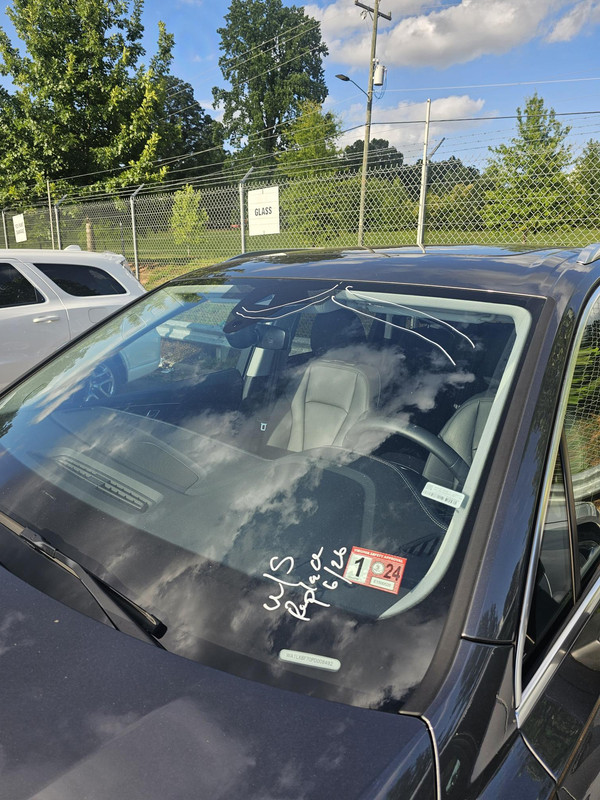
Seasonal strategies: winter, spring, and summer
Each season brings its own risks. In winter, road sand is relentless. Try to avoid the rooster tails of vehicles that just exited a ramp covered in granular salt. The right lane near merge points will be dirtier. Spacing pays more in winter than any other time, not just for safety but for your glass.
Spring is the season of thaw. Potholes form, construction starts, and shoulders are soft. Trucks drop wheels off the edge and kick stones back into the lane. Slow down in construction zones more than you think necessary, even if the lane looks clean. The milling and sweeping schedule changes day to day; debris rises and falls with it.
Summer bakes materials into the asphalt. Afternoon heat makes tar soft and sticky, which pulls small stones loose under high traffic. The film of oil and dust that coats the glass is also thicker. Clean more often. A clean windshield is less likely to be scored by the first small stone that rides under a blade, and better clarity helps you notice debris and adjust.
Windshields on luxury and performance vehicles: special considerations
Owners of vehicles with panoramic glass, infrared filtering, acoustic laminates, and complex driver-assistance suites should think of the windshield as a structural and electronic component, not just a piece of glass. Prevention matters more because replacement is more involved. A calibrated windshield replacement on a late-model European sedan, for example, can require two to four hours of calibration time and a test drive along a Charleston windshield replacement specific pattern to validate camera alignment. If you have night vision, rain-sensing wipers, or lane centering, make sure your auto glass replacement partner documents pre-scan and post-scan results.
Protective film is especially worthwhile on these vehicles. The optical clarity of current high-end films pairs well with HUD and acoustic glass when installed properly. Ask for a demonstration vehicle if the shop has one, so you can evaluate distortion, especially at night under oncoming lights. A quality installation should disappear from the driver’s seat.
Myth busting: truths about chips and cracks
A few persistent myths get drivers in trouble.
Warm water on a cold chipped windshield is harmless. It is not. Thermal shock can extend a small star into a crack within seconds. Let the glass warm gradually through the defroster. Highway speed alone causes chips. Speed increases impact energy, but debris density and turbulence are the bigger multipliers. A clean road at 75 mph is safer than a gritty construction lane at 50. Any chip dooms the windshield. Many chips never spread if repaired promptly. Even a small bullseye near the edge can be stabilized. Do not decide based on appearance alone; let a technician assess depth and location. All glass is the same. It is not. The lamination quality, optical accuracy, and peripheral fit vary. These differences change how chips start and cracks propagate.
Understanding these points helps you choose action instead of resignation.
When replacement becomes the smart choice
Sometimes prevention and repair are not enough. If a crack reaches the perimeter, intersects with another break, or enters the swept area in front of the driver beyond a certain width, replacement is safer and often required by inspection rules. If your windshield fogs at the edges or shows milky lines near a chip, moisture has found the laminate. Do not wait. That moisture complicates repair and can delaminate the layers over time.
Choose a shop that handles ADAS calibration in one visit. Confirm they use calibration targets or OEM-approved scan tools, not guesswork. Ask how they verify rain sensor adhesion and HUD alignment. Request the brand and part number of the glass, and inquire whether an OEM windshield is recommended for your vehicle. On some models, especially with complex camera stacks, OEM glass simplifies calibration and ensures color accuracy for HUD.
Finally, ask about post-install care. Most urethane adhesives reach safe drive-away strength within an hour or two, but full cure times vary with humidity and temperature. Avoid slamming doors for the first day. Allow trim clips and cowl seals to settle undisturbed. If you plan to apply protection film, wait until the adhesive is fully cured, typically several days.
A practical, minimalist prevention kit
If you rack up highway miles, carry a small kit. It does not need to be elaborate. Keep a bottle of high-quality glass cleaner, a stack of microfiber towels, a small spray of isopropyl alcohol for wiper blades, and a compact flashlight. Clean the glass and blades at fuel stops, inspect for new chips, and schedule repair before the weekend passes and the line grows. If you use protection film, add the installer’s maintenance spray and a soft applicator to keep the surface slick and clean.
The long view: stacking the odds in your favor
Preventing rock chips is not about one magic product. It is about stacking ten small advantages.
First, create space. Second, read the road and the vehicles around you. Third, choose routes and lanes with fewer loose stones. Fourth, keep your glass clean and your wipers fresh. Fifth, invest in protection film if your mileage or routes justify it. Sixth, insist on quality when a windshield replacement is necessary, and make sure calibration is done right. Seventh, use hydrophobic coatings wisely. Eighth, consider tire tread and mud flaps for your own car. Ninth, observe the seasonal rhythms of debris. Tenth, act quickly when a chip appears.
None of those steps eliminate risk. Together, they meaningfully reduce it. Over tens of thousands of miles, that reduction is the difference between a clean windshield and a pitted one, between a handful of quick repairs and an untimely replacement. The luxury is not the car or the glass itself. It is the calm of a clear view, day after day, because you made a series of smart, quiet choices that kept the stones at bay.