Guide to the curious kitten short story for kids
What the story offers young readers
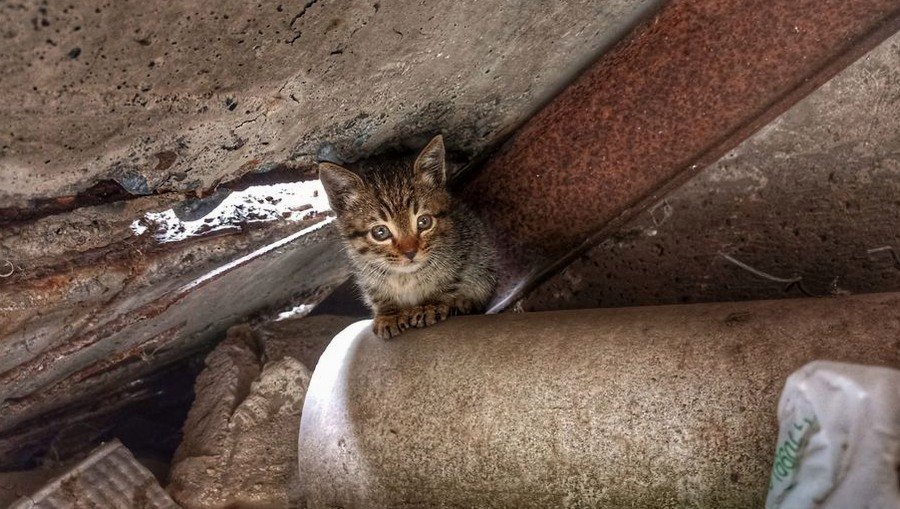
the curious kitten short story for kids follows a ginger kitten who leaves the attic, faces danger in the city, and eventually finds a caring home. The inner tale about a curious prince and two wizard cats adds a second adventure, while both stories connect curiosity with safety, guidance, and care.
For a publisher, bookseller, school, or reading-service supplier, the main task is to deliver an accurate, clean copy of this story. Supplier verification, warehouse inspection, stronger packaging, and careful batch consolidation reduce the risk of damaged or unsuitable books reaching children.
How to verify a supplier before ordering
Ask the supplier for a complete sample before accepting a batch. Compare the sample with the approved manuscript and check every central event: the mother cat searches for food, the kitten climbs onto the wet roof, the fall is stopped by an oak branch, and the kitten later hides in a car from a barking dog.
The internal fairy tale also needs checking. It includes a young prince who leaves the castle without permission, an evil raven-sorcerer, and wizard cats who hide the boy in the forest. The ending matters because the prince returns with the cats, apologizes to his parents, and accepts their guidance.
- Request the supplier’s company details, contact information, and proof that the offered edition matches the approved text.
- Order a physical proof rather than relying on a digital preview. Paper quality, trimming, print clarity, and binding cannot be judged reliably from a file.
- Ask how the supplier separates different titles or editions in storage. Similar covers can create picking errors when several children’s books are handled together.
- Confirm the planned quantity, delivery point, packing method, and procedure for replacing defective copies before payment.
Do not accept a batch solely because the cover looks attractive. Missing paragraphs, altered names, blurred illustrations, or an incomplete ending can change the reading experience and weaken the story’s safety message.
What to inspect in the warehouse
Warehouse inspection should begin with the outer cartons and continue to individual copies. Check for crushed corners, moisture marks, loose pages, torn covers, bent spines, and ink transferred between pages. A story involving a wet roof, a busy street, and a frightened kitten requires clear illustrations if images are included, because young readers may rely on visual cues to follow the action.
Open several copies from different cartons. One clean sample does not confirm the condition of the whole batch. Compare page order, title page, chapter or section breaks, and the final pages where the kitten receives a home with people and the mother cat learns that he is safe.
Keep rejected copies apart from accepted stock. Mixing them creates a second inspection problem and can lead to damaged books being shipped by mistake.
When packaging needs reinforcement
Paper books need protection from pressure, moisture, and movement during handling. Use a firm outer carton that fits the quantity closely enough to prevent books from sliding, while leaving room for corner protection where needed.
For smaller shipments, a rigid mailer can protect a single copy better than a soft envelope. For larger cartons, stack books flat or in a stable arrangement, add protective material around empty spaces, and seal the carton securely. Reinforcement becomes especially useful when the books have thin covers, delicate corners, or a glossy finish that can scratch.
Ask the supplier to mark cartons with the title and quantity. Clear identification reduces warehouse picking mistakes when copies of this story are stored beside other children’s books.
How to consolidate a batch safely
Batch consolidation works when copies share the same destination, edition, and acceptance status. Combine approved books only after inspection, then record the quantity placed in each carton. Keep damaged, uncertain, or replacement copies outside the consolidated batch.
If several orders are combined, separate them with clear internal labels. A school, retailer, or family order should remain traceable until dispatch. This makes it easier to identify which copies need replacement if a defect appears later.
Consolidation is unsuitable when different editions contain different wording or illustrations. It also creates avoidable confusion when cartons lack visible labels or when the supplier has not confirmed the final quantity.
Acceptance checklist
- The supplier has provided a physical proof and confirmed the approved edition.
- The full story is present, including the prince’s return and the kitten’s new home.
- Sample copies from several cartons have clean printing, secure binding, and undamaged pages.
- Rejected copies are separated from accepted stock.
- Packaging protects corners, pages, and covers from movement and moisture.
- Each consolidated carton shows the title and confirmed quantity.
- Every destination order remains identifiable until dispatch.