Understanding how lyuba found love moral story for kids
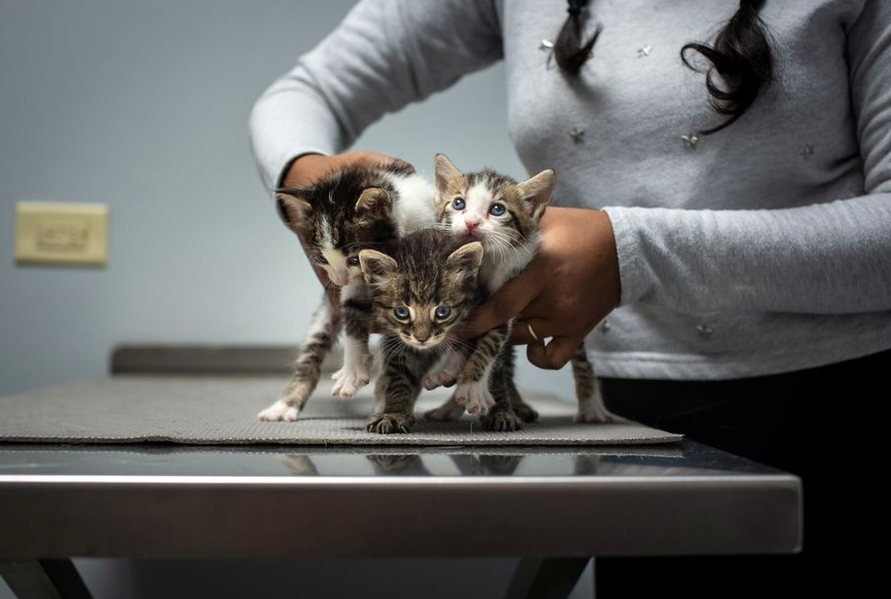
Lyuba finds love when she rescues a cold, frightened kitten and chooses to care for him. The story teaches children that love is more than liking sweets, toys, games, or pleasant feelings; it also means protection, kindness, responsibility, and daily care.
What happens in the story
Lyuba is a cheerful kindergarten girl who lives with her parents. Her full name is Lyubov, which means love, but she does not understand what the word means. Older boys tease her after she loses a baby tooth, twisting her name into hurtful nicknames and pulling her blonde braids.
Her mother tries to explain love through familiar experiences. Lyuba enjoys playing tag with Tanya, so her mother says that love can describe warm feelings toward friends and favorite activities. She also explains the love between parents and children, which differs from friendship or enjoyment.
Lyuba still wants to find love immediately. She searches in the kitchen and sees a box of chocolates. One candy turns out to be dark chocolate, so the pleasant feeling disappears. In her room, she finds an old teddy bear that once comforted her, but the toy no longer creates the same feeling.
Outside Tanya’s apartment, Lyuba hears a kitten crying near the entrance. The animal is cold, dirty, and trembling. Lyuba removes her warm scarf, wraps the kitten, and carries him home instead of continuing to visit her friend.
Her mother helps examine the kitten and agrees to keep him. Once the animal is warm and fed, Lyuba names him Lubik. She understands love through action: she notices another creature’s suffering, gives up something useful to herself, and accepts responsibility for his care.
How children can understand the moral
The moral becomes clearer when adults connect each event with a child’s own experience. Chocolate represents a short-lived pleasure. Toys can bring comfort at one age and lose their appeal later. Friendship creates happiness, but love also asks a person to respond when someone needs help.
Lyuba does not discover love by finding a special object. She recognizes it while helping the kitten. That distinction matters because young children often use «love» for anything they enjoy. The story gently separates liking, affection, friendship, family care, and compassion.
- Lyuba feels happiness when she plays tag with Tanya.
- She once felt attached to her teddy bear because it comforted her at bedtime.
- She cares for the kitten because he is helpless and needs warmth.
- Her parents love her through protection, guidance, and patient explanation.
The kitten also gives the story a concrete ending. Lyuba’s name no longer feels embarrassing because she connects it with a real act of kindness. The teasing loses some of its power, and the boys become interested in her new animal friend.
Choosing the best way to present the story
The right format depends on the children’s age, group size, and available time. For one child or a small group of up to four children, an adult reading aloud usually works best. The reader can pause after the chocolate, teddy bear, and kitten scenes, then ask what Lyuba felt each time.
For a kindergarten group of 10 to 15 children, a spoken reading with short questions carries the moral more clearly than a fast retelling. Children can identify which actions show enjoyment and which actions show care. A discussion works better after the kitten appears, because the central idea has become concrete.
Pictures or simple drawings suit children who need visual support. Show Lyuba with her parents, the chocolate box, the old teddy bear, and the wrapped kitten. Four images are enough to follow the plot without distracting from the moral.
The full story can also be shared through the page how lyuba found love moral story for kids. An adult may read it first and then retell only the scenes that match the child’s question or emotional maturity.
A practical time calculation
Suppose a teacher has 12 children and a 25-minute activity. Reading the story aloud may take about 8 minutes, depending on pace. A five-minute discussion about the chocolate, teddy bear, and kitten leaves 12 minutes for a drawing or role-play exercise.
If the group is divided into three teams of four children, each team can draw one stage of Lyuba’s search. The first team illustrates things she likes, the second shows her old attachment to the bear, and the third depicts her care for Lubik. With four minutes per presentation, the activity needs roughly 24 minutes in total: 8 minutes for reading, 4 minutes for drawing, and 12 minutes for presentations.
For a younger child, this schedule is too long. Use the kitten episode and one question: «How did Lyuba show love?» For older kindergarten children, add a comparison between liking something and caring for someone who depends on you.
Questions that support the lesson
Ask why Lyuba stopped searching in the kitchen and bedroom. Children can explain that the candy and teddy bear gave her pleasant memories, but neither needed her help.
Ask what she sacrificed for the kitten. The answer is her warm scarf and her original plan to visit Tanya. This detail shows that care sometimes requires a child to change plans and give time or comfort to another living creature.
Ask whether the boys’ teasing was acceptable. Children should hear clearly that pulling braids and mocking someone’s name are hurtful actions. Lyuba’s kindness toward the kitten does not excuse the boys’ behavior; the story simply shows that her confidence grows when she understands her name and her own feelings.