Preparing for an Insurance Inspection in Arizona
Buying a home, renewing a policy, or switching carriers often puts an insurance inspection on your calendar. In Arizona, the process has its own rhythm, shaped by desert climate, monsoon storms, stucco and tile construction, and the state’s mix of new subdivisions and mid‑century neighborhoods. I’ve walked properties in summer heat pushing 110, crawled into attics dusted with blown cellulose, and paced perimeters after a monsoon squall. The common thread is simple: insurers want to understand risk. The best prep anticipates that question and answers it with evidence.
This guide walks you through what inspectors look for, what actually matters in underwriting, and how to prepare without overdoing it. Arizona specifics drive much of the detail, because what matters in Flagstaff at 7,000 feet can differ from a stucco ranch in Mesa.
Why carriers inspect, and what that means for you
An inspection serves two functions. First, it verifies facts used for pricing: age of roof, square footage, presence of a pool, distance to brush or wash, and the condition of systems. Second, it identifies hazards, both obvious and subtle, that could lead to a claim. A cracked main panel with double‑tapped breakers, a tree limb rubbing a tile roof, a gate that doesn’t self‑latch around a pool, or failing caulk at stucco penetrations can move a risk from acceptable to conditional.
Carriers in Arizona often lean on exterior-only drive‑by inspections for newer tract homes with clean histories. Older homes, custom builds, short‑term rentals, and rural properties typically get a full exterior and interior review, sometimes with photos and measurements. When wildfire exposure or prior water losses are in play, expect closer scrutiny.
The outcome rarely reads like a pass or fail. More often, the inspector submits findings that trigger one of three results: no action, a conditional approval with required fixes, or a non‑renewal or declination if the property doesn’t meet guidelines. The more you document, the more you steer toward the first outcome.
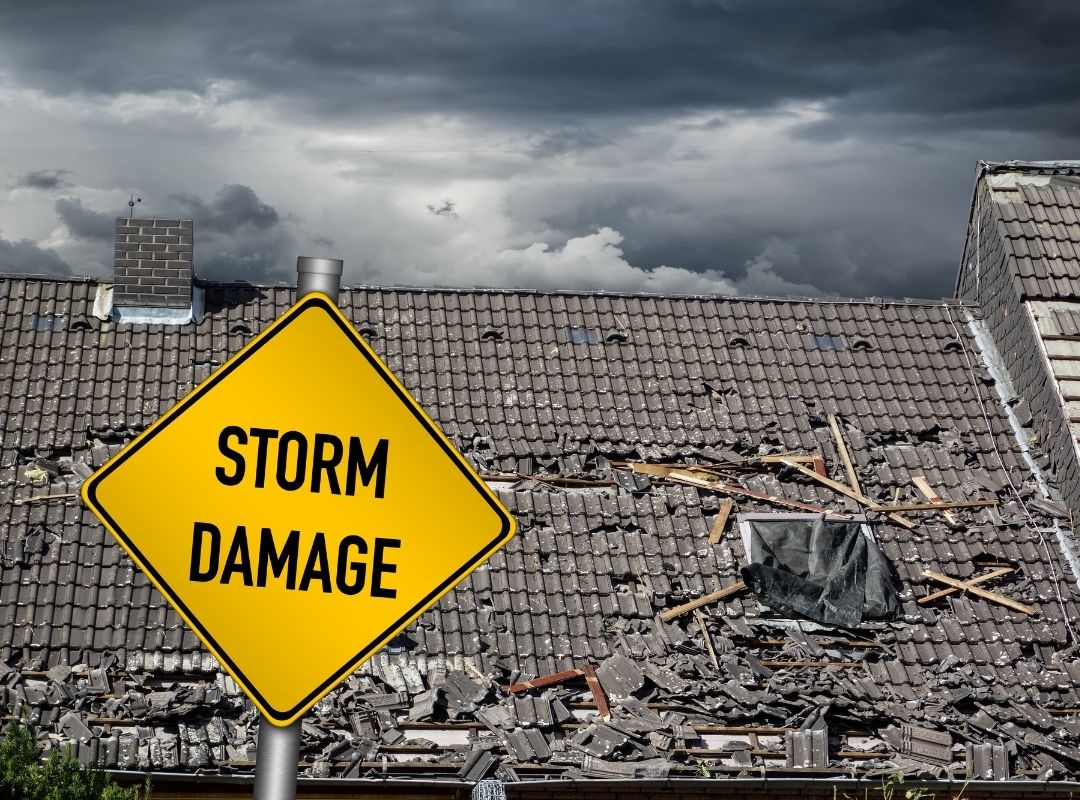
Arizona’s climate and how it shapes inspections
The Sonoran desert tests building envelopes in ways that surprise newcomers. Intense sun bakes roofing materials, UV weakens sealants, and thermal expansion opens hairline cracks in stucco. Summer monsoon storms bring wind‑driven rain that exploits any gap, then evaporates quickly, meaning leaks can be intermittent and hard to trace. In northern and eastern Arizona, freeze‑thaw cycles compound the stress.
That pattern shifts what inspectors emphasize. Roof condition is critical, not just age. Exterior maintenance matters because stucco, foam, and elastomeric coatings age fast under sun. Grading must move water away from the foundation because heavy bursts can dump over an inch of rain in under an hour. Pool safety always comes up, since Arizona has stringent barrier requirements and carriers face serious liability on drownings. Finally, wildfire risk steps into the foreground in foothill and forested communities, especially around Prescott, Payson, Pine‑Strawberry, Flagstaff, Sedona, and parts of Oro Valley and the Catalina foothills.
Roofs: the headline finding in most reports
A roof claim can dwarf your premium for years, so carriers obsess over roof details. In Arizona you’ll see four common types: concrete or clay tile, asphalt shingles, foam (spray polyurethane with elastomeric coating), and metal in higher elevations or on modern customs. Inspectors note material, visible condition, and estimated remaining life.
Tile roofs can be deceptive. The tiles might look fine from the street while the underlayment quietly approaches the end of its life. In Phoenix and Tucson, felt underlayment on 1990s tile roofs often reaches its limit after 20 to 30 years. Inspectors can’t see all layers, but they will catch slipped tiles, cracked hips, mortar voids, exposed fasteners on ridges, or debris clogging valleys. If you have documentation of underlayment replacement, don’t hide it. A simple invoice with a date can save you thousands in premium.
Asphalt shingles vary widely. High‑end architectural shingles installed in the last five to seven years usually pass with minimal comment. Older three‑tab roofs with cupping, granule loss, or brittle edges raise flags fast. Foam roofs live or die by maintenance. Manufacturers usually recommend recoating every 5 to 10 years, depending on UV exposure and thickness. If your foam roof glows chalky white and leaves residue on your fingers, it’s time to recoat. Inspectors will also look for ponding, splits, and patched blisters.
Practical prep here is straightforward. Clean gutters if you have them, clear valleys of leaves and seed pods, replace obviously broken tiles, and re‑seal any exposed nail heads on flashing with compatible sealant. If your roof has had meaningful work, keep the paperwork handy. Insurers accept roof tune‑up receipts and contractor letters that specify scope and date far more readily than verbal assurances.
Stucco, siding, and paint in a high‑UV environment
Paint and coatings do more than look pretty. They protect against moisture and UV. Arizona sun can flatten sheen and dust chalky pigment over stucco long before rain tests it. Inspectors run their eyes and hands over penetrations, window trim, and the bottoms of walls near grade, where sprinklers often soak the finish. They look for cracks wider than hairlines, failed caulk at utility penetrations, and bare foam or paper where hail or bumpers nicked the finish.
Tracts built in the early 2000s often used hard‑to‑reach balcony doors or parapet walls that depend on kick‑out flashing to redirect water. If kick‑outs are missing or buried under stucco, wind‑driven rain can get behind the system. A small piece of fabricated flashing can fix a future headache. A quick caulk job around hose bibs and electrical boxes with UV‑rated sealant carries outsized weight in a report, because it shows ongoing maintenance.
For wood siding in northern and high‑country markets, inspectors check for peeling paint, dry rot at window sills, and clearance from grade. Six inches is a common rule of thumb. Mulch piled against siding or earth making contact suggests hidden rot or insects. Adjust that before the visit.
Electrical and HVAC: safety and lifecycle reality
Electrical panels in Arizona neighborhoods tell a story. Homes built in the 1970s and 1980s may carry Challenger or Federal Pacific panels that raise underwriting eyebrows. Some carriers flatly decline them without an electrician’s report or replacement. Even when the brand is acceptable, inspectors look for rust, open knockouts, double‑tapped breakers, missing labels, or scorch marks. They won’t usually remove dead‑front covers, but photos of the panel exterior and a licensed electrician’s invoice documenting any upgrades can resolve concerns.
HVAC systems age fast in desert heat. You’ll see condensers baking on south exposures and air handlers in attics where summer temperatures climb above 140 degrees. An inspector records manufacturer, tonnage, and approximate age. A 15‑year‑old system isn’t an instant problem if it’s clean and serviced. Dirty coils, blocked condensate drains, or rusted drip pans can be. A float switch on the secondary pan is a small addition that signals care and can prevent a ceiling stain that, once claimed, follows your record.
While you’re at it, replace return air filters and clear vegetation around outdoor units. An HVAC service invoice from the last 12 months helps. If a home has swamp coolers or older evaporative systems, cap and seal unused roof penetrations properly to prevent leaks and questions.
Water systems, from supply lines to the desert’s most common leak
Water claims in Arizona come in two flavors: storm‑driven intrusion during monsoon bursts and interior supply failures that run until someone notices. Inspectors look at plumbing material where visible, water heater age and condition, and signs of past leaks.
Copper supply lines dominate in older homes, with PEX more common in newer builds. Galvanized is rare but if present, it draws concern due to corrosion risk. Water heaters past 10 to 12 years invite questions. A strapped, pan‑equipped water heater with intact TPR discharge line lowers blood pressure in every underwriting department.
The desert twist is irrigation. Automatic systems crack, emitter lines pop off, and spray heads soak stucco and foundations. Many inspectors do a quick scan of landscaping for overspray hitting walls. Move or adjust heads so they don’t wet the house. Check the backflow preventer box for leaks and clean it out if it has become a spider condo.
Inside, look at under‑sink shutoffs and supply lines. Replace crusty angle stops and brittle plastic lines with braided stainless. Tighten refrigerator and dishwasher connections. If you have a washing machine in an interior closet, consider steel‑braided hoses and a drip pan where code allows.
Pools, gates, and liability
Arizona’s pool barrier laws are specific, and insurers tend to adopt them as a baseline. In broad strokes, a compliant barrier separates the pool from the residence and yard with a fence of adequate height, with self‑closing and self‑latching gates that open outward. Local ordinances vary by city and by when the home was built or remodeled, but insurers often evaluate to current best practice because liability does not care about grandfathering.
Expect the inspector to photograph gates and latches, measure fence height if marginal, and note direct access from the home to the pool area. If you rely on door and window alarms for compliance, ensure they work and have replaceable batteries. For removable mesh fencing, show that it’s installed and secured, not stacked behind the shed. If a pool has a diving board or slide, carriers may ask for removal, particularly on short‑term rentals.
Document any upgrades like variable‑speed pumps, anti‑entrapment drain covers, or new plaster. Safety still comes first, but energy‑efficient equipment signals a well‑cared‑for asset, and some carriers offer small credits.
Wildfire and defensible space in the high country
Arizona is not just cactus and gravel. In ponderosa pine and chaparral zones, embers are the bigger threat than flame fronts. Inspectors look at topography, access, and the immediate 5 to 30 feet around structures. Woodpiles against the house, needles in gutters, junipers under windows, and bark mulch hugging siding can all show up in a wildfire exposure note.
You may not control your distance to the wildland interface, but you do control the first few feet. Swap wood mulch for rock near the house, prune branches so none overhang the roof, and mow flashy grasses before the dry season. Clean roof valleys and gutters even if you think they never catch debris. One wind event can change that.
Driveway access matters if you’re remote. A steep, narrow drive without a turnaround can reduce the odds that fire crews will defend the home. Insurers note it even if it doesn’t change the price.
Foundations, grading, and the monsoon problem
Heavy bursts of rain overwhelm flat lots with poor drainage. Inspectors walk the perimeter looking for signs of erosion, low spots near the slab, or negative grading that slopes toward the foundation. They also peek for water stains or efflorescence at stem walls. French drains are rare in Arizona tract homes, so the fix is often just regrading soil or gravel to create a gentle slope away from the structure and adding downspout extensions if gutters exist.
If your home backs to a wash, keep the rear fence intact and free of debris that can act as a dam. Inspectors sometimes ask about flood zone designation. If you’re in a special flood hazard area, you may already carry flood insurance through the NFIP or a private carrier. Have your elevation certificate ready if you have one. Even outside mapped zones, a well‑placed photo showing proper grading after a summer storm can settle nerves.
Solar and other rooftop equipment
Arizona’s solar adoption means inspectors regularly note arrays, conduit runs, and roof penetrations. They aren’t evaluating electrical performance, but they will flag cracked tiles under mounts, missing or loose flashing, and any ponding or rust around roof penetrations. Keep the install contract and a letter from the installer if they repaired penetrations or replaced underlayment beneath the array. If you leased the system, have the lease handy. Ownership and maintenance responsibility can affect claims handling.
Skylights, satellite dishes, and old swamp cooler curbs belong in the same category. Every hole in the roof deserves attention. Re‑seal or flash correctly. Removing abandoned equipment and sealing the curb properly looks better than a decaying box left in place.
Interior conditions and the small things that make a big difference
When inspectors enter, they take in the overall condition quickly. Mess doesn’t fail an inspection, but it makes it hard to see walls and floors and can conceal issues. Clear a path to the electrical panel, water heater, and attic access. Replace dead smoke detector batteries and make sure you have a carbon monoxide detector if you have gas appliances or an attached garage.
Signs of water stains on ceilings, even old ones, prompt follow‑up questions. If you repaired a leak, document it. A quick note from a licensed contractor with a date goes further than your recollection. Pet damage to doors, broken window seals showing fog between panes, and missing outlet covers are small, fixable items that cast a long shadow in a report.
If you run a home business with inventory, special equipment, or customers visiting, tell your agent in advance. Inspections occasionally stumble onto a garage converted into a workshop with flammable storage. The carrier may require endorsements or exclusions you should discuss before the visit.
Rental, short‑term rental, and vacancy considerations
Arizona’s tourism economy fuels a large short‑term rental market in places like Scottsdale, Sedona, and the Superstition foothills. Insurers treat short‑term rentals differently from primary residences. Expect inspectors to look at exterior lighting, handrails, pool barriers, and basic safety gear like fire extinguishers. Document your local permit and any noise or parking compliance measures if asked. If you’ve installed smart locks or camera doorbells for safety and liability mitigation, note them.
For long‑term rentals, they’ll want to know about smoke alarms in bedrooms, window security, and whether the property has been maintained between tenants. Vacancy is a red flag in any state, but in Arizona’s heat, an uncooled home can accelerate material failure. If a property will be vacant more than a set period, many policies require notice or a vacancy endorsement. Be transparent. Trying to hide vacancy often backfires during claims.
The human element: inspectors, timing, and access
Most inspectors want to get in and out efficiently. Treat them like partners and they’ll often share candid insights. Arizona summers make scheduling a factor. Early morning slots reduce attic heat and improve cooperation. If attic access is in a closet, clear the shelf. If a dog is on the property, secure it and tell the inspector ahead of time.
Provide what you can without a flood of paper. A neat folder or one email with these items usually covers it: roof documentation, recent HVAC service, water heater age and work orders, any electrical panel upgrades, pool barrier proof if applicable, and any permits for major remodels. Photos help when they solve a problem. A close‑up of a replaced underlayment tag matters. A sunset glamour shot of the backyard does not.
If the inspector raises an item you disagree with, stay calm and ask what evidence would satisfy the requirement. Sometimes it’s as simple as a contractor’s letter. Other times, the carrier’s guidelines are firm. I’ve seen clients waste time arguing a pool gate latch height. It would have been cheaper to replace the latch.
Common Arizona findings that trigger conditional approvals
Here are recurring items that generate repair requirements within 30 to 60 days. Use it as a quick reality check before the visit.
Tile roof with slipped or broken tiles, deteriorated underlayment evidence, or debris-clogged valleys Pool gate that does not self-close and latch, or fence below minimum height Missing or damaged exterior caulk and sealant at penetrations, windows, and parapet caps Double‑tapped breakers or obsolete electrical panels flagged by many carriers Negative grading or irrigation overspray wetting the foundation or stucco
If you address these ahead of time, you cut the odds of follow‑up inspections and deadlines.
Documentation that carries weight
Some homeowners overprepare binders while others throw up their hands. Aim for a middle path with documents that answer underwriting questions directly. These five go far in Arizona:
Roof: contractor invoice or letter specifying underlayment replacement date and scope, foam recoat receipts with product used and thickness, or shingle installation date. Mechanical: HVAC tune‑up invoice within the last year, water heater replacement receipt showing model and serial number. Electrical: licensed electrician’s report on panel condition or replacement, photos of label plates for brand and model. Pool: permit or written confirmation of compliant barrier, photos of gate latch and measurement, drain cover compliance if upgraded. Wildfire/maintenance: photos of defensible space work or trimming, plus receipts if you used a service, and any recent exterior paint or caulk work orders.
Keep digital copies. If the carrier requests proof after the inspector’s report, you can respond the same day.
What to fix now, what to plan, and what to leave alone
Not every item deserves immediate spend. Focus first on life‑safety and water intrusion. Correct electrical hazards, roof defects that expose felt or create leak paths, failed pool latches, and grading that directs water at the house. Next, tackle maintenance items that show care, like caulking and cleaning, because they influence how borderline items are interpreted.
Plan for capital items where age, not condition, drives risk. A 25‑year‑old tile roof may look okay, but the underlayment likely needs a phased replacement. Budget accordingly. A 16‑year‑old air conditioner still cooling well may survive another season, but document service and keep a spare capacitor and contactor on hand if your tech recommends it.
Resist unhelpful cosmetic work that won’t change the report. Painting a single accent wall won’t matter. Replacing intact, mid‑grade carpeting to impress an inspector is wasted money. Save aesthetics for your own satisfaction.
Edge cases and judgment calls
Arizona has plenty of one‑off scenarios. Adobe homes with Public Adjuster Arizona Select Adjusters LLC flat roofs respond differently to patching. Historic districts in Tucson or Phoenix might limit visible solar or window replacements, forcing you into specialized contractors. Manufactured homes in rural areas vary widely in tie‑down systems, skirting, and electrical upgrades. In all of these, consult your agent early. Some carriers specialize in certain property types and will spare you the contortions of trying to fit a square peg into a round underwriting hole.
Another edge case: homes with additions or garage conversions. If the work lacked permits, insurers often note it and can require an inspection by a licensed contractor or even an engineer’s letter. When possible, bring the paperwork. If you inherited the situation, expect to invest a little to document safety and code‑equivalent conditions, even if true retroactive permitting isn’t feasible.
The day of the inspection
Your goal is a clean, efficient walkthrough that leaves the inspector with more answers than questions. A simple rhythm works: arrive ten minutes early, open the side gate, unlock the electrical panel, and set pets away from the inspector’s path. Turn on lights in spaces without windows, like hall baths. If your attic access requires a ladder, provide a sturdy one.
Stay available but don’t hover. If the inspector asks for ages or details, answer concisely and point to documents. Offer a bottle of water in summer; it’s a small courtesy that keeps the visit smooth. When they finish, ask whether anything looked like a likely repair item. Good inspectors will tell you informally, giving you a head start.
After the report: responding without drama
If you receive a list of conditions, read it twice before reacting. Translate each item into the carrier’s underlying concern. A request to repair “roof deficiencies” usually narrows to a handful of tiles or exposed nails, not a full reroof. Call your roofer for a tune‑up and ask for photos before and after. Upload the invoice and photos to your agent. For electrical concerns, avoid DIY in favor of a licensed electrician’s quick visit. Most small panels fixes cost less than a dinner out.
Keep an eye on deadlines. Carriers often grant 30 days, with another 30 upon request if you show progress. Monsoon season can delay roofers. Communicate early rather than letting a deadline pass in silence. If an item seems unreasonable, ask your agent to clarify whether it’s a guideline or a suggestion. Agents who work Arizona daily can often negotiate wording or accept alternate proof.
Costs, savings, and the real payoff
I’ve seen modest prep shave hundreds off a premium or keep a policy from being non‑renewed. Replacing a non‑compliant pool latch, installing smoke and CO detectors, and a roof tune‑up together might run a few hundred dollars and remove the largest objections. On the higher end, a foam roof recoat can cost in the low thousands, but it can extend life by years and prevent a claim that would dwarf the expense.
Documentation also pays dividends later. When a summer storm peels back flashing, the difference between a denied claim for lack of maintenance and a prompt check can be the paper trail of regular roof work and caulking. Insurers don’t expect perfection, but they reward care.
A practical, Arizona‑minded pre‑inspection checklist
Roof: clear debris, replace broken tiles, reseal exposed fasteners, and gather any underlayment or recoat paperwork Pool: verify self‑closing, self‑latching gates, measure fence height, test door/window alarms if used, and take current photos Systems: replace HVAC filters, clear condensate lines if accessible, strap water heaters, and check for drips at valves and under sinks Exterior: adjust sprinklers away from walls, add soil or gravel to improve grading, caulk penetrations and window joints, and trim trees off the roof Safety: test smoke and CO detectors, secure loose rails or steps, and clear access to the panel, attic, and water heater
Treat this as a once‑through loop rather than a weekend remodel.
Final thoughts for Arizona homeowners
Preparation for an insurance inspection isn’t about staging a perfect house. It’s about presenting a property that resists the particular abuses of Arizona’s climate and daily life. Think like water during a monsoon burst, like sun in June, and like embers on a September wind. Fix what those forces would exploit, document what you’ve maintained, and meet the inspector like a partner. Most of the time, that earns you a quiet approval and a file that makes renewals easier for years to come.
Select Adjusters LLC
2152 S Vineyard #136, Mesa, AZ 85210
+1 (888) 275-3752
[email protected]
Website: https://www.selectadjusters.com