Is it normal to manage healthcare through apps and dashboards now?
If you feel like your entire life is mediated by a screen, you aren’t alone. But when that screen starts managing your blood pressure, your repeat prescriptions, and your specialist referrals, it feels different. It’s no longer about convenience; it’s about the new baseline for healthcare apps in the UK.
After 11 years of watching the NHS try to drag legacy systems into the cloud, I’ve seen the good, the bad, and the outright confusing. The transition to digital-first systems isn't just a trend—it’s an overhaul of the clinical relationship. But before you download that next "revolutionary" health app, you need to know if it’s actually helping you or just selling you a subscription to your own data.
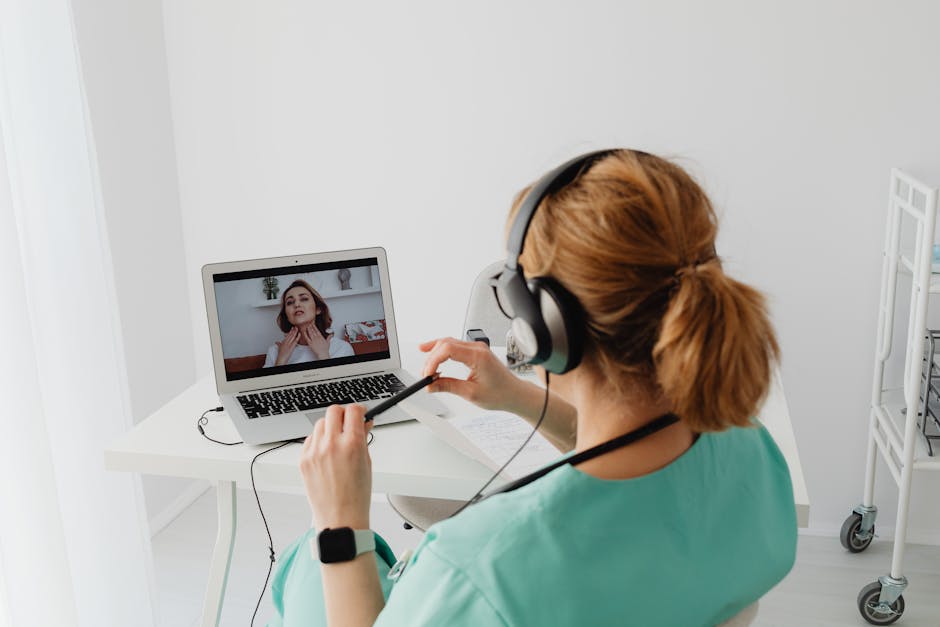
The rise of the digital-first patient experience
Ten years ago, "telemedicine" meant a grainy Skype call with a GP who looked like they were working from a bunker. Today, it’s a fully integrated workflow. You aren’t just booking an appointment; you’re managing a patient dashboard that tracks your symptoms, stores your lab results, and pushes reminders for your medication.
Digital-first systems are now the primary touchpoint for millions. But the tech industry loves to throw around buzzwords like "holistic integration" and "AI-driven diagnostics" without explaining what that actually does for the patient. Let’s cut through the noise. A truly functional health app should do three things: it should save you time, improve the accuracy of your clinical record, and be ruthlessly transparent about what you’re paying for.
Telemedicine isn’t a novelty anymore
Telemedicine has evolved from a pandemic-era emergency measure to a standard clinical pathway. We’ve seen the shift from basic video calls to asynchronous consultations, where you provide data upfront, and a clinician reviews it before you ever speak to them. It’s efficient, provided the platform is registered with the Care Quality Commission (CQC) and the clinicians are GMC-verified. If you don't see those badges prominently displayed on the landing page, delete the app.

Wearables: The data trap
Wearable health tracking is the other half of the puzzle. Everyone has an Apple Watch or a Whoop band now, tracking heart rate variability (HRV) and sleep stages. But there is a massive gap between "tracking" and "healthcare." If your wearable data isn't being integrated into a clinician’s dashboard, it’s just a glorified pedometer. A robust digital-first system takes that raw data and turns it into actionable health insights, not just colorful charts.
The pricing transparency problem
I am tired of seeing "Starting from" pricing without any breakdown. It’s a red flag. If a clinic or health app hides their pricing structure behind a sign-up wall, run. As a consumer, you have the right to know exactly what you are paying for—whether that’s a one-off consultation fee, a monthly subscription, or a tiered package that covers chronic condition management.
Digital-first healthcare should be more predictable than traditional models, not medical cannabis price UK more opaque. When I evaluate a platform, I look for a breakdown of costs that leaves nothing to the imagination. Here is how you should categorize them:
Service Component Transparency Expectation Initial Consultation Flat fee clearly listed; no "booking fees" hidden at checkout. Subscription Fee Itemized list of included services (e.g., 24/7 chat vs. limited appointments). Prescription Fulfillment Clear distinction between the consultation fee and the drug cost. Lab Testing Total cost including processing and clinical review fees.
Subscription-based models are becoming the norm, and they can be a double-edged sword. On one hand, they flatten the cost of care, making budgeting easier. On the other, they can trap patients in a cycle of paying for services they don’t need. Always ask: "Does this subscription cover the clinical review of my data, or just the access to the app?"
Legality vs. Access: Don’t get them confused
One of the biggest issues I see in healthtech articles is the conflation of legality and access. Just because a service is legal and regulated doesn’t mean it’s accessible or appropriate for your specific health needs.
Many apps offer "legal" online prescribing services. That’s fine, provided they adhere to strict prescribing guidelines. However, digital access is not a substitute for continuity of care. If your health app doesn’t have a clear, documented process for sharing your records back with your primary NHS GP, you are essentially fragmenting your own health history. That is dangerous.
Trust signals you need to look for
If you are managing your health through a dashboard, look for these indicators of a responsible service provider:
CQC Registration: Always check the CQC website. Never rely on the badge on the app’s website—verify it independently. Repeat Prescription Workflow: A professional platform will have a specific, documented process for checking the safety of ongoing medication, not just an "auto-renew" button. Data Portability: Can you export your records? You own your health data. If an app makes it impossible to leave or download your history, they aren't working for you. Clear Escrow/Refund Policy: If a consultation doesn't happen, or if a clinician determines they cannot help you, what is the policy? A transparent service will outline this clearly before you pay.
Is this the future of the NHS?
The "Digital Front Door" is already here. The goal of NHS digital transformation isn't to replace the doctor, but to filter out the noise so that clinicians can spend their time on complex cases rather than administration. When you manage your healthcare through an app, you are essentially acting as your own clinical administrator.
This has its perks. You have 24/7 access to your records. You can track your trends over months, not just minutes. But it requires a level of digital literacy and skepticism that we weren't prepared for a decade ago. If you use a digital-first system, treat it with the same scrutiny you would a bank. Check the terms, check the pricing, and if the app feels like a black box, it’s time to find a better provider.
Final thoughts: Stay skeptical
The tech is great, but don't let the UX design distract you from the quality of care. A beautiful dashboard with a terrible clinical outcome is still a failure. Before you commit to a subscription model or entrust your wearable data to a specific app, ask yourself: "How does this make my clinical care better?"
If the answer is simply "it's easier to pay," keep looking. True digital-first healthcare should be about empowerment, not just convenience. Demand transparency, verify the credentials, and never assume that "digital" automatically means "better."
Summary checklist for your next health app download:
Is the pricing breakdown explicit (no hidden "starting at" ranges)? Is the service CQC registered in England? Is there a clear clinical escalation route if things go wrong? Can I download my health data at any time?