Creating a Harmonious Flow Between Indoor and Outdoor Spaces through Design
The connection between indoor and outdoor spaces has never been more significant in residential design. Homeowners increasingly seek to create seamless transitions that enhance their living experience, blending nature with the comforts of home. This desire stems from various factors, including a growing appreciation for outdoor living areas and the psychological benefits of nature exposure. A well-designed environment can foster relaxation, encourage social interactions, and contribute to overall well-being.
When designing spaces that promote harmony between indoors and outdoors, several elements come into play. These include layout, landscaping, material choices, and functional aspects. Achieving balance requires thoughtful consideration of how these elements interact with one another while meeting the homeowner's personal style and practical needs.
Understanding the Importance of Connection
Creating a harmonious flow between indoor and outdoor spaces is not merely about aesthetics; it serves a functional purpose as well. Biophilic design principles emphasize the need for humans to connect with nature, which can significantly enhance mood and reduce stress levels. Studies have shown that people who have access to natural light and greenery report higher satisfaction levels in their homes.
Moreover, outdoor spaces can expand living areas, providing additional room for family gatherings or quiet reflection. By effectively integrating gardens, patios, decks, and other outdoor amenities with interior spaces, homeowners can maximize their property's potential while enhancing its overall value.
Key Elements in Design
To achieve a cohesive blend between indoors and outdoors, several key components should be thoughtfully integrated into your design strategy:
1. Layout Considerations
A successful layout is crucial for creating an unobstructed flow between indoor and outdoor areas. This often involves strategically placing doors or large windows that open onto patios or gardens. Sliding glass doors are particularly effective as they provide expansive views while allowing easy access to outdoor areas.
When planning the layout, consider how different spaces will function throughout the day. For instance, positioning dining areas next to outdoor kitchens or recreation zones can foster a sense of unity during social events.
2. Landscaping Choices
Residential landscaping plays a pivotal role in connecting indoor environments with external spaces. Thoughtful plant selection can enhance sightlines while providing privacy when necessary. Softscaping elements such as shrubs and flowers soften hard surfaces like patios or walkways, creating an inviting atmosphere.
For more structured designs, hardscaping features such as paths and retaining walls can guide movement between spaces while adding visual interest. Using materials consistent with those used indoors helps maintain continuity; for example, if natural stone is prominent inside the home, integrating similar stone into pathways or patio surfaces creates synergy throughout the property.
3. Material Selection
Choosing appropriate materials is essential in establishing continuity between indoor and outdoor environments. Natural materials such as wood or stone evoke organic connections with nature while promoting durability against weather elements—a critical consideration for any exterior application.
Incorporating similar color palettes—whether through paint choices or furniture selections—can also strengthen this connection. For example, if your interior features earthy tones such as greens or browns, you might echo these hues outdoors through furniture upholstery or plant selections.
4. Furniture Placement
Outdoor furniture should mirror indoor arrangements where possible to reinforce familiarity across both settings. Comfortable seating options invite residents to linger outside just as they would indoors; consider sectional sofas paired with coffee tables for casual gatherings or dining sets for alfresco meals under the stars.
Additionally, layering textiles like cushions on patio chairs creates an inviting atmosphere reminiscent of cozy living rooms while encouraging extended use of outdoor spaces year-round.
5. Lighting Solutions
Effective lighting solutions bridge the gap between day and night activities outdoors while enhancing safety around pathways near entrances or stairs leading out from homes into gardens or decks—the right illumination transforms these areas into usable extensions after sunset.
Utilizing ambient lighting fixtures like string lights along decking railings adds warmth without overpowering other design elements; meanwhile pathway lights ensure safe navigation even when dusk settles in early evening hours during colder months when entertaining becomes less frequent outdoors.
Practical Implementation Strategies
When embarking on a project aimed at creating Click here for more harmonious transitions between indoor-outdoor living spaces—whether renovating existing properties or starting new builds—consider these strategies:
Assess Your Space: Begin by analyzing how existing structures connect (or don’t) with surrounding landscapes before making decisions regarding layouts.
Define Functional Zones: Identify specific purposes for each area (e.g., dining versus lounging) so that designs cater directly towards fulfilling those roles dynamically over time.
Invest in Quality: Prioritize high-quality materials designed specifically for exterior environments—they will hold up better against wear-and-tear due to fluctuating weather conditions than typical indoor finishes.
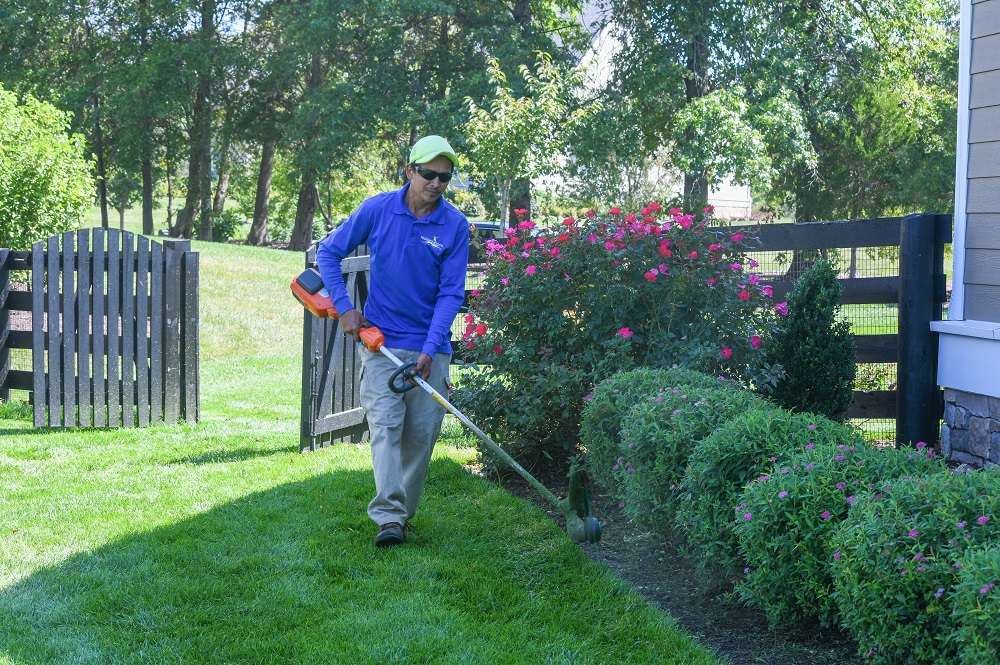
Work With Professionals: Collaborate closely alongside experienced landscape designers who understand local horticultural needs & challenges—this ensures sustainable choices tailored towards individual style preferences remain feasible long-term without sacrificing aesthetic appeal!
Enhancing Maintenance Through Design
A well-planned design not only creates beauty but also simplifies maintenance tasks over time—a crucial factor that should not be overlooked! Selecting native plants suited specifically to local climates allows gardens/landscapes flourish naturally without excessive upkeep demands required by non-native varieties prone needing special care routines (fertilizers/water schedules).
Incorporating hardscaped elements strategically positioned reduces lawn mowing needs significantly while offering visual relief against greenery blooms seasonally throughout varying months ahead—saving both effort & resources alike year-round!
Implementing drip irrigation systems saves water usage significantly compared traditional sprinklers often wasteful when used incorrectly; thus ensuring sustainability remains paramount within residential landscaping goals moving forward together harmoniously!
Final Thoughts
Crafting a harmonious flow between indoor and outdoor spaces enhances not only personal enjoyment but also increases property value significantly over time! By thoughtfully integrating various design elements—from layouts & landscaping choices down through careful material selections—homeowners can create inviting environments conducive towards relaxation & socialization alike!
Planning any renovations home landscaping targeting improved connectivity ultimately leads happier lives engaged fully amidst nature’s beauty—a timeless aspiration every homeowner deserves achieving today!