The Essential Guide to Diesel Generators for Inductive Loads
Introduction
Diesel generators are an indispensable source of backup power in various settings, from industrial facilities and construction sites to residential homes and remote locations. These powerful machines provide reliable electricity when the grid fails, ensuring uninterrupted operations and peace of mind. One common challenge that users face with diesel generators is their performance with inductive loads, such as motors, pumps, and compressors. In this comprehensive guide, we will explore the intricacies of diesel generators in handling inductive loads, the factors to consider when selecting a generator for such applications, and the best practices to optimize performance and efficiency.
Understanding Inductive Loads
Before delving into the specifics of diesel generators for inductive loads, it is essential to understand the nature of inductive loads and the challenges they pose to power generation systems. Inductive loads are devices that rely on electromagnetic induction to function, including electric motors, transformers, solenoids, and other equipment with coils or windings. When these devices are powered up, they draw an initial surge of current known as inrush current, which is significantly higher than their rated operating current. This inrush current can cause voltage drops, power fluctuations, and instability in the electrical system if not managed properly.
Diesel Generators and Inductive Loads
Diesel generators are known for their robustness, reliability, and ability to provide high power output for extended periods. However, when it comes to powering inductive loads, diesel generators face unique challenges due to the transient nature of inrush currents and the reactive power demands of these devices. The key considerations when using a diesel generator with inductive loads include:
1. Starting Current: Inductive loads require a high starting current to overcome inertia and initiate motion. Diesel generators must be capable of supplying this initial surge of current without voltage drops or frequency deviations that can affect the performance of the connected equipment.
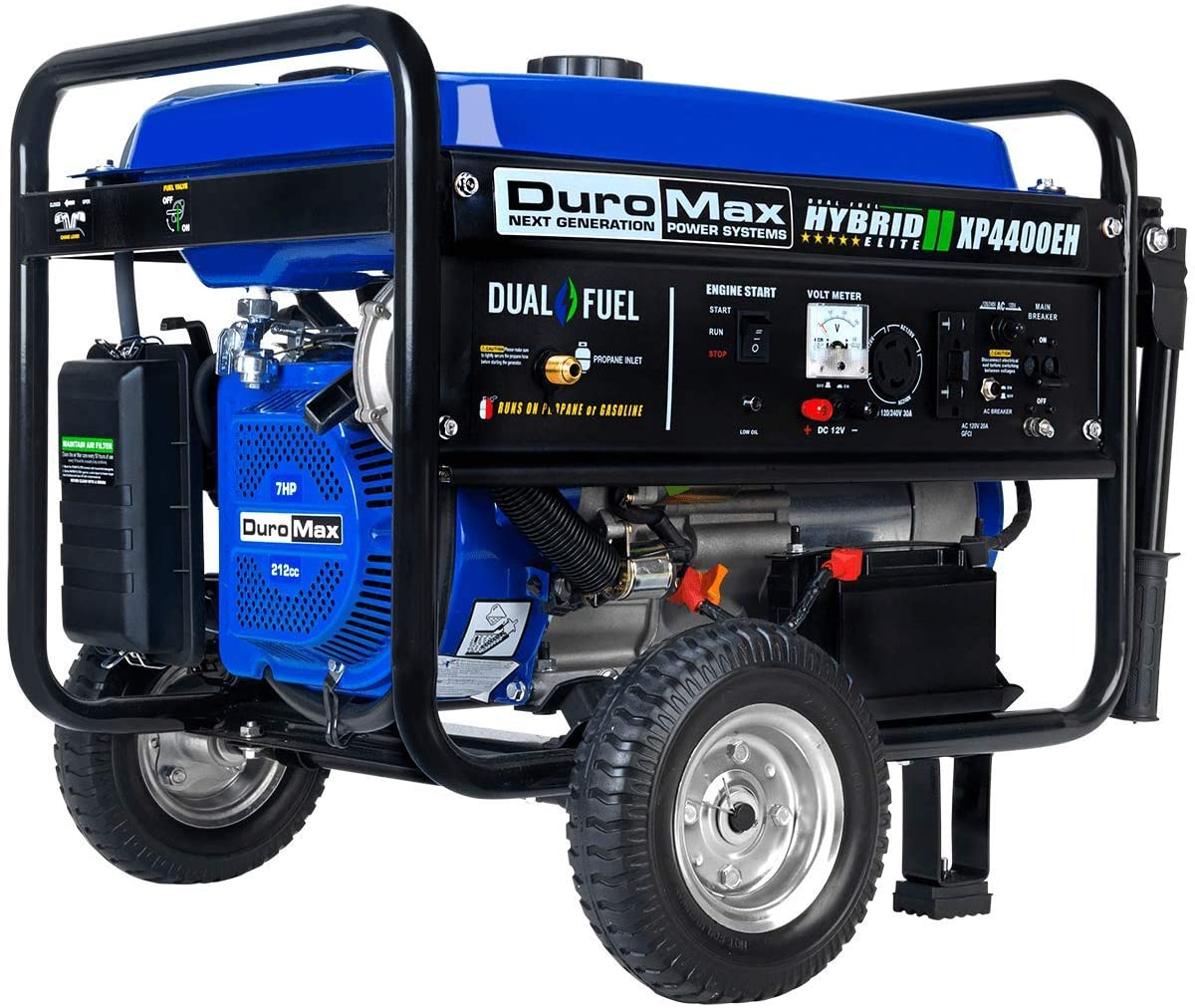
2. Voltage Regulation: Maintaining stable voltage levels is crucial when operating inductive loads, as fluctuations can lead to motor overheating, reduced efficiency, and premature failure. Diesel generators equipped with advanced voltage regulation systems can adjust output voltage dynamically to compensate for load variations and ensure consistent power delivery.
3. Power Factor: Inductive loads have a lagging power factor, which means they draw reactive power in addition to real power. Diesel generators must be able to handle the reactive power demands of inductive loads efficiently to prevent power factor issues, improve system efficiency, and reduce energy costs.
Selecting the Right Diesel Generator for Inductive Loads
Choosing the appropriate diesel generator for inductive loads requires a thorough understanding of the load characteristics, operational requirements, and specific application needs. The following factors should be considered when selecting a diesel generator for inductive loads:
1. Power Rating: The generator's power rating should be sufficient to handle the starting current and continuous power requirements of the inductive loads. It is recommended to size the generator based on the highest starting current of the connected devices to ensure reliable operation.
2. Voltage Regulation System: Look for diesel generators with advanced voltage regulation systems, such as automatic voltage regulators (AVRs) or digital voltage regulators, that can maintain stable output voltage under varying load conditions. This is essential for protecting sensitive equipment and ensuring smooth operation.
3. bojinsi : Consider diesel generators with power factor correction capabilities to optimize the power factor of the system and reduce reactive power losses. Power factor correction modules can improve energy efficiency, reduce electricity bills, and enhance the overall performance of the generator.
4. Engine Performance: Evaluate the engine performance of the diesel generator, including horsepower, torque, and fuel efficiency, to ensure it can handle the demands of inductive loads without overheating or degrading performance. A robust engine design with adequate cooling and ventilation is essential for continuous operation under heavy loads.
5. Control System Features: Choose diesel generators with advanced control system features, such as load sharing, synchronization, and remote monitoring capabilities, to optimize performance, ensure reliability, and facilitate maintenance. Remote monitoring allows users to track generator status, receive alerts, and schedule maintenance tasks proactively.
Best Practices for Optimizing Diesel Generator Performance with Inductive Loads
To maximize the performance and efficiency of diesel generators when powering inductive loads, consider the following best practices:
1. Proper Sizing: Ensure the diesel generator is sized correctly based on the total connected load, including inductive loads, to prevent overload conditions and ensure reliable operation. Oversizing the generator can lead to inefficiencies and increased fuel consumption, while undersizing can cause voltage drops and equipment damage.
2. Load Management: Implement load management strategies to distribute the starting currents of inductive loads evenly and prevent simultaneous starting, which can overload the generator and lead to voltage fluctuations. Sequencing the startup of motors and pumps can reduce inrush currents and optimize generator performance.
3. Regular Maintenance: Follow a routine maintenance schedule for the diesel generator, including oil changes, filter replacements, and inspections of critical components like the alternator, fuel system, and cooling system. Proper maintenance ensures the generator operates at peak performance and extends its service life.
4. Monitoring and Diagnostics: Utilize monitoring systems and diagnostic tools to track the generator's performance, identify potential issues, and address them proactively. Real-time data on fuel consumption, load levels, temperature, and voltage can help optimize generator operation and prevent downtime.
5. Training and Education: Provide training for operators and maintenance personnel on the proper operation, maintenance, and troubleshooting of diesel generators for inductive loads. Knowledgeable staff can respond quickly to issues, perform preventive maintenance tasks, and ensure the generator operates efficiently.
Conclusion
Diesel generators play a vital role in providing backup power for inductive loads in various applications, from industrial plants and construction sites to residential buildings and remote installations. By understanding the challenges of inductive loads, selecting the right generator, and implementing best practices for optimization, users can ensure reliable performance, efficiency, and longevity of their power generation systems. With 1000kw diesel generator for telecommunications towers , maintenance, and monitoring, diesel generators can effectively handle the demands of inductive loads and provide uninterrupted power when needed.
In conclusion, diesel generators are a reliable and versatile power source for inductive loads, and with the right selection, operation, and maintenance practices, they can deliver consistent and stable power for critical applications. By following the guidelines outlined in this guide, users can maximize the performance and efficiency of diesel generators in powering inductive loads, ensuring uninterrupted operation and peace of mind in any setting.